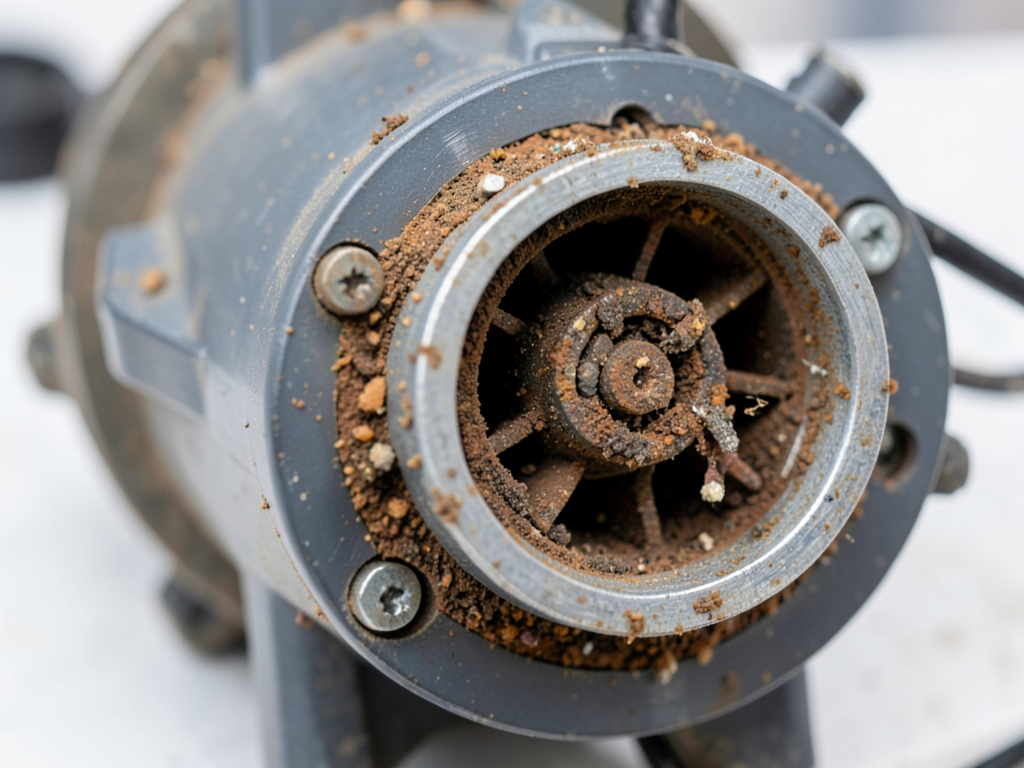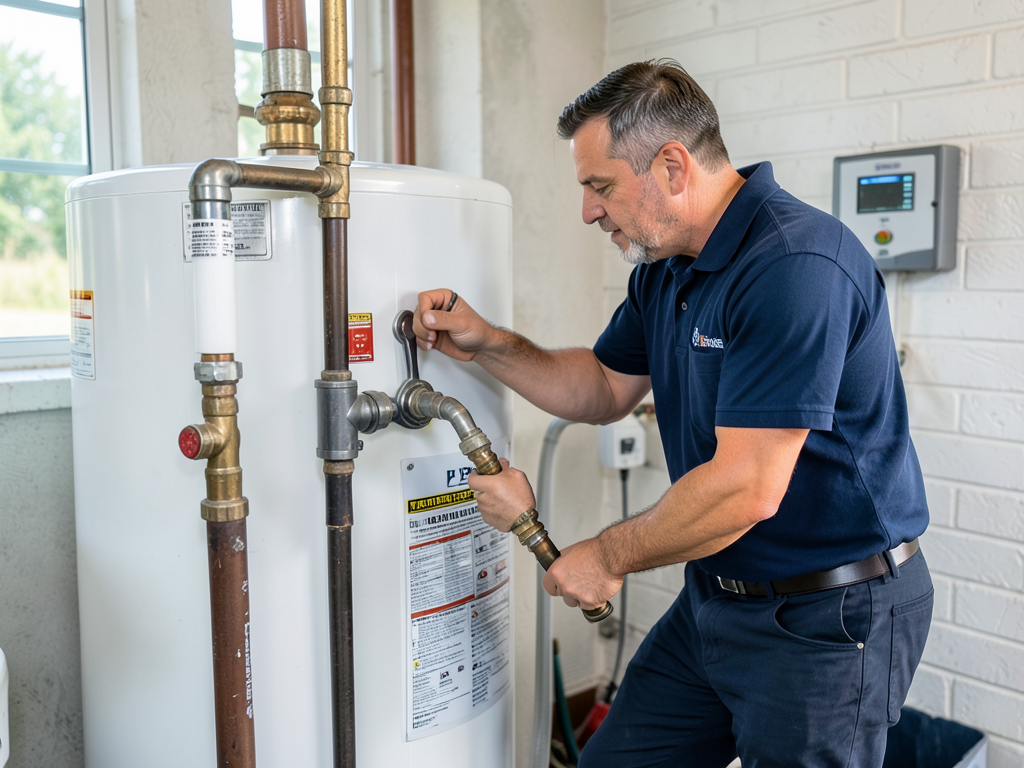






Memphis sits on top of the Memphis Sand Aquifer, but most municipal water comes from surface water treatment of the Mississippi River. This water contains dissolved minerals that precipitate out when heated, forming sediment in tank bottoms. The rate of buildup depends on your specific location and whether you have a water softener. Homes in older neighborhoods with corroded distribution pipes see additional particulate matter entering the water heater. This sediment reduces efficiency, causes rumbling noises, and accelerates tank corrosion. Regular flushing extends water heater life, but most homeowners neglect this maintenance until problems develop. The mineral content also affects tankless units differently than tank models, requiring annual descaling in many installations to prevent heat exchanger damage.
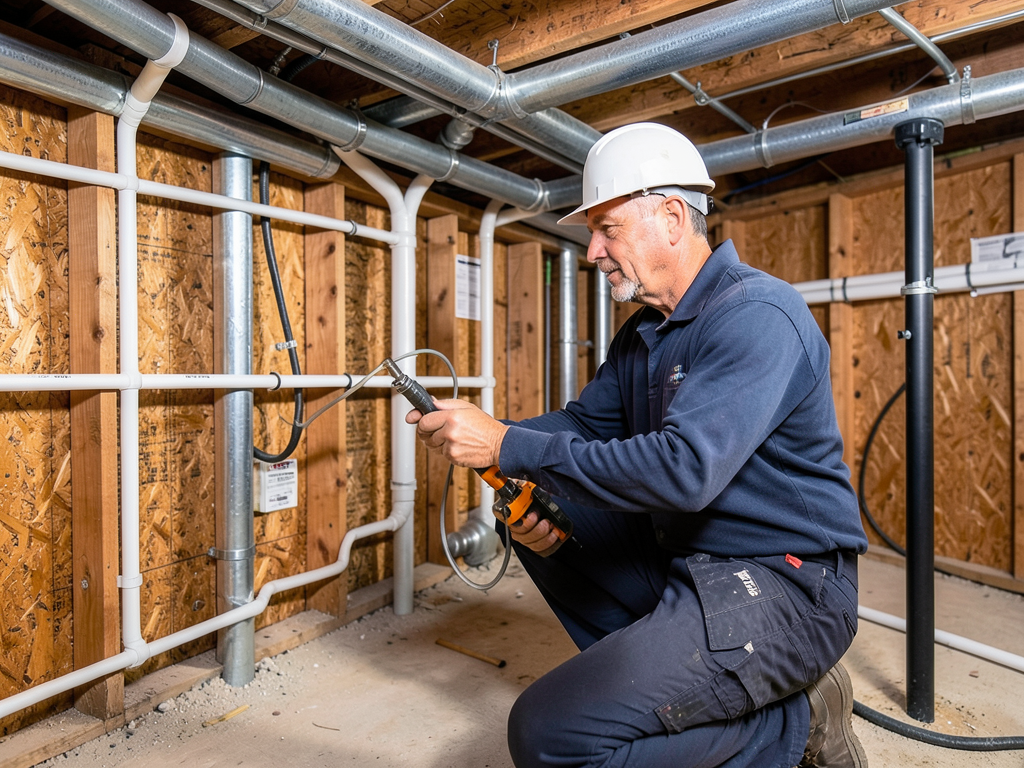
Memphis plumbing codes require permits for water heater change out in most situations, with inspections ensuring proper installation. We handle permit applications and schedule inspections as part of our service. This protects you if you later sell your home and ensures work meets current safety standards. The high humidity common in Memphis means proper venting matters more than in drier climates. Improperly vented gas water heaters create carbon monoxide risks. Condensation from poorly vented systems causes rot in surrounding structures. We have seen water heaters installed by unlicensed handymen that created serious safety hazards and violated code in ways that prevented home sales until corrected. Local expertise matters for work done right.