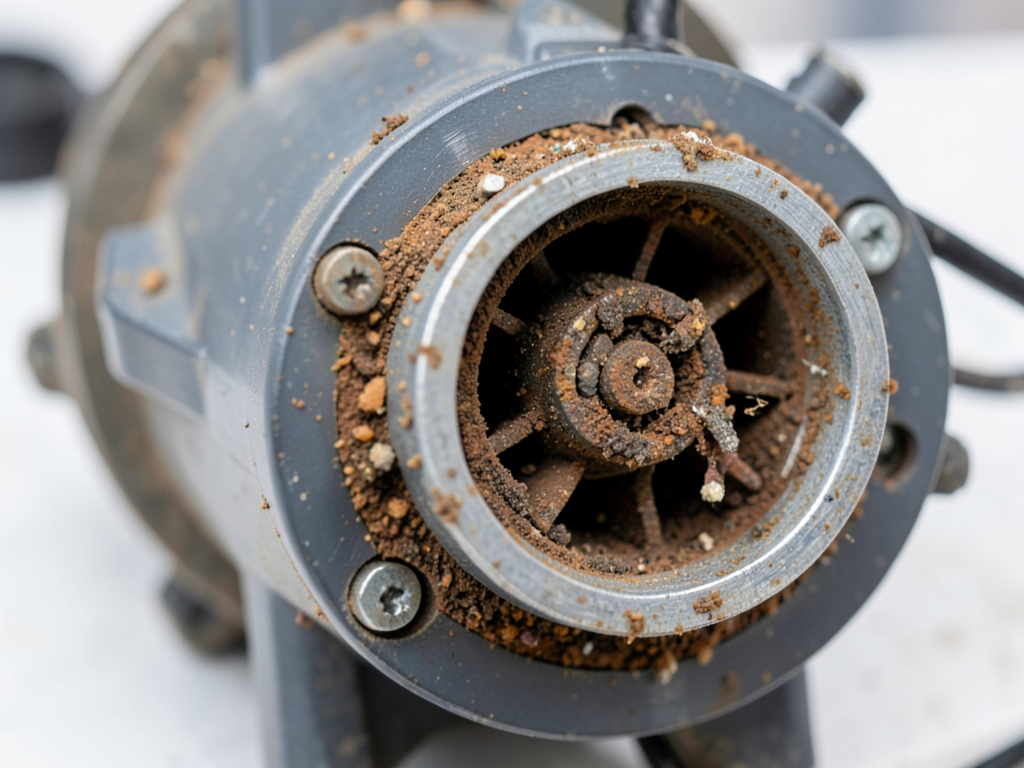







Memphis draws water from the Memphis Sand Aquifer, one of the purest natural water sources in North America, but distribution through aging municipal infrastructure introduces iron oxide particulate that clogs aerators and damages cartridge faucets. Properties east of I-240 connected to lines installed before 1965 experience higher sediment loads, requiring whole-building filtration to prevent premature fixture failure. The city's ongoing main replacement program causes pressure fluctuations that stress older supply lines, accelerating pinhole leak formation in copper piping installed during the 1980s construction boom. Downtown properties near the medical district experience temporary pressure spikes during hydrant flushing that can rupture PRV diaphragms if not properly sized.
Tennessee requires licensed plumbers to complete continuing education in code updates and safety standards, but enforcement varies by contractor. Property owners risk liability when unlicensed workers perform installations that fail inspection or cause tenant injury. Memphis building inspectors increasingly verify contractor credentials before approving permits, rejecting applications from operators without proper bonding. Local suppliers recognize established commercial contractors and extend net-30 terms that allow faster project completion without upfront material costs. These relationships matter when you need emergency inventory access for after-hours failures that require immediate resolution to maintain habitability standards.