Why liquid drain cleaners are particularly dangerous for the old cast iron pipes in Midtown
Chemical drain cleaners can destroy cast iron pipes in Midtown Memphis homes. These harsh chemicals react with the oxidized iron in aging pipes accelerating corrosion and thinning pipe walls that are already decades old. What starts as a $15 bottle of cleaner can quickly turn into a $5000 sewer line replacement when the chemicals eat through weakened cast iron joints. Midtown Sewer Line Repair Without Digging Up Your Entire Yard.
Midtown Memphis has some of the oldest residential infrastructure in Shelby County. Homes built before 1975 commonly have original cast iron sewer lines that are now 50 to 70 years old. The combination of Memphis’s expansive clay soil and the chemical composition of liquid drain cleaners creates a perfect storm for pipe failure. Shelby County Government.
The Short Answer Why Chemicals and Cast Iron Don’t Mix
Chemical drain cleaners work by creating a violent chemical reaction to dissolve clogs. For cast iron pipes this reaction is catastrophic. The sulfuric acid or sodium hydroxide in these products generates intense heat through an exothermic reaction then directly attacks the iron through oxidation. In pipes that are already scaled pitted or thin from decades of use this process accelerates deterioration exponentially. Professional Drain Cleaning Services in Bartlett to Stop Recurring Clogs for Good.
Midtown’s aging sewer infrastructure cannot withstand this chemical assault. The pipes are already compromised by years of mineral buildup soil movement from Memphis’s expansive clay and normal wear. Adding harsh chemicals is like pouring acid on a rusted car it might clean the surface temporarily but it destroys the structural integrity underneath. How to Tell if You Have a Slab Leak Under Your Memphis Home Foundation.
How Chemical Cleaners Corrode Cast Iron
The chemistry is brutal. Most store-bought drain cleaners contain either sulfuric acid (pH below 2) or sodium hydroxide (pH above 12). When these chemicals contact cast iron they trigger a rapid oxidation reaction that produces heat sometimes exceeding 200 degrees Fahrenheit. This heat alone can soften the metal.
The real damage happens when the acid dissolves the protective oxide layer on the iron. Once this layer is gone the chemical continues eating into the raw metal. In pipes with existing scale buildup or pitting the cleaner penetrates deeper into weak spots creating channels that grow larger with each use.
According to the International Association of Plumbing and Mechanical Officials (IAPMO) plumbing codes cast iron pipes should not be exposed to chemicals with pH levels outside the 4 to 10 range. Most drain cleaners fall far outside these safety parameters. International Association of Plumbing and Mechanical Officials (IAPMO).
The Memphis Sands Aquifer which supplies our water contains specific mineral profiles that contribute to scale buildup in pipes. This scale combined with the area’s high humidity and temperature fluctuations creates an environment where cast iron corrodes faster than in many other regions.
Signs Your Memphis Home Has Aging Cast Iron Lines
If your Midtown home was built before 1975 you likely have cast iron sewer lines. Look for these warning signs that indicate your pipes are vulnerable to chemical damage:
- Gurgling sounds from drains when other fixtures are used
- Slow drainage that worsens over time
- Sewer odors coming from floor drains or the yard
- Multiple clogs occurring in different fixtures
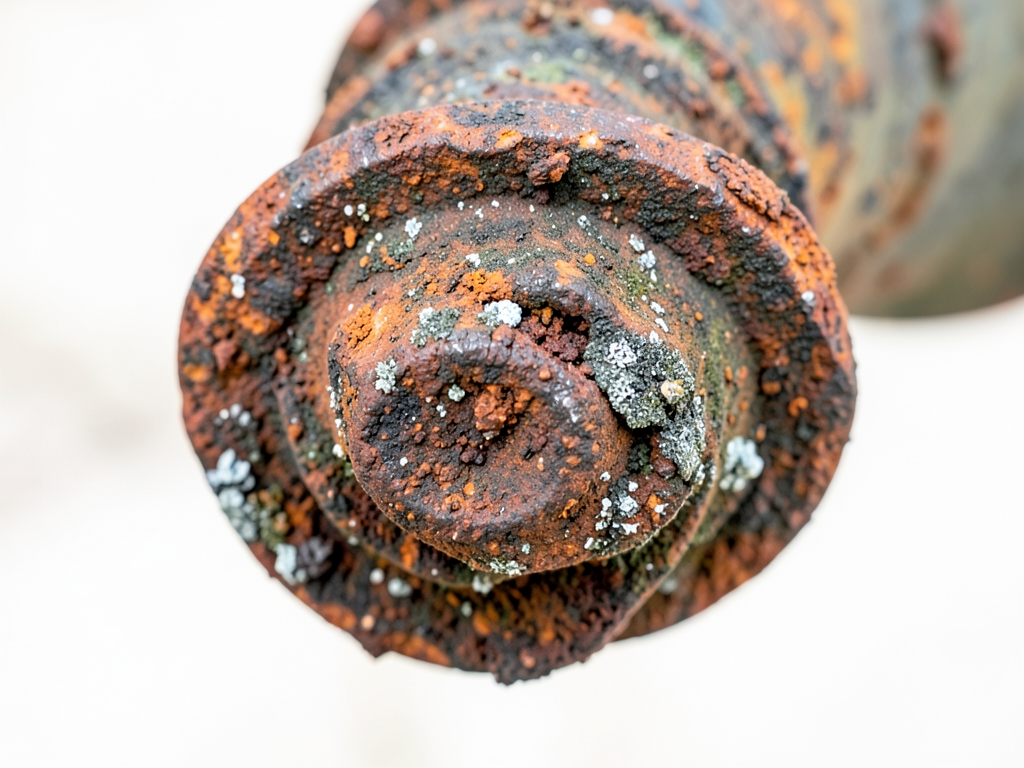
- Visible rust or corrosion on exposed pipe sections in basements
Midtown Memphis neighborhoods like Central Gardens Evergreen and Hein Park have particularly high concentrations of homes with original cast iron plumbing. The area’s historic character means many properties still have their original sewer infrastructure. Plumbing Somerville.
A professional plumber can perform a video pipe inspection using a camera that travels through your sewer line. This inspection reveals scale buildup cracks joint separation and the overall condition of your cast iron pipes critical information before considering any chemical treatments.
Safe Alternatives for Memphis Homeowners
Instead of risking your pipes with chemicals try these safer methods for clearing clogs in cast iron systems:
- Mechanical Snaking: A professional-grade drain snake physically breaks up clogs without chemicals. This method is safe for cast iron and actually removes the blockage rather than just burning through it.
- Enzymatic Cleaners: These use bacteria and enzymes to digest organic matter in clogs. While slower than chemical cleaners they won’t damage pipes and can help maintain clear drains over time.
- Hydro-jetting: This professional service uses high-pressure water (up to 4000 PSI) to scour pipes clean. When performed by experienced technicians it’s safe for cast iron and actually improves pipe condition by removing scale buildup.
For Midtown homeowners prevention is often more cost-effective than emergency repairs. Regular professional drain cleaning every 18 to 24 months can prevent severe clogs and extend the life of your cast iron pipes. Finding an Emergency Plumber in Germantown Who Actually Shows Up After Hours.
When a Clog is Actually a Sewer Line Collapse
What seems like a simple clog might actually be a collapsed sewer line. This is particularly common in Midtown where aging cast iron pipes have been subjected to soil movement from Memphis’s expansive clay.
Signs of a collapsed line rather than a clog include:
- Multiple fixtures backing up simultaneously
- Sewer water bubbling up in the yard often called sewer breath
- Persistent clogs that return within days of clearing
- Foundation cracks near where sewer lines run
If you’re experiencing these symptoms chemical cleaners will only make the situation worse by creating pressure in a compromised system. You need professional diagnosis immediately.
A $15 bottle of chemical cleaner might seem economical but if it fails to clear a collapsed line and causes pipe damage you’re looking at $3000 to $8000 for sewer line replacement. Professional diagnosis costs $200 to $400 but can save you thousands by identifying the real problem.
Memphis-Specific Plumbing Considerations
Memphis’s unique conditions make cast iron pipe maintenance especially important:
- Soil Expansion: Shelby County’s clay soil expands when wet and contracts when dry causing pipes to shift joints to separate and pipes to crack. This movement is particularly severe during Memphis’s rainy springs and dry summers.
- Tree Root Intrusion: The area’s mature trees in Midtown neighborhoods send roots into sewer line cracks seeking water. These roots create blockages that chemical cleaners cannot dissolve.
- Temperature Fluctuations: Memphis experiences wide temperature swings that cause pipes to expand and contract weakening already aging cast iron.
According to Shelby County Health Department’s plumbing inspection guidelines homes with cast iron pipes over 50 years old should undergo professional inspection every two years to identify potential failures before they become emergencies.
Emergency Response What to Do When Chemicals Fail
If you’ve already used chemical drain cleaner and it didn’t work or if you’re experiencing signs of pipe damage take these immediate steps:
- Stop using all drains in your home to prevent additional pressure on potentially damaged pipes
- Call a professional plumber immediately do not attempt to snake the drain yourself as chemicals can cause severe burns
- Be prepared to inform the plumber about what chemicals were used and when
- Turn off water to the affected area if you notice leaks
Professional plumbers need to know what chemicals were used because caustic substances can cause serious burns and respiratory issues during repair work. They may need to ventilate the area and use specialized protective equipment.
Long-Term Solutions for Aging Cast Iron Systems
For Midtown homeowners with original cast iron pipes consider these long-term strategies:
- Scheduled Replacement: Plan to replace cast iron sewer lines every 50 to 70 years. If your home is approaching this age proactive replacement prevents emergency failures.
- Pipe Lining: This trenchless technology creates a new pipe within your existing cast iron extending its life by 30 to 50 years without excavation.
- Partial Upgrades: Replace the most vulnerable sections (like joints and bends) while maintaining the rest of the system.
The cost of planned upgrades is significantly less than emergency repairs especially when factoring in water damage from sewer backups.
Frequently Asked Questions
Can I use enzymatic cleaners on cast iron pipes?
Yes enzymatic cleaners are safe for cast iron pipes. They use natural bacteria to break down organic matter without the harsh chemicals that damage metal. While slower acting than chemical cleaners they won’t harm your pipes and can help maintain clear drains.
How do I know if my cast iron pipes need replacement?
Signs include frequent clogs sewer odors visible rust on exposed pipes and age over 50 years. A video pipe inspection can definitively show the condition of your pipes revealing scale buildup cracks and joint separation that indicate replacement is needed.
Are chemical cleaners ever safe for cast iron?
No. Even occasional use of chemical drain cleaners accelerates corrosion in cast iron pipes. The risk of pipe damage far outweighs the temporary benefit of clearing a clog. Mechanical methods or professional services are always safer alternatives.
What’s the cost difference between chemical cleaning and professional service?
A $15 bottle of chemical cleaner might seem economical but if it damages your pipes replacement costs $3000 to $8000. Professional snaking costs $150 to $300 and won’t damage pipes. Hydro-jetting costs $350 to $600 but actually improves pipe condition by removing scale buildup.
Should I replace my cast iron pipes with PVC?
Many homeowners upgrade to PVC when replacing cast iron because PVC lasts 80 to 100 years resists corrosion and is less susceptible to root intrusion. However the decision depends on your home’s age budget and whether you’re experiencing frequent problems with your existing system.
Don’t wait until your pipes fail. Pick up the phone and call (901) 640-3313 now to protect your Midtown home’s plumbing system. For more information, visit City of Memphis.
{
“@context”: “https://schema.org”,
“@type”: “BlogPosting”,
“headline”: “Why liquid drain cleaners are particularly dangerous for the old cast iron pipes in Midtown”,
“description”: “Chemical drain cleaners can destroy cast iron pipes in Midtown Memphis homes causing costly damage. Learn safe alternatives and warning signs.”,
“wordCount”: 1614,
“datePublished”: “2026-06-12T12:54:00.000Z”,
“dateModified”: “2026-06-12T12:54:00.000Z”,
“inLanguage”: “en-US”,
“mainEntityOfPage”: {
“@type”: “WebPage”,
“@id”: “https://aceplumbingmemphis.com”
},
“publisher”: {
“@type”: “LocalBusiness”,
“name”: “Ace Plumbing Memphis”,
“url”: “https://aceplumbingmemphis.com”
},
“author”: {
“@type”: “Organization”,
“name”: “Ace Plumbing Memphis”,
“url”: “https://aceplumbingmemphis.com”
},
“image”: {
“@type”: “ImageObject”,
“url”: “https://aceplumbingmemphis.com/wp-content/uploads/2026/03/why-liquid-drain-cleaners-are-particularly-dangero-1.png”
}
}
{
“@context”: “https://schema.org”,
“@type”: “Plumber”,
“name”: “Ace Plumbing Memphis”,
“url”: “https://aceplumbingmemphis.com”,
“address”: {
“@type”: “PostalAddress”,
“addressLocality”: “Memphis”
},
“areaServed”: {
“@type”: “City”,
“name”: “Memphis”
}
}
{
“@context”: “https://schema.org”,
“@type”: “FAQPage”,
“mainEntity”: [
{
“@type”: “Question”,
“name”: “Can I use enzymatic cleaners on cast iron pipes?”,
“acceptedAnswer”: {
“@type”: “Answer”,
“text”: “Yes enzymatic cleaners are safe for cast iron pipes. They use natural bacteria to break down organic matter without the harsh chemicals that damage metal. While slower acting than chemical cleaners they won’t harm your pipes and can help maintain clear drains.”
}
},
{
“@type”: “Question”,
“name”: “How do I know if my cast iron pipes need replacement?”,
“acceptedAnswer”: {
“@type”: “Answer”,
“text”: “Signs include frequent clogs sewer odors visible rust on exposed pipes and age over 50 years. A video pipe inspection can definitively show the condition of your pipes revealing scale buildup cracks and joint separation that indicate replacement is needed.”
}
},
{
“@type”: “Question”,
“name”: “Are chemical cleaners ever safe for cast iron?”,
“acceptedAnswer”: {
“@type”: “Answer”,
“text”: “No. Even occasional use of chemical drain cleaners accelerates corrosion in cast iron pipes. The risk of pipe damage far outweighs the temporary benefit of clearing a clog. Mechanical methods or professional services are always safer alternatives.”
}
},
{
“@type”: “Question”,
“name”: “What’s the cost difference between chemical cleaning and professional service?”,
“acceptedAnswer”: {
“@type”: “Answer”,
“text”: “A $15 bottle of chemical cleaner might seem economical but if it damages your pipes replacement costs $3000 to $8000. Professional snaking costs $150 to $300 and won’t damage pipes. Hydro-jetting costs $350 to $600 but actually improves pipe condition by removing scale buildup.”
}
},
{
“@type”: “Question”,
“name”: “Should I replace my cast iron pipes with PVC?”,
“acceptedAnswer”: {
“@type”: “Answer”,
“text”: “Many homeowners upgrade to PVC when replacing cast iron because PVC lasts 80 to 100 years resists corrosion and is less susceptible to root intrusion. However the decision depends on your home’s age budget and whether you’re experiencing frequent problems with your existing system.”
}
}
]
}
{
“@context”: “https://schema.org”,
“@type”: “BreadcrumbList”,
“itemListElement”: [
{
“@type”: “ListItem”,
“position”: 1,
“name”: “Home”,
“item”: “https://aceplumbingmemphis.com”
},
{
“@type”: “ListItem”,
“position”: 2,
“name”: “Blog”,
“item”: “https://aceplumbingmemphis.com/blog”
},
{
“@type”: “ListItem”,
“position”: 3,
“name”: “Why liquid drain cleaners are particularly dangerous for the old cast iron pipes in Midtown”
}
]
}
{
“@context”: “https://schema.org”,
“@type”: “Service”,
“serviceType”: “Plumbing”,
“provider”: {
“@type”: “LocalBusiness”,
“name”: “Ace Plumbing Memphis”,
“url”: “https://aceplumbingmemphis.com”
},
“areaServed”: {
“@type”: “City”,
“name”: “Memphis”
},
“description”: “Chemical drain cleaners can destroy cast iron pipes in Midtown Memphis homes causing costly damage. Learn safe alternatives and warning signs.”
}