




Menu

How to Prevent Frozen Pipes in Memphis – Protect Your Home Before Winter Temperature Swings Hit

Learn proven frozen pipe prevention tips specifically designed for Memphis's unpredictable winter weather patterns, so you can avoid costly burst pipe emergencies when temperatures suddenly drop below freezing.

Slider Image 1
Slider Image 2
Slider Image 3
Slider Image 4
Slider Image 5
Slider Image 7
Slider Image 8
Slider Image 9
Slider Image 10
Slider Image 11

Why Memphis Homeowners Face a Hidden Winter Plumbing Risk

Memphis winters create a perfect storm for frozen pipes. Unlike northern cities where sustained cold prepares homeowners for winter, Memphis experiences sudden temperature swings that catch you off guard. You might see 55 degrees one day and 22 degrees the next.

This volatility is dangerous. Homes in the greater Memphis metro were built expecting mild winters, not extended freezes. Many crawl spaces lack adequate insulation. Exterior walls on homes in Midtown, East Memphis, and Germantown often house supply lines with minimal protection. When temperatures drop rapidly, water inside these pipes freezes faster than you expect.

The clay soil common throughout Shelby County compounds the problem. Ground movement from freeze-thaw cycles stresses underground supply lines. Older homes near the historic districts often have galvanized pipes that are already compromised by decades of corrosion. Add freezing water expanding at 9% volume increase, and you have a recipe for catastrophic pipe failure.

Stopping pipes from freezing requires understanding your specific vulnerability. Keeping water pipes from freezing is not just about cold weather. It is about recognizing that Memphis sits in a climate transition zone where homes are not built for harsh winters, but winters can still hit hard. Winterizing plumbing pipes becomes critical when forecasts show temperatures dropping into the teens, especially if those cold snaps last more than 24 hours.

Protecting pipes from freezing starts with knowledge. You need to know where your vulnerable pipes run, what temperatures trigger risk, and what actions prevent disaster before it starts.

Why Memphis Homeowners Face a Hidden Winter Plumbing Risk
The Right Way to Winterize Your Plumbing System

The Right Way to Winterize Your Plumbing System

Frozen pipe prevention tips must address both passive protection and active monitoring. Passive protection means insulating vulnerable pipe runs before cold weather arrives. Active monitoring means knowing when to take emergency action during a cold snap.

Start with pipe insulation. Foam pipe sleeves provide an R-value barrier that slows heat loss from water sitting in supply lines. Focus on pipes in unheated spaces like crawl spaces, attics, and exterior wall cavities. Pay special attention to the north side of your home where sun exposure provides no warming effect. Use foam insulation rated for outdoor use, not the cheap hardware store version that degrades in six months.

Seal air leaks around pipe penetrations. Cold air infiltration through rim joists, foundation vents, and wall penetrations drops temperatures faster than ambient cold. Use spray foam or caulk to seal gaps where pipes enter your home from the exterior or pass through floor systems.

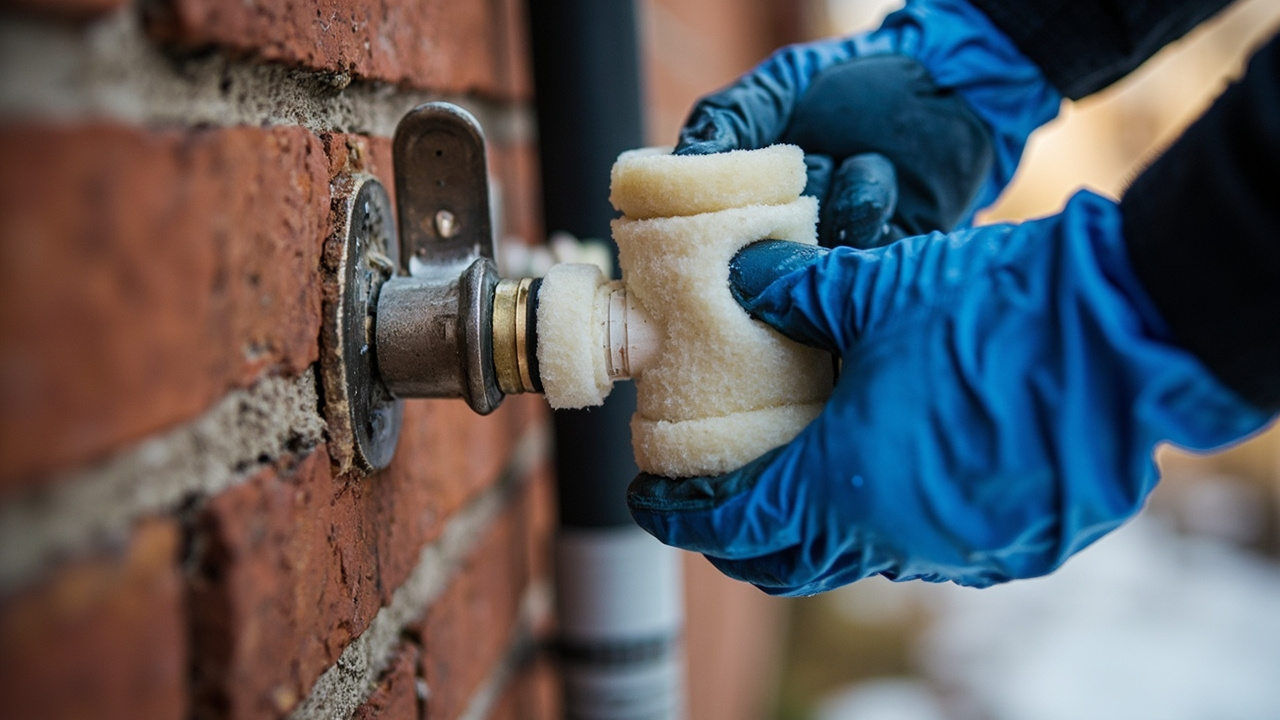
Address hose bibs and exterior faucets separately. These are your highest-risk freeze points. Disconnect garden hoses, drain exterior lines, and install insulated faucet covers. If you have older gate valve shutoffs feeding exterior faucets, replace them with frost-free sillcocks that position the valve inside conditioned space.

Cabinet doors matter more than you think. Kitchen and bathroom sinks on exterior walls trap cold air around supply lines. Open cabinet doors during freezing nights to allow warm air circulation. This simple step prevents thousands of dollars in damage.

Dripping faucets work, but only if done correctly. A slow drip keeps water moving through the system, preventing ice crystal formation. You need just enough flow to see movement, roughly five drips per minute. Target faucets on exterior walls or those farthest from your water heater.

What Winterizing Your Plumbing Actually Involves

How to Prevent Frozen Pipes in Memphis – Protect Your Home Before Winter Temperature Swings Hit
01

Vulnerability Assessment

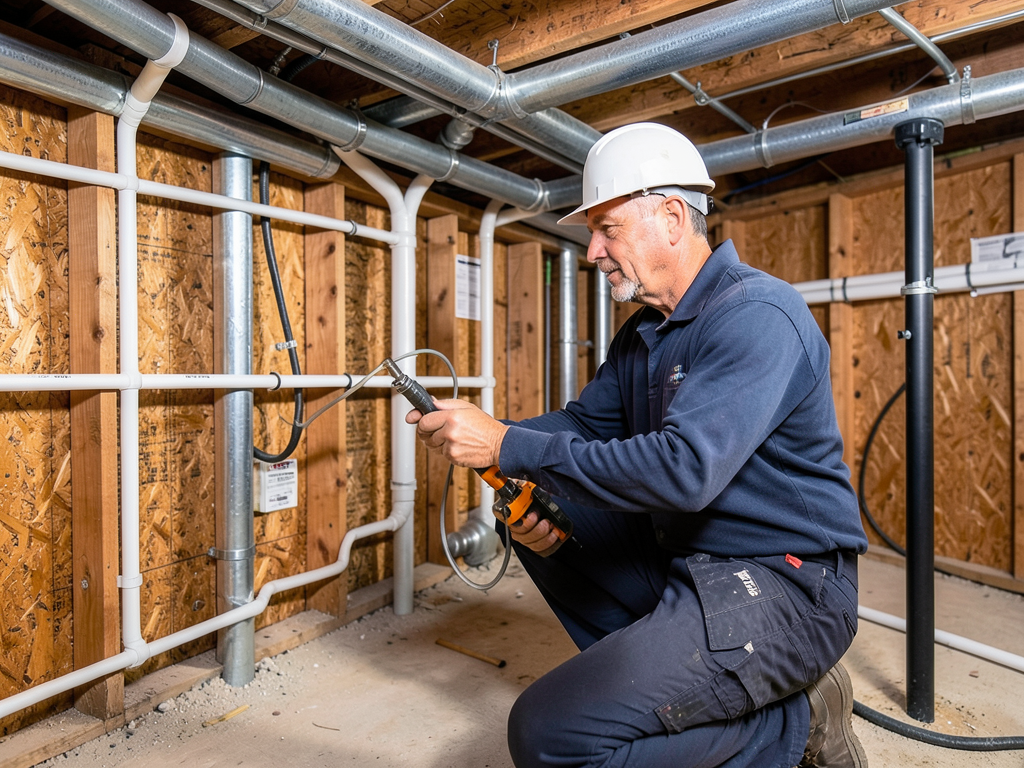
You identify every pipe run in unheated space. Walk your crawl space, check your attic, and map exterior wall plumbing locations. Look for existing insulation gaps, damaged vapor barriers, and foundation vents that allow cold air infiltration. Note which pipes have shutoff valves and which are continuously pressurized. This assessment reveals your specific risk points before temperatures drop.
02

Strategic Insulation Installation

You wrap vulnerable pipes with foam sleeves, seal air gaps, and add heat tape to highest-risk sections. Insulation goes on hot and cold supply lines, not just cold water pipes. You secure foam with zip ties or duct tape, ensuring no gaps expose bare copper or PEX. Heat tape with built-in thermostats goes on pipes in unheated crawl spaces where insulation alone provides insufficient protection.
03

Cold Weather Protocol

You monitor forecasts and activate your freeze protection plan when temperatures will drop below 28 degrees for more than four hours. Open cabinet doors, set faucets to drip, and maintain interior temperatures above 55 degrees even when away. You know which valves to shut off if leaving town, and you understand how to drain vulnerable sections if extended freezes are forecast.

Why Local Plumbing Knowledge Prevents Freeze Damage

Memphis plumbing systems face challenges that national advice columns never address. Your home likely has a combination of copper, PEX, and possibly older galvanized supply lines. The transition points between these materials create weak spots where freezing damage starts first.

Crawl space construction throughout Shelby County varies dramatically. Homes in East Memphis often have ventilated crawl spaces that were acceptable under old building codes but create freeze risks today. Newer construction in Collierville and Germantown may have sealed crawl spaces that provide better protection, but only if spray foam insulation was installed correctly during construction.

Ace Plumbing Memphis understands these local construction patterns. We know that homes built in the 1970s and 1980s often have supply lines run through exterior wall cavities with no insulation. We recognize that older homes near Overton Park and the Cooper-Young district may have supply lines in uninsulated attic spaces feeding second-floor bathrooms.

Local expertise matters when winterizing plumbing pipes because generic advice fails to account for regional construction methods. A plumber from Minnesota will insulate differently than necessary for Memphis conditions. Over-insulation wastes money. Under-insulation leaves you vulnerable.

We also understand Memphis freeze patterns. You rarely face week-long deep freezes like northern states. Your risk comes from rapid temperature drops that hit before you implement protection measures. Our winterization approach focuses on quick-response strategies that work for short-duration cold snaps rather than sustained winter conditions.

The clay soil throughout Memphis also requires specific attention. Freeze-thaw cycles cause ground movement that stresses underground supply lines. We inspect for stress cracks and potential failure points that become critical when frozen ground shifts.

What Professional Winterization Includes

Inspection Timing

Professional winterization works best in October or early November, before the first hard freeze. A plumber can assess your entire system in 60 to 90 minutes, identifying vulnerable pipe runs you cannot see. This inspection covers crawl spaces, attics, rim joist areas, and exterior wall cavities. You receive a written assessment noting high-risk areas and recommended protection measures. Early scheduling means insulation installation happens before demand spikes during the first cold snap, when every plumber in Memphis gets emergency calls.

Comprehensive System Evaluation

A thorough inspection goes beyond visible pipes. Plumbers use thermal imaging cameras to identify cold spots in walls and floors that indicate inadequate insulation around hidden pipe runs. We test exterior faucet shutoff valves to verify they actually stop water flow and check for valve leaks that keep water in exterior sections. We inspect pressure relief valves on water heaters, verify expansion tank function, and check for signs of previous freeze damage that weakened pipes. This diagnostic approach finds problems before they become emergencies.

Protection Installation Quality

Professional insulation installation uses commercial-grade materials that last multiple seasons. Foam sleeves are secured properly, heat tape is installed with correct spacing and thermostat settings, and all work meets manufacturer specifications for warranty coverage. Exterior faucet covers are weatherproof models that actually seal, not decorative versions that let cold air reach the faucet. You receive documentation of what was done, where protection was added, and what temperature thresholds trigger additional action like setting faucets to drip.

Ongoing Winter Monitoring

Professional winterization includes guidance on monitoring your system through winter months. You learn which warning signs indicate developing problems, what temperatures require activating drip protocols, and how to respond if you suspect a pipe has frozen. Many Memphis homeowners benefit from mid-winter check-ins if extended cold periods develop, particularly for vacation properties or rental units. We provide emergency contact information and response protocols so you know exactly what to do if temperatures drop unexpectedly while you are out of town.

Frequently Asked Questions

You Have Questions,
We Have Answers

How do I stop my pipes from freezing? +

Insulate exposed pipes in crawl spaces, attics, and exterior walls using foam pipe sleeves or fiberglass wrap. Seal cracks and gaps where cold air enters around pipes. Keep cabinet doors open under sinks to allow warm air circulation. Maintain your thermostat at 55 degrees or higher when you leave home. Disconnect garden hoses and drain outdoor faucets before Memphis winter freezes arrive. Install frost-proof hose bibs if you have older fixtures. Let faucets drip during extreme cold snaps, especially those on exterior walls. Memphis homes built on pier and beam foundations need extra attention in crawl spaces where pipes sit exposed to cold air.

Do all faucets need to drip to prevent freezing? +

No. Focus on faucets connected to pipes in vulnerable locations. Prioritize fixtures on exterior walls, in unheated crawl spaces, or in attics. In Memphis homes, bathrooms and kitchens on north-facing walls need the most attention during cold weather. You do not need to drip every faucet in your house. Target the weakest links in your plumbing system. A slow drip from both hot and cold sides keeps water moving through at-risk pipes. Running multiple faucets wastes water and money without added protection. Identify your vulnerable pipes first, then drip strategically during freezing conditions.

At what temperature do pipes freeze? +

Pipes typically freeze when temperatures drop to 20 degrees Fahrenheit or below for several hours. However, Memphis homes face freeze risk at higher temperatures if pipes sit in unheated spaces or have poor insulation. Pipes in exterior walls or crawl spaces can freeze at 32 degrees when combined with wind chill and inadequate protection. The duration of cold exposure matters as much as the temperature. A brief dip to 28 degrees overnight causes less risk than sustained 32-degree weather for 12 hours. Memphis usually sees short freeze events, but our humid climate can accelerate ice formation in vulnerable pipes.

How often should I run water to keep pipes from freezing? +

Run water at a slow drip when temperatures drop below 20 degrees or when forecasts predict sustained freezing for more than four hours. You do not need to run water constantly throughout winter. Check Memphis weather forecasts and start dripping faucets the evening before a freeze arrives. Keep the drip going until temperatures rise above freezing during daylight hours. A pencil-lead-thin stream provides adequate flow to prevent freezing. Dripping water continuously for days wastes hundreds of gallons. Time your drips to match actual freeze conditions rather than running faucets all winter long for protection you do not need.

At what temperature should you let your faucets drip? +

Start dripping faucets when outdoor temperatures drop to 28 degrees or below, especially if wind chill pushes effective temperatures lower. Memphis homes should focus on this threshold rather than waiting for 20 degrees. Begin dripping in the evening before overnight lows arrive. Your pipes sit in walls and crawl spaces that cool slower than outdoor air but hold cold longer. If temperatures will hover near freezing for extended periods, start your drip earlier. A slow, steady drip from both hot and cold taps keeps water moving through vulnerable sections. Stop dripping once daytime temperatures rise above freezing and stay there.

Does adding rubbing alcohol to water keep it from freezing? +

No. Do not add rubbing alcohol to your plumbing system. This method damages pipes, contaminates your water supply, and provides no reliable freeze protection. Rubbing alcohol in standing water might lower the freeze point slightly, but it does not work in pressurized plumbing systems where water constantly moves and dilutes any additive. You would need dangerous concentrations to make any difference. Memphis homeowners should use proper insulation, pipe wrapping, and controlled dripping instead. Adding chemicals to your water lines creates more problems than it solves. Stick to proven mechanical methods that protect pipes without contaminating your household water supply.

Is it better to put your outside faucets on a drip or to wrap them and cover them with a foam cover? +

Wrap and cover outdoor faucets rather than leaving them dripping. Memphis winters bring short freeze events where proper insulation outperforms constant dripping for exterior fixtures. Install foam faucet covers over hose bibs after disconnecting garden hoses. Wrap exposed piping behind the fixture with foam insulation before adding the cover. Dripping outdoor faucets wastes water and can create ice buildup on foundations or walkways. The combination of insulated covers and internal pipe wrapping provides better protection than dripping alone. For added security during extreme cold, wrap fixtures and open the interior shutoff valve slightly to relieve pressure if freezing occurs despite your precautions.

What freezes first, hot or cold water pipes? +

Cold water pipes freeze first. Hot water pipes hold residual heat from your water heater, which delays freezing. However, once hot water stops flowing, those pipes cool to ambient temperature and freeze just as easily. The location matters more than the temperature of water inside. Cold water pipes in crawl spaces or exterior walls freeze before hot water pipes in interior walls. Memphis homes with tankless water heaters face different risks because no residual heat stays in lines. During freeze events, drip both hot and cold faucets on vulnerable fixtures. The cold side needs immediate attention, but do not ignore hot water lines in exposed locations.

What pipes are most prone to freezing? +

Pipes in unheated crawl spaces, attics, and exterior walls freeze most often. Memphis homes built on pier and beam foundations face higher risk because crawl spaces expose pipes to outside air. Kitchen and bathroom supply lines running through outside walls freeze frequently during cold snaps. Hose bibs and outdoor faucets freeze first because they sit completely exposed. Pipes near foundation vents or crawl space openings get direct cold air contact. Older homes with minimal insulation in walls put pipes at greater risk. Any pipe within three feet of an exterior wall needs attention. Water lines in detached garages or workshop buildings freeze faster than main house plumbing.

Does running water prevent freezing? +

Yes. Running water prevents freezing because moving water resists ice formation better than standing water. A slow drip keeps water molecules in motion, making it harder for ice crystals to form and expand. The flow does not need to be strong. A pencil-lead-thin stream provides enough movement to protect pipes during Memphis freeze events. However, running water alone does not replace proper insulation. Combine dripping with pipe wrapping and air sealing for complete protection. Dripping works because flowing water maintains slightly higher temperatures through friction and prevents the static conditions ice needs to form. Stop dripping once temperatures rise above freezing to avoid waste.

Memphis Temperature Swings Make Freeze Prevention Critical

Memphis sits at the northern edge of the humid subtropical climate zone. Winter temperatures average in the 40s, but Arctic air masses periodically drive readings into the teens. These events happen quickly. A Tuesday afternoon might reach 58 degrees, then Wednesday morning drops to 18 degrees. Your pipes go from safe to at-risk in less than 12 hours. Homes built for mild winters lack the passive freeze protection common in northern construction. Crawl space vents designed for summer humidity control become pathways for frigid air. Stopping pipes from freezing requires preparation before cold arrives, because you cannot retrofit protection fast enough once temperatures plummet.

Local plumbing expertise matters because Memphis building codes evolved for a different climate reality. Older code requirements did not mandate pipe insulation in crawl spaces or attic runs. Many homes throughout Midtown, East Memphis, and surrounding areas have completely unprotected supply lines in vulnerable locations. Ace Plumbing Memphis understands which construction eras created which vulnerabilities. We know the difference between pier and beam foundations common in older neighborhoods versus slab construction in newer developments. This knowledge determines the right winterizing approach for your specific home, not generic solutions that may not address your actual risk factors.
Plumbing Services in The Memphis Area

We are proud to serve the entire Memphis area and its surrounding communities. Our convenient location allows us to provide rapid response times for all your plumbing needs, whether you're in the heart of the city or in the neighboring suburbs. We invite you to explore our service area and see how close our expert team is to you. We are always ready to help!

Address:
Ace Plumbing Memphis, 4628 Summer Ave, Memphis, TN, 38122

Additional Services We Offer

Our news updates

Latest Articles & News from The Blogs

How many years should your Bartlett sump pump actually last before it fails? If you live in Bartlett you already…

How many years should your Bartlett sump pump actually last before it fails?

How many years should your Bartlett sump pump actually last before it fails? If you live in Bartlett you already…

Why your soap won't lather and your skin stays dry in Olive Branch

If you live in Olive Branch and notice your soap barely lathers while your skin feels tight and itchy after…

Why PEX piping is less likely to burst during a Memphis freeze than traditional copper

Why PEX piping is less likely to burst during a Memphis freeze than traditional copper When Memphis temperatures drop below…

Contact Us

Schedule a winterization inspection now, before temperatures drop. Call Ace Plumbing Memphis at (901) 640-3313. We will assess your freeze risk and implement protection measures that keep your pipes safe through winter. Do not wait until you hear water running inside your walls.