




Menu

Dripping Faucets & Leaks in Memphis | Expert Diagnosis Stops Wasted Water and Hidden Damage

Our plumbers identify the root cause of leaky faucets, dripping taps, and constant water leaks throughout the greater Memphis metro, stopping property damage before it starts.

Slider Image 1
Slider Image 2
Slider Image 3
Slider Image 4
Slider Image 5
Slider Image 7
Slider Image 8
Slider Image 9
Slider Image 10
Slider Image 11

Why Memphis Homes Are Fighting a Losing Battle Against Leaky Faucets

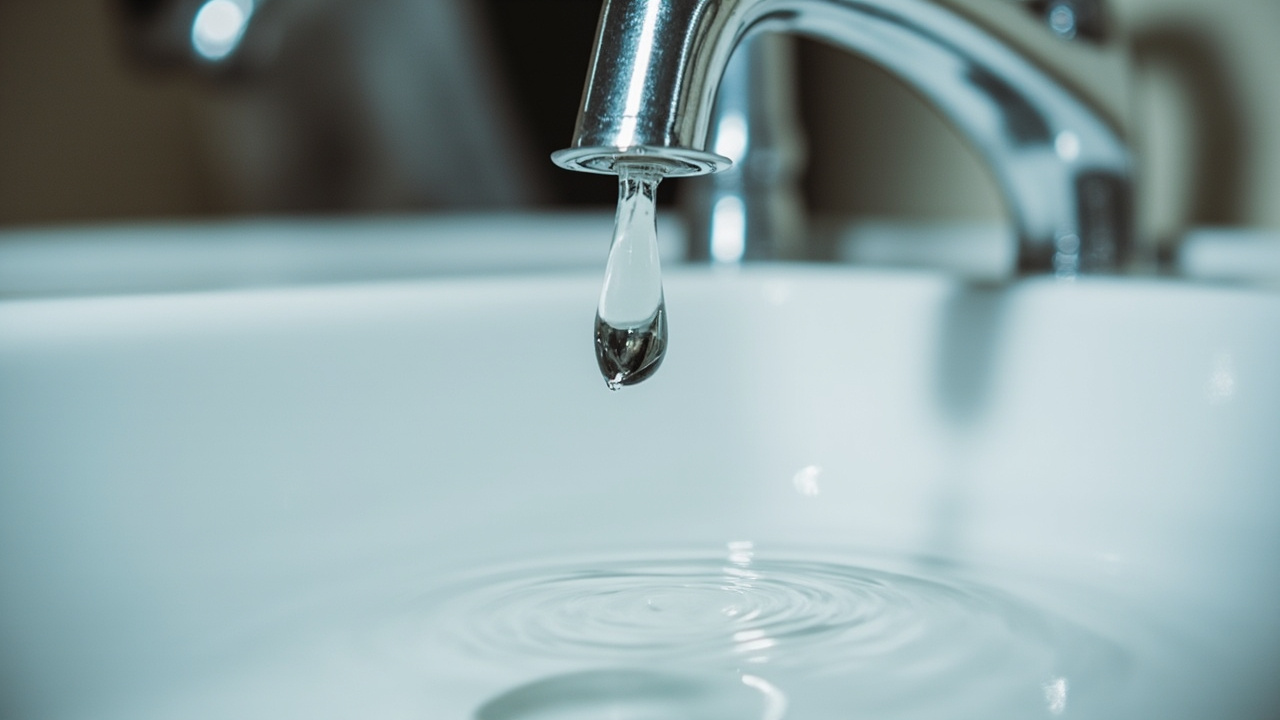
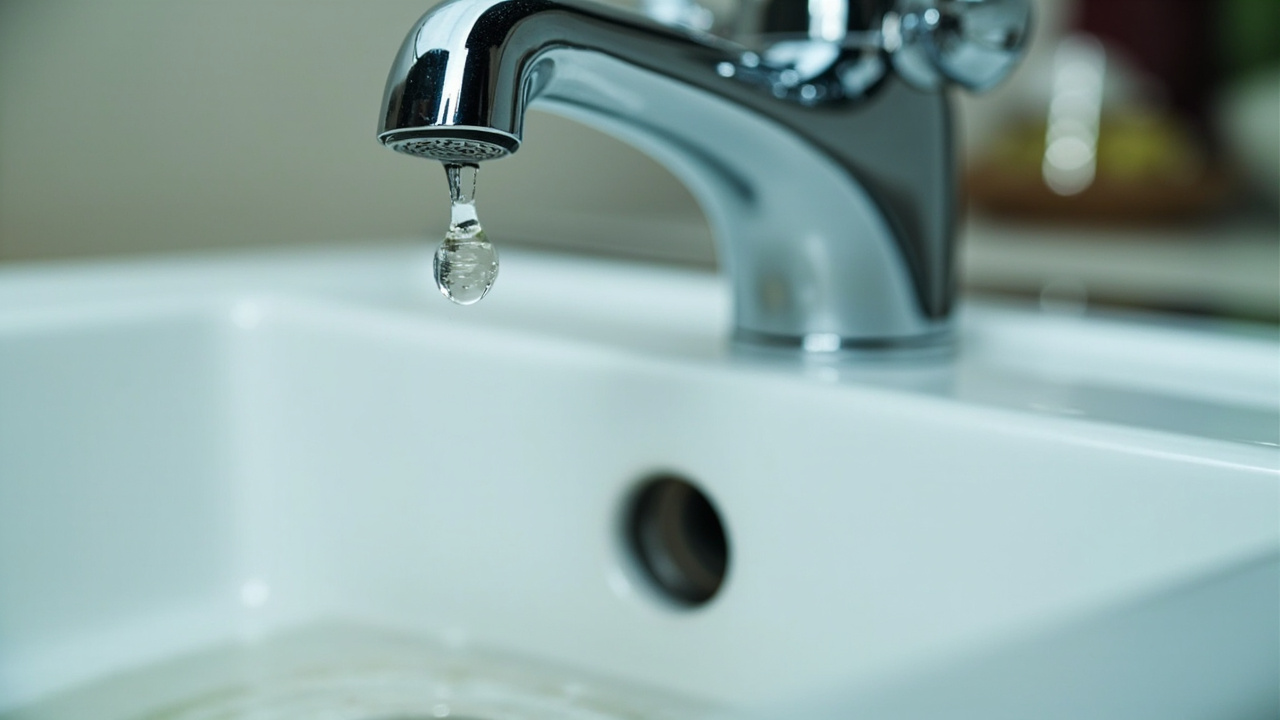
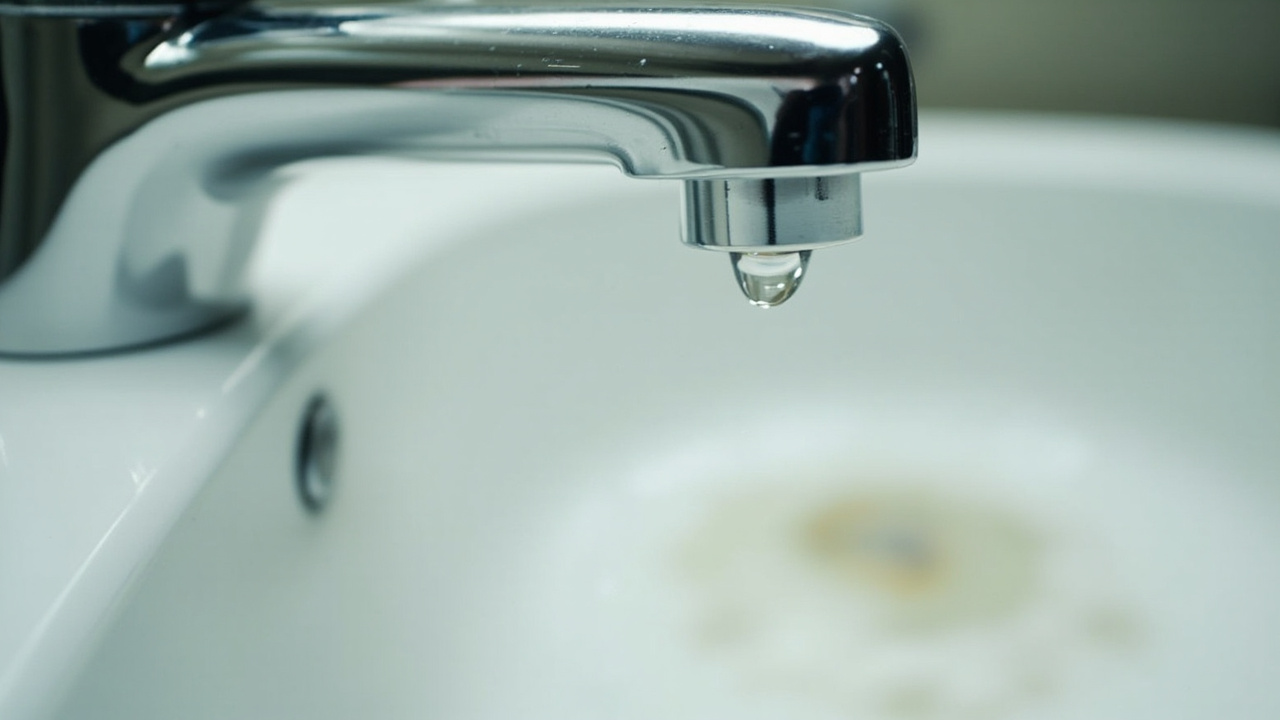
You hear it at night. That rhythmic drip from the kitchen faucet or bathroom tap. You ignore it for weeks, thinking it's just annoying. Then your water bill doubles.

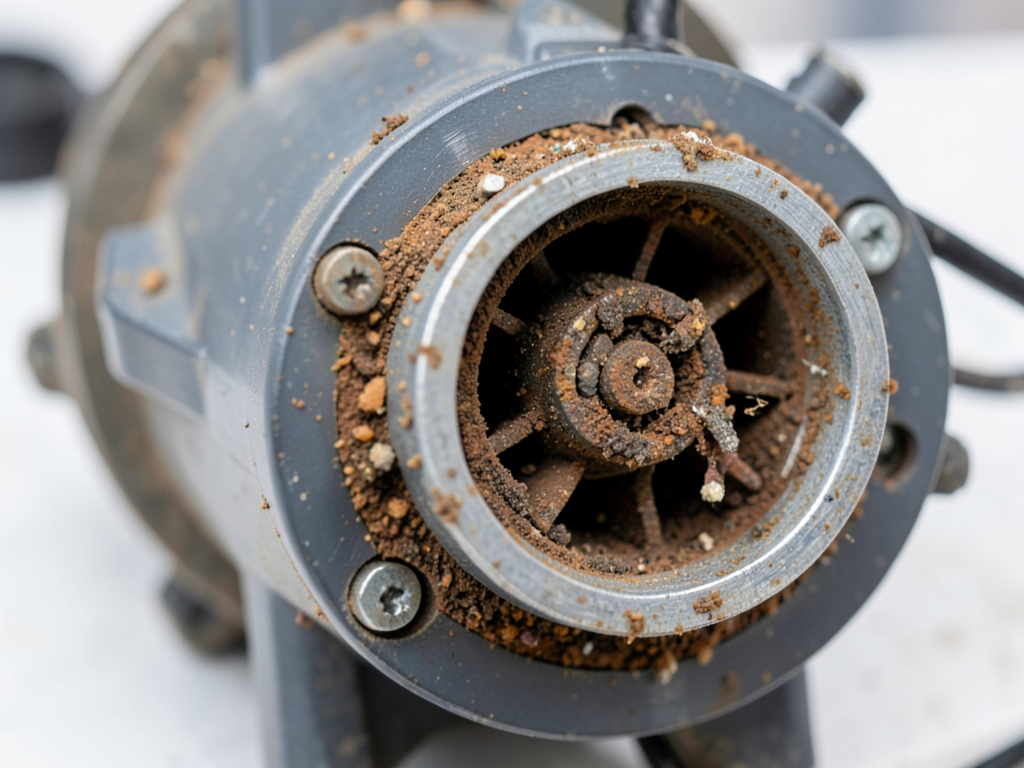
Memphis's hard water, fed through aging municipal lines and homes built decades ago, accelerates mineral buildup inside your faucet cartridges and valve seats. Calcium and magnesium deposits act like sandpaper on rubber washers, creating gaps where water escapes. The result is a constant dripping that wastes thousands of gallons each year.

A leaking spigot doesn't just cost you money. The moisture pools under sinks, saturating cabinet wood and drywall. In Memphis's humid climate, that trapped water becomes a breeding ground for mold within 48 hours. You might see warping along baseboards or smell that damp, musty odor before you realize the faucet water leak has been feeding it.

The valve stem inside most compression faucets wears out faster here because of the mineral load in our water supply. When that seal fails, water seeps past the packing nut even when the handle is fully closed. The drip starts slow, maybe one drop every ten seconds. Within months, it becomes a steady stream.

Every leaky faucet in your home is a small failure point that compounds over time. The longer you wait, the more expensive the fix becomes. What starts as a washer replacement turns into cartridge failure, then corroded valve body, then water damage restoration.

Why Memphis Homes Are Fighting a Losing Battle Against Leaky Faucets
How We Stop Leaks at the Source, Not Just the Symptom

How We Stop Leaks at the Source, Not Just the Symptom

Most homeowners assume a dripping tap needs a new washer. That works for maybe 30% of leaks. The other 70% require actual diagnosis.

We start by identifying your faucet type. Compression, cartridge, ball, or ceramic disc. Each has a different failure mode. Compression faucets use rubber washers that degrade. Cartridge faucets have O-rings that crack. Ball faucets have inlet seals that wear. Ceramic disc faucets rarely leak unless the disc itself is scratched or the inlet ports are clogged with sediment.

You cannot fix what you have not diagnosed. We disassemble the faucet assembly to inspect the valve seat, the cartridge, the aerator, and the supply line connections. We check for corrosion inside the spout body. We test water pressure at the fixture to rule out excessive line pressure, which forces water past even healthy seals.

If the valve seat is pitted or scored, replacing the washer does nothing. The rough surface tears the new washer within weeks. We resurface or replace the seat. If your cartridge has failed, we match the exact replacement part because generic cartridges do not seal properly in brand-specific housings.

We also inspect your shut-off valves under the sink. A leaking spigot can mask a failing supply line or angle stop. We trace the entire water path from the main line to the aerator, eliminating every weak point in sequence.

Ace Plumbing Memphis technicians carry the most common cartridge types, washers, and valve seats on every service truck. We fix the leak during the first visit, not after ordering parts for three days.

What Happens When You Call About a Leak

Dripping Faucets & Leaks in Memphis | Expert Diagnosis Stops Wasted Water and Hidden Damage
01

Visual and Pressure Inspection

We examine the faucet with the water running and again with it shut off. We check for leaks at the spout base, handle stem, and supply connections. We measure static water pressure at the fixture using a gauge to rule out pressure-induced leaks. If your water pressure exceeds 80 PSI, no seal will hold long term. We also inspect the aerator for sediment buildup that restricts flow and increases back pressure on the valve.
02

Disassembly and Component Testing

We shut off the water at the angle stop, remove the handle, bonnet nut, and cartridge or stem assembly. We inspect the valve seat for scoring or mineral deposits, test O-rings for cracks, and check the cartridge for free movement. If the cartridge sticks or binds, it will not seal completely when closed. We clean all threads, remove old plumber's grease and sediment, and evaluate whether parts need replacement or if cleaning and resealing will solve the issue.
03

Rebuild and Flow Test

We install new components, apply fresh plumber's grease to moving parts, and reassemble the faucet in reverse order. We turn the water back on slowly, checking for leaks at every connection point. We cycle the handle through full range of motion, testing hot and cold sides independently. We let the faucet sit in the closed position for five minutes while inspecting for any residual dripping. If the repair is solid, you will see zero leaks and smooth handle operation.

Why Memphis Homeowners Call Us First for Faucet Repairs

Memphis plumbing systems reflect decades of city expansion and infrastructure aging. Homes in Midtown and Cooper-Young feature galvanized pipes installed in the 1940s and 1950s, which corrode from the inside and dump rust particles into faucet cartridges. Newer construction in Cordova and Collierville runs PEX and copper, but the hard water still destroys valve seals faster than in soft-water cities.

We understand how local water chemistry interacts with faucet components. The Memphis Light, Gas and Water Division treats our water to meet federal standards, but it remains moderately hard. That mineral content etches valve seats and calcifies around cartridge ports. We stock parts that resist mineral buildup better than factory components.

Our technicians have repaired faucets in homes along Poplar Avenue, businesses in the Medical District, and historic properties in the Victorian Village. We know the plumbing signatures of different eras. If your home was built before 1980, chances are high your faucets use compression valves with replaceable seats. If your home was built after 2000, you likely have cartridge or ceramic disc faucets that require exact OEM parts.

We do not upsell you on whole-faucet replacements unless the body is cracked or the finish is corroded beyond repair. Most leaky faucets can be rebuilt for a fraction of replacement cost. We explain what failed, why it failed, and how long the repair will last given your water quality and usage patterns.

You get a clear answer on the first visit. No return trips to get parts. No vague diagnosis. Just a fixed faucet and a detailed explanation of what we found.

What You Can Expect From Our Faucet Leak Service

Response Time and Availability

We schedule same-day or next-day appointments for faucet leaks because we know that constant dripping wastes water and money. If your leak is severe enough to cause active flooding or has already damaged cabinetry, we can prioritize your call. Most faucet repairs take 45 to 90 minutes depending on faucet type and accessibility. We arrive with a fully stocked truck, so parts delays do not extend the job. You get a two-hour arrival window and a call 20 minutes before we arrive.

Diagnostic Process and Transparency

We explain what we find before we fix it. You see the worn washer, the corroded valve seat, or the cracked O-ring. We show you the old parts and explain how they failed. If your water pressure is too high, we will measure it and discuss whether a pressure-reducing valve would prevent future failures. If your water quality is causing accelerated wear, we discuss filtration or softening options. You never pay for work you do not understand or approve in advance.

Quality of Repair and Materials

We use OEM parts when available and high-grade aftermarket components when OEM is unavailable or discontinued. Cheap universal cartridges do not seal as well as brand-matched parts, so we avoid them. We torque connections to manufacturer specifications to prevent overtightening, which cracks plastic threads and warps rubber gaskets. When we leave, your faucet operates smoothly with zero drips. If a drip reappears within the warranty period, we return at no charge to correct it.

Follow-Up and Maintenance Guidance

We provide a written summary of what we repaired and recommendations for extending faucet life. If your water has high mineral content, we suggest aerator cleaning every six months and cartridge inspection annually. We explain warning signs that a faucet is failing, like reduced flow, sputtering, or handle stiffness. If multiple faucets in your home are leaking, that points to a water pressure or quality issue we can address system-wide. We offer maintenance plans that include annual faucet inspections and aerator cleaning to catch problems early.

Frequently Asked Questions

You Have Questions,
We Have Answers

How do I get my faucet to stop dripping? +

Turn off the water supply under the sink. Remove the faucet handle by unscrewing the set screw, usually hidden under a cap. Take out the cartridge or valve stem and inspect the rubber washers and O-rings. Replace any worn parts with exact matches from a hardware store. Reassemble and test. If you have a compression faucet, the seat washer is often the culprit. For ceramic disc or cartridge faucets, replace the entire cartridge. Memphis hard water accelerates wear on these components, so check them annually.

Can a dripping faucet cause a leak? +

Yes. A dripping faucet signals failing internal seals, which means water is escaping past worn components. While the drip itself is visible, water may also seep into the faucet body, corroding mounting hardware and rotting the cabinet below. In Memphis homes with older cast iron or galvanized pipes, the constant moisture creates ideal conditions for rust and mold growth. Over time, the leak can migrate behind walls or damage subfloors. What starts as an annoying drip can become a costly structural repair if ignored.

What is the most common cause of dripping faucets? +

Worn washers and O-rings cause most faucet drips. Every time you turn the handle, these rubber components compress against the valve seat to stop water flow. After thousands of cycles, they crack, flatten, or tear. Memphis hard water deposits mineral buildup on valve seats, creating an uneven surface that prevents proper sealing. Corroded valve seats also cause drips. In older compression faucets, the seat washer fails first. In newer cartridge or ceramic disc models, the entire cartridge assembly may need replacement.

How do I stop a constant dripping tap? +

Identify your faucet type first. Compression faucets need washer replacement. Cartridge faucets require a new cartridge. Ceramic disc faucets need seal replacement or full cartridge swap. Ball faucets need new seats and springs. Turn off the water supply, disassemble the handle, and inspect internal parts for wear. Replace damaged components with exact matches. Memphis water hardness means you may also need to clean mineral deposits from the valve seat with white vinegar before reassembly. Tighten all connections firmly but avoid overtightening, which cracks ceramic parts.

Why does a faucet still drip when the water is turned off? +

The internal seal has failed. When you turn the handle to off, a washer or cartridge should press against the valve seat to block water flow. If the seal is cracked, worn, or covered in mineral deposits, water sneaks past and drips from the spout. In Memphis, hard water creates calcium buildup on valve seats, preventing tight seals even with new washers. Sometimes the valve seat itself is corroded or pitted. You must either replace the worn seal or resurface the valve seat to stop the drip.

What does spraying WD-40 in a faucet do? +

WD-40 temporarily lubricates a sticky faucet handle but does not fix a drip. It may dissolve light mineral deposits or loosen a corroded cartridge, making disassembly easier. However, WD-40 is not a plumbing lubricant. It breaks down rubber seals over time, worsening leaks. Use silicone-based plumber's grease on O-rings and cartridges instead. If your Memphis faucet drips, spraying WD-40 only masks the problem for a few days. Replace the worn internal parts to fix the root cause of the drip.

What is the average cost to fix a dripping faucet? +

Repairing a dripping faucet typically involves replacing worn washers, O-rings, or cartridges. Parts cost between a few dollars for washers to around twenty dollars for cartridges. Labor depends on faucet type and access difficulty. Simple repairs take under an hour. Complex installations with corroded parts or hidden shutoff valves take longer. In Memphis, hard water damage often means additional cleaning or valve seat replacement. Costs vary based on faucet age, brand, and whether pipes need updating. Delaying repair wastes hundreds of gallons annually, raising your water bill.

How do I prevent future drips? +

Replace faucet components before they fail completely. Inspect washers and O-rings annually, especially in Memphis where hard water accelerates wear. Install a whole-house water softener to reduce mineral buildup on valve seats and cartridges. Avoid forcing handles closed, which crushes seals. Clean aerators quarterly to prevent backpressure that stresses internal parts. Replace old compression faucets with ceramic disc models that last longer. Turn off water supply lines when leaving town for extended periods to reduce pressure stress. Address small drips immediately before they damage cabinets or subfloors.

Should I call a plumber for a dripping faucet? +

Call a plumber if you lack tools, time, or confidence to disassemble the faucet correctly. If you have an older Memphis home with corroded shutoff valves or uncertain pipe materials, professional help prevents costly mistakes. Plumbers identify problems you might miss, like damaged valve seats or hidden leaks behind walls. They carry specialized tools for seized cartridges and frozen mounting nuts. If your drip persists after replacing washers or the faucet needs full replacement, hire a licensed plumber to ensure proper installation and prevent future leaks.

What is the dripping faucet theory? +

The dripping faucet theory, also called the Chinese water torture principle, describes how small, repetitive actions create significant cumulative effects. A single drip seems harmless, but thousands of drips daily waste gallons of water and drive up bills. In plumbing, it illustrates how minor neglect escalates into major damage. A slow drip rots cabinets, corrodes pipes, and breeds mold. In Memphis humidity, moisture damage spreads quickly. The theory reminds homeowners that small problems demand immediate attention before compounding into expensive repairs. Fix drips now to avoid bigger headaches later.

How Memphis Water Quality Shortens Faucet Lifespan

Memphis pulls its water from the Memphis Sand Aquifer, one of the cleanest underground water sources in the country. But clean does not mean soft. The aquifer water contains dissolved minerals, primarily calcium and magnesium, that leave deposits inside your faucet cartridges and on valve seats. Every time you turn the faucet on and off, mineral-laden water passes through tight seals and narrow ports. Over years, those minerals crystallize into scale that prevents proper sealing. The city treats the water to reduce hardness, but mineral content remains high enough to accelerate wear on compression washers and O-rings. A faucet that might last 15 years in a soft-water city often fails in eight to ten years here. Regular maintenance and using quality replacement parts helps offset the impact of our local water chemistry.

Ace Plumbing Memphis has been repairing dripping faucets and leaking spigots across Shelby County for years. We understand the plumbing infrastructure in neighborhoods from East Memphis to Germantown. We know which subdivisions still have galvanized supply lines that shed rust into faucets and which areas have newer PEX installations. Our technicians are familiar with the faucet brands common in Memphis homes, from builder-grade Delta and Moen fixtures to high-end Kohler and Grohe models in custom homes. When you call us, you get a plumber who has seen your exact faucet model dozens of times and knows its failure points. Local expertise matters because faucet repairs require matching the right parts to the right conditions, and nobody knows Memphis plumbing like a Memphis plumber.
Plumbing Services in The Memphis Area

We are proud to serve the entire Memphis area and its surrounding communities. Our convenient location allows us to provide rapid response times for all your plumbing needs, whether you're in the heart of the city or in the neighboring suburbs. We invite you to explore our service area and see how close our expert team is to you. We are always ready to help!

Address:
Ace Plumbing Memphis, 4628 Summer Ave, Memphis, TN, 38122

Additional Services We Offer

Our news updates

Latest Articles & News from The Blogs

How many years should your Bartlett sump pump actually last before it fails? If you live in Bartlett you already…

How many years should your Bartlett sump pump actually last before it fails?

How many years should your Bartlett sump pump actually last before it fails? If you live in Bartlett you already…

Why your soap won't lather and your skin stays dry in Olive Branch

If you live in Olive Branch and notice your soap barely lathers while your skin feels tight and itchy after…

Why PEX piping is less likely to burst during a Memphis freeze than traditional copper

Why PEX piping is less likely to burst during a Memphis freeze than traditional copper When Memphis temperatures drop below…

Contact Us

A leaky faucet wastes water, damages cabinets, and raises your monthly bill. Call Ace Plumbing Memphis now at (901) 640-3313 to schedule a same-day faucet repair. We diagnose the problem, fix it right, and stop the leak permanently.