




Menu

Commercial Sewer Line Repair in Memphis – Minimize Downtime and Restore Full Capacity Fast

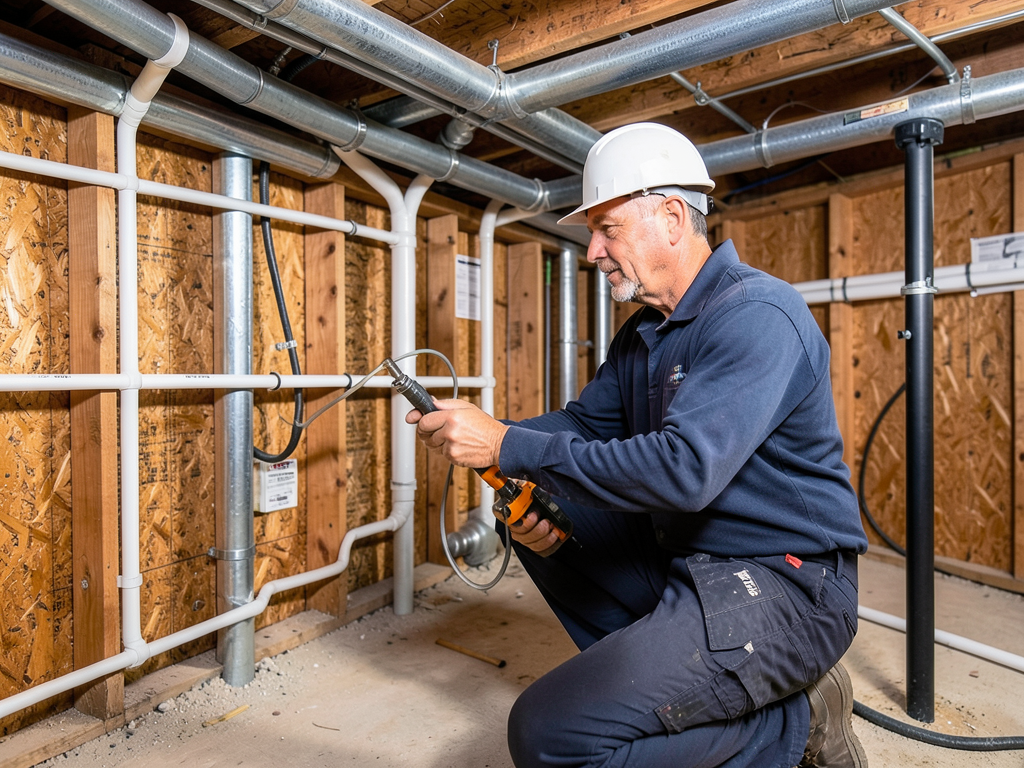
Memphis businesses depend on functional sewer systems to maintain operations. When commercial sewer lines fail, we deploy industrial-grade diagnostics and trenchless repair methods to restore flow quickly, prevent code violations, and keep your facility operational.

Slider Image 1
Slider Image 2
Slider Image 3
Slider Image 4
Slider Image 5
Slider Image 7
Slider Image 8
Slider Image 9
Slider Image 10
Slider Image 11

Why Commercial Sewer Lines Fail Faster in Memphis

Memphis sits on clay soil that expands when wet and contracts during dry periods. This constant movement creates stress points in underground commercial sewer mains, leading to joint separation, pipe bellies, and catastrophic failures. Your business sewer line is under constant pressure from this geological reality.

High-volume commercial facilities face additional strain. Restaurants discharge grease that solidifies in cooler sections of the line. Hotels and multi-tenant buildings generate wastewater surges that expose weak points in aging cast iron or Orangeburg pipe. Manufacturing operations introduce chemicals that degrade pipe interiors over time.

The Mississippi River's proximity keeps groundwater tables high across Shelby County. This hydrostatic pressure infiltrates cracked commercial sewer pipe through root intrusion points and corroded joints. You see the symptoms first: slow drains across multiple fixtures, sewage odors near floor drains, or wet spots in parking areas above the sewer main route.

Memphis Building Code requires commercial sewer systems to handle peak flow calculations based on fixture units. When your main line operates at reduced capacity due to scale buildup, root masses, or structural damage, you risk backflow events that violate health department standards. Industrial sewer line repair becomes urgent when operations depend on continuous wastewater removal.

Temperature swings between Memphis summers and winter freezes accelerate deterioration in shallow commercial lines. Older systems installed before modern depth requirements are especially vulnerable. The clay soil transmission combined with age-related pipe degradation means commercial sewer repair services cannot wait until complete failure occurs.

Why Commercial Sewer Lines Fail Faster in Memphis
Our Commercial Sewer Main Repair Methodology

Our Commercial Sewer Main Repair Methodology

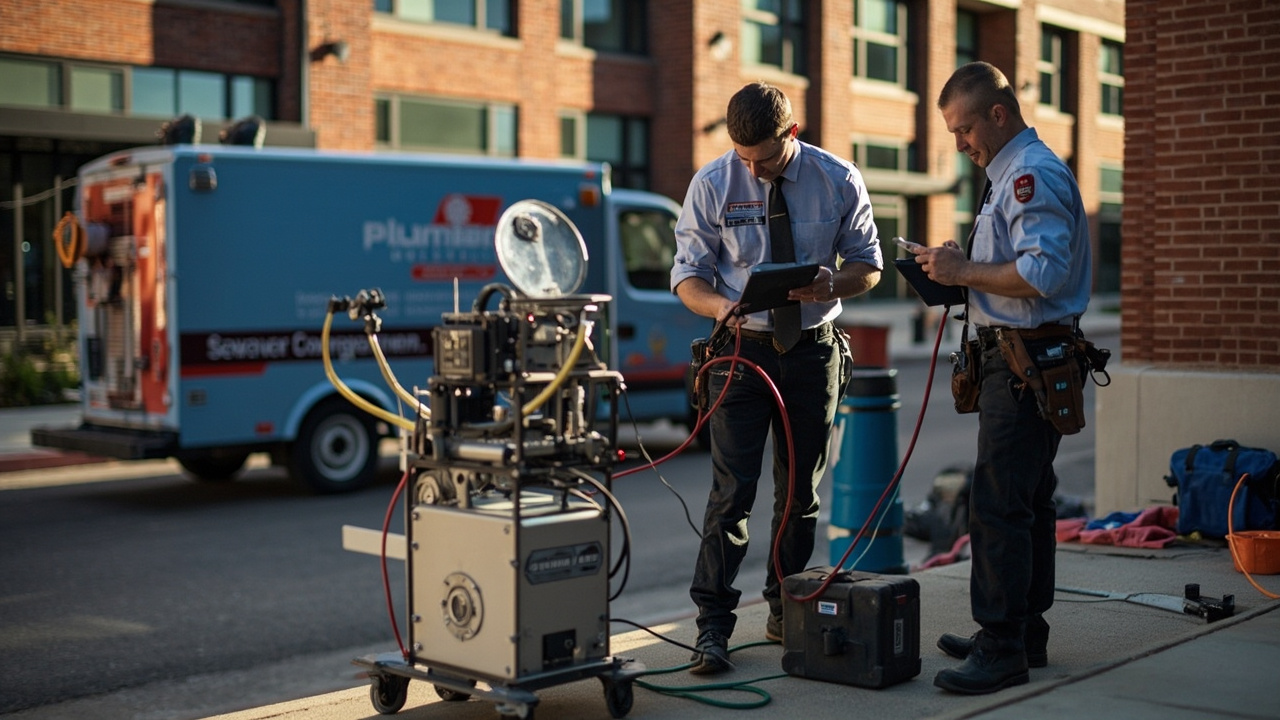
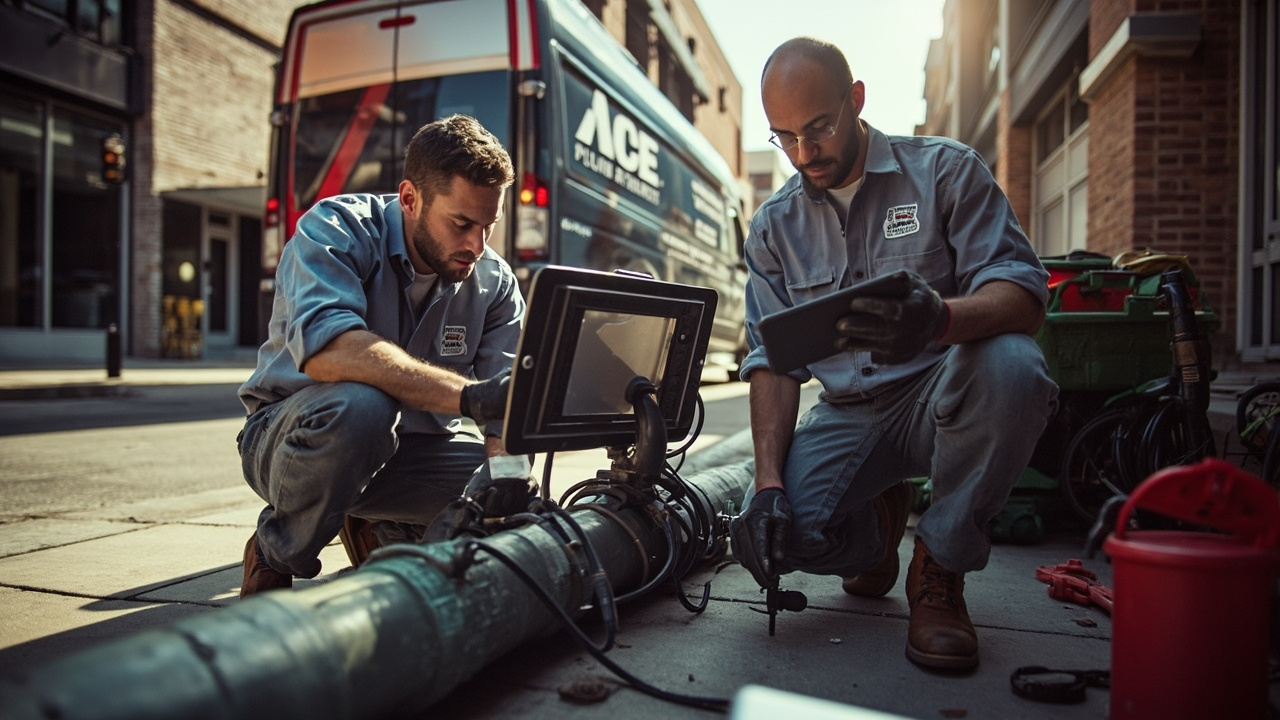
We start every commercial sewer pipe repair project with high-definition video inspection using push cameras rated for lines up to 12 inches in diameter. This camera work maps your entire system from the building connection to the municipal tie-in point. We identify offset joints, Grade II and Grade III defects per PACP standards, and measure remaining wall thickness in corroded sections.

For business sewer line repair that requires excavation, we coordinate utility locates through Memphis Light, Gas and Water and private locate services to map conflicting infrastructure. Our crews use hydrovac excavation to expose pipe sections without damaging adjacent utilities. This precision matters in congested commercial corridors where power, gas, water, and telecom lines run parallel to sewer mains.

Trenchless methods dominate our commercial approach when conditions allow. Pipe bursting replaces deteriorated lines by pulling a new HDPE pipe through the old route while fragmenting the existing pipe outward. Cured-in-place pipe lining installs a structural epoxy liner inside compromised sections, creating a new pipe within the old pipe. Both methods eliminate lengthy trench excavation that disrupts customer access and parking.

For industrial sewer line repair involving large-diameter mains, we deploy specialized equipment including vacuum trucks for continuous dewatering and trench boxes rated for depths exceeding 15 feet. Memphis soil conditions require proper shoring at depths beyond four feet per OSHA standards. We install new ductile iron or schedule 40 PVC based on flow calculations and local plumbing code requirements.

Every repair includes pressure testing before backfill and mandrel testing to verify no diameter restrictions exist. We document repairs with as-built drawings showing depth, material, and GPS coordinates for your facility records. This documentation proves invaluable during future property transactions or expansion projects.

How We Execute Commercial Sewer Repairs Without Halting Operations

Commercial Sewer Line Repair in Memphis – Minimize Downtime and Restore Full Capacity Fast
01

Emergency Bypass Setup

Before any repair work begins, we install temporary bypass pumping systems that route wastewater around the damaged section. This allows your facility to maintain normal operations during the repair. We size pump capacity to handle peak flow periods and monitor the system continuously. For multi-story buildings, we may install multiple bypass points to prevent backups in upper floors during the repair window.
02

Excavation and Replacement

Our crews excavate only the necessary footage to access failed pipe sections. We use laser levels to verify proper slope during replacement, maintaining the quarter-inch per foot minimum grade required by code. New pipe connections use fernco couplings or solvent weld joints depending on material. We compact backfill in eight-inch lifts and restore asphalt or concrete surfaces to match existing conditions. Traffic control and safety barriers protect workers and customers throughout the process.
03

Testing and Documentation

After installation, we perform low-pressure air testing or water testing per ASTM standards to verify leak-free joints. We remove the bypass system only after confirming full functionality of the new line. You receive video documentation of the completed repair, pressure test results, and material certifications required for building permits. This documentation package satisfies inspector requirements and provides proof of compliance for insurance and liability purposes. We coordinate final inspections with the Memphis Building Code Enforcement office.

Why Memphis Businesses Choose Ace Plumbing Memphis for Sewer Repairs

Commercial downtime costs you revenue every hour. We understand the difference between residential inconvenience and commercial liability. Our dispatch system prioritizes business emergencies, and we maintain equipment inventory specifically for large-diameter commercial work that most residential plumbers cannot handle.

Memphis commercial properties face specific compliance requirements. The Shelby County Health Department conducts inspections following any sewage-related incident. We document repairs to their standards and provide the certifications needed to avoid operating restrictions. Our familiarity with Memphis plumbing inspectors streamlines the permitting process, reducing delays that extend your repair timeline.

We work in coordination with your facility managers to minimize customer impact. Night and weekend scheduling allows repairs during low-occupancy periods. For restaurants and hospitality businesses, we understand health code implications and coordinate with inspectors to maintain operating permits throughout the repair process.

Our equipment fleet includes vacuum trucks, pipe bursting rigs, and CIPP lining equipment sized for commercial applications. We own our tools rather than renting them per job, which means faster mobilization when you need emergency service. The cost efficiency of owned equipment translates to more competitive pricing for your business sewer line repair.

Memphis clay soil requires specific backfill techniques to prevent future settling. We use controlled density fill in utility corridors and compact native soil to 95 percent standard proctor density in other areas. This attention to backfill prevents the pavement depressions that appear months after inferior repairs.

Local suppliers provide same-day material access. We maintain relationships with Ferguson, HD Supply, and local fabricators who stock commercial-grade pipe, fittings, and repair materials. This supply chain advantage prevents delays waiting for special-order components during your commercial sewer repair services project.

What Your Business Can Expect During Commercial Sewer Line Repair

Response Time and Scheduling

Emergency commercial calls receive priority dispatch. We arrive within two hours for active backups or sewage overflow situations. Non-emergency business sewer line repair gets scheduled within 48 hours of your call. We provide accurate time windows and call 30 minutes before arrival. For planned repairs requiring permits, we coordinate inspection schedules with Memphis Building Code Enforcement to prevent delays. Our project manager stays in contact throughout multi-day repairs, updating you on progress and addressing concerns immediately. We staff crews specifically for commercial work to avoid pulling technicians off your project for residential calls.

Initial Assessment Process

The first site visit includes complete video inspection of your commercial sewer main from building connection to municipal tie-in. We map all cleanout locations, measure pipe depth, and identify access constraints. You receive a detailed scope of work outlining repair options, material choices, and timeline estimates. We explain trenchless versus open-cut methods and help you understand cost versus disruption tradeoffs. For industrial facilities, we review your wastewater characteristics to ensure material compatibility. The assessment includes soil conditions, nearby utilities, and traffic control requirements. You get transparent pricing before work begins, with line-item breakdowns for labor, materials, equipment, and permit fees.

Quality Standards and Testing

Every commercial sewer pipe repair meets or exceeds Memphis plumbing code requirements. We use materials rated for commercial loading conditions and chemical exposure specific to your business type. All joints undergo pressure testing before backfill, and we video document the completed repair for your records. New installations include proper bedding material and compaction to prevent settling. We verify flow capacity through hydraulic calculations and confirm proper slope using laser levels. Surface restoration matches existing conditions, whether asphalt, concrete, or landscaping. Your facility receives written documentation of all testing results, material certifications, and inspection approvals. This paperwork satisfies insurance requirements and provides protection during future property transactions.

Maintenance and Prevention Programs

Following repair completion, we offer scheduled maintenance contracts that include quarterly video inspections and hydro-jetting service. These preventive programs identify developing problems before they cause operational disruptions. For restaurants, we provide grease trap monitoring and enzyme treatment programs that extend main line life. Multi-tenant properties benefit from tenant education about proper waste disposal to reduce service calls. We maintain detailed service histories for your property, tracking trouble spots and recommending upgrades during renovation projects. Emergency service contracts guarantee priority response for participants. The cost of preventive maintenance is substantially lower than emergency industrial sewer line repair during business hours when downtime impacts revenue.

Frequently Asked Questions

You Have Questions,
We Have Answers

Will insurance pay for sewer line replacement? +

Most commercial general liability policies exclude gradual wear or maintenance issues, which covers most sewer line failures. If the damage stems from a sudden, catastrophic event like a tree root intrusion or ground shift, you may have coverage. Memphis businesses should review their property insurance policy for underground utility riders. Document all damage immediately with camera inspections and photos. Submit claims with detailed repair estimates and evidence linking the damage to a covered peril. Denial rates are high for sewer lines, so consult your broker before assuming coverage. Budget for out-of-pocket repairs to avoid operational disruption.

Who is responsible for sewer repairs? +

Responsibility splits at the property line. Memphis businesses own and maintain all sewer lines from their building to the connection point at the city main, typically located under the street or alley. Memphis Light Gas and Water owns the main line itself. If your lateral line fails on private property, you pay. If the city main backs up into your system, MLGW handles it. Multi-tenant properties complicate this. Review your lease carefully. Landlords usually cover lines outside the building, while tenants handle interior drains. Get this in writing before signing commercial leases to avoid liability disputes.

Can sewer pipes be repaired without digging? +

Trenchless repair methods allow sewer line rehabilitation without excavating your parking lot or landscaping. Pipe lining uses epoxy resin to coat the interior, creating a seamless pipe within the old pipe. Pipe bursting replaces the line by pulling a new pipe through while fracturing the old one. Both minimize business disruption. Memphis clay soil often shifts and cracks traditional lines, making trenchless an attractive option for properties with mature trees or paved surfaces. Not every failure qualifies. Severe collapses or offset joints may still require excavation. Camera inspection determines the best approach for your situation.

Is relining sewer pipe worth it? +

Relining extends your sewer line lifespan 50 years for significantly less than full replacement. For Memphis commercial properties with aging cast iron or clay pipes showing minor cracks or root intrusion, relining offers strong ROI. You avoid tearing up asphalt, disrupting customer access, or damaging landscaping. The cured epoxy liner resists corrosion and root penetration better than original materials. However, relining reduces pipe diameter slightly and cannot fix collapsed sections or pipes with severe offset joints. If your line has 20 years of useful life remaining and shows minimal damage, relining prevents future failures cost-effectively.

What is the average lifespan of a sewer line? +

Cast iron sewer lines last 50 to 75 years under normal conditions. Clay pipes, common in older Memphis commercial districts, reach 50 to 60 years. PVC lines, installed since the 1970s, can exceed 100 years. Memphis soil conditions accelerate degradation. Expansive clay soil shifts during wet and dry cycles, stressing joints and causing separations. Tree roots from mature oaks and willows aggressively infiltrate older lines seeking moisture. High water tables in low-lying areas near the Mississippi River increase external pressure on pipes. If your building predates 1980 and has never had line work, plan for inspection and potential replacement.

Is sewer line insurance tax deductible? +

Sewer line insurance premiums and repairs are tax deductible as ordinary business expenses. Commercial property owners deduct these costs on Schedule E or as operating expenses on business tax returns. Repairs that restore the line to its original condition qualify as deductible expenses in the year incurred. Full replacements that extend lifespan significantly may require depreciation over multiple years. Memphis businesses should separate sewer repair costs from general property improvements in accounting records. Consult your CPA to classify expenses correctly. The deduction reduces taxable income, lowering your overall liability and improving ROI on necessary infrastructure maintenance.

What happens if you have a broken sewer line? +

A broken main sewer line halts business operations immediately. Raw sewage backs up into floor drains, restrooms, and sinks, creating health code violations and forcing closures. Memphis Health Department can red-tag your facility until repairs complete. Contaminated water damages inventory, equipment, and finishes. Odors drive away customers and employees. Underground leaks saturate soil, destabilizing foundations and pavement. Prolonged leaks attract rats and create sinkholes in parking areas. Every hour of delay increases liability exposure and lost revenue. Emergency repairs cost more but prevent catastrophic secondary damage. Address breaks immediately to minimize downtime and protect your commercial property investment.

How to tell if the main sewer line is broken? +

Multiple slow drains across your facility signal main line blockage or breakage. Gurgling sounds from floor drains when flushing toilets indicate air displacement from a compromised line. Sewage backups in lower-level drains suggest the main line cannot handle flow. Inspect your property exterior for unexplained wet spots, lush grass patches, or settling pavement. Foul odors near the building perimeter indicate leaking sewage. Memphis properties with mature trees often experience root intrusion that cracks pipes. Schedule a camera inspection if you notice any combination of these symptoms. Early detection prevents emergency failures during peak business hours and reduces repair costs significantly.

Is the Hoa responsible for sewer lines? +

HOA responsibility depends on your governing documents and local Memphis ordinances. Typically, the HOA maintains common area lines serving multiple units, while individual owners handle laterals from their building to the main connection. Mixed-use developments blur these lines. Review your Declaration of Covenants carefully. Memphis properties built before 1990 often lack clear delineation. If your commercial unit shares a line with other businesses, the HOA likely covers repairs until the line branches to serve only your space. Get written clarification before assuming coverage. Disputes over responsibility delay repairs and escalate costs when emergency failures occur.

How much does it cost to repair an underground pipe? +

Underground pipe repair costs vary based on depth, access, and method. Trenchless repairs start lower than excavation because they avoid restoration costs for pavement, landscaping, and utilities. Full excavation and replacement increases costs when lines run under parking lots or building foundations. Memphis clay soil complicates digging and may require shoring to prevent trench collapse. Depth matters. Lines deeper than eight feet require specialized equipment. Permit fees, traffic control for street work, and disposal of contaminated soil add expenses. Request itemized estimates from multiple contractors. Focus on long-term value and minimal business disruption rather than lowest bid for critical infrastructure repairs.

Memphis Clay Soil and Commercial Sewer Line Vulnerability

The Memphis area sits on Loring and Memphis soil series, both heavy clay formations that undergo significant volume changes with moisture content. When saturated, these soils can expand up to 15 percent, exerting lateral pressure on rigid sewer pipes. During drought periods, the same soil shrinks and creates voids around pipe sections. This cycle of expansion and contraction causes joint separation in clay pipe and creates stress fractures in cast iron mains. Commercial properties with large roof areas concentrate stormwater infiltration, accelerating soil movement near building perimeters where main lines typically route. Older commercial districts along Union Avenue and Poplar Avenue contain sewer infrastructure installed before modern bedding requirements, making these lines especially susceptible to soil-related failures.

Ace Plumbing Memphis maintains relationships with local inspectors and understands permit requirements specific to Shelby County commercial work. We coordinate with Memphis Area Transit Authority when repairs affect bus routes, and we work within Tennessee Department of Transportation right-of-way rules for commercial properties along state highways. Our technicians recognize the difference between pre-1970 Orangeburg pipe common in Midtown commercial buildings and modern PVC installations in newer developments like Cordova business parks. This local knowledge prevents misdiagnosis and ensures repairs address root causes rather than symptoms. We understand peak flow demands during Beale Street events, Memphis in May activities, and FedExForum events that stress nearby commercial sewer systems.
Plumbing Services in The Memphis Area

We are proud to serve the entire Memphis area and its surrounding communities. Our convenient location allows us to provide rapid response times for all your plumbing needs, whether you're in the heart of the city or in the neighboring suburbs. We invite you to explore our service area and see how close our expert team is to you. We are always ready to help!

Address:
Ace Plumbing Memphis, 4628 Summer Ave, Memphis, TN, 38122

Additional Services We Offer

Our news updates

Latest Articles & News from The Blogs

Is it worth upgrading to a cast iron drain pipe for a quieter home in Midtown? Living in a Midtown…

Is it worth upgrading to a cast iron drain pipe for a quieter home in Midtown?

Is it worth upgrading to a cast iron drain pipe for a quieter home in Midtown? Living in a Midtown…

Deciding between a salt based water softener and a descaler for your Desoto County home

Understanding Your Hard Water Challenge in Desoto County Your Desoto County home faces a specific hard water problem. The Memphis…

Why you might want an irrigation only water meter to save money in Germantown

Why you might want an irrigation only water meter to save money in Germantown Germantown homeowners with large lawns often…

Contact Us

Commercial sewer problems escalate quickly. Contact Ace Plumbing Memphis at (901) 640-3313 for immediate assessment. We provide 24-hour emergency response and competitive pricing for planned repairs. Keep your business operational while we handle the underground work.