



Menu

Your Complete Plumbing Inspection Checklist in Memphis – Catch Expensive Problems Before They Start

A thorough home plumbing inspection list helps Memphis homeowners identify hidden leaks, outdated fixtures, and failing supply lines before they cause water damage or costly emergency repairs.

Slider Image 1
Slider Image 2
Slider Image 3
Slider Image 4
Slider Image 5
Slider Image 7
Slider Image 8
Slider Image 9
Slider Image 10
Slider Image 11

Why Memphis Homes Need Regular Plumbing System Inspections

Memphis sits on clay soil that expands and contracts with moisture changes. This constant shifting puts stress on underground supply lines and sewer laterals. Add the humid subtropical climate, and you face accelerated corrosion on galvanized pipes, early deterioration of rubber washers, and mineral buildup inside water heaters.

The Mississippi River Valley brings hard water loaded with calcium and magnesium. These minerals accumulate inside pipes, reducing water pressure and shortening the life of fixtures. A residential plumbing checkup list addresses these location-specific threats before they escalate.

Most Memphis homes built before 1990 contain older plumbing materials. Polybutylene supply lines fail without warning. Cast iron drain stacks corrode from the inside out. Galvanized steel pipes develop pinhole leaks. A preventative plumbing maintenance checklist catches these aging components while you can still plan repairs on your timeline, not at three in the morning when a pipe bursts.

Water damage claims cost Memphis homeowners thousands every year. A systematic plumbing maintenance checklist identifies vulnerable points in your system. You find slow leaks behind walls before mold takes hold. You spot a failing water heater before it floods your garage. You discover sewer line issues before raw sewage backs up into your basement.

The goal is simple: find problems while they are cheap to fix. A comprehensive home plumbing inspection list turns surprise emergencies into planned maintenance. You control the timing. You control the cost.

Why Memphis Homes Need Regular Plumbing System Inspections
What a Professional Plumbing Inspection Covers

What a Professional Plumbing Inspection Covers

A plumbing system inspection guide breaks your home into five zones: water supply, drainage, fixtures, water heating, and exterior components. Each zone gets individual attention because different materials fail in different ways.

Water supply inspection starts at the meter and follows every branch line. Technicians check static pressure, look for pressure drops that signal hidden leaks, and test shutoff valves. They inspect exposed pipes for corrosion, verify proper support spacing, and check for illegal cross-connections between potable water and non-potable sources.

Drain and waste lines get camera inspection when needed. A sewer camera travels through your main line to identify root intrusion, bellied sections where water pools, and cracks that let groundwater seep in. Branch drains get flow tested. Vent stacks are checked for blockages that cause slow drainage and sewer gas infiltration.

Fixture inspection covers toilets, faucets, showerheads, and hose bibs. Technicians check for worn flappers, corroded valve seats, and loose mounting hardware. They test water pressure at each fixture and look for signs of past leaks around escutcheons and under cabinets.

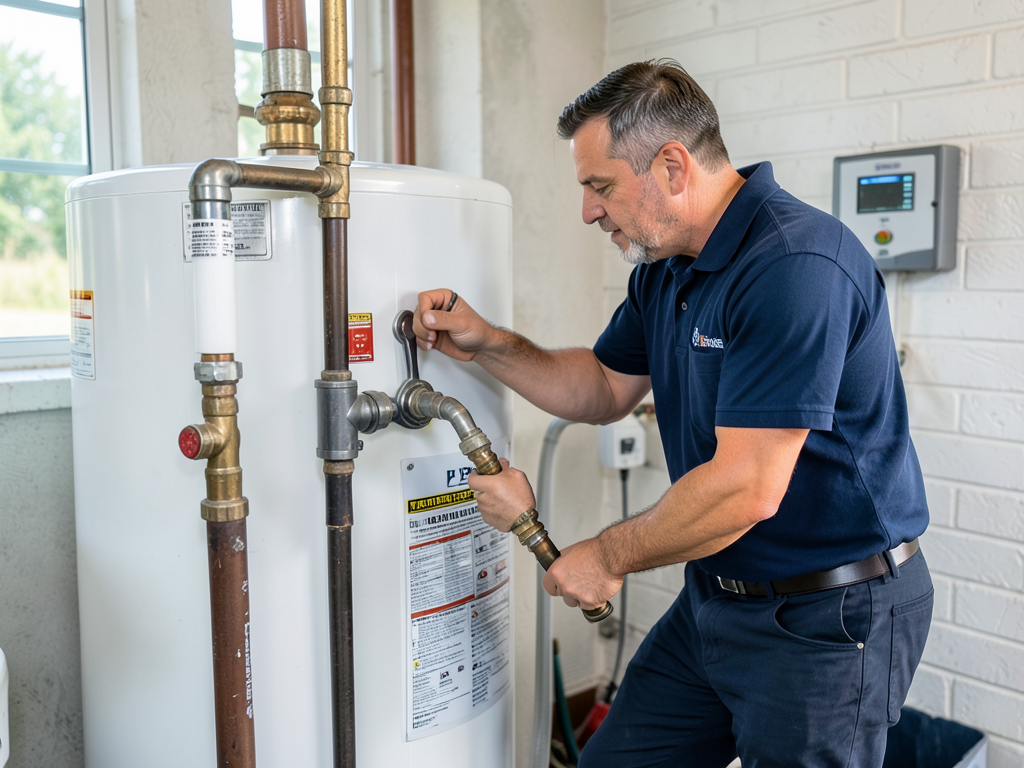
Water heater inspection includes checking the anode rod, testing the temperature and pressure relief valve, inspecting the flue draft on gas units, and measuring sediment accumulation in the tank. This single component causes more water damage claims than any other plumbing fixture.

Exterior inspection examines hose bibs for freeze damage, checks sewer cleanouts for proper access, and verifies that yard drains flow away from the foundation. In Memphis, clay soil movement can crack underground lines, so technicians look for settling patterns and unusual wet spots in your yard.

How the Inspection Process Works

Your Complete Plumbing Inspection Checklist in Memphis – Catch Expensive Problems Before They Start
01

Visual and Physical Assessment

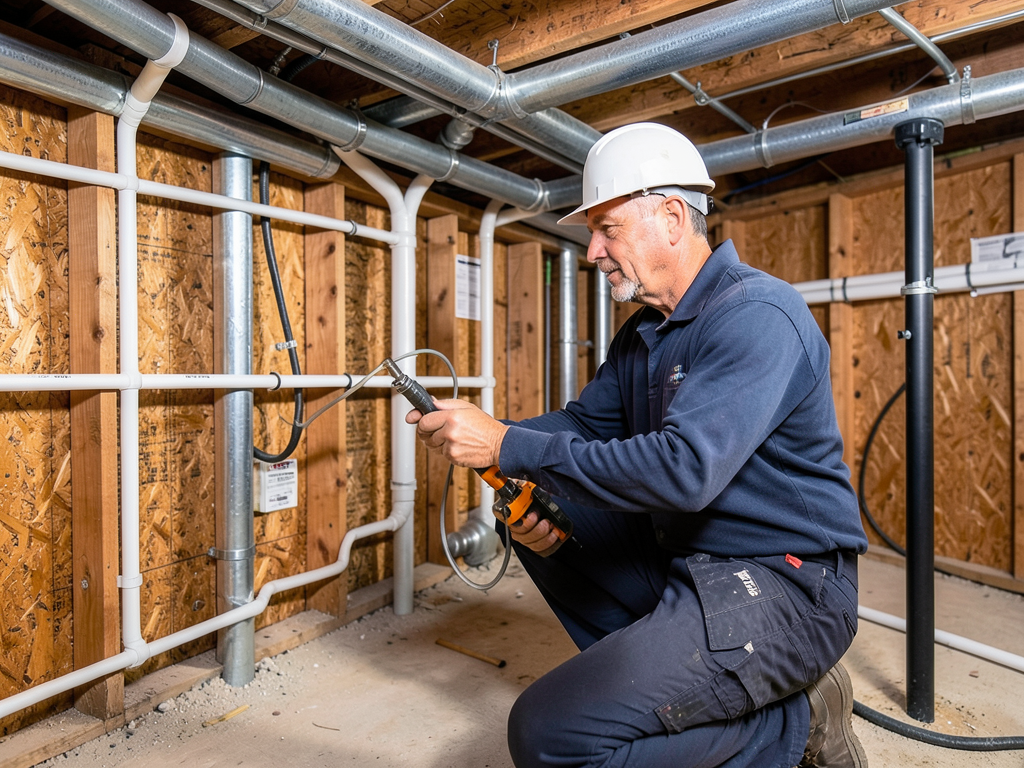
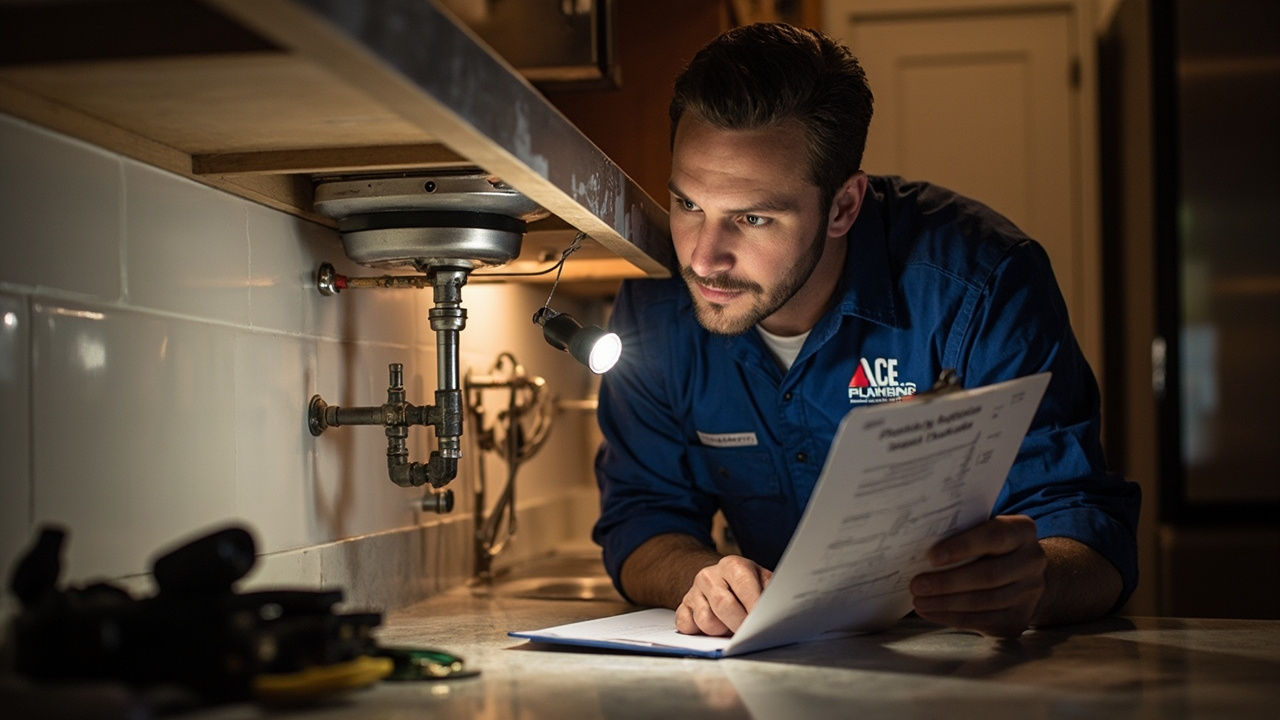
The inspection starts with accessible areas. Technicians examine exposed supply lines, drain pipes, and fixture connections. They check water pressure at multiple fixtures, test shutoff valves, and look for corrosion patterns. They inspect crawl spaces and basements for signs of moisture intrusion. This phase identifies obvious problems and determines which areas need deeper investigation.
02

Diagnostic Testing and Documentation

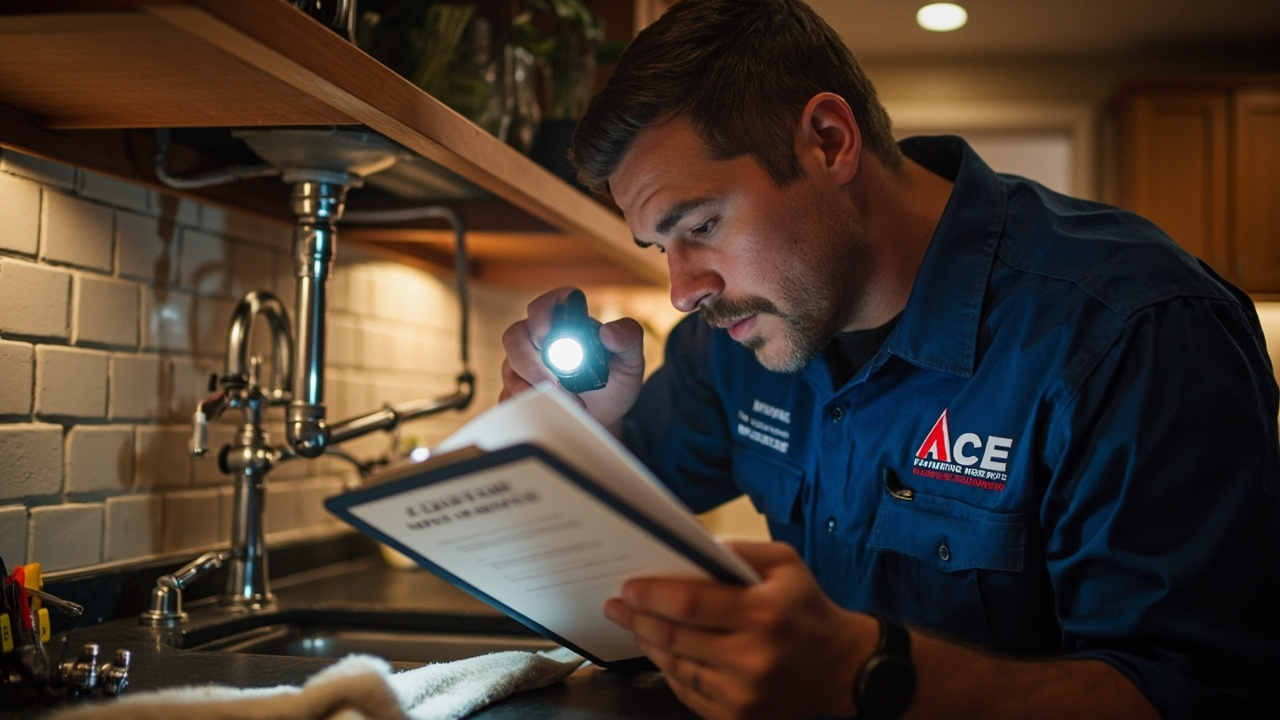
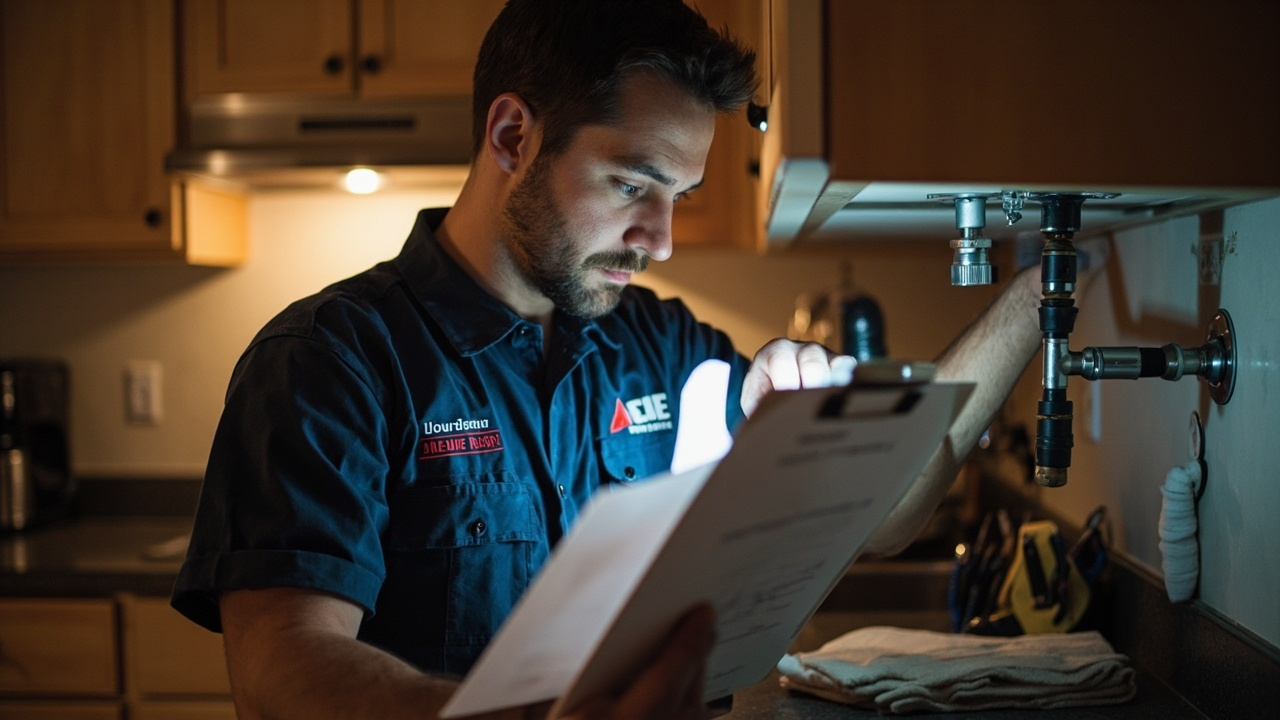
Advanced diagnostics follow the visual inspection. Sewer cameras examine drain lines. Pressure testing isolates hidden leaks. Thermal imaging detects moisture behind walls. Water quality testing measures hardness and identifies contaminants. Each finding gets documented with photos and notes. This creates a detailed record of your system's current condition and establishes a baseline for future comparisons.
03

Prioritized Recommendations and Planning

You receive a written report that categorizes findings by urgency. Critical issues need immediate attention. Important repairs should happen within months. Maintenance items can wait but require monitoring. Each recommendation includes an explanation of why it matters, what happens if you delay, and how the repair prevents bigger problems. This report becomes your roadmap for maintaining your plumbing system.

Why Memphis Homeowners Trust Ace Plumbing Memphis

Memphis plumbing faces challenges that plumbers from other regions might miss. We understand how clay soil affects underground lines. We know which neighborhoods have polybutylene supply lines and which areas deal with particularly hard water. We recognize the warning signs of cast iron corrosion common in homes from the 1950s through 1970s.

Local building codes dictate specific requirements for plumbing installations and repairs. Ace Plumbing Memphis stays current on these regulations. We know what work requires permits, how inspections are scheduled, and what the city expects for compliance. This knowledge keeps your property up to code and protects your investment.

Our technicians carry professional-grade diagnostic equipment. Sewer cameras reach hundreds of feet into drain lines. Electronic leak detection equipment pinpoints hidden water loss without destroying walls. Thermal cameras reveal moisture patterns invisible to the naked eye. This technology finds problems that visual inspection alone would miss.

We focus on education, not sales pressure. After your inspection, we explain every finding in plain language. We answer questions about how different repairs prevent future damage. We help you understand which items are urgent and which can wait. The decision about what to fix and when stays with you.

Memphis residents often inherit plumbing problems when they buy older homes. Previous owners patch symptoms instead of fixing root causes. We help you understand what is truly wrong with your system and create a realistic plan for addressing it. Many clients start with the most critical repairs and address other items over time as their budget allows.

Our relationship with Memphis homeowners does not end when the inspection is complete. We provide maintenance reminders, answer follow-up questions, and remain available when you are ready to tackle the next item on your checklist.

What to Expect from Your Plumbing Inspection

Inspection Timeline and Scheduling

A complete residential plumbing inspection takes two to four hours depending on your home's size and plumbing complexity. Larger homes with multiple bathrooms and extensive crawl spaces require more time. Homes with accessibility issues take longer to inspect thoroughly. We schedule inspections at your convenience, including evenings and weekends. You receive a detailed written report within 24 hours of the inspection. The report includes photos, diagnostic results, and prioritized recommendations. If we discover critical issues during the inspection, we inform you immediately so you can make quick decisions about necessary repairs.

Comprehensive System Evaluation

The evaluation covers every accessible component of your plumbing system. Technicians inspect supply lines from the meter to every fixture. They examine drain lines, vent stacks, and sewer connections. They test water pressure, check shutoff valves, and verify proper drainage. Water heaters get special attention because they fail catastrophically. Technicians inspect the tank, test safety devices, and measure sediment accumulation. They look for code violations, improper installations, and DIY repairs that create future problems. The evaluation identifies components nearing the end of their service life so you can plan replacements before failures occur.

Clear, Actionable Results

Your inspection report organizes findings into three categories: critical, important, and maintenance. Critical issues pose immediate risks like active leaks or dangerous gas connections. Important items need attention within months to prevent damage or system failure. Maintenance recommendations improve efficiency or extend equipment life. Each finding includes a clear explanation of the problem, why it matters, and what repair involves. You get honest information about what needs immediate action and what can wait. The report gives you the knowledge to make informed decisions about your plumbing system and budget for necessary repairs on your schedule.

Ongoing Support and Follow-Up

Your inspection creates a baseline record of your plumbing system's condition. We recommend annual inspections to track changes and catch new problems early. Between inspections, we provide maintenance reminders based on your specific equipment and home age. You can call with questions about your report or concerns about new symptoms. When you are ready to address repair items, we provide detailed quotes with no surprises. Many homeowners tackle critical repairs immediately and schedule other items over the following months as budget allows. This approach spreads costs while protecting your home from the most serious threats first.

Frequently Asked Questions

You Have Questions,
We Have Answers

What does a plumbing inspection consist of? +

A plumbing inspection examines your entire water supply and drainage system for leaks, corrosion, and code violations. The plumber checks water pressure, tests shut-off valves, inspects exposed pipes for damage, and evaluates fixtures like faucets and toilets. They examine your water heater for sediment buildup and proper venting. In Memphis homes, inspectors pay close attention to galvanized pipes common in older properties and foundation issues caused by clay soil expansion. The inspector also looks at drain lines using cameras if needed, checks for proper venting, and verifies backflow prevention devices work correctly. You receive a detailed report identifying problems and recommended repairs.

What are the 5 main items you should inspect for at a drain detail? +

At a drain detail, inspect five critical areas. First, check the drain connection for secure fittings and proper sealing to prevent leaks. Second, verify the slope meets code requirements, typically one-quarter inch per foot for proper drainage. Third, examine the trap configuration to ensure it holds water and blocks sewer gases. Fourth, look for blockages or slow drainage that signal buildup or obstruction. Fifth, inspect vent termination to confirm adequate airflow prevents suction problems. In Memphis, clay soil shifts can affect drain alignment, so checking for separation or misalignment at connection points is particularly important during any inspection.

What should be included in the inspection checklist? +

A comprehensive plumbing inspection checklist should cover water supply lines, drainage systems, fixtures, water heaters, and gas lines if present. Include checks for leaks, water pressure testing, valve functionality, pipe material condition, and corrosion signs. Examine all visible plumbing under sinks, in crawl spaces, and basements. Test toilets for leaks and proper flushing. Inspect water heater age, temperature settings, and relief valve operation. Check outdoor hose bibs and irrigation systems. For Memphis properties, add inspection items for foundation movement impact on pipes, proper winterization of outdoor fixtures, and sump pump operation if applicable. Document all findings with photos and prioritize repairs.

What are the 5 essentials of a quality control checklist? +

A quality control checklist for plumbing requires five essential elements. First, clear identification of each inspection point with specific location details. Second, measurable criteria that define pass or fail conditions, not subjective opinions. Third, designated responsibility showing who performs each check and when. Fourth, documentation requirements including photos, measurements, and test results for accountability. Fifth, corrective action protocols that outline next steps when deficiencies appear. The checklist must be reproducible so different inspectors reach consistent conclusions. In commercial plumbing work throughout Memphis, these standards protect both the contractor and property owner by creating verifiable proof of proper installation and testing completion.

How Memphis Water Quality Affects Your Plumbing System

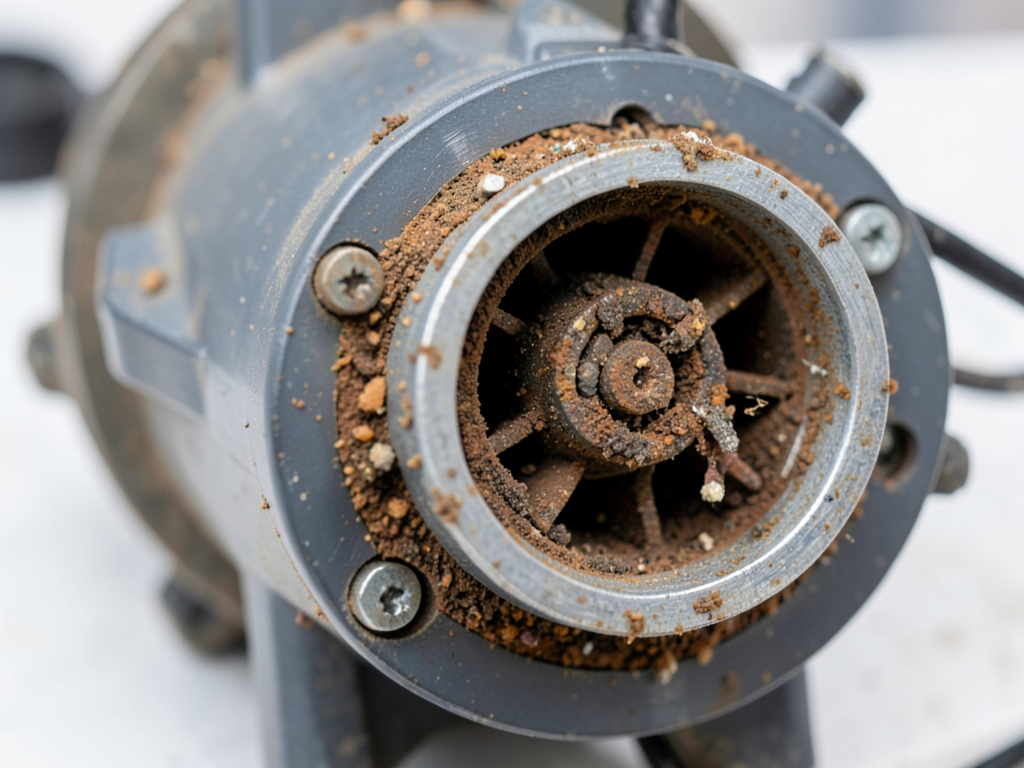
Memphis Light Gas and Water draws from the Memphis Sand Aquifer, one of the purest water sources in the country. The water is naturally hard, containing dissolved minerals that accumulate inside pipes and fixtures. These minerals reduce water pressure over time, damage water heater elements, and leave white deposits on faucets. A residential plumbing checkup list for Memphis homes includes specific attention to mineral buildup patterns. Technicians check for scale accumulation in water heaters, reduced flow from clogged aerators, and premature failure of fixtures exposed to hard water. The preventative plumbing maintenance checklist addresses these mineral-related issues before they require complete fixture replacement.

Memphis plumbers understand the specific challenges local water creates. We recognize which fixtures fail first under hard water conditions. We know how often water heaters need flushing to prevent sediment damage. We understand which materials resist mineral buildup better than others. This local knowledge helps us create accurate home plumbing inspection lists that address problems specific to Memphis water chemistry. When you work with Ace Plumbing Memphis, you benefit from experience with thousands of local homes facing identical water quality challenges. We do not just follow a generic plumbing system inspection guide. We apply specialized knowledge about how Memphis conditions affect your plumbing.
Plumbing Services in The Memphis Area

We are proud to serve the entire Memphis area and its surrounding communities. Our convenient location allows us to provide rapid response times for all your plumbing needs, whether you're in the heart of the city or in the neighboring suburbs. We invite you to explore our service area and see how close our expert team is to you. We are always ready to help!

Address:
Ace Plumbing Memphis, 4628 Summer Ave, Memphis, TN, 38122

Additional Services We Offer

Our news updates

Latest Articles & News from The Blogs

How many years should your Bartlett sump pump actually last before it fails? If you live in Bartlett you already…

How many years should your Bartlett sump pump actually last before it fails?

How many years should your Bartlett sump pump actually last before it fails? If you live in Bartlett you already…

Why your soap won't lather and your skin stays dry in Olive Branch

If you live in Olive Branch and notice your soap barely lathers while your skin feels tight and itchy after…

Why PEX piping is less likely to burst during a Memphis freeze than traditional copper

Why PEX piping is less likely to burst during a Memphis freeze than traditional copper When Memphis temperatures drop below…

Contact Us

Find hidden problems before they become expensive emergencies. Call Ace Plumbing Memphis at (901) 640-3313 to schedule your comprehensive plumbing system inspection. Get a detailed report, honest answers, and a clear plan for protecting your home.