




Menu

Sediment Buildup in Pipes in Memphis – Expert Diagnosis and Permanent Solutions

Get a complete diagnostic inspection to pinpoint the exact cause of your sediment buildup in pipes, then experience targeted solutions that restore full water flow and pressure throughout your Memphis home.

Slider Image 1
Slider Image 2
Slider Image 3
Slider Image 4
Slider Image 5
Slider Image 7
Slider Image 8
Slider Image 9
Slider Image 10
Slider Image 11

Why Memphis Water Creates Stubborn Sediment Problems

You turn on your faucet and the water pressure feels weak. You notice brown or rust-colored water after being away for a few days. Your water heater makes popping or rumbling sounds. These are the warning signs of sediment buildup in pipes, and Memphis residents face this problem more than most.

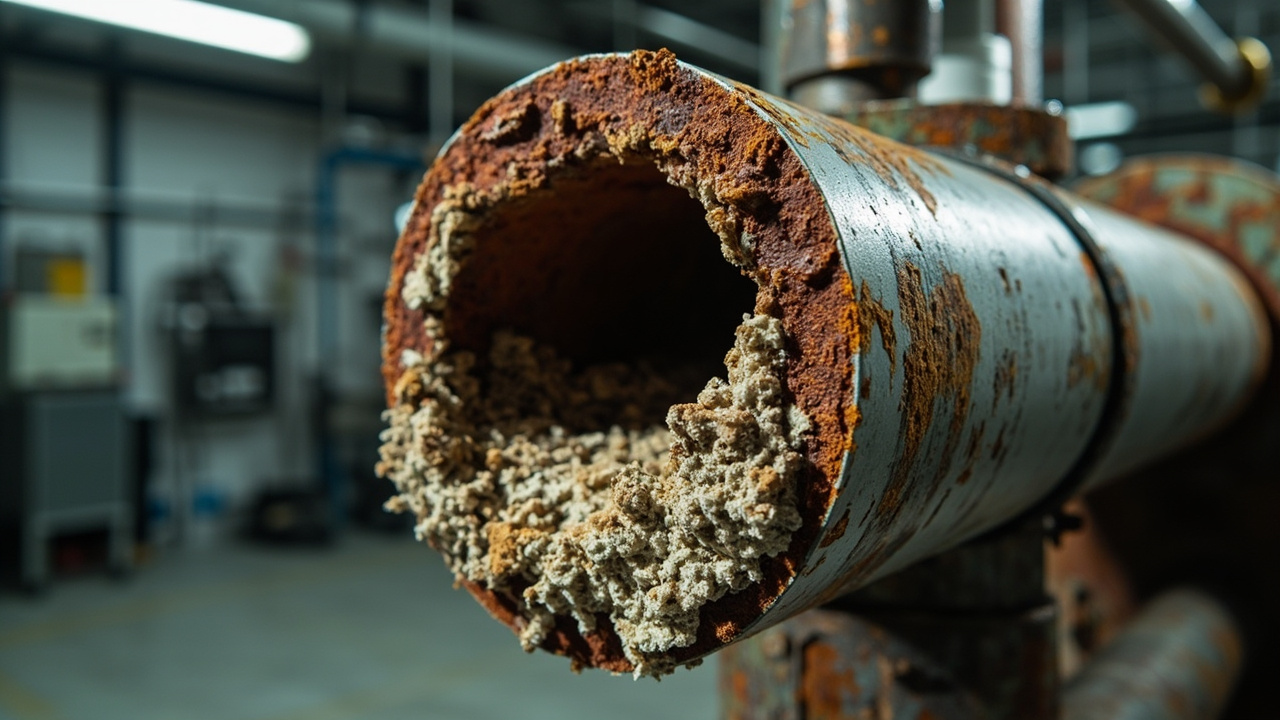
Memphis draws its municipal water from the Memphis Sand Aquifer, one of the purest natural water sources in the country. But pure does not mean mineral-free. The aquifer contains dissolved minerals, primarily calcium and magnesium, that create hard water conditions across Shelby County. As water sits in your pipes, these minerals precipitate out and form mineral deposits in water pipes that accumulate over time.

The problem intensifies in older neighborhoods like Cooper-Young, Midtown, and the historic districts near Overton Park, where galvanized steel pipes from the 1940s and 1950s still serve many homes. These aging pipes develop rough interior surfaces that accelerate calcium buildup in water lines. The rough spots act as nucleation sites where limescale accumulation in plumbing grows rapidly.

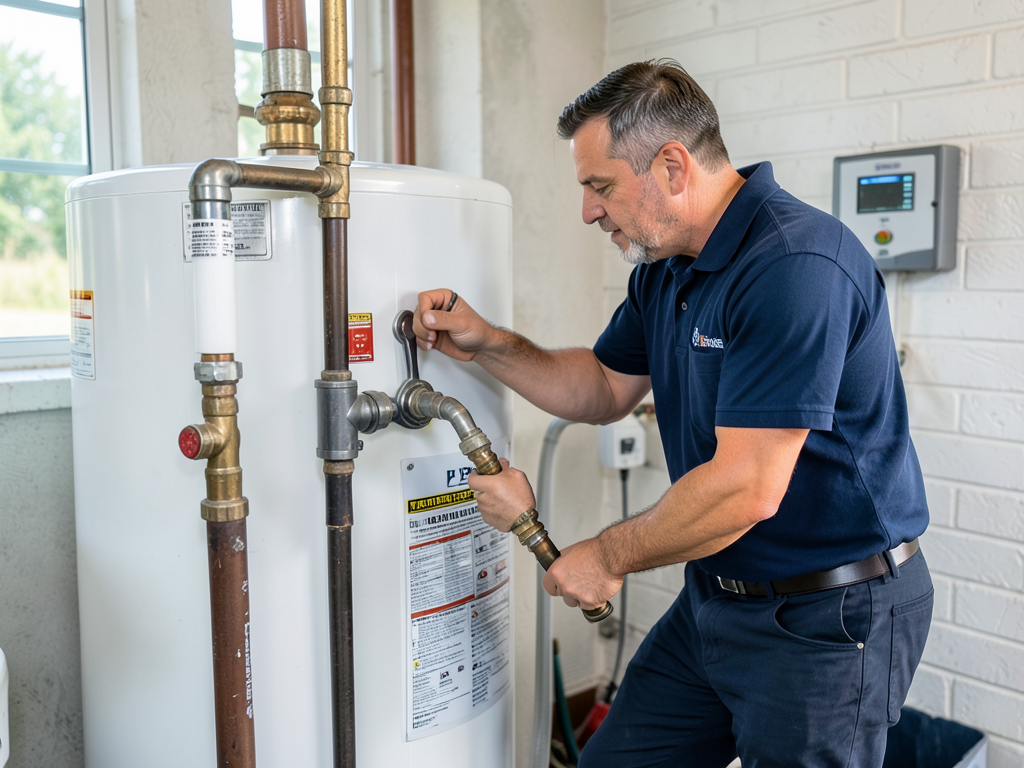
Water heaters face the worst of it. Memphis water typically measures 7 to 12 grains per gallon of hardness. At temperatures above 140 degrees, hard water pipe scaling happens fast. The sediment settles at the bottom of your tank, reducing efficiency and capacity. That rumbling sound you hear is water trapped beneath the sediment layer, boiling and trying to escape.

Pipe calcification problems affect more than just flow. Sediment harbors bacteria. It corrodes pipes from the inside. It clogs fixture aerators and showerheads. Left alone, it leads to pinhole leaks and complete pipe failure.

Why Memphis Water Creates Stubborn Sediment Problems
How We Clear Sediment and Restore Your Plumbing System

How We Clear Sediment and Restore Your Plumbing System

Most plumbers treat sediment buildup like a simple flush job. They drain your water heater, maybe run some water through the system, and call it done. That approach misses the root cause and leaves most of the sediment behind.

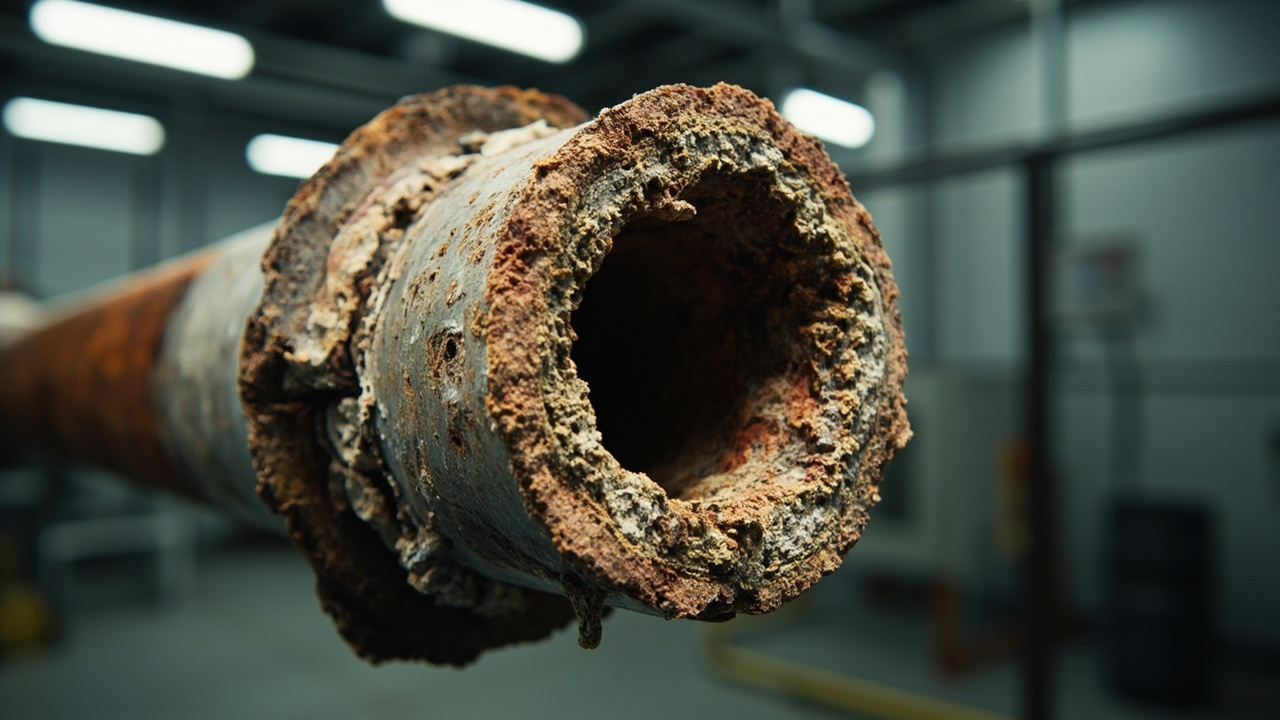
We start with a video camera inspection of your main water lines. This reveals exactly where sediment has accumulated, how severe the buildup is, and whether your pipes show signs of corrosion or failure. In homes built before 1970, we find sediment deposits up to half an inch thick in horizontal runs where water flow slows.

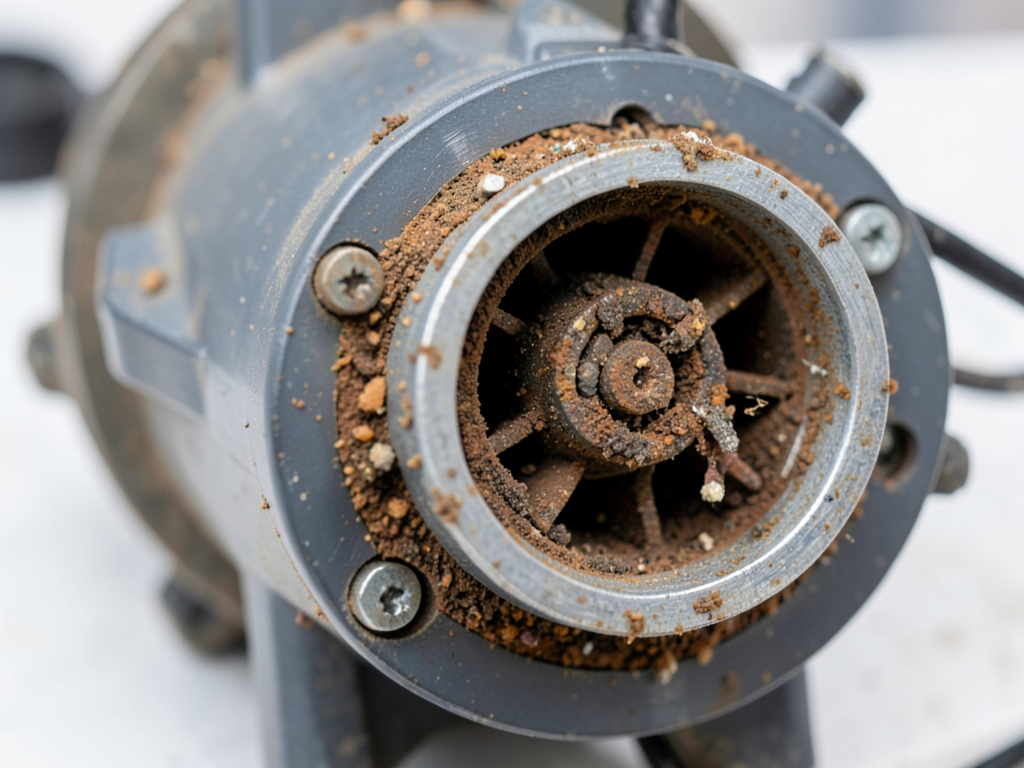
For water heaters, we perform a complete tank flush using a high-velocity reverse flush technique. This method uses pressure and flow direction changes to break loose sediment that standard draining leaves behind. We remove the lower heating element if needed to clear out compacted material at the bottom of the tank.

For supply lines, we use hydrojetting when appropriate. This sends high-pressure water streams through your pipes to scour away mineral deposits and restore the original pipe diameter. We adjust pressure based on pipe material and age. Older galvanized pipes get lower pressure to prevent damage. Copper and PEX can handle higher pressure for more aggressive cleaning.

In severe cases where pipe calcification has reduced the interior diameter by 40 percent or more, we recommend strategic pipe replacement. We target the worst sections rather than replace your entire system. This approach balances effectiveness with your budget.

After cleaning, we test your water hardness and recommend filtration or softening solutions. A whole-house water softener prevents new mineral deposits from forming. Point-of-use filters protect specific fixtures or appliances. We match the solution to your specific water chemistry and household needs.

What Happens During Your Sediment Inspection and Cleaning

Sediment Buildup in Pipes in Memphis – Expert Diagnosis and Permanent Solutions
01

System Assessment

We test water pressure at multiple fixtures to map where restrictions exist. A pressure gauge reading below 40 PSI at any fixture indicates significant blockage. We then inspect your water heater for sediment volume by draining a sample and checking for flow restrictions. Camera inspection of accessible lines reveals buildup patterns and identifies which sections need attention first.
02

Targeted Cleaning

We isolate sections of your plumbing system and apply the appropriate cleaning method for each. Water heaters get reverse-flush treatment. Supply lines receive hydrojetting where pipe condition allows. We clean fixture aerators and showerheads separately. The process takes three to six hours depending on system size and sediment severity. You maintain water access to unaffected areas during most of the work.
03

Prevention Planning

After restoration, we retest pressure at all fixtures to document improvement. We provide water test results showing your specific hardness level and mineral content. You receive a maintenance schedule for your water heater and recommendations for filtration equipment. We explain which prevention measures deliver the best return for your situation, whether that means a whole-house softener or targeted filtration.

Why Memphis Homeowners Choose Local Sediment Experts

Sediment problems in Memphis differ from other cities because of our unique water source. The Memphis Sand Aquifer creates specific mineral profiles that require specialized knowledge to address properly. A plumber from Nashville or Little Rock does not understand how our water behaves in pipes over time.

We have worked on homes in every Memphis neighborhood, from the grand Victorians in Central Gardens to the 1960s ranch homes in Hickory Hill. We know which pipe materials were used in each era and how they react to our local water chemistry. That knowledge prevents costly mistakes.

In Midtown homes built between 1920 and 1950, we commonly find a mix of galvanized steel and copper pipes. The galvanized sections accumulate sediment much faster than copper, creating pressure differentials that stress pipe joints. We account for these mixed systems when planning cleaning approaches, using methods that protect older materials while effectively removing buildup.

Ace Plumbing Memphis maintains camera inspection equipment specifically sized for residential supply lines. Many plumbing companies only have cameras for drain lines, which are too large for water supply pipes. This specialized equipment lets us see inside three-quarter-inch and one-inch supply lines where most sediment problems occur.

We also understand Memphis building codes and inspection requirements. If your sediment problem is severe enough to require pipe replacement, we pull the necessary permits and schedule inspections properly. We know which inspectors cover which areas of Shelby County and what they look for during rough and final inspections.

Our service vehicles carry water testing equipment, so we can analyze your water chemistry on-site. This immediate feedback lets us recommend the right filtration or softening equipment for your specific mineral content. We do not oversell treatment systems you do not need.

What You Can Expect From Start to Finish

Response Time and Scheduling

We schedule sediment inspections within 48 hours of your call. Most inspections happen within 24 hours. The initial assessment takes 45 to 90 minutes depending on your home size and plumbing complexity. If you are experiencing a plumbing emergency related to sediment buildup, such as a complete loss of water pressure or a burst pipe, we respond the same day. For planned cleaning and restoration work, we book appointments Monday through Saturday with flexible time windows that accommodate your schedule.

The Inspection Process

Your inspection begins with a water pressure test at the main supply and at fixtures throughout your home. We measure your water heater capacity and drain a sample to check sediment levels. If pressure readings indicate significant blockage, we recommend camera inspection of your main supply lines. The camera feeds through your pipes and displays real-time video of interior conditions. You see exactly what we see. We take screenshots of problem areas for your records. The inspection concludes with a written assessment that explains what we found, what needs attention immediately, and what can wait.

Results You Will Notice

After cleaning, you will notice stronger water pressure at all fixtures. Showers feel more powerful. Faucets deliver steady, consistent flow. Your water heater recovers faster between uses and operates more quietly. Water runs clear immediately when you open faucets, with no brown or rust-colored water appearing after periods of non-use. Appliances like dishwashers and washing machines work more efficiently with proper water flow. If we installed filtration or softening equipment, you will notice softer water feel, less soap usage, and reduced spotting on dishes and glassware.

Ongoing Maintenance and Support

We provide a detailed maintenance schedule for your water heater based on your water hardness level and household size. Most Memphis homes need water heater flushing every six to twelve months to prevent sediment reaccumulation. We offer maintenance plans that include scheduled flushes, filter changes, and annual system inspections. You receive reminders when service is due. If you experience any issues after our work, we return to address them at no additional charge. We keep detailed records of your plumbing system, including pipe materials, problem areas, and work history, so future service calls are more efficient.

Frequently Asked Questions

You Have Questions,
We Have Answers

How do you flush sediment out of pipes? +

Flushing sediment from pipes requires high-pressure water jetting or targeted drain flushing. A plumber uses a hydro jet that blasts water at 3,000 to 4,000 PSI through the line, scouring away mineral deposits, silt, and scale. For smaller fixtures, you can flush individual lines by closing the main valve, opening all faucets, then reopening the main to push debris out. In Memphis, hard water from the Memphis Sand Aquifer accelerates mineral buildup, making professional hydro jetting the most effective long-term solution for clearing sediment from water and sewer lines.

How much to flush pipes in a house? +

Flushing pipes in a Memphis home costs between $200 and $600, depending on the scope. A whole-house water line flush runs $150 to $300. Hydro jetting a sewer line to remove sediment and blockages ranges from $350 to $600. Costs rise if the plumber needs camera inspection to locate heavy buildup or if multiple cleanouts are involved. Homes in older Memphis neighborhoods like Cooper-Young or Midtown often face higher sediment loads due to aging cast iron or galvanized pipes, which require more intensive cleaning. Always ask for a flat-rate estimate before work begins.

What causes sediment buildup in pipes? +

Sediment buildup comes from mineral deposits, rust, silt, and organic matter. In Memphis, high mineral content in the aquifer water leaves calcium and magnesium scale inside pipes. Corroding galvanized or cast iron pipes shed rust flakes. Tree roots infiltrate sewer lines, trapping soil and debris. Clay-heavy soil around Memphis shifts with moisture changes, cracking pipes and letting silt enter. Hot water heaters accelerate mineral accumulation. Over time, these layers narrow pipe diameter, reducing flow and increasing pressure. Regular maintenance prevents sediment from hardening into blockages that require costly repairs or replacement.

How to remove silt from pipes? +

Removing silt from pipes requires mechanical cleaning or hydro jetting. A plumber feeds a sewer auger or cable snake through the line to break up and pull out silt clumps. For heavier accumulation, hydro jetting uses pressurized water to flush silt completely from the system. In Memphis, silt enters pipes through foundation cracks or damaged sewer laterals, especially in areas with shifting clay soil like East Memphis or Cordova. A camera inspection identifies entry points so the plumber can seal cracks after cleaning. Flushing drains quarterly reduces silt reaccumulation in vulnerable homes.

How do plumbers descale pipes? +

Plumbers descale pipes using hydro jetting, chemical descalers, or mechanical scraping. Hydro jetting is the most common method. A high-pressure nozzle blasts water at 3,500 PSI through the pipe, breaking apart calcium, magnesium, and rust scale. For severe cases, plumbers use rotating chain cutters or cable machines with scraping heads to physically remove hardened deposits. Chemical descalers dissolve scale but can damage older pipes. Memphis water hardness accelerates scale formation, so plumbers recommend hydro jetting every few years for homes with galvanized or copper lines to maintain flow and prevent corrosion under deposits.

How much does a plumber cost to unclog a main line? +

Unclogging a main sewer line in Memphis costs $300 to $700 for standard blockages. Hydro jetting runs $350 to $600. Cable snaking a main line averages $250 to $450. Costs increase if the plumber needs camera inspection, which adds $100 to $300, or if the blockage sits deep in the city lateral. Homes in older Memphis neighborhoods face higher costs due to root intrusion, collapsed clay pipes, or offset joints. Pricing varies by access point location and blockage severity. Always get a flat-rate quote before work starts to avoid surprise charges.

Does homeowners insurance cover sewer line repair? +

Most homeowners insurance policies do not cover sewer line repair. Standard policies exclude damage from wear, neglect, or ground movement. Some insurers offer optional sewer backup or water backup endorsements that cover damage inside the home from sewer overflows, but they do not pay for pipe replacement. In Memphis, where clay soil shifts and tree roots damage laterals, optional endorsements provide peace of mind. Review your policy declarations page and ask your agent about adding sewer line coverage. The city of Memphis is not responsible for private lateral repairs between your home and the main.

What are the signs I need hydro jetting? +

You need hydro jetting if drains clog repeatedly, water backs up in multiple fixtures, or toilets gurgle when you run sinks. Slow drains throughout the house signal sediment buildup narrowing pipe diameter. Foul sewer odors from drains indicate organic matter decomposing inside lines. In Memphis homes with mature trees like in Central Gardens or Germantown, recurring blockages often mean root infiltration that snaking alone cannot fix. Hydro jetting scours the entire pipe interior, removing grease, scale, roots, and silt. A camera inspection before jetting confirms the blockage type and pipe condition.

Can I clean my sewer line myself? +

You can clear minor drain clogs yourself using a hand auger or plunger, but avoid DIY on main sewer lines. Sewer cleaning requires professional equipment like hydro jetters and camera inspection tools. Chemical drain cleaners damage pipes and do not remove sediment buildup. Misusing a rented auger can puncture old cast iron or clay pipes common in Memphis homes. If multiple drains back up or sewage overflows, call a licensed plumber. Memphis has strict ordinances about sewage discharge, and improper cleaning risks contamination fines. Professional cleaning prevents costly pipe damage and ensures the blockage clears completely.

Why do plumbers say not to use drain cleaner? +

Plumbers warn against drain cleaners because they corrode pipes, harm septic systems, and mask deeper problems. Chemical cleaners generate heat that weakens PVC joints and eats through old cast iron or galvanized pipes. They do not remove sediment, grease, or roots, so clogs return quickly. In Memphis, where many homes have aging plumbing, repeated chemical use accelerates pipe failure. Caustic fumes pose health risks, and improper mixing causes dangerous reactions. Drain cleaners also kill beneficial bacteria in septic tanks. Hydro jetting or mechanical snaking clears blockages safely without damaging your plumbing system or the environment.

How Memphis Sand Aquifer Water Affects Your Home Plumbing

The Memphis Sand Aquifer sits 350 to 1,000 feet below the surface and provides some of the cleanest naturally filtered water in America. But clean does not mean soft. As water filters through sand and limestone layers, it picks up dissolved calcium and magnesium. Memphis water averages 8 to 10 grains per gallon of hardness, which classifies as moderately hard to hard. When this water heats up in your water heater or sits in pipes, those minerals precipitate out and form scale. The process happens faster in Memphis than in cities with surface water sources because aquifer water has higher mineral saturation. Homes in East Memphis and Germantown, which have newer plumbing, still develop mineral deposits in water pipes within five to seven years of construction.

Memphis plumbing codes follow the International Plumbing Code with local amendments adopted by Shelby County. Any work involving pipe replacement or modification requires permits and inspections. We maintain current licenses and stay updated on code changes that affect sediment remediation work. Our familiarity with local inspectors and their expectations means your project passes inspection the first time. We also understand how historic district regulations in areas like Victorian Village affect plumbing modifications. This local knowledge protects your investment and ensures all work meets both code requirements and neighborhood guidelines.
Plumbing Services in The Memphis Area

We are proud to serve the entire Memphis area and its surrounding communities. Our convenient location allows us to provide rapid response times for all your plumbing needs, whether you're in the heart of the city or in the neighboring suburbs. We invite you to explore our service area and see how close our expert team is to you. We are always ready to help!

Address:
Ace Plumbing Memphis, 4628 Summer Ave, Memphis, TN, 38122

Additional Services We Offer

Our news updates

Latest Articles & News from The Blogs

How many years should your Bartlett sump pump actually last before it fails? If you live in Bartlett you already…

How many years should your Bartlett sump pump actually last before it fails?

How many years should your Bartlett sump pump actually last before it fails? If you live in Bartlett you already…

Why your soap won't lather and your skin stays dry in Olive Branch

If you live in Olive Branch and notice your soap barely lathers while your skin feels tight and itchy after…

Why PEX piping is less likely to burst during a Memphis freeze than traditional copper

Why PEX piping is less likely to burst during a Memphis freeze than traditional copper When Memphis temperatures drop below…

Contact Us

Stop living with weak water pressure and rumbling water heaters. Call Ace Plumbing Memphis at (901) 640-3313 to schedule your sediment inspection. We will show you exactly what is happening inside your pipes and provide clear solutions that fit your budget.