



Menu

Grease Trap Cleaning & Pumping in Memphis | Minimize Downtime and Stay Compliant

Professional grease trap cleaning and grease interceptor maintenance that keeps your Memphis restaurant or commercial kitchen operational and code-compliant, with flexible scheduling that fits your business hours.

Slider Image 1
Slider Image 2
Slider Image 3
Slider Image 4
Slider Image 5
Slider Image 7
Slider Image 8
Slider Image 9
Slider Image 10
Slider Image 11

Memphis Food Service Operations Face Strict FOG Requirements

Memphis and Shelby County Environmental Health enforce stringent Fats, Oils, and Grease regulations that impact every restaurant, hotel kitchen, hospital cafeteria, and commercial food prep facility in the metro. A single health inspection failure due to an overflowing or improperly maintained grease trap can shut down your operation until you demonstrate compliance.

The high humidity in Memphis accelerates grease buildup and bacterial decomposition inside interceptors, creating foul odors that drive away customers and trigger complaints. The city's aging sewer infrastructure in neighborhoods like Downtown, Midtown, and East Memphis cannot handle FOG blockages. When grease enters the municipal system, you face liability for backups, environmental violations, and expensive remediation.

Commercial grease trap pumping is not optional. Memphis food service establishments must maintain pumping records and demonstrate regular grease trap cleanout schedules during inspections. A neglected interceptor reduces capacity, allows untreated wastewater into the city system, and creates sanitary sewer overflows that the Tennessee Department of Environment and Conservation tracks aggressively.

Your business depends on uninterrupted operation. Restaurant grease trap service keeps your kitchen compliant, your drains flowing, and your doors open. Grease interceptor cleaning prevents the costly cascade of health violations, emergency repairs, and lost revenue that follows a preventable backup. You need a service provider who understands Memphis health codes, works around your peak hours, and documents every grease trap waste removal for your compliance records.

Memphis Food Service Operations Face Strict FOG Requirements
High-Volume Vacuum Extraction and Complete Interceptor Rehabilitation

High-Volume Vacuum Extraction and Complete Interceptor Rehabilitation

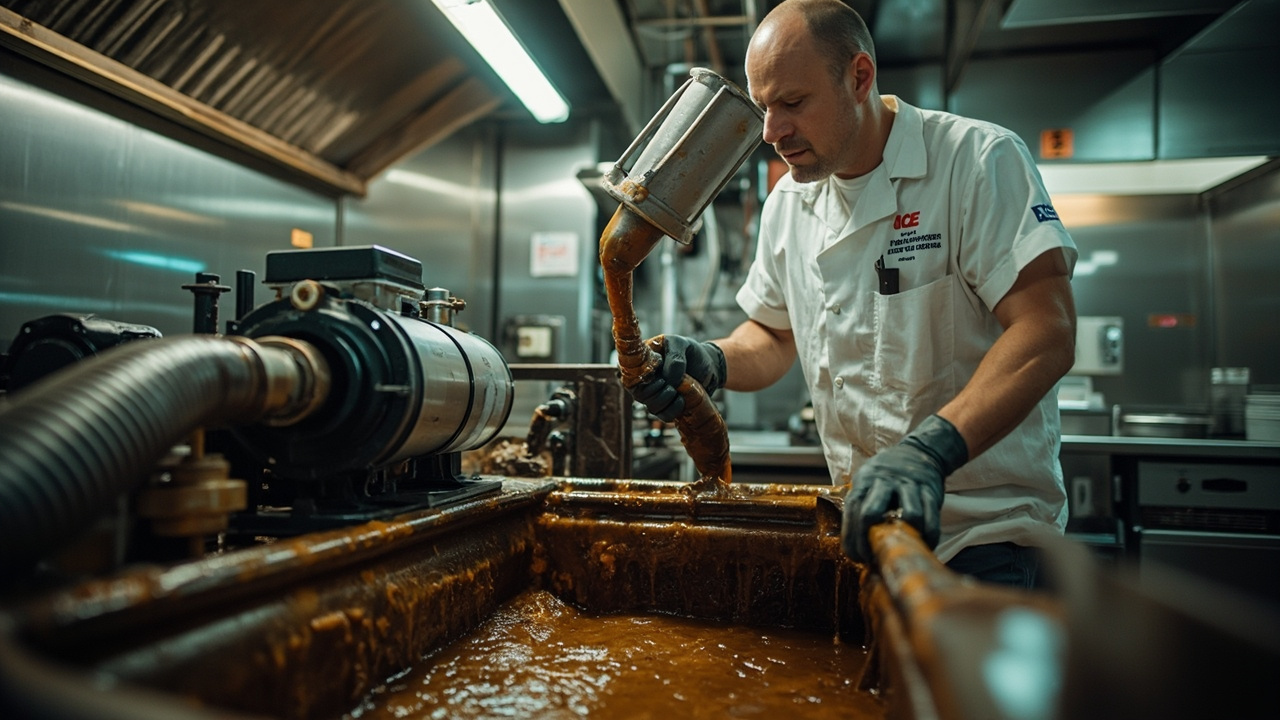
Commercial grease trap pumping requires industrial vacuum trucks capable of extracting solidified fats, settled sludge, and floating scum layers without damaging baffles or inlet-outlet piping. Our trucks handle interceptors from 500-gallon under-sink units to 5,000-gallon exterior tanks common in high-volume kitchens across Poplar Avenue and the Medical District.

We do not just pump the accessible liquid layer. Complete grease trap cleanout means removing hardened grease adhered to sidewalls, scraping baffle plates, and flushing inlet and outlet tees to restore full hydraulic capacity. Leaving residual buildup reduces effective volume and accelerates the next service interval, costing you more in the long run.

After extraction, we pressure-wash all interior surfaces to remove biofilm and grease residue that harbor bacteria and produce the sulfur compounds responsible for drain odors. We inspect baffles for structural integrity, check gaskets for leaks, and verify that flow diverters and sediment buckets function correctly. If we identify damaged components, we document them with photos and provide repair recommendations before they trigger a health violation.

Grease trap waste removal follows Tennessee environmental regulations. We transport waste to permitted receiving facilities, not illegal dump sites. You receive a manifest documenting the volume removed, the disposal location, and the service date. This documentation is your proof of compliance when Memphis Environmental Health requests pumping records during routine inspections.

We schedule service during your slowest hours to avoid disrupting meal service. Early morning slots before breakfast prep or late-night service after close keeps your kitchen operational and your staff focused on customers, not plumbing contractors.

What Happens During Your Scheduled Grease Trap Service

Grease Trap Cleaning & Pumping in Memphis | Minimize Downtime and Stay Compliant
01

Access and Initial Assessment

Our technician locates your interceptor, removes the access cover, and measures the depth of the floating grease layer, middle water zone, and settled solids at the bottom. This measurement determines pump time and confirms whether you are scheduling service at the correct frequency. We photograph the interior condition before starting extraction to document pre-service status for your records.
02

Complete Waste Extraction

We use high-volume vacuum hoses to remove all three layers, including the solidified grease cap, wastewater, and bottom sludge. The truck's agitation system breaks up hardened deposits adhered to walls and baffles. We extract 100 percent of the contents, not just the easy-to-reach liquid. After extraction, we pressure-wash all surfaces and inspect inlet-outlet piping for blockages or structural issues that compromise flow.
03

Documentation and Compliance Reporting

You receive a completed service ticket documenting gallons removed, disposal facility information, and the next recommended service date based on your accumulation rate. We note any maintenance issues observed during cleaning and provide photos if repairs are needed. This documentation satisfies Memphis health inspection requirements and protects you if the city questions your compliance history. We also recommend optimal pumping frequency adjustments if your current schedule is too frequent or not frequent enough.

Memphis Commercial Kitchens Require Local Compliance Knowledge

Memphis health inspectors expect specific documentation and maintenance practices that differ from surrounding counties. Ace Plumbing Memphis understands Shelby County's enforcement priorities, including the FOG control program that targets repeat violators and the permit requirements for new interceptor installations in Cooper-Young, South Main, and Overton Square restaurant districts.

We have cleaned grease traps in every type of Memphis food service operation, from Beale Street entertainment venues to nursing home kitchens in Germantown and Collierville. We understand the difference between passive interceptors common in older Downtown buildings and modern hydromechanical units installed in newer construction along Germantown Parkway. Each type requires different cleaning techniques and maintenance intervals.

Local compliance matters because out-of-town providers often misunderstand Memphis reporting requirements. You need a service provider who knows which forms Environmental Health expects, how to document disposal properly, and what triggers a re-inspection. We have worked with the same health inspectors for years and understand their expectations during routine and complaint-driven inspections.

Our trucks are always available for emergency cleanouts when you discover a problem hours before a scheduled inspection or when a backup threatens to close your kitchen during peak season. We prioritize Memphis commercial customers because we understand that lost business hours cost more than the service call. You get a local phone number answered by dispatchers familiar with Memphis traffic patterns, not a regional call center routing your emergency to whoever is available.

When you choose Ace Plumbing Memphis, you work with technicians who live in Shelby County, understand the local business environment, and have a reputation to protect in this community.

What to Expect from Professional Grease Interceptor Maintenance

Flexible Scheduling That Fits Your Operation

We schedule service during your lowest-traffic hours to avoid disrupting meal prep or customer service. Most commercial kitchens prefer early morning slots between 4 a.m. and 7 a.m. or late-night service after closing. We provide arrival time windows, not vague all-day appointments. If your interceptor is located under a parking area or requires temporary traffic control, we coordinate with your management team to minimize impact on deliveries and customer access. Emergency cleanouts for overflowing traps receive same-day or next-day response, depending on call time and technician availability.

Thorough Inspection and Condition Reporting

Every service includes a visual inspection of baffle integrity, gasket condition, and inlet-outlet pipe alignment. We check for cracks in concrete tanks, corrosion in steel baffles, and root intrusion in exterior interceptors common in older Memphis properties. If we identify structural problems, we provide photos and explain the consequences of delaying repairs. You receive an honest assessment of remaining service life and whether a full replacement is more cost-effective than repeated repairs. We do not upsell unnecessary services, but we do not ignore problems that will fail your next health inspection.

Complete Waste Removal and Odor Elimination

Our vacuum trucks extract all grease layers, not just the liquid fraction. We remove the hardened grease cap that forms on top, the middle water zone, and the settled solids at the bottom. Pressure washing eliminates the biofilm that produces sulfur odors and accelerates corrosion. After cleaning, your interceptor returns to full hydraulic capacity, maximizing the time between service visits. You will notice immediate improvement in drain flow speed and elimination of the rotten egg smell that indicates bacterial activity inside the trap.

Compliance Documentation and Service Records

You receive a detailed service ticket after every cleanout, documenting the date, gallons removed, disposal location, and technician notes about interceptor condition. We maintain electronic records of your service history, making it easy to provide documentation during health inspections or when applying for business licenses. If Memphis Environmental Health requests proof of regular maintenance, we can provide certified records going back years. We also send service reminders before your next scheduled cleaning to help you stay ahead of compliance deadlines and avoid last-minute emergency calls.

Frequently Asked Questions

You Have Questions,
We Have Answers

How often does a grease trap need to be pumped? +

Pumping frequency depends on trap size, kitchen volume, and grease output. Most commercial kitchens in Memphis require pumping every 30 to 90 days to stay compliant with local ordinances. High-volume restaurants may need service every two weeks, while smaller operations can extend to quarterly intervals. Memphis Health Department enforces strict FOG (fats, oils, grease) regulations, and non-compliance results in fines or closure. Monitor your trap weekly. If grease depth exceeds 25 percent of total liquid depth, schedule a pump-out immediately. Regular service prevents backups, protects your plumbing infrastructure, and keeps you operational during peak seasons.

How much does it cost to clean out a grease trap? +

Cleaning costs vary based on trap size, access difficulty, and waste volume. Expect professional service to start around baseline rates, with larger capacity traps or complex installations increasing the price. Memphis operators should budget for quarterly service contracts, which reduce per-visit costs and ensure compliance with city FOG program requirements. Factors include pump truck mobilization, disposal fees at approved Memphis facilities, and labor time. Deferred maintenance escalates costs when solidified grease requires hydrojet cleaning or trap component replacement. Request a site assessment to calculate accurate pricing. Regular cleaning is an operational expense that prevents catastrophic plumbing failures and protects your business continuity.

How much does it cost to pump out a grease trap? +

Pump-out pricing mirrors cleaning costs but focuses solely on waste removal. Small traps under 500 gallons cost less than large multi-compartment systems exceeding 1,500 gallons. Memphis commercial operators pay for pump truck dispatch, technician labor, and regulated waste disposal at approved septage facilities. Accessibility matters. Traps buried under pavement or requiring confined space entry increase labor time and cost. Volume-based contracts offer predictable budgeting for restaurants, hotels, and institutional kitchens. Skipping scheduled pump-outs leads to solidified grease layers that require mechanical cleaning at triple the cost. Plan service during slow business hours to minimize operational disruption and maintain health code compliance.

How often should grease traps be cleaned? +

Cleaning frequency matches pumping intervals but includes component inspection and wall scraping. Memphis Health Department mandates that traps be cleaned when grease accumulation reaches 25 percent of liquid capacity. High-volume kitchens require monthly service, moderate operations need quarterly cleaning, and low-volume sites extend to 90 days. Southern humidity accelerates grease decomposition and odor development, making consistent service critical in Memphis. Document every cleaning with maintenance logs. Inspectors verify compliance during routine audits. Establish a scheduled service agreement to avoid missed cleanings. Proper maintenance extends trap lifespan, prevents drain line backups, and protects your building's plumbing system from FOG-related damage.

What are the signs of a full grease trap? +

Slow draining sinks signal trap capacity issues. Watch for standing water in floor drains, gurgling sounds during drainage, and sewage odors in kitchen or dining areas. Grease overflow into downstream piping creates blockages that back up into prep sinks and dishwashers. Memphis restaurants often notice fruit flies or drain flies near grease traps when biological activity increases. Visible grease on trap lids or access covers indicates overfilling. Install a monitoring schedule. Check liquid levels weekly using a measurement stick. If grease layer exceeds three inches or total depth nears outlet pipe level, schedule immediate pump-out to prevent health code violations and operational shutdowns.

What are the signs that your septic tank is full? +

This question addresses septic systems, not grease traps. Septic tanks show fullness through slow draining fixtures, sewage backups in floor drains, wet spots in drain fields, and strong odors near tank locations. Most Memphis commercial properties connect to municipal sewer systems rather than septic systems. If your facility operates a septic system, pump every three to five years depending on capacity and usage. Grease traps and septic tanks serve different functions. Grease traps capture FOG before it enters sewer lines. Septic tanks treat all wastewater through bacterial decomposition. Do not confuse the two systems. Each requires specialized service and compliance protocols.

Can I clean a grease trap myself? +

No. Memphis Health Department requires licensed professionals to pump and dispose of grease trap waste at approved facilities. DIY cleaning violates FOG ordinances and creates liability exposure. Grease trap contents are classified as regulated waste requiring proper manifesting and disposal documentation. Professionals use vacuum trucks, confined space safety equipment, and hydrojet tools that meet OSHA standards. Improper cleaning contaminates groundwater, clogs municipal sewer lines, and results in fines exceeding thousands of dollars. Self-cleaning also voids insurance coverage if injuries occur. Focus your team on daily basket straining and monthly inspections. Leave pump-outs and deep cleaning to certified technicians who maintain compliance records for city audits.

What is the highest paid cleaning job? +

This question falls outside grease trap operations. Among cleaning professions, specialized industrial cleaning, hazmat remediation, and high-rise window cleaning command premium wages due to technical skill and safety risk. Crime scene cleanup and medical waste handling also generate elevated compensation. In Memphis commercial kitchen environments, focus shifts to operational compliance rather than wage comparisons. Grease trap maintenance protects your revenue stream by preventing health code violations and service interruptions. Invest in professional service contracts that deliver ROI through avoided fines, extended equipment life, and uninterrupted operations. Compensation inquiries distract from the core issue: maintaining compliant, functional grease management systems that support your business objectives.

What does Roto Rooter charge for drain cleaning? +

This question asks about a competitor's pricing. Service rates vary by market, job complexity, and service scope. In Memphis, drain cleaning costs depend on blockage severity, pipe access, and required equipment. Grease-related stoppages in commercial kitchens demand hydrojet cleaning rather than basic cable augering. Professional grease trap service providers offer transparent pricing based on trap capacity, service frequency, and disposal requirements. Request detailed proposals that separate pump-out costs, cleaning labor, disposal fees, and emergency response rates. Compare total cost of ownership across providers. The lowest per-visit price often masks hidden fees or substandard service that leads to repeat blockages and compliance failures. Choose providers with documented Memphis Health Department compliance records.

How Memphis Restaurant Growth and Aging Infrastructure Complicate Grease Management

Memphis has experienced significant restaurant expansion in neighborhoods like Crosstown, Cooper-Young, and the Edge District, but much of the underlying sewer infrastructure dates to the mid-20th century. Older clay pipe and cast iron mains cannot handle the increased FOG load from new commercial kitchens. The city's combined sewer system in Downtown and Midtown means that grease blockages can trigger sanitary sewer overflows during heavy rain events, creating environmental violations traced back to the contributing food service establishment. Regular grease interceptor cleaning protects you from liability when the city investigates upstream sources of FOG-related blockages.

Shelby County Environmental Health has intensified FOG enforcement in recent years, conducting targeted inspections of high-volume kitchens and repeat violators. Inspectors check not just that your trap is pumped, but that you maintain proper documentation and follow the pumping frequency appropriate for your volume. Ace Plumbing Memphis works with the same inspectors who visit your facility, understands their expectations, and provides the documentation format they prefer. Choosing a local provider familiar with Memphis code enforcement reduces your risk of compliance issues and demonstrates to inspectors that you take FOG management seriously.
Plumbing Services in The Memphis Area

We are proud to serve the entire Memphis area and its surrounding communities. Our convenient location allows us to provide rapid response times for all your plumbing needs, whether you're in the heart of the city or in the neighboring suburbs. We invite you to explore our service area and see how close our expert team is to you. We are always ready to help!

Address:
Ace Plumbing Memphis, 4628 Summer Ave, Memphis, TN, 38122

Additional Services We Offer

Our news updates

Latest Articles & News from The Blogs

How many years should your Bartlett sump pump actually last before it fails? If you live in Bartlett you already…

How many years should your Bartlett sump pump actually last before it fails?

How many years should your Bartlett sump pump actually last before it fails? If you live in Bartlett you already…

Why your soap won't lather and your skin stays dry in Olive Branch

If you live in Olive Branch and notice your soap barely lathers while your skin feels tight and itchy after…

Why PEX piping is less likely to burst during a Memphis freeze than traditional copper

Why PEX piping is less likely to burst during a Memphis freeze than traditional copper When Memphis temperatures drop below…

Contact Us

Do not wait until you fail an inspection or experience a backup during peak hours. Call (901) 640-3313 now to schedule commercial grease trap pumping that keeps your Memphis kitchen compliant and operational. We provide same-week service and flexible scheduling that fits your business hours.