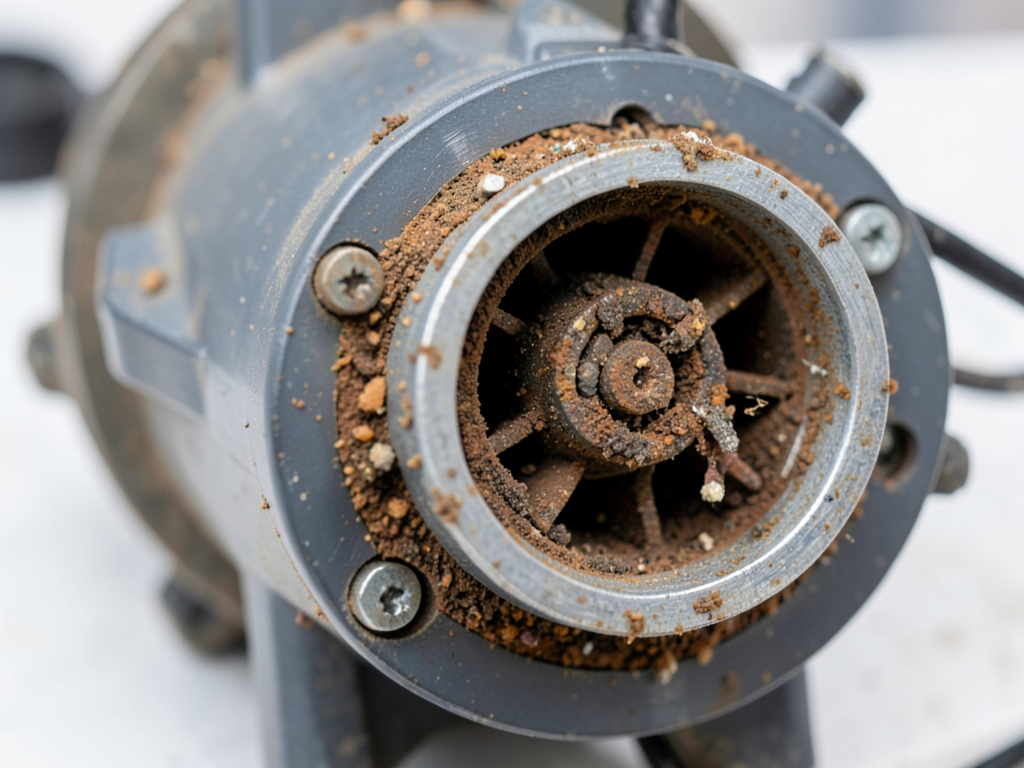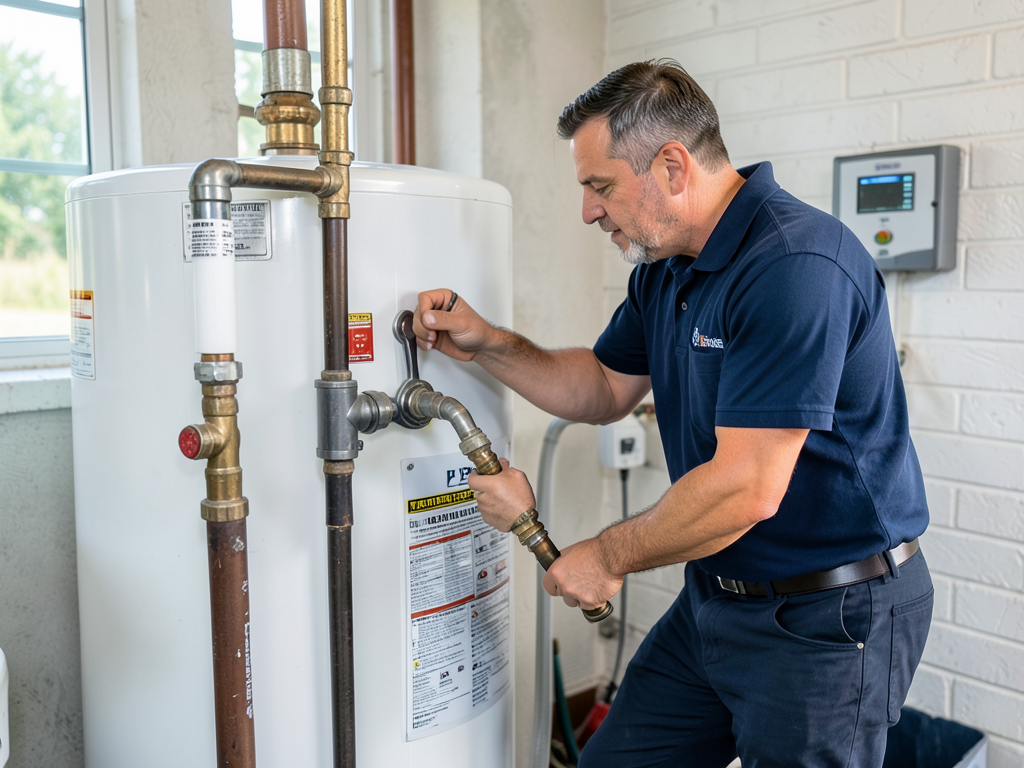







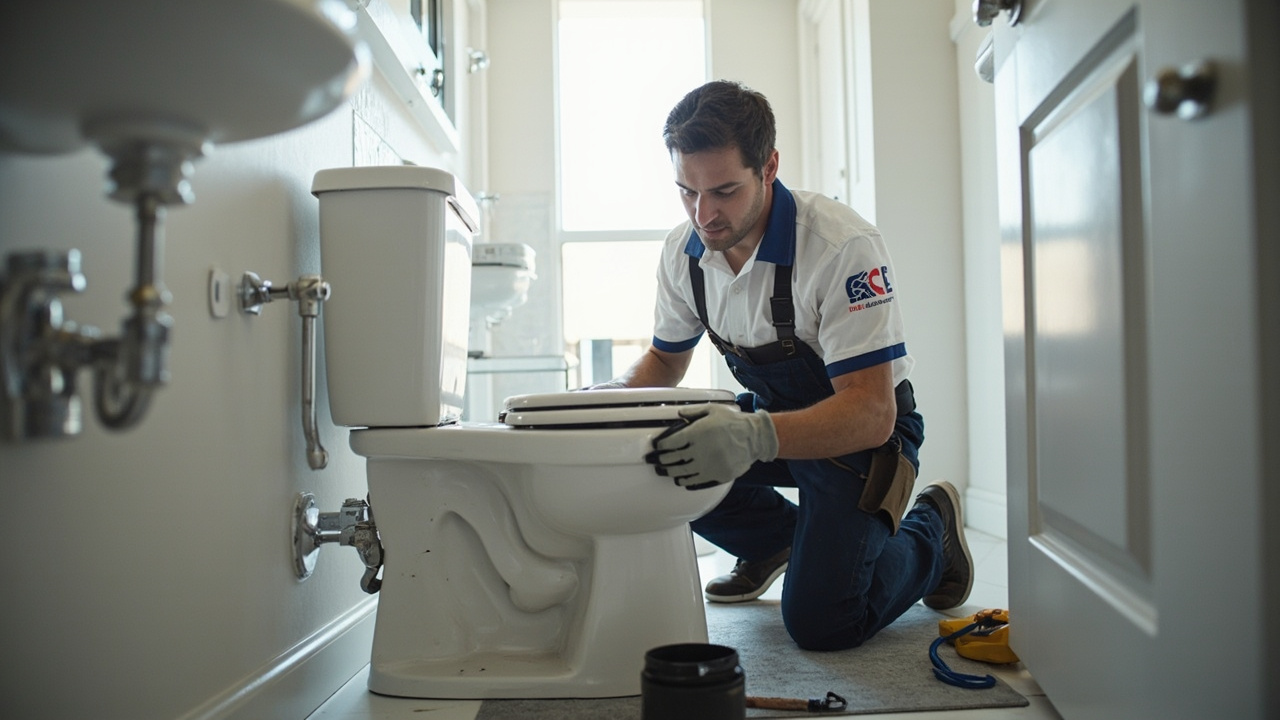
Memphis draws water from the Memphis Sand Aquifer, one of the purest sources in the country, but it still carries dissolved minerals that accumulate in toilet tanks and bowls. Calcium carbonate and magnesium deposits clog rim jets, coat flappers, and calcify fill valve screens. You will notice a crusty white buildup around the waterline in the tank or a slow, weak flush that never seems to improve. This is not a flushing problem. It is a mineral problem. Regular vinegar flushes and annual component replacement prevent the buildup from turning into a full commode repair or new toilet installation. Homes in Germantown and Collierville, which pull from the same aquifer, face identical issues. Ignoring the deposits leads to cracked porcelain and corroded metal parts that fail without warning.
Memphis plumbing installations must comply with the Tennessee Plumbing Code, which references the International Plumbing Code with state-specific amendments. Toilet installations require proper venting, secure flange connections, and backflow prevention in commercial settings. A plumber unfamiliar with local code enforcement practices might install a toilet that works fine but fails inspection during a property sale or renovation. Ace Plumbing Memphis stays current on Memphis and Shelby County plumbing codes, which means your leaking toilet repair or toilet replacement services meet all regulatory requirements. That protects your property value and keeps you compliant during inspections, resale, or insurance claims.