
If you live in Olive Branch and notice your soap barely lathers while your skin feels tight and itchy after every shower, you are not alone. The culprit is the mineral-rich water flowing through your pipes. Memphis-area water contains high levels of dissolved calcium and magnesium that interfere with soap’s ability to clean and strip your skin of natural oils. This is not a cosmetic issue; it is a water quality problem affecting thousands of Mid-South homes. How to Tell if You Have a Slab Leak Under Your Memphis Home Foundation.
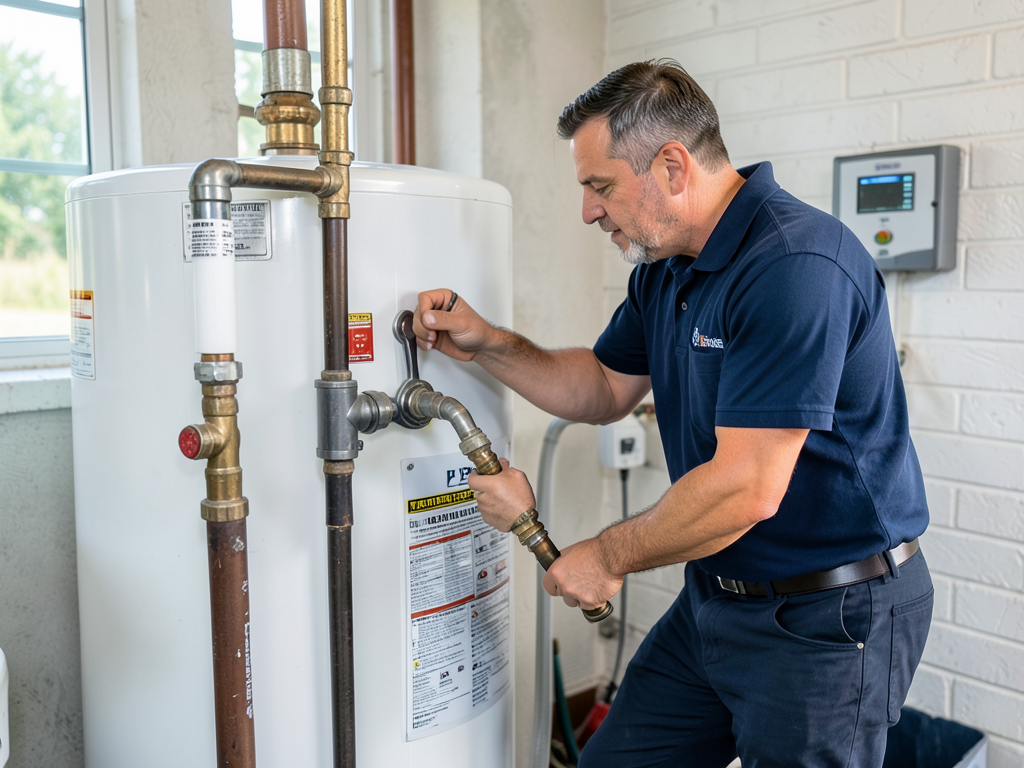
Hard water forms a sticky residue called soap scum when calcium and magnesium ions bind with the fatty acids in soap. Instead of rinsing away, this residue clings to your skin and hair, blocking pores and preventing proper hydration. The result is dry, flaky skin that feels rough to the touch and may even itch or burn. Many Olive Branch residents mistake these symptoms for eczema or seasonal allergies when the real cause flows from their showerhead.
How Memphis Water Affects Your Skin Health
Olive Branch taps into the same Memphis Sands Aquifer that supplies much of Shelby County. This artesian source naturally contains dissolved minerals picked up as groundwater moves through limestone and dolomite bedrock. The Mississippi Delta region’s geology means your water arrives already loaded with calcium carbonate and magnesium sulfate.
MLGW’s most recent water quality report shows Olive Branch area water hardness ranging from 180 to 220 parts per million. That translates to roughly 10 to 13 grains per gallon, well above the 7 GPG threshold that defines hard water. For comparison, soft water measures below 1 GPG. MLGW Water Quality Reports.
| Location | Hardness (ppm) | Grains per Gallon | Classification |
|---|---|---|---|
| Olive Branch (MLGW) | 180-220 | 10-13 | Hard |
| Memphis (average) | 150-200 | 9-12 | Hard |
| Soft water standard | <60 | <3.5 | Soft |
The science behind the irritation involves more than just soap scum. Calcium and magnesium ions disrupt the lipid barrier that protects your skin’s outer layer. This barrier normally locks in moisture and blocks irritants. When minerals strip it away, your skin loses water faster through transepidermal water loss. The result is chronic dryness that no amount of lotion can fully fix.
The Science: Calcium, Magnesium, and Your Skin’s Natural Barrier
Your skin’s stratum corneum contains natural moisturizing factors and lipids that maintain hydration. Hard water minerals bind to these protective compounds, essentially washing them down the drain. Research published by the National Institutes of Health shows that people living in hard water areas experience higher rates of atopic dermatitis and other inflammatory skin conditions. Professional Drain Cleaning Services in Bartlett to Stop Recurring Clogs for Good.
The problem compounds over time. Each shower in hard water gradually depletes your skin’s natural defenses. You may notice your skin feeling increasingly tight, developing fine lines, or becoming more sensitive to products that never bothered you before. This is not aging; it is mineral damage.
Common Symptoms of Hard Water Exposure
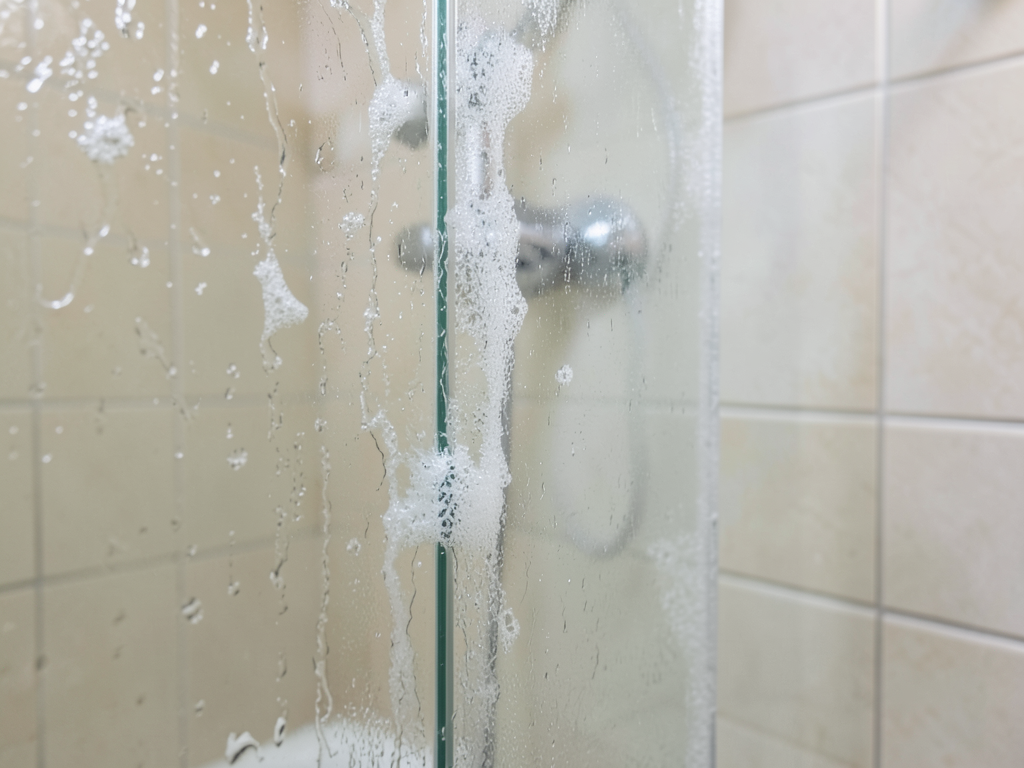
Hard water symptoms go beyond dry skin. You might notice a white film on shower doors, spots on glassware, or scale buildup around faucets. Your hair may feel straw-like or look dull even after conditioning. Clothes washed in hard water feel stiff and fade faster. Sediment Buildup in Pipes.
Skin-specific symptoms include persistent itchiness, especially after bathing, rough patches that do not improve with moisturizer, and a feeling of tightness across your face and body. Some people develop small red bumps or experience burning sensations when applying products that normally feel fine.
Children and people with existing skin conditions suffer most. The compromised skin barrier makes them more vulnerable to irritants and allergens. If you or family members have eczema, psoriasis, or rosacea, hard water often triggers flare-ups that seem to come from nowhere.
Is Memphis Water ‘Hard’? Understanding Local MLGW Reports
Memphis Light, Gas and Water tests water quality across its service area monthly. Their data shows Olive Branch consistently falls in the upper range of hardness levels. The utility treats water for safety but does not soften it, as hardness minerals pose no health risks in drinking water.
MLGW’s latest report indicates a pH of 7.8 for most of DeSoto County, slightly alkaline. This pH level combined with high mineral content means your skin’s slightly acidic natural pH of 5.5 faces an uphill battle every time you shower. The mismatch contributes to barrier disruption and irritation.
Memphis-area homes built before the 1980s often have galvanized steel pipes that accumulate mineral scale inside. This scale narrows pipe diameter, reduces water pressure, and releases even more calcium and magnesium into your water. If your home is older, the problem multiplies.
Long-Term Plumbing Solutions for Sensitive Skin
Water softeners provide the most effective long-term solution. These systems use ion exchange to replace calcium and magnesium with sodium or potassium ions. The result is water that behaves like rainwater, allowing soap to lather freely and rinse completely clean.
Modern water softeners feature demand-initiated regeneration, meaning they only clean themselves when needed rather than on a timer. This saves salt and water while ensuring you always have soft water. High-efficiency models use 50 percent less salt than older units.
Installation typically takes three to four hours for a licensed plumber. The system connects to your main water line, treating all water entering your home. You will notice improvements within days as soap scum stops forming and your skin begins to recover.
Water Softeners vs. Filtration Systems
Water softeners and filters solve different problems. Softeners remove hardness minerals through ion exchange. Filters remove contaminants like chlorine, lead, or sediment through physical or chemical processes.
If your primary concern is skin irritation from hard water, a softener is the right choice. If you also want to remove chlorine that dries skin or eliminate sediment that clogs fixtures, you need a whole-house filter in addition to or combined with your softener.
Some systems combine both functions. These hybrid units soften water while also removing chlorine and other chemicals. They cost more upfront but provide comprehensive water quality improvement.
| Feature | Water Softener | Whole House Filter | Combined System |
|---|---|---|---|
| Removes hardness | Yes | No | Yes |
| Removes chlorine | No | Yes | Yes |
| Maintenance frequency | Monthly salt refill | Every 6-12 months | Monthly salt + annual filter |
| Initial cost | $1,200-$2,500 | $800-$1,500 | $2,500-$4,000 |
| Best for skin | Excellent | Good | Excellent |
Immediate DIY Relief for Hard Water Itch
While waiting for professional installation, several steps can reduce hard water irritation. Use distilled water for your final hair rinse to remove mineral buildup. Apply moisturizer immediately after showering while skin is still damp to lock in moisture.
Switch to synthetic detergent-based cleansers instead of traditional soap. These products contain chelating agents that bind to minerals, preventing soap scum formation. Look for body washes labeled as non-soap or syndet bars.
Install a showerhead filter as a temporary measure. These units attach directly to your shower arm and use carbon or KDF media to remove some minerals and chlorine. They cost less than $100 but require filter changes every few months.
When to Call a Memphis Water Quality Expert
Call a professional if you notice persistent skin irritation that does not improve with over-the-counter remedies. Also contact an expert if you see scale buildup on fixtures, experience reduced water pressure, or notice your water heater making popping sounds from mineral sediment.
A qualified plumber tests your water hardness on-site using a titration kit that provides immediate results. They inspect your plumbing system for scale buildup and check your water heater for sediment accumulation. This diagnostic process typically takes less than an hour. Plumbing Somerville.
Professional installation ensures your softener connects correctly to your plumbing and drains properly. Improper installation can cause backflow contamination or void warranties. Licensed plumbers also handle local permit requirements and ensure compliance with Shelby County plumbing codes.
- Purchase a Test Kit
Buy a water hardness test kit from a hardware store or online retailer. These kits use titration or test strips to measure mineral content.
- Collect Sample
Run cold water for two minutes to clear pipes. Fill the provided vial to the marked line with cold tap water.
- Perform Test
Add the reagent drops according to kit instructions. Count drops until the solution changes color. Each drop typically represents one grain per gallon.
- Interpret Results
Compare your drop count to the conversion chart. Results above 7 GPG indicate hard water requiring treatment.
The International Plumbing Code requires proper drainage for water softener discharge. In Shelby County, this typically means connecting to a floor drain or laundry sink with an air gap. Direct connection to a sewer line without proper backflow prevention violates local codes. Midtown Sewer Line Repair Without Digging Up Your Entire Yard.
According to EPA guidelines, water softeners using sodium chloride can increase sodium content in drinking water by about 8 milligrams per liter for each grain of hardness removed. For most healthy adults, this increase poses no health concerns, but people on sodium-restricted diets should consider potassium chloride alternatives.
Call (901) 640-3313 today to schedule your water quality inspection. Our licensed plumbers test your water on-site, inspect your plumbing system, and recommend the right solution for your home. Do not let another shower dry out your skin or waste your money on specialty soaps that cannot overcome hard water.
Frequently Asked Questions
Will a water softener make my water taste salty?
Properly installed water softeners do not make water taste salty. The ion exchange process replaces calcium and magnesium with sodium or potassium, but the amounts are too small to affect taste. If you notice a salty taste, your system needs adjustment or repair.
How long does it take to see results after installing a water softener?
You will notice improvements within one to two weeks. Soap will lather better immediately, but your skin needs time to recover from mineral damage. Most people report softer skin and reduced itching within 30 days of installation.
Can I install a water softener myself?
DIY installation is not recommended. Water softeners require proper plumbing connections, drainage setup, and sometimes electrical work. Incorrect installation can cause water damage, void warranties, and create code violations. Professional installation ensures safe, effective operation.
Does hard water affect my water heater?
Yes. Mineral scale accumulates in the tank bottom, reducing efficiency and capacity. Your heater works harder to heat through the insulating scale layer, increasing energy costs. Scale can also cause popping noises and shorten the unit’s lifespan by several years.
Are there health risks from hard water minerals?
Hard water minerals pose no direct health risks and may provide small amounts of dietary calcium and magnesium. The primary concerns are skin irritation, appliance damage, and increased soap usage. People with certain medical conditions should consult their doctor about sodium levels in softened water. For more information, visit NIH research on hard water and skin conditions.
{
“@context”: “https://schema.org”,
“@type”: “BlogPosting”,
“headline”: “Why your soap won’t lather and your skin stays dry in Olive Branch”,
“description”: “Discover why Olive Branch’s hard water leaves your skin dry and itchy. Learn the science behind soap scum, local water hardness levels, and effective solutions from Memphis plumbing experts.”,
“wordCount”: 1800,
“datePublished”: “2026-06-09T12:39:00.000Z”,
“dateModified”: “2026-06-09T12:39:00.000Z”,
“inLanguage”: “en-US”,
“mainEntityOfPage”: {
“@type”: “WebPage”,
“@id”: “https://aceplumbingmemphis.com”
},
“publisher”: {
“@type”: “LocalBusiness”,
“name”: “Ace Plumbing Memphis”,
“url”: “https://aceplumbingmemphis.com”
},
“author”: {
“@type”: “Organization”,
“name”: “Ace Plumbing Memphis”,
“url”: “https://aceplumbingmemphis.com”
},
“image”: {
“@type”: “ImageObject”,
“url”: “https://aceplumbingmemphis.com/wp-content/uploads/2026/03/why-your-soap-won-t-lather-and-your-skin-stays-dry-1.png”
}
}
{
“@context”: “https://schema.org”,
“@type”: “Plumber”,
“name”: “Ace Plumbing Memphis”,
“url”: “https://aceplumbingmemphis.com”,
“address”: {
“@type”: “PostalAddress”,
“addressLocality”: “Memphis”
},
“areaServed”: {
“@type”: “City”,
“name”: “Memphis”
}
}
{
“@context”: “https://schema.org”,
“@type”: “FAQPage”,
“mainEntity”: [
{
“@type”: “Question”,
“name”: “Will a water softener make my water taste salty?”,
“acceptedAnswer”: {
“@type”: “Answer”,
“text”: “Properly installed water softeners do not make water taste salty. The ion exchange process replaces calcium and magnesium with sodium or potassium, but the amounts are too small to affect taste. If you notice a salty taste, your system needs adjustment or repair.”
}
},
{
“@type”: “Question”,
“name”: “How long does it take to see results after installing a water softener?”,
“acceptedAnswer”: {
“@type”: “Answer”,
“text”: “You will notice improvements within one to two weeks. Soap will lather better immediately, but your skin needs time to recover from mineral damage. Most people report softer skin and reduced itching within 30 days of installation.”
}
},
{
“@type”: “Question”,
“name”: “Can I install a water softener myself?”,
“acceptedAnswer”: {
“@type”: “Answer”,
“text”: “DIY installation is not recommended. Water softeners require proper plumbing connections, drainage setup, and sometimes electrical work. Incorrect installation can cause water damage, void warranties, and create code violations. Professional installation ensures safe, effective operation.”
}
},
{
“@type”: “Question”,
“name”: “Does hard water affect my water heater?”,
“acceptedAnswer”: {
“@type”: “Answer”,
“text”: “Yes. Mineral scale accumulates in the tank bottom, reducing efficiency and capacity. Your heater works harder to heat through the insulating scale layer, increasing energy costs. Scale can also cause popping noises and shorten the unit’s lifespan by several years.”
}
},
{
“@type”: “Question”,
“name”: “Are there health risks from hard water minerals?”,
“acceptedAnswer”: {
“@type”: “Answer”,
“text”: “Hard water minerals pose no direct health risks and may provide small amounts of dietary calcium and magnesium. The primary concerns are skin irritation, appliance damage, and increased soap usage. People with certain medical conditions should consult their doctor about sodium levels in softened water. For more information, visit NIH research on hard water and skin conditions.”
}
}
]
}
{
“@context”: “https://schema.org”,
“@type”: “HowTo”,
“name”: “How to Test Your Water Hardness”,
“step”: [
{
“@type”: “HowToStep”,
“position”: 1,
“name”: “Purchase a Test Kit”,
“text”: “Buy a water hardness test kit from a hardware store or online retailer. These kits use titration or test strips to measure mineral content.”
},
{
“@type”: “HowToStep”,
“position”: 2,
“name”: “Collect Sample”,
“text”: “Run cold water for two minutes to clear pipes. Fill the provided vial to the marked line with cold tap water.”
},
{
“@type”: “HowToStep”,
“position”: 3,
“name”: “Perform Test”,
“text”: “Add the reagent drops according to kit instructions. Count drops until the solution changes color. Each drop typically represents one grain per gallon.”
},
{
“@type”: “HowToStep”,
“position”: 4,
“name”: “Interpret Results”,
“text”: “Compare your drop count to the conversion chart. Results above 7 GPG indicate hard water requiring treatment.”
}
],
“image”: “https://aceplumbingmemphis.com/wp-content/uploads/2026/03/why-your-soap-won-t-lather-and-your-skin-stays-dry-1.png”
}
{
“@context”: “https://schema.org”,
“@type”: “BreadcrumbList”,
“itemListElement”: [
{
“@type”: “ListItem”,
“position”: 1,
“name”: “Home”,
“item”: “https://aceplumbingmemphis.com”
},
{
“@type”: “ListItem”,
“position”: 2,
“name”: “Blog”,
“item”: “https://aceplumbingmemphis.com/blog”
},
{
“@type”: “ListItem”,
“position”: 3,
“name”: “Why your soap won’t lather and your skin stays dry in Olive Branch”
}
]
}
{
“@context”: “https://schema.org”,
“@type”: “Service”,
“serviceType”: “Plumbing”,
“provider”: {
“@type”: “LocalBusiness”,
“name”: “Ace Plumbing Memphis”,
“url”: “https://aceplumbingmemphis.com”
},
“areaServed”: {
“@type”: “City”,
“name”: “Memphis”
},
“description”: “Discover why Olive Branch’s hard water leaves your skin dry and itchy. Learn the science behind soap scum, local water hardness levels, and effective solutions from Memphis plumbing experts.”
}