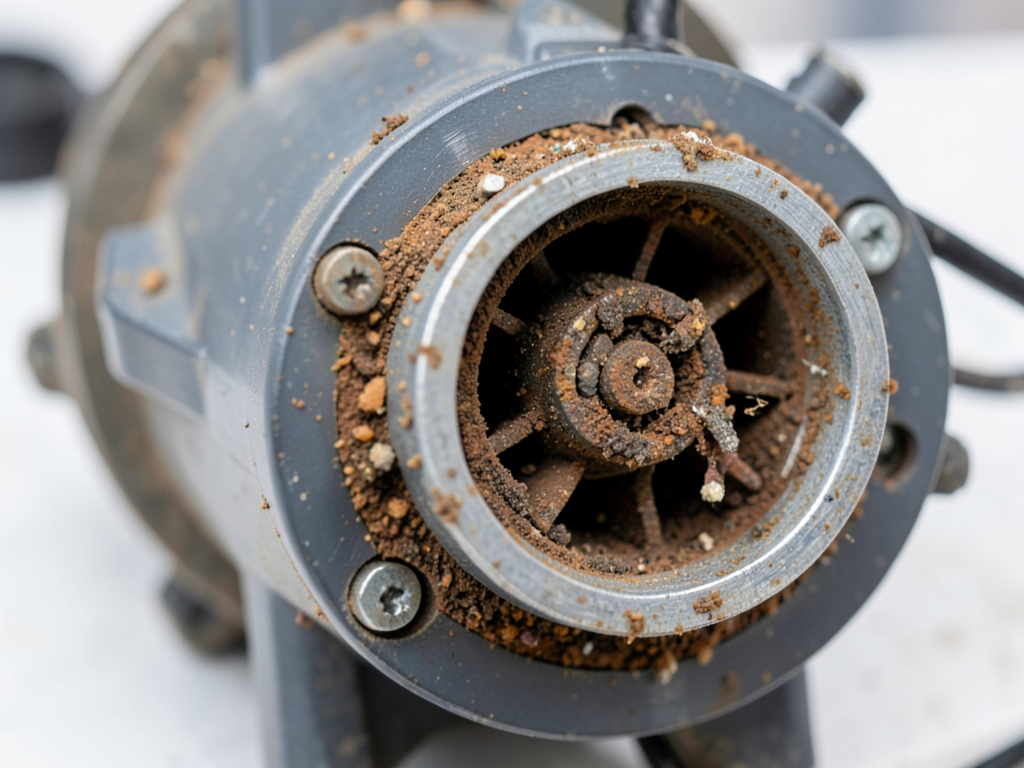







Memphis draws water from the Memphis Sand Aquifer, a 3,000-square-mile underground reservoir known for exceptional purity. The aquifer naturally filters water through sand and gravel, removing most contaminants. However, this same water contains dissolved minerals like calcium, magnesium, and trace iron. When these minerals interact with aging galvanized pipes in older Memphis homes, they accelerate interior corrosion. The water itself is not the problem. Your pipes are. Homes built before 1980 in neighborhoods like Central Gardens, Vollintine-Evergreen, and Binghampton often have original galvanized supply lines that are now 40 to 70 years old. Even pure aquifer water will corrode steel pipes over time. This is why discolored hot water and rusty colored water are common complaints in historic Memphis homes despite our excellent municipal water quality.
Memphis Light, Gas and Water enforces strict water quality standards, but those standards end at your property line. Once city water enters your home, your plumbing determines what comes out of your faucet. This is why choosing a plumber who understands local construction practices matters. Ace Plumbing Memphis has diagnosed water quality issues in every Memphis neighborhood. We know which subdivisions used galvanized pipe and which ones used copper. We know how different eras of construction affect long-term plumbing performance. We understand Tennessee plumbing code and how local inspectors interpret it. When you call us for brown tap water or yellow water from the faucet, you get a team that knows your home's plumbing history before we arrive.