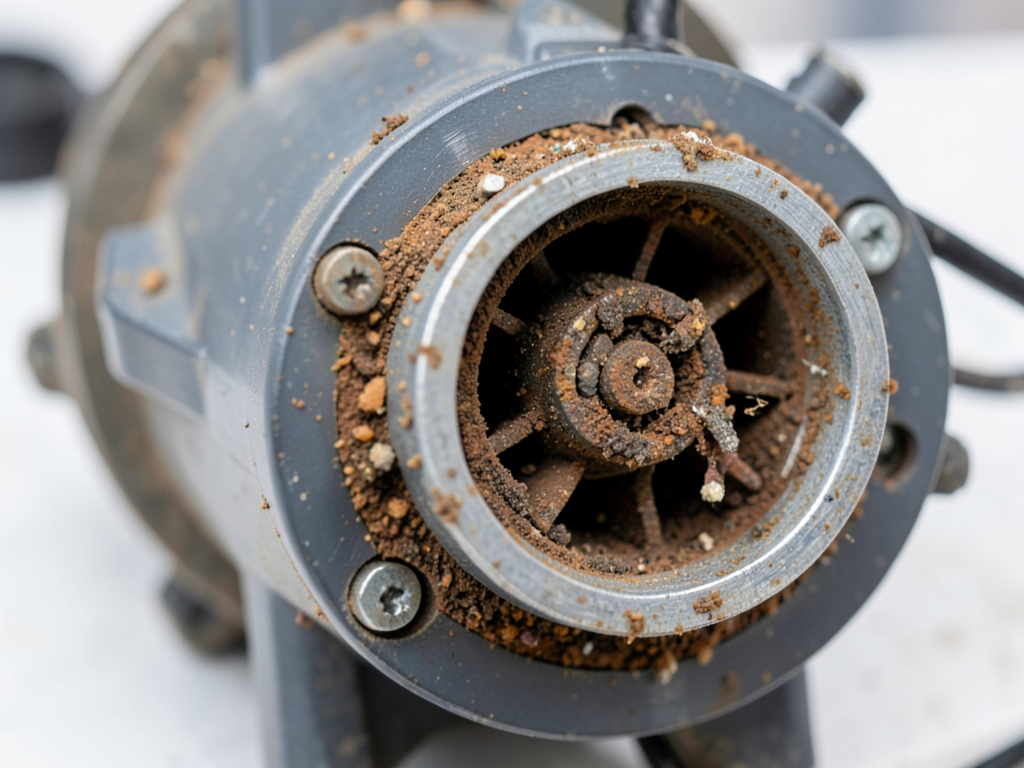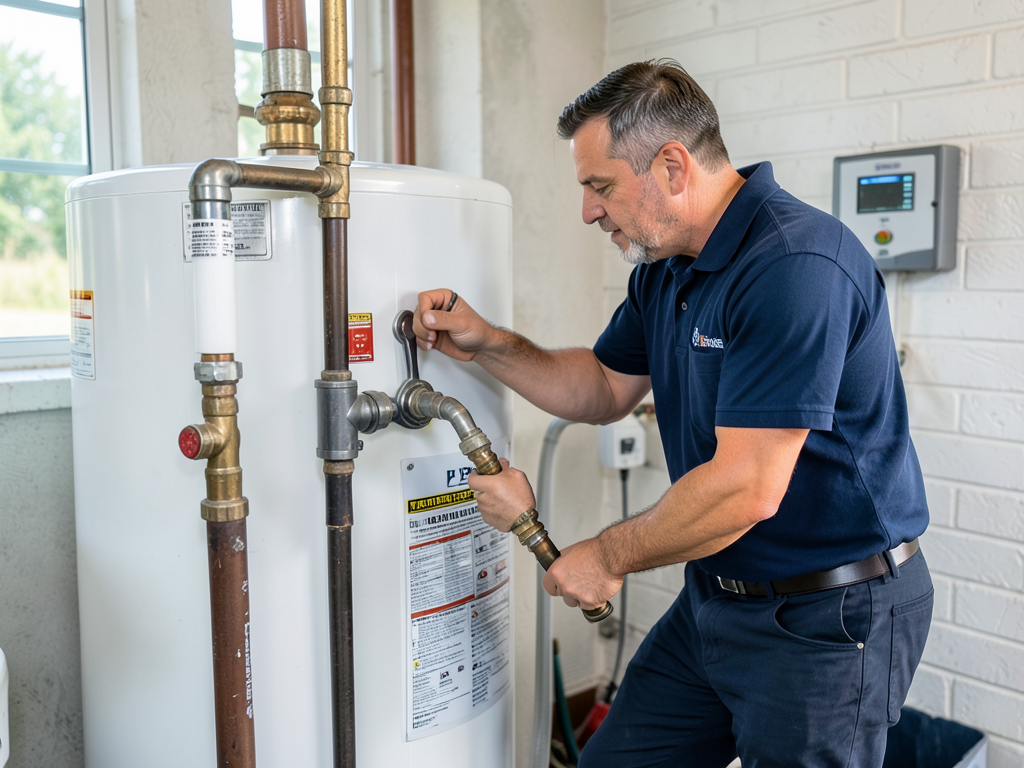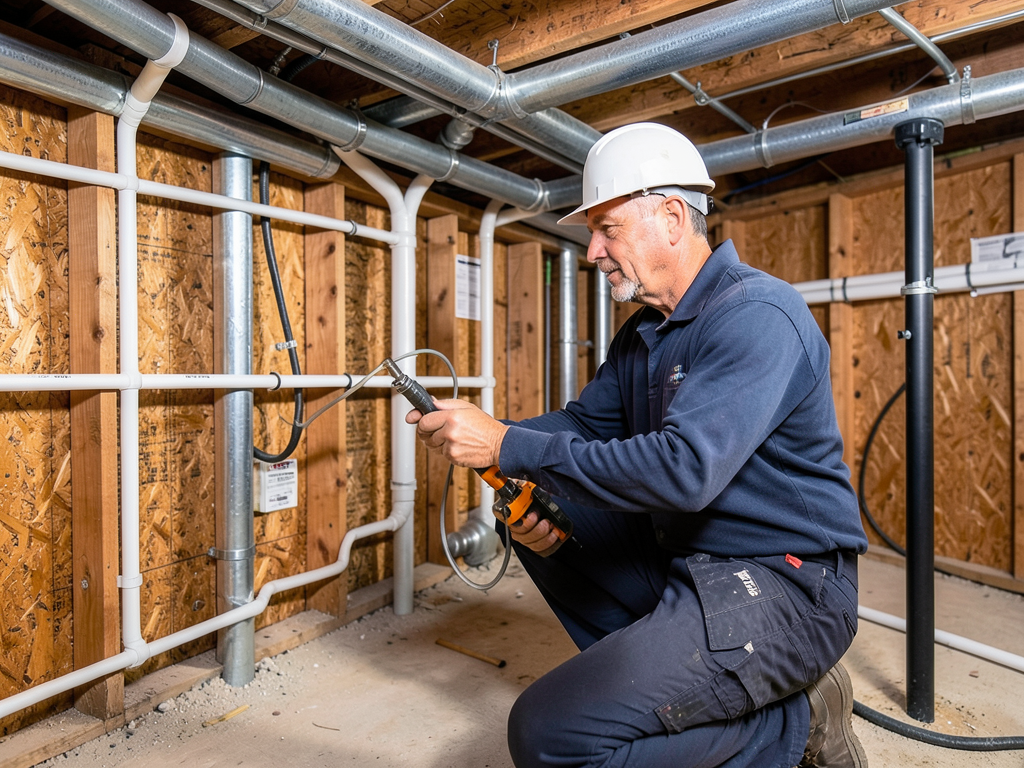








Industrial facilities near the Mississippi River corridor face unique water chemistry challenges that accelerate pipe corrosion. Groundwater in Memphis contains dissolved minerals and variable pH levels that attack carbon steel piping. Facilities drawing from municipal water systems encounter chlorine and chloramines used for disinfection, which corrode copper alloys. The high humidity throughout Memphis promotes external corrosion on piping systems, particularly in non-climate-controlled areas like warehouses and utility corridors. These environmental factors require industrial pipe rehabilitation strategies specific to Memphis conditions rather than generic approaches developed for drier or less industrialized regions.
Memphis maintains an active industrial base with established inspection and permitting processes through Shelby County codes enforcement. Industrial facilities must demonstrate compliance with pressure vessel codes, discharge permits, and safety regulations. Local industrial piping contractors maintain relationships with county inspectors and understand documentation requirements that satisfy regulatory reviews. This local knowledge accelerates permit approvals and ensures repairs meet inspection standards on first review. Facilities that engage contractors unfamiliar with Memphis industrial regulations face delays, re-work, and potential compliance issues that disrupt operations and create unnecessary costs.