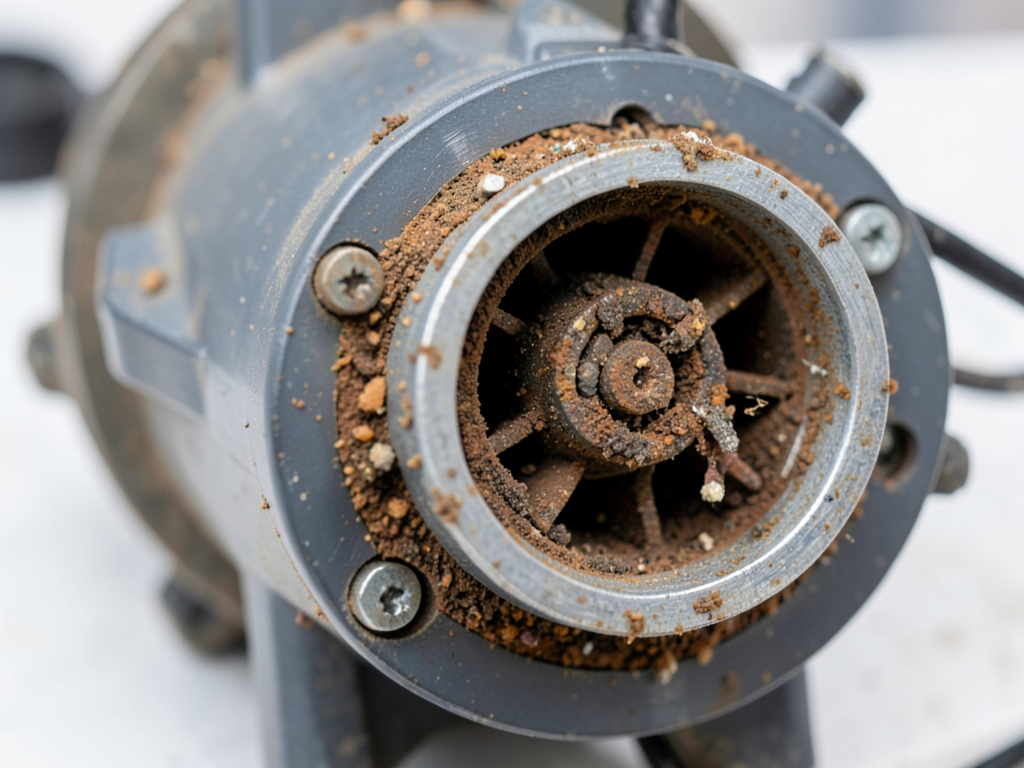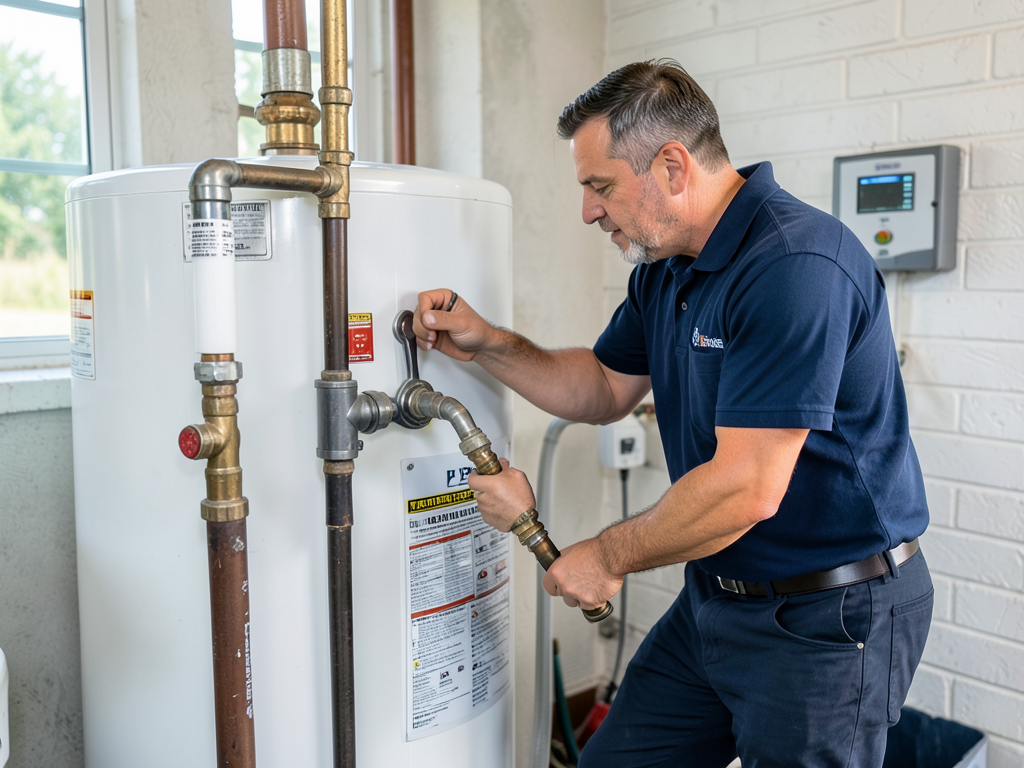






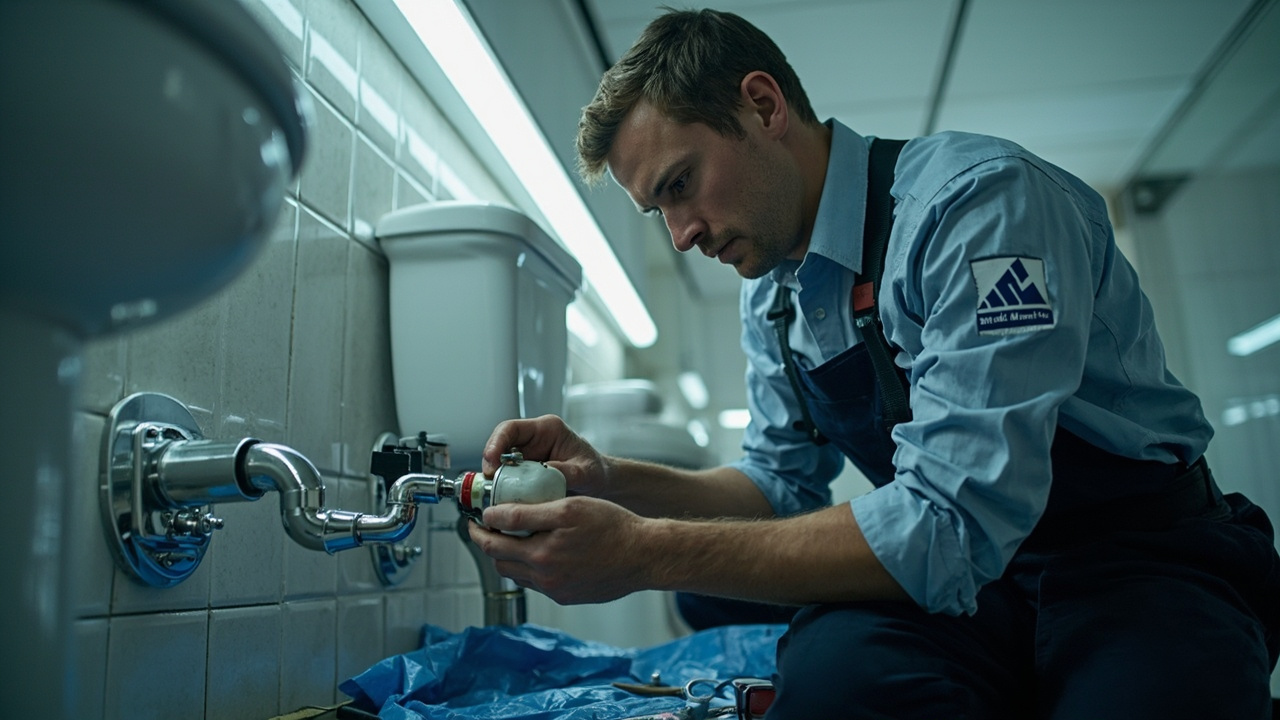

Memphis sits atop the Memphis Sand Aquifer, one of the largest artesian water sources in North America. While this provides abundant supply, the mineral content creates unique challenges for commercial restroom fixtures. Calcium and magnesium deposits accumulate rapidly inside flushometer diaphragms and flush valve seats. These mineral buildups prevent proper closure, causing toilets to run continuously and urinals to drip. In high-use commercial environments, hard water scale can render a flush valve inoperable within eighteen months if not properly maintained. Industrial toilet repair services in Memphis require familiarity with this accelerated wear pattern and the specific descaling techniques needed to restore fixture function without damaging brass valve bodies.
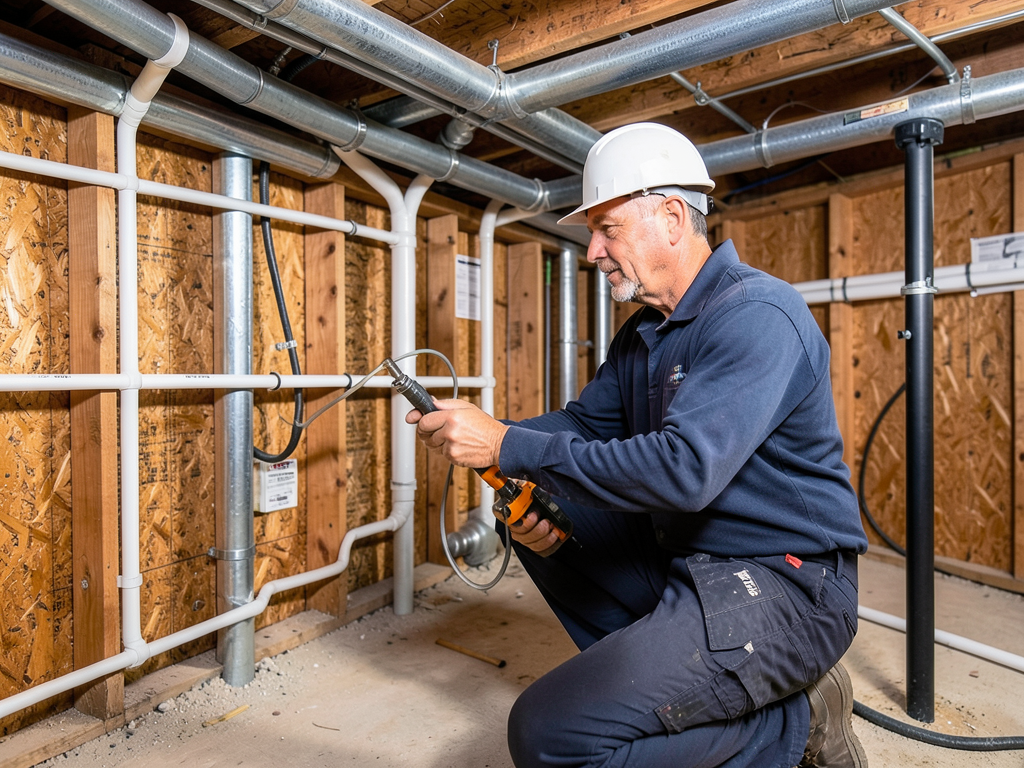
Memphis adopted the 2018 International Plumbing Code with local amendments in 2020. These amendments impose stricter backflow prevention requirements for commercial fixtures than standard IPC provisions. Any contractor performing commercial flush valve replacement must install appropriate vacuum breakers to prevent cross-connection violations. The city's Building Code Enforcement division conducts random plumbing inspections on commercial properties, particularly in the hospitality and food service sectors concentrated downtown and in Overton Square. Choosing a contractor unfamiliar with Memphis-specific code interpretations creates compliance risk. Our experience with local inspectors and their enforcement priorities means repairs pass inspection the first time.