Plumbing Red Flags to Check Before Buying a House in the University District
Buying a home in Memphis’ University District is exciting but comes with unique plumbing risks. Many homes here were built between the 1920s and 1970s using materials and methods that don’t meet today’s standards. Before you sign on the dotted line, understanding these red flags can save you thousands in unexpected repairs and help you negotiate a fair price. How to Tell if You Have a Slab Leak Under Your Memphis Home Foundation.
The University District’s aging infrastructure means you need more than a standard home inspection. A specialized plumbing inspection reveals hidden issues that could turn your dream home into a money pit. From deteriorating sewer lines to outdated water heaters, these problems often go unnoticed until they cause major damage. Midtown Sewer Line Repair Without Digging Up Your Entire Yard.
Let’s walk through the critical plumbing red flags you need to check before buying a house in this historic Memphis neighborhood. Plumbing Somerville.
Why Standard Home Inspections Miss Critical Plumbing Issues
Most home inspectors provide a surface-level evaluation that misses the University District’s specific plumbing vulnerabilities. They check visible fixtures and basic functionality but rarely use specialized tools like sewer cameras or hydrostatic pressure testers.. Read more about How to stop tree roots from ruining the plumbing in your Evergreen historic home.
According to the Shelby County Building Code, homes built before 1980 may contain galvanized steel pipes that corrode from the inside out. This corrosion creates pressure drops and contaminated water that you can’t see by looking at the pipes. A standard inspection won’t catch this until you’re already living there. Shelby County Uniform Plumbing Code.
The University District’s clay soil composition creates another major issue. Memphis sits on highly expansive clay that shifts with moisture changes. This movement breaks sewer line connections and causes slab leaks that standard inspections often miss.. Read more about Why your Downtown Memphis home smells like sewage (and how to stop it).
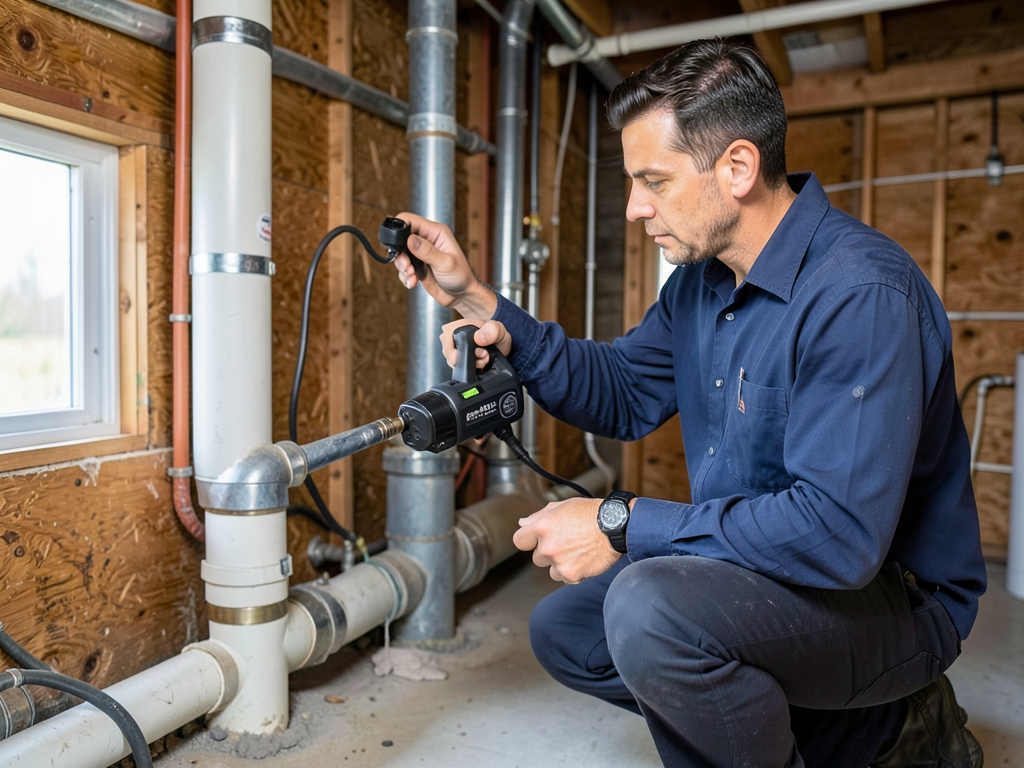
A professional plumbing inspection uses diagnostic tools to find these hidden problems. We run sewer cameras through main lines, test static water pressure, and check for lead content in older pipes. These tests reveal issues that could cost $5,000 to $15,000 to repair after you move in. Professional Drain Cleaning Services in Bartlett to Stop Recurring Clogs for Good.
Call (901) 640-3313 today to schedule a pre-purchase plumbing inspection before you make an offer.
Critical Plumbing Red Flags in University District Homes
University District homes share several common plumbing issues that can derail your home purchase. Here’s what to watch for during your inspection.. Read more about Hidden plumbing costs to prepare for in your Marion home addition.
1. Deteriorating Sewer Lines
Many University District homes still use original clay sewer pipes installed in the 1940s and 1950s. These pipes crack and separate at the joints as the clay soil expands and contracts. Tree roots invade these cracks, creating blockages that back up into your home.. Read more about Replacing Old Pipes with Modern Whole Home Repiping for Memphis Homeowners.
A sewer camera inspection reveals these problems. We feed a waterproof camera through your main sewer line and record the condition. Look for signs of separation, root intrusion, or complete pipe collapse. These issues typically cost $3,000 to $8,000 to repair.. Read more about Quick Toilet Repair and Replacement Services for Mud Island Residents.
2. Galvanized Steel Water Pipes
Homes built before 1960 often contain galvanized steel water pipes. These pipes look fine on the outside but corrode internally over decades. The corrosion reduces water pressure and releases rust into your drinking water.. Read more about Dealing with sand or sediment in your water in Hernando.
Check exposed pipes in basements or crawl spaces. Galvanized pipes have a dull gray color and threaded connections. A static pressure test shows if these pipes are restricting flow. Replacement costs range from $2,000 to $5,000 depending on your home’s size.. Read more about How to Fix Low Water Pressure in Your East Memphis Neighborhood.
3. Lead Service Lines
Some University District homes still have lead water service lines connecting to the municipal supply. Lead exposure poses serious health risks, especially for children and pregnant women.. Read more about How to tell if your water shut-off valve is stuck in your South Memphis home.
A simple scratch test reveals lead pipes. Use a coin to scratch the pipe surface. If it shows a bright silver color underneath, you likely have lead pipes. MLGW recommends replacing all lead service lines immediately. Replacement costs average $3,000 to $6,000.. Read more about Dealing with sweating pipes in your humid Cooper-Young basement.
4. Outdated Water Heaters
The University District’s older homes often have water heaters beyond their 8-12 year lifespan. An aging water heater can flood your home when the tank fails.
Check the manufacturer’s date on the water heater’s label. If it’s over 10 years old, factor in replacement costs of $800 to $1,500. Also verify if it meets current Memphis code requirements for earthquake strapping and proper venting.
5. Improper Drainage and Sump Pumps
University District homes sit in areas with high clay content soil that retains water. Poor drainage around your foundation can cause basement flooding and foundation damage.. Read more about What to do when your dishwasher won’t drain in your Frayser rental property.
Check for proper grading away from the house, functional gutters, and working sump pumps. Test the sump pump by pouring water into the pit. If it doesn’t activate, you’ll need repairs costing $300 to $600.
Memphis-Specific Plumbing Code Requirements
Understanding local code requirements helps you identify violations that could become expensive problems. The Shelby County Uniform Plumbing Code includes several University District-specific requirements.
Section 305.3 of the code requires earthquake strapping for all water heaters. Many older homes lack this safety feature. Installation costs about $150 but prevents $5,000 in potential damage if your water heater falls during seismic activity.
Backflow prevention devices are mandatory for homes with irrigation systems or boilers. These prevent contaminated water from flowing back into your clean water supply. Installation costs $200 to $500 depending on your system.
Main shut-off valve accessibility is required by code. Your main water shut-off must be easily accessible and clearly marked. If it’s buried or difficult to reach, you’ll need plumbing work to bring it up to code.
MLGW requires all new service line installations to use copper or approved plastic materials. Lead and galvanized steel are prohibited for new installations. This affects any repair or replacement work you might need.
University District Neighborhood-Specific Risks
The University District contains several distinct areas with different plumbing characteristics. Understanding your specific location helps target your inspection efforts.
Houses near the University of Memphis campus often have rental history with deferred maintenance. These properties frequently have DIY plumbing repairs that violate code. Look for visible patches, mismatched pipe materials, or amateur soldering work.
Historic Central Gardens homes built in the 1920s and 1930s used lead and galvanized pipes as standard materials. These homes require comprehensive plumbing inspections regardless of their beautiful exteriors.. Read more about Why your pipes are making loud banging noises in Highland Heights.
Areas along Southern Avenue and Park Avenue contain a mix of 1940s-1960s construction. These homes often have clay sewer lines and galvanized water pipes reaching the end of their useful life.
The University District’s proximity to the Wolf River floodplain creates additional concerns. Homes in low-lying areas need proper sump pump systems and backflow prevention to handle heavy rains and potential sewer backups.
Cost-Benefit Analysis of Pre-Purchase Plumbing Inspections
A professional plumbing inspection costs $300 to $500 but can save you thousands in unexpected repairs. Here’s what you’re protecting against:
Sewer line replacement: $3,000 to $8,000
Galvanized pipe replacement: $2,000 to $5,000
Lead service line replacement: $3,000 to $6,000
Water heater replacement: $800 to $1,500
Slab leak repair: $1,000 to $4,000
The inspection cost is minimal compared to these potential repairs. Plus, you can use inspection findings to negotiate a lower purchase price or require the seller to make repairs before closing. Finding an Emergency Plumber in Germantown Who Actually Shows Up After Hours.
Many University District homes have multiple plumbing issues simultaneously. A $400 inspection might reveal $10,000 in needed repairs, giving you leverage to walk away or renegotiate.
What Your Plumbing Inspection Report Should Include
A comprehensive pre-purchase plumbing inspection goes beyond basic functionality checks. Your report should include:
- Sewer camera video footage of main lines
- Static water pressure readings at multiple fixtures
- Material identification for all visible pipes
- Water heater age and code compliance assessment
- Main shut-off valve location and accessibility
- Drainage system evaluation
- Backflow prevention device verification
- Estimated repair costs for identified issues
The report should provide clear recommendations with priority levels. Critical issues affecting safety or habitability should be flagged separately from cosmetic concerns.
Digital delivery allows you to share the report with your real estate agent immediately. Most inspectors provide same-day delivery, letting you make informed decisions quickly in competitive markets.
Red Flags You Can Spot Yourself During Walkthroughs
While professional inspections are essential, you can identify several red flags during your initial home walkthroughs. These warning signs suggest deeper plumbing problems requiring professional evaluation.
Low water pressure at multiple fixtures indicates corroded pipes or main line issues. Test all faucets and showerheads during your walkthrough. Consistent low pressure across the house suggests systemic problems.. Read more about Fixing weak shower pressure in a historic Central Gardens bathroom.
Discolored water when first turning on taps often indicates galvanized pipe corrosion. Run cold water for 30 seconds and observe the color. Rusty or yellow water suggests internal pipe deterioration.. Read more about Moving your laundry room to the second floor of your Tipton County home.
Visible water stains on ceilings or walls indicate past or active leaks. Don’t just look at the stain location. Follow the plumbing path to identify the source. Multiple stains suggest recurring problems.
Gurgling sounds from drains when flushing toilets or running washing machines indicate partial blockages or venting issues. These problems worsen over time and can cause sewage backups.. Read more about Keeping the floor drains clear in your Whitehaven basement or garage.
Damp spots in basements or crawl spaces suggest active leaks or poor drainage. Use a flashlight to check corners and along foundation walls. Musty odors often accompany moisture problems.
Negotiating Repairs and Price Adjustments
Your plumbing inspection findings become powerful negotiation tools in the University District’s competitive market. Here’s how to use them effectively.
Request seller credits for major repairs rather than asking for specific work. Credits give you control over contractor selection and timing. For example, ask for a $5,000 credit toward sewer line replacement instead of demanding the seller handle it.
Prioritize safety and code compliance issues in your negotiations. Lead pipe replacement and earthquake strapping are non-negotiable for most buyers. These items should be addressed before closing.
Consider the age and condition of the entire plumbing system when evaluating repair costs. A 70-year-old home with original plumbing may need $15,000 in updates over five years. Factor this into your offer price.
Include inspection contingencies in your purchase agreement. This allows you to renegotiate or walk away if major issues emerge. Most University District sellers expect and accept reasonable inspection contingencies.
Frequently Asked Questions
How long does a pre-purchase plumbing inspection take?
A comprehensive inspection typically requires 2-3 hours. This includes camera work, pressure testing, and visual assessments. Complex properties or those with known issues may require additional time.
Should I be present during the inspection?
Yes, being present allows you to ask questions and understand the findings firsthand. Most inspectors encourage buyer attendance and provide real-time explanations of issues they discover.
Can I use inspection findings after closing?
Most inspection reports include disclaimers limiting their use to the specific transaction. For post-closing issues, you’ll need a new inspection and may need to pursue legal remedies depending on your purchase agreement.
What if the seller refuses to address plumbing issues?
You can request price reductions, seller credits, or walk away from the deal if your contract includes inspection contingencies. Some sellers prefer credits over making repairs themselves.
How soon should I schedule the inspection?
Schedule your plumbing inspection after your general home inspection but before finalizing your offer. This timing allows you to incorporate findings into your negotiation strategy while remaining competitive.
Ready to protect your investment? Call (901) 640-3313 today to schedule your University District plumbing inspection before making an offer.
Final Checklist Before Making Your Offer
Use this checklist to ensure you’ve covered all critical plumbing red flags before submitting your offer on a University District home.
- Verify the home’s construction date and identify likely plumbing materials
- Check for visible signs of galvanized pipes, lead service lines, or clay sewer pipes
- Test water pressure at multiple fixtures during your walkthrough
- Look for water stains, corrosion, or DIY plumbing patches
- Schedule a professional plumbing inspection with sewer camera work
- Review the inspection report and estimate repair costs
- Negotiate repairs or credits based on findings
- Include inspection contingencies in your purchase agreement
University District homes offer charm and character but come with unique plumbing challenges. Taking time to identify and address these red flags protects your investment and prevents costly surprises after you move in.
The right inspection reveals issues that could cost thousands to repair. More importantly, it gives you negotiating power to ensure you’re paying a fair price for your new home. Don’t let hidden plumbing problems turn your dream home into a financial nightmare.
Call (901) 640-3313 now to schedule your comprehensive plumbing inspection. Our local experts know exactly what to look for in University District homes and can help you make an informed decision before it’s too late.
You may also find this helpful. How to properly winterize your outdoor plumbing in Eads before the first freeze.
You may also find this helpful. Why your refrigerator ice maker isn’t working in your High Point Terrace kitchen.
You may also find this helpful. Deciding between a French drain and a sump pump for your wet yard in Atoka.
You may also find this helpful. Cleaning green corrosion off the vintage brass fixtures in your Annesdale Park home.
You may also find this helpful. Is it finally time to ditch your traditional water heater in Rossville?.
You may also find this helpful. Stopping the loud banging sound when your washing machine runs in Sea Isle Park.
{
“@context”: “https://schema.org”,
“@type”: “BlogPosting”,
“headline”: “Plumbing red flags to check before buying a house in the University District”,
“description”: “Before buying a home in Memphis’ University District, check for these critical plumbing red flags. Learn what hidden issues can cost you thousands and how to spot them.”,
“wordCount”: 2097,
“datePublished”: “2026-03-09T10:01:00.000Z”,
“dateModified”: “2026-03-09T10:01:00.000Z”,
“inLanguage”: “en-US”,
“mainEntityOfPage”: {
“@type”: “WebPage”,
“@id”: “https://aceplumbingmemphis.com”
},
“publisher”: {
“@type”: “LocalBusiness”,
“name”: “Ace Plumbing Memphis”,
“url”: “https://aceplumbingmemphis.com”
},
“author”: {
“@type”: “Organization”,
“name”: “Ace Plumbing Memphis”,
“url”: “https://aceplumbingmemphis.com”
},
“image”: {
“@type”: “ImageObject”,
“url”: “https://aceplumbingmemphis.com/wp-content/uploads/2026/03/plumbing-red-flags-to-check-before-buying-a-house-1.png”
}
}
{
“@context”: “https://schema.org”,
“@type”: “Plumber”,
“name”: “Ace Plumbing Memphis”,
“url”: “https://aceplumbingmemphis.com”,
“address”: {
“@type”: “PostalAddress”,
“addressLocality”: “Memphis”
},
“areaServed”: {
“@type”: “City”,
“name”: “Memphis”
}
}
{
“@context”: “https://schema.org”,
“@type”: “FAQPage”,
“mainEntity”: [
{
“@type”: “Question”,
“name”: “How long does a pre-purchase plumbing inspection take?”,
“acceptedAnswer”: {
“@type”: “Answer”,
“text”: “A comprehensive inspection typically requires 2-3 hours. This includes camera work, pressure testing, and visual assessments. Complex properties or those with known issues may require additional time.”
}
},
{
“@type”: “Question”,
“name”: “Should I be present during the inspection?”,
“acceptedAnswer”: {
“@type”: “Answer”,
“text”: “Yes, being present allows you to ask questions and understand the findings firsthand. Most inspectors encourage buyer attendance and provide real-time explanations of issues they discover.”
}
},
{
“@type”: “Question”,
“name”: “Can I use inspection findings after closing?”,
“acceptedAnswer”: {
“@type”: “Answer”,
“text”: “Most inspection reports include disclaimers limiting their use to the specific transaction. For post-closing issues, you’ll need a new inspection and may need to pursue legal remedies depending on your purchase agreement.”
}
},
{
“@type”: “Question”,
“name”: “What if the seller refuses to address plumbing issues?”,
“acceptedAnswer”: {
“@type”: “Answer”,
“text”: “You can request price reductions, seller credits, or walk away from the deal if your contract includes inspection contingencies. Some sellers prefer credits over making repairs themselves.”
}
},
{
“@type”: “Question”,
“name”: “How soon should I schedule the inspection?”,
“acceptedAnswer”: {
“@type”: “Answer”,
“text”: “Schedule your plumbing inspection after your general home inspection but before finalizing your offer. This timing allows you to incorporate findings into your negotiation strategy while remaining competitive.”
}
}
]
}
{
“@context”: “https://schema.org”,
“@type”: “BreadcrumbList”,
“itemListElement”: [
{
“@type”: “ListItem”,
“position”: 1,
“name”: “Home”,
“item”: “https://aceplumbingmemphis.com”
},
{
“@type”: “ListItem”,
“position”: 2,
“name”: “Blog”,
“item”: “https://aceplumbingmemphis.com/blog”
},
{
“@type”: “ListItem”,
“position”: 3,
“name”: “Plumbing red flags to check before buying a house in the University District”
}
]
}
{
“@context”: “https://schema.org”,
“@type”: “Service”,
“serviceType”: “Plumbing”,
“provider”: {
“@type”: “LocalBusiness”,
“name”: “Ace Plumbing Memphis”,
“url”: “https://aceplumbingmemphis.com”
},
“areaServed”: {
“@type”: “City”,
“name”: “Memphis”
},
“description”: “Before buying a home in Memphis’ University District, check for these critical plumbing red flags. Learn what hidden issues can cost you thousands and how to spot them.”
}