Moving your laundry room to the second floor of your Tipton County home
Moving your laundry room upstairs is a popular home improvement in Tipton County that can add convenience and free up valuable first-floor space. But this isn’t a weekend DIY project. Relocating laundry plumbing requires careful planning, permits, and professional installation to protect your home from water damage and ensure code compliance. Professional Drain Cleaning Services in Bartlett to Stop Recurring Clogs for Good.
Second-floor laundry relocations involve extending hot and cold water supply lines, installing proper drainage with P-traps and venting, and potentially running gas lines for dryers. In Tipton County, you’ll need to follow Shelby County plumbing codes and obtain permits before any work begins. The process typically takes 2-4 days and costs between $1,500-$4,000 depending on your home’s layout and distance from existing plumbing. Shelby County Plumbing Permit Application.
Before you start knocking down walls, understand the technical requirements and risks. Improper installation can lead to leaks, mold growth, or even structural damage. Professional plumbers know how to navigate your home’s existing systems and ensure everything meets local codes. Let’s walk through what’s involved in moving your laundry room upstairs safely. How to Tell if You Have a Slab Leak Under Your Memphis Home Foundation.
Understanding the plumbing requirements for second-floor laundry
Laundry rooms require three main plumbing systems: water supply, drainage, and ventilation. When moving these upstairs, you’re essentially creating a new plumbing zone that must integrate with your home’s existing systems. Plumbing Somerville.
Water supply lines need to extend from your main water manifold or nearest fixture to the new location. Most modern installations use PEX piping because it’s flexible, freeze-resistant, and easier to run through walls. Copper remains an option but requires more fittings and is harder to retrofit in finished spaces. Water Stains on Ceiling or Walls.
The drainage system is more complex. Your washing machine needs a dedicated 2-inch drain line that connects to your home’s main stack or sewer line. This line must maintain a minimum slope of 1/4 inch per foot to prevent standing water. The standpipe where your washer connects must be 36-42 inches high to prevent siphoning during the drain cycle. Midtown Sewer Line Repair Without Digging Up Your Entire Yard.
Venting is critical and often overlooked by DIYers. Every drain needs proper venting to prevent traps from being siphoned dry and to allow wastewater to flow freely. Your new laundry drain must tie into the existing vent system or get a new vent that extends through the roof. Without proper venting, you’ll experience slow drainage, gurgling sounds, and eventually complete backups.. Read more about Stopping the loud banging sound when your washing machine runs in Sea Isle Park.
Gas dryers add another layer of complexity. Extending a gas line requires proper sizing, leak testing, and compliance with MLGW (Memphis Light, Gas and Water) standards. Any gas work must be performed by a licensed professional and inspected before use. MLGW Gas Safety Requirements.
Step-by-step process for moving laundry upstairs
Professional laundry relocation follows a specific sequence to ensure everything works correctly and passes inspection. Here’s what to expect:
- Initial Assessment and Planning
A licensed plumber evaluates your home’s current plumbing layout, identifies the best route for new lines, and determines if structural modifications are needed. They’ll check your main stack location, water pressure, and available space in walls and floors.. Read more about Hidden plumbing costs to prepare for in your Marion home addition.
- Permit Acquisition
Shelby County requires permits for any plumbing alterations. Your plumber should handle this process, submitting plans that show the new layout and how it connects to existing systems. Permit fees vary but typically range from $100-$300.
- Wall and Floor Preparation
Access panels are cut in walls and ceilings to run new piping. In slab homes common in Tipton County, trenching through concrete may be necessary. This is often the messiest part of the job but must be done carefully to avoid damaging structural elements.
- Supply Line Installation
Hot and cold water lines are run from the nearest manifold or fixture to the new laundry location. PEX piping is typically used and secured with proper supports every 32 inches horizontally and 10 feet vertically.
- Drain and Vent Installation
The 2-inch drain line is installed with proper slope and connected to the main stack. A P-trap is installed below floor level, and the standpipe is set to the correct height. Vent piping is run to connect with the existing vent system or extended through the roof.
- Fixture Installation
The washing machine outlet box is mounted at the correct height (typically 48 inches from the floor). This box contains the hot and cold valves and the standpipe connection. For gas dryers, the gas line is extended and connected.. Read more about When to replace the rubber washing machine hoses in your Normal Station laundry room.
- Pressure Testing and Inspection
Before walls are closed up, the entire system is pressure tested for leaks. The installation must pass county inspection before final approval. This includes checking drain slope, vent connections, and gas line integrity.
- Final Connections and Testing
After passing inspection, walls are repaired, and the washer and dryer are connected. The system is tested with a full wash cycle to check for leaks and proper drainage.
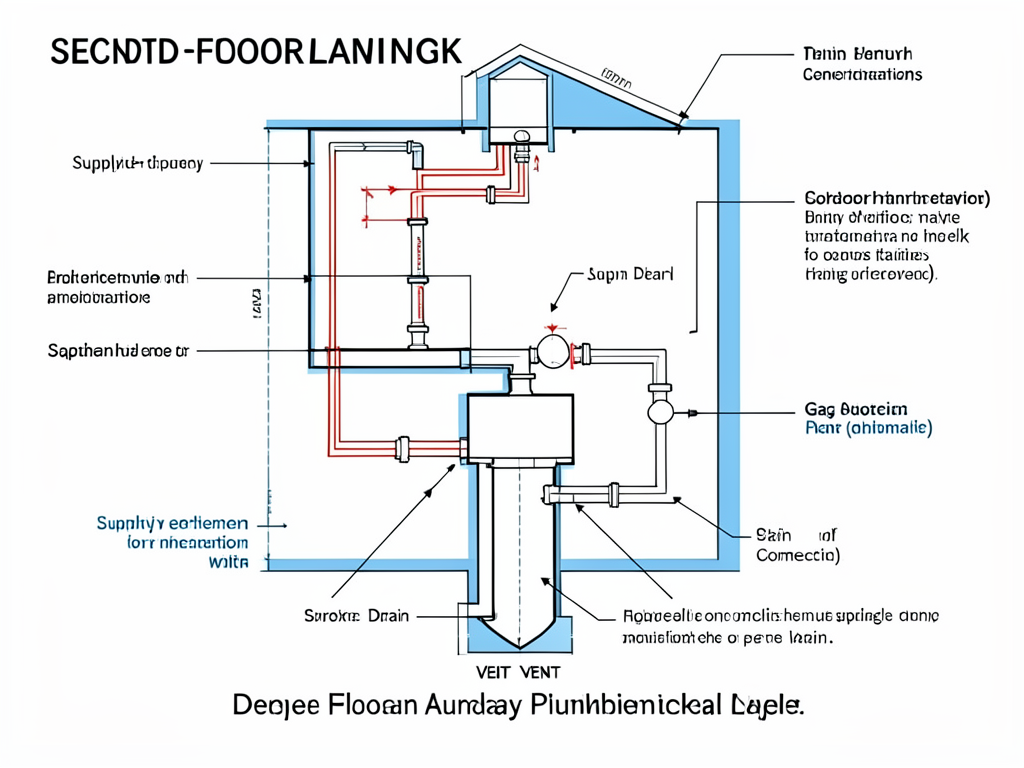
– Technical diagram showing proper second-floor laundry plumbing layout with supply lines, drain, vent, and gas connections clearly labeled.
Cost factors for laundry room relocation in Tipton County
Several factors affect the total cost of moving your laundry room upstairs. Understanding these helps you budget accurately and avoid surprises.
Distance from existing plumbing is the biggest cost driver. Moving laundry 10 feet from the main stack might cost $1,500, while moving it 30 feet could exceed $3,000 due to additional piping, fittings, and labor.
Your home’s construction type significantly impacts cost. Homes with crawl spaces or basements allow easier access to run pipes underneath. Slab-on-grade homes, common in newer Tipton County developments, require cutting through concrete, adding $500-$1,000 to the project.
Wall construction and accessibility affect labor time. Open walls during a remodel cost less than finished walls that require patching and painting afterward. Older homes may have plaster walls that are harder to work with than modern drywall.
Gas vs. electric dryers changes the scope. Electric dryers only need proper 240V outlet installation. Gas dryers require extending the gas line, pressure testing, and MLGW inspection, adding $300-$500 to the project.
Permit and inspection fees in Shelby County typically run $150-$300. While your plumber usually handles this, it’s part of your total investment.
Additional features like utility sinks, folding counters, or upgraded flooring increase costs but add functionality. A basic laundry relocation focuses on plumbing; everything else is optional.
Here’s a breakdown of typical cost ranges for laundry relocations in the Memphis area:
| Factor | Basic Range | Average Cost | Premium Range |
|---|---|---|---|
| Distance from main stack | Under 15 ft | 15-25 ft | Over 25 ft |
| Construction type | Crawl space | Basement | Slab-on-grade |
| Gas line needed | No | Yes | Complex reroute |
| Wall access | Open during remodel | Finished walls | Plaster walls |
Common challenges and how professionals solve them
Moving laundry upstairs presents several challenges that require professional expertise to solve correctly.
Structural limitations often dictate where plumbing can go. Load-bearing walls cannot be cut without proper support, and some joist configurations make running pipes underneath impossible. Experienced plumbers know how to work within these constraints or recommend structural modifications when necessary.
Water pressure issues become apparent on upper floors. Your home needs adequate pressure to push water up two stories. If pressure is borderline, a booster pump may be required. Professionals test pressure before quoting to avoid callbacks later.
Freeze protection matters in Tipton County’s occasional cold snaps. Pipes in exterior walls or unheated spaces need insulation or heat tape. Professional installations include proper insulation and strategic pipe routing to prevent freezing.
Noise reduction is important for second-floor laundry. Water rushing through pipes can sound like a waterfall in bedrooms below. Professionals use insulated piping, proper mounting, and sometimes isolation brackets to minimize noise transmission.
Future access is often overlooked in DIY projects. Professional plumbers install access panels behind washers and in ceilings below for future maintenance. They also document the plumbing layout for future reference.
Code compliance goes beyond just passing inspection. Professional work ensures your system won’t cause problems years later. This includes proper trap arm lengths, vent sizing, and cleanout locations that meet current UPC (Uniform Plumbing Code) standards.
Why professional installation matters in Memphis homes
Memphis-area homes have specific characteristics that make professional plumbing expertise essential for laundry relocations.
Historic home considerations: Many Tipton County homes near Memphis were built before modern plumbing codes existed. These homes often have galvanized pipes that are corroded inside, inadequate venting, or mixed materials that create compatibility issues. Professionals know how to integrate new PEX or copper systems with existing legacy plumbing.
Soil and foundation issues: The expansive clay soils common in Shelby County cause foundation movement that can stress plumbing connections. Professional installations use flexible connections and proper support to accommodate minor shifting without causing leaks.
MLGW utility coordination: Gas line work requires coordination with Memphis Light, Gas and Water. They have specific requirements for sizing, testing, and inspection that only licensed professionals understand. DIY gas work is illegal and dangerous.
Local code nuances: Shelby County has specific requirements that may differ from state code. For example, they require specific trap arm lengths and vent configurations that might not be obvious to out-of-area contractors.
Insurance implications: DIY plumbing that causes damage may not be covered by homeowner’s insurance. Professional installation with proper permits protects your investment and ensures coverage if problems arise.
Resale value: Professional work with permits and inspections adds to your home’s value and makes selling easier. Buyers and inspectors can verify the work was done correctly.
Long-term reliability: Professional installations use proper materials, supports, and techniques that prevent future problems. The few hundred dollars more you spend upfront saves thousands in potential water damage repairs later.
Frequently Asked Questions
How long does it take to move a laundry room upstairs?
Most laundry relocations take 2-4 days total. Day one involves assessment and permit acquisition. Days two and three handle the actual plumbing work. A final inspection and testing occur on day four. Complex jobs in finished homes may take longer.
Do I need a permit to move my laundry room in Tipton County?
Yes, Shelby County requires permits for any plumbing alterations, including laundry relocations. The permit ensures your work meets code requirements and will be inspected by county officials. Your plumber should handle permit acquisition as part of the project.
Can I move my laundry room myself to save money?
While possible, DIY laundry relocation is risky. Plumbing mistakes can cause thousands in water damage, and improper venting leads to slow drains and sewer gas issues. Gas line work is illegal without a license. The cost savings rarely justify the risks of DIY installation.
What’s the minimum space needed for a second-floor laundry closet?
A basic laundry closet needs at least 32 inches wide by 30 inches deep for the washer and dryer. Add 36 inches in front for loading and 12 inches on one side for the water shutoff valves and drain connection. Stackable units save space but still need proper plumbing access.
Will moving my laundry upstairs affect my home’s water pressure?
Second-floor laundry does reduce pressure due to elevation. Most homes have adequate pressure for this, but if your pressure is marginal, you might notice slower fill times. Professionals test pressure before quoting and can recommend booster pumps if needed.
Making the right choice for your home
Moving your laundry room upstairs can transform your daily routine and free up valuable first-floor space. The convenience of having laundry near bedrooms often outweighs the initial investment. But this convenience only lasts if the installation is done correctly.
Professional laundry relocation ensures your new setup works reliably for years without leaks, drainage issues, or code violations. The cost difference between professional and DIY installation is small compared to potential water damage repairs or the hassle of fixing DIY mistakes.
Before starting your project, get a professional assessment of your home’s plumbing layout and structural considerations. A licensed plumber can identify potential challenges and provide accurate quotes based on your specific situation. They’ll also handle permits and ensure everything passes inspection.
Ready to upgrade your home with upstairs laundry? Call (901) 640-3313 today to schedule your assessment. Our experienced team knows Tipton County homes inside and out, and we’ll make sure your laundry relocation is done right the first time.
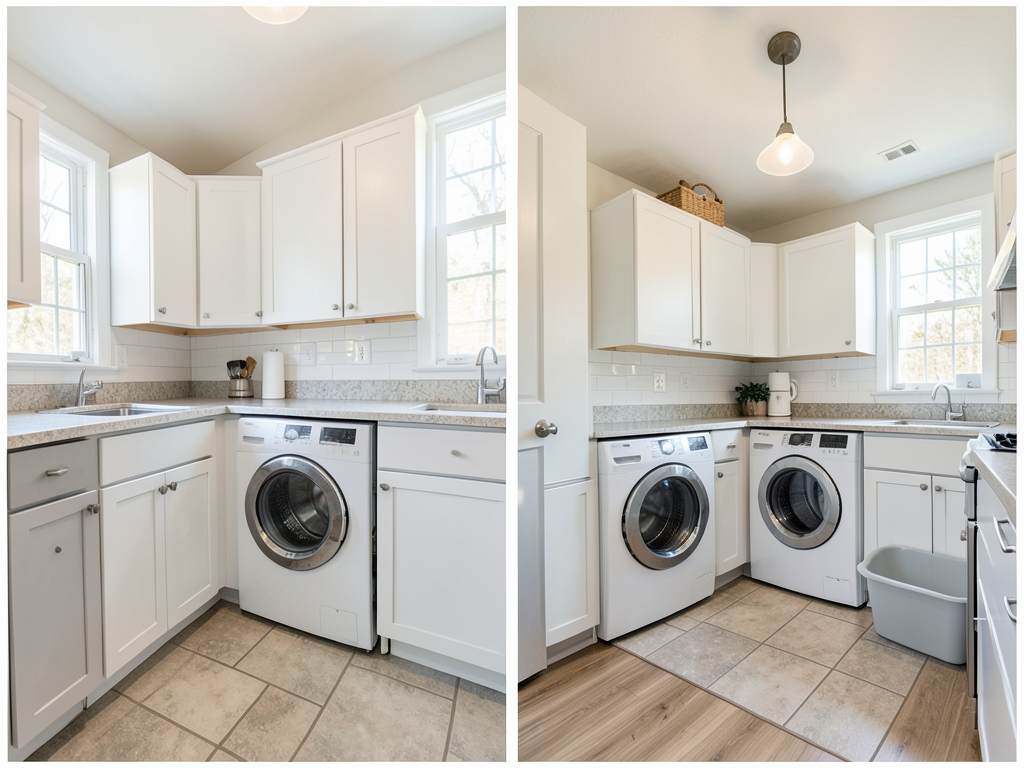
– Before and after photo series showing a successful laundry room relocation from first floor to second floor in a Tipton County home.
– Close-up photo of properly installed washing machine outlet box with shutoff valves and standpipe in a finished wall.
Protect your home with professional laundry relocation
Don’t risk water damage or code violations with DIY laundry moves. Professional installation protects your home’s value and gives you peace of mind. Call (901) 640-3313 now to speak with our Tipton County laundry relocation specialists. We’ll handle everything from permits to final inspection, ensuring your new laundry room works perfectly from day one.
{
“@context”: “https://schema.org”,
“@type”: “BlogPosting”,
“headline”: “Moving your laundry room to the second floor of your Tipton County home”,
“description”: “Professional laundry room relocation in Tipton County. Learn the plumbing requirements, codes, and process for moving your washer and dryer upstairs safely.”,
“wordCount”: 2169,
“datePublished”: “2026-03-24T13:29:00.000Z”,
“dateModified”: “2026-03-24T13:29:00.000Z”,
“inLanguage”: “en-US”,
“mainEntityOfPage”: {
“@type”: “WebPage”,
“@id”: “https://aceplumbingmemphis.com”
},
“publisher”: {
“@type”: “LocalBusiness”,
“name”: “Ace Plumbing Memphis”,
“url”: “https://aceplumbingmemphis.com”
},
“author”: {
“@type”: “Organization”,
“name”: “Ace Plumbing Memphis”,
“url”: “https://aceplumbingmemphis.com”
},
“image”: {
“@type”: “ImageObject”,
“url”: “https://aceplumbingmemphis.com/wp-content/uploads/2026/03/moving-your-laundry-room-to-the-second-floor-of-yo-1.png”
}
}
{
“@context”: “https://schema.org”,
“@type”: “Plumber”,
“name”: “Ace Plumbing Memphis”,
“url”: “https://aceplumbingmemphis.com”,
“address”: {
“@type”: “PostalAddress”,
“addressLocality”: “Memphis”
},
“areaServed”: {
“@type”: “City”,
“name”: “Memphis”
}
}
{
“@context”: “https://schema.org”,
“@type”: “FAQPage”,
“mainEntity”: [
{
“@type”: “Question”,
“name”: “How long does it take to move a laundry room upstairs?”,
“acceptedAnswer”: {
“@type”: “Answer”,
“text”: “Most laundry relocations take 2-4 days total. Day one involves assessment and permit acquisition. Days two and three handle the actual plumbing work. A final inspection and testing occur on day four. Complex jobs in finished homes may take longer.”
}
},
{
“@type”: “Question”,
“name”: “Do I need a permit to move my laundry room in Tipton County?”,
“acceptedAnswer”: {
“@type”: “Answer”,
“text”: “Yes, Shelby County requires permits for any plumbing alterations, including laundry relocations. The permit ensures your work meets code requirements and will be inspected by county officials. Your plumber should handle permit acquisition as part of the project.”
}
},
{
“@type”: “Question”,
“name”: “Can I move my laundry room myself to save money?”,
“acceptedAnswer”: {
“@type”: “Answer”,
“text”: “While possible, DIY laundry relocation is risky. Plumbing mistakes can cause thousands in water damage, and improper venting leads to slow drains and sewer gas issues. Gas line work is illegal without a license. The cost savings rarely justify the risks of DIY installation.”
}
},
{
“@type”: “Question”,
“name”: “What’s the minimum space needed for a second-floor laundry closet?”,
“acceptedAnswer”: {
“@type”: “Answer”,
“text”: “A basic laundry closet needs at least 32 inches wide by 30 inches deep for the washer and dryer. Add 36 inches in front for loading and 12 inches on one side for the water shutoff valves and drain connection. Stackable units save space but still need proper plumbing access.”
}
},
{
“@type”: “Question”,
“name”: “Will moving my laundry upstairs affect my home’s water pressure?”,
“acceptedAnswer”: {
“@type”: “Answer”,
“text”: “Second-floor laundry does reduce pressure due to elevation. Most homes have adequate pressure for this, but if your pressure is marginal, you might notice slower fill times. Professionals test pressure before quoting and can recommend booster pumps if needed.”
}
}
]
}
{
“@context”: “https://schema.org”,
“@type”: “HowTo”,
“name”: “Laundry Room Relocation Process”,
“step”: [
{
“@type”: “HowToStep”,
“position”: 1,
“name”: “Initial Assessment and Planning”,
“text”: “A licensed plumber evaluates your home’s current plumbing layout, identifies the best route for new lines, and determines if structural modifications are needed. They’ll check your main stack location, water pressure, and available space in walls and floors.”
},
{
“@type”: “HowToStep”,
“position”: 2,
“name”: “Permit Acquisition”,
“text”: “Shelby County requires permits for any plumbing alterations. Your plumber should handle this process, submitting plans that show the new layout and how it connects to existing systems. Permit fees vary but typically range from $100-$300.”
},
{
“@type”: “HowToStep”,
“position”: 3,
“name”: “Wall and Floor Preparation”,
“text”: “Access panels are cut in walls and ceilings to run new piping. In slab homes common in Tipton County, trenching through concrete may be necessary. This is often the messiest part of the job but must be done carefully to avoid damaging structural elements.”
},
{
“@type”: “HowToStep”,
“position”: 4,
“name”: “Supply Line Installation”,
“text”: “Hot and cold water lines are run from the nearest manifold or fixture to the new laundry location. PEX piping is typically used and secured with proper supports every 32 inches horizontally and 10 feet vertically.”
},
{
“@type”: “HowToStep”,
“position”: 5,
“name”: “Drain and Vent Installation”,
“text”: “The 2-inch drain line is installed with proper slope and connected to the main stack. A P-trap is installed below floor level, and the standpipe is set to the correct height. Vent piping is run to connect with the existing vent system or extended through the roof.”
},
{
“@type”: “HowToStep”,
“position”: 6,
“name”: “Fixture Installation”,
“text”: “The washing machine outlet box is mounted at the correct height (typically 48 inches from the floor). This box contains the hot and cold valves and the standpipe connection. For gas dryers, the gas line is extended and connected.”
},
{
“@type”: “HowToStep”,
“position”: 7,
“name”: “Pressure Testing and Inspection”,
“text”: “Before walls are closed up, the entire system is pressure tested for leaks. The installation must pass county inspection before final approval. This includes checking drain slope, vent connections, and gas line integrity.”
},
{
“@type”: “HowToStep”,
“position”: 8,
“name”: “Final Connections and Testing”,
“text”: “After passing inspection, walls are repaired, and the washer and dryer are connected. The system is tested with a full wash cycle to check for leaks and proper drainage.”
}
],
“image”: “https://aceplumbingmemphis.com/wp-content/uploads/2026/03/moving-your-laundry-room-to-the-second-floor-of-yo-1.png”
}
{
“@context”: “https://schema.org”,
“@type”: “BreadcrumbList”,
“itemListElement”: [
{
“@type”: “ListItem”,
“position”: 1,
“name”: “Home”,
“item”: “https://aceplumbingmemphis.com”
},
{
“@type”: “ListItem”,
“position”: 2,
“name”: “Blog”,
“item”: “https://aceplumbingmemphis.com/blog”
},
{
“@type”: “ListItem”,
“position”: 3,
“name”: “Moving your laundry room to the second floor of your Tipton County home”
}
]
}
{
“@context”: “https://schema.org”,
“@type”: “Service”,
“serviceType”: “Plumbing”,
“provider”: {
“@type”: “LocalBusiness”,
“name”: “Ace Plumbing Memphis”,
“url”: “https://aceplumbingmemphis.com”
},
“areaServed”: {
“@type”: “City”,
“name”: “Memphis”
},
“description”: “Professional laundry room relocation in Tipton County. Learn the plumbing requirements, codes, and process for moving your washer and dryer upstairs safely.”
}