Why your Downtown Memphis home smells like sewage (and how to stop it)
If you smell sewage inside your Downtown Memphis home, you need to act fast. That odor means sewer gas is escaping somewhere in your plumbing system. Sewer gas contains methane, hydrogen sulfide, and other toxic compounds that can make you sick or even create an explosion risk in confined spaces. Midtown Sewer Line Repair Without Digging Up Your Entire Yard.
The most common causes in older Memphis homes are dry P-traps, cracked sewer lines, or blocked vent stacks. The humid Memphis climate and shifting clay soils put extra stress on aging pipes. Before you call a plumber, you can check a few things yourself. Pour water down rarely used drains like basement floor drains or guest bathrooms. If the smell goes away, you had a dry P-trap. If not, you likely have a more serious issue like a cracked sewer line or blocked vent that needs professional attention. Professional Drain Cleaning Services in Bartlett to Stop Recurring Clogs for Good.
Call (901) 640-3313 today to schedule your inspection before the next storm hits.
Common causes of sewage smells in Memphis homes
Several plumbing problems can let sewer gas into your living space. Here are the most frequent culprits we see in Downtown Memphis properties. How to Tell if You Have a Slab Leak Under Your Memphis Home Foundation.
Dry P-traps
P-traps are the U-shaped pipes under sinks, tubs, and floor drains. They hold water to block sewer gas from rising into your home. When a drain sits unused for weeks, the water evaporates and breaks the seal. This happens often in guest bathrooms, basement floor drains, or seasonal properties.
Pouring a gallon of water down the drain usually refills the trap and stops the smell. If the odor returns within a day or two, the trap may be leaking or you have a different problem.
Blocked or damaged vent stacks
Vent stacks run from your drain system through the roof. They equalize pressure and let sewer gas escape outside. When leaves, bird nests, or ice block these pipes, gas backs up into your drains. You might hear gurgling sounds from toilets or sinks when this happens.
In older Downtown Memphis homes, cast iron vent stacks can rust through. A plumber can inspect these with a camera to find cracks or blockages.
Cracked or separated sewer lines
Memphis sits on expansive clay soil that shifts with moisture changes. This movement can crack clay or cast iron sewer pipes, especially in homes built before the 1980s. Tree roots also seek out moisture in sewer lines and can grow through small cracks, making them worse.
When a sewer line cracks under your home or in the yard, gas escapes before it reaches the street. You might notice the smell strongest near basement drains or in rooms above the damaged pipe.
Backed-up floor drains
Floor drains in basements and laundry rooms connect to the main sewer. If the municipal sewer system backs up during heavy rain, water and gas can rise through these drains. Memphis averages 54 inches of rain per year, and sudden downpours can overwhelm older sewer systems.
A backflow preventer installed on your main sewer line can stop this problem. Without one, you risk sewage flooding your basement during the next big storm.
Failed wax ring under toilet
The wax ring seals your toilet to the floor and the drain pipe. Over time, this seal can break down from age, toilet movement, or water damage to the subfloor. When it fails, sewer gas escapes around the toilet base.
You might notice the smell strongest in the bathroom or see water damage around the toilet. Replacing the wax ring is a simple fix but requires removing the toilet.
Why Downtown Memphis homes face unique sewer challenges
Downtown Memphis has some of the oldest infrastructure in Shelby County. Many homes in the South Main Arts District and around Beale Street were built in the early 1900s with materials and methods no longer used today.. Read more about Why your backyard near Shelby Farms smells like a sewer after a heavy rain.
Older homes often have clay sewer pipes that become brittle with age. These pipes connect to the city main with concrete joints that deteriorate over decades. When the ground shifts from our wet-dry seasonal cycles, these joints separate and leak. EPA information on sewer systems.
Another issue unique to Downtown is the combined sewer system in some areas. Storm water and sewage flow through the same pipes to the treatment plant. During heavy rain, these pipes can surcharge and force gas back into homes through drains.
The Mississippi River’s proximity also affects our soil. The river’s water table fluctuates seasonally, putting pressure on underground pipes. Homes near the river or in low-lying areas face higher risks of sewer line damage.
Health risks of sewer gas exposure
Sewer gas isn’t just unpleasant. It contains several dangerous compounds. Hydrogen sulfide gives it that rotten egg smell and can cause headaches, dizziness, and nausea at low concentrations. At higher levels, it can cause loss of consciousness or death.
Methane is odorless and highly flammable. In enclosed spaces like basements, it can build up to explosive levels. Even if you don’t smell the gas, methane accumulation creates a serious safety hazard.
Ammonia in sewer gas irritates eyes and respiratory systems. People with asthma or other breathing problems may experience worse symptoms. Long-term exposure to low levels of sewer gas can cause chronic fatigue, memory problems, and other health issues.
If you notice a sewage smell, open windows for ventilation and leave the area if symptoms develop. Don’t ignore persistent odors. What starts as a nuisance can become a serious health threat.
DIY troubleshooting steps
Before calling a plumber, you can check a few things yourself. These steps help you identify simple problems and give your plumber useful information.
- Check all drains
Pour a cup of water down each sink, tub, and floor drain in your home. Wait 30 minutes and check if the smell returns. If it does, the P-trap may be leaking or you have a different issue.
- Inspect toilets
Gently rock each toilet side to side. If it moves, the wax ring may have failed. Also check for water damage around the base.
- Look for visible leaks
Check under sinks and around exposed pipes for moisture or corrosion. Old cast iron pipes often show rust spots before they fail completely.
- Test vent stacks
Have someone flush a toilet while you listen near other drains. Gurgling sounds indicate a blocked vent.
- Check for backflow
If you have a basement floor drain, pour water into it and watch for bubbles or rising water. This indicates a sewer backup.
If these steps don’t solve the problem, you need professional help. Some issues require specialized equipment to diagnose.
When to call a professional plumber
Call a licensed plumber if the smell persists after checking P-traps, if you hear gurgling from multiple drains, or if you notice slow drains throughout your home. These symptoms suggest a main line problem rather than a single fixture issue.
Other signs you need professional help include water backing up in odd places when you use plumbing, soggy spots in your yard, or foundation cracks near sewer lines. These indicate serious problems that can cause thousands in damage if ignored. Plumbing Somerville.
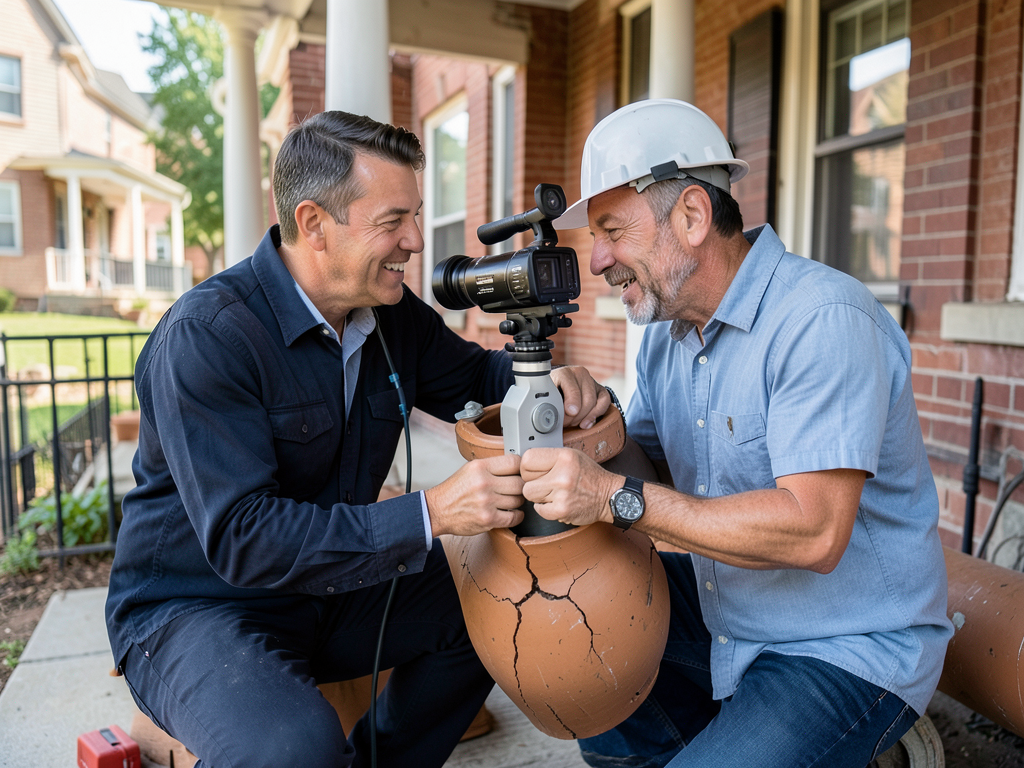
Professional plumbers use video camera inspection to see inside your pipes. This technology identifies cracks, root intrusion, and pipe separations without digging up your yard. The camera sends real-time video to a monitor, so you can see exactly what’s wrong.
For Downtown Memphis homes, plumbers must also consider local codes and permit requirements. Shelby County requires permits for most sewer line repairs. A licensed plumber knows these requirements and can handle the paperwork.
Repair options and what to expect
The repair method depends on your specific problem and pipe type. Here are common solutions for Downtown Memphis homes.
P-trap replacement or repair
If a P-trap is cracked or leaking, replacing it is usually a quick fix. This involves cutting out the old trap and installing a new PVC one. Cost ranges from $150 to $300 depending on accessibility.
Vent stack repair
Blocked vents often just need cleaning. Plumbers use specialized brushes or water jets to clear debris. If the stack is cracked, they may replace the damaged section or the entire vent. This work requires roof access and costs $200 to $600.
Sewer line repair
For cracked sewer lines, you have two main options. Traditional repair involves digging a trench to access the pipe. This works well for accessible areas but destroys landscaping and costs $3,000 to $7,000.
Trenchless repair uses a machine to pull a new liner through the old pipe. This method preserves your yard but only works for certain pipe types and damage. It costs $2,500 to $6,000.
Backflow preventer installation
A backflow preventer stops sewage from entering your home during municipal sewer backups. Installation requires cutting into your main sewer line and costs $1,500 to $3,000. Many Downtown Memphis homes lack this protection.
Preventing future sewage smells
After fixing the immediate problem, take steps to prevent it from happening again. Pour water down unused drains monthly to keep P-traps filled. Install drain covers to prevent debris from entering vent stacks.
For homes with history of sewer problems, consider annual camera inspections. This preventive maintenance catches small issues before they become emergencies. Many plumbing companies offer service plans that include regular inspections and priority service.. Read more about Reliable Commercial Plumbing Services for Memphis Business Owners.
If you’re renovating or replacing plumbing fixtures, upgrade to modern materials. PVC and ABS plastic pipes resist corrosion and root intrusion better than old cast iron or clay. While more expensive upfront, they save money long-term.
Also consider your landscaping. Large trees near sewer lines will eventually cause problems. If you’re planting new trees, choose species with non-invasive roots and keep them at least 10 feet from sewer lines.
Memphis-specific plumbing codes and requirements
Shelby County and the city of Memphis follow the International Plumbing Code with local amendments. For sewer line repairs, you typically need a permit from the Shelby County Building Division. This ensures work meets safety standards and won’t cause problems for neighbors. International Plumbing Code.
Memphis Light, Gas and Water (MLGW) maintains sewer mains while property owners maintain the lateral line from the home to the main. If the problem is in the city’s portion, MLGW handles repairs. If it’s in your lateral, you’re responsible.
For homes in historic districts like South Main, additional approvals may be needed before digging. The Memphis Landmarks Commission reviews exterior changes to preserve neighborhood character. A knowledgeable plumber can navigate these requirements.
Backflow preventers are required for certain commercial properties and multi-family buildings. Single-family homes aren’t mandated to have them, but many plumbers recommend them given Memphis’s heavy rainfall and combined sewer areas.
Cost factors for sewer repairs in Memphis
Several factors affect sewer repair costs in Downtown Memphis. The age and material of your pipes matters. Clay and cast iron pipes cost more to repair than modern PVC. Accessibility also affects price. Repairs under concrete slabs or in tight crawl spaces take longer and cost more.
Emergency service after hours or on weekends typically costs 1.5 to 2 times standard rates. If you need repairs during extreme weather, expect delays and higher prices as many homeowners face similar issues. Finding an Emergency Plumber in Germantown Who Actually Shows Up After Hours.
Permits add $100 to $300 to your project cost. Some plumbers include this in their quote while others charge separately. Always ask if permit fees are included.
For major repairs, get multiple quotes. Prices vary significantly between companies. However, the cheapest option isn’t always best. Look for licensed plumbers with good reviews and warranties on their work.
Insurance considerations
Standard homeowners insurance typically doesn’t cover sewer line repairs. These are considered maintenance issues rather than sudden damage. However, you can add sewer backup coverage to your policy for $50 to $100 per year.
This coverage pays for damage caused by backed-up sewers, including cleanup, damaged belongings, and sometimes the repair itself. If you live in an area prone to sewer backups, this coverage is worth considering.
For repairs caused by sudden events like tree root intrusion or pipe collapse, you might have coverage under the dwelling portion of your policy. Check your specific policy or ask your agent about what’s covered.
Keep receipts for any repairs. If the city’s sewer system causes damage to your property, you might be able to seek reimbursement from MLGW or the city. Document everything with photos and written estimates.
Frequently Asked Questions
Is sewer gas dangerous to my health?
Yes. Sewer gas contains toxic compounds like hydrogen sulfide and methane. Low concentrations cause headaches and nausea. Higher concentrations can cause unconsciousness or explosions. Always treat sewage smells seriously.
How much does it cost to fix a sewage smell?
Cost varies widely based on the cause. Simple fixes like refilling P-traps cost under $100. Major sewer line repairs range from $2,500 to $7,000. Most homeowners pay $300 to $1,500 for common issues.
Can I fix a sewage smell myself?
You can try simple fixes like pouring water down drains or checking toilet seals. However, if the smell persists or you notice multiple symptoms, call a professional. DIY repairs on main sewer lines can cause more damage and cost more long-term.
How long can I wait to fix a sewage smell?
Don’t wait. Sewer gas poses health risks and can cause structural damage if it indicates a leak. Small problems become expensive emergencies quickly. Call a plumber at the first sign of persistent sewage odors.
Does homeowners insurance cover sewage repairs?
Standard policies rarely cover sewer line repairs. You can add sewer backup coverage for $50-$100 annually. This covers damage from backups but not normal wear and tear on pipes.
Take action now
Don’t ignore sewage smells in your Downtown Memphis home. What seems like a minor nuisance can indicate serious plumbing problems that worsen quickly. Our licensed plumbers have served the Memphis area for years and understand the unique challenges of older Downtown properties.
We offer video camera inspections to diagnose problems accurately without unnecessary digging. Our team can handle everything from simple P-trap replacements to complete sewer line repairs. We’re familiar with Shelby County permit requirements and can handle the paperwork for you.
Call (901) 640-3313 today to schedule your inspection. Don’t wait for the next heavy rain or let a small problem become a major emergency. Our team is ready to help you breathe easy in your home again.
Pick up the phone and call (901) 640-3313 before the next storm hits. Your health and safety are worth it.
{
“@context”: “https://schema.org”,
“@type”: “BlogPosting”,
“headline”: “Why your Downtown Memphis home smells like sewage (and how to stop it)”,
“description”: “Does your Downtown Memphis home smell like sewage? Learn the common causes, health risks, and how our licensed plumbers can fix it fast. Call (901) 640-3313 today.”,
“wordCount”: 2447,
“datePublished”: “2026-03-04T13:26:00.000Z”,
“dateModified”: “2026-03-04T13:26:00.000Z”,
“inLanguage”: “en-US”,
“mainEntityOfPage”: {
“@type”: “WebPage”,
“@id”: “https://aceplumbingmemphis.com”
},
“publisher”: {
“@type”: “LocalBusiness”,
“name”: “Ace Plumbing Memphis”,
“url”: “https://aceplumbingmemphis.com”
},
“author”: {
“@type”: “Organization”,
“name”: “Ace Plumbing Memphis”,
“url”: “https://aceplumbingmemphis.com”
},
“image”: {
“@type”: “ImageObject”,
“url”: “https://aceplumbingmemphis.com/wp-content/uploads/2026/03/why-your-downtown-memphis-home-smells-like-sewage-1.png”
}
}
{
“@context”: “https://schema.org”,
“@type”: “Plumber”,
“name”: “Ace Plumbing Memphis”,
“url”: “https://aceplumbingmemphis.com”,
“address”: {
“@type”: “PostalAddress”,
“addressLocality”: “Memphis”
},
“areaServed”: {
“@type”: “City”,
“name”: “Memphis”
}
}
{
“@context”: “https://schema.org”,
“@type”: “FAQPage”,
“mainEntity”: [
{
“@type”: “Question”,
“name”: “Is sewer gas dangerous to my health?”,
“acceptedAnswer”: {
“@type”: “Answer”,
“text”: “Yes. Sewer gas contains toxic compounds like hydrogen sulfide and methane. Low concentrations cause headaches and nausea. Higher concentrations can cause unconsciousness or explosions. Always treat sewage smells seriously.”
}
},
{
“@type”: “Question”,
“name”: “How much does it cost to fix a sewage smell?”,
“acceptedAnswer”: {
“@type”: “Answer”,
“text”: “Cost varies widely based on the cause. Simple fixes like refilling P-traps cost under $100. Major sewer line repairs range from $2,500 to $7,000. Most homeowners pay $300 to $1,500 for common issues.”
}
},
{
“@type”: “Question”,
“name”: “Can I fix a sewage smell myself?”,
“acceptedAnswer”: {
“@type”: “Answer”,
“text”: “You can try simple fixes like pouring water down drains or checking toilet seals. However, if the smell persists or you notice multiple symptoms, call a professional. DIY repairs on main sewer lines can cause more damage and cost more long-term.”
}
},
{
“@type”: “Question”,
“name”: “How long can I wait to fix a sewage smell?”,
“acceptedAnswer”: {
“@type”: “Answer”,
“text”: “Don’t wait. Sewer gas poses health risks and can cause structural damage if it indicates a leak. Small problems become expensive emergencies quickly. Call a plumber at the first sign of persistent sewage odors.”
}
},
{
“@type”: “Question”,
“name”: “Does homeowners insurance cover sewage repairs?”,
“acceptedAnswer”: {
“@type”: “Answer”,
“text”: “Standard policies rarely cover sewer line repairs. You can add sewer backup coverage for $50-$100 annually. This covers damage from backups but not normal wear and tear on pipes.”
}
}
]
}
{
“@context”: “https://schema.org”,
“@type”: “HowTo”,
“name”: “How to troubleshoot sewage smells”,
“step”: [
{
“@type”: “HowToStep”,
“position”: 1,
“name”: “Check all drains”,
“text”: “Pour a cup of water down each sink, tub, and floor drain in your home. Wait 30 minutes and check if the smell returns. If it does, the P-trap may be leaking or you have a different issue.”
},
{
“@type”: “HowToStep”,
“position”: 2,
“name”: “Inspect toilets”,
“text”: “Gently rock each toilet side to side. If it moves, the wax ring may have failed. Also check for water damage around the base.”
},
{
“@type”: “HowToStep”,
“position”: 3,
“name”: “Look for visible leaks”,
“text”: “Check under sinks and around exposed pipes for moisture or corrosion. Old cast iron pipes often show rust spots before they fail completely.”
},
{
“@type”: “HowToStep”,
“position”: 4,
“name”: “Test vent stacks”,
“text”: “Have someone flush a toilet while you listen near other drains. Gurgling sounds indicate a blocked vent.”
},
{
“@type”: “HowToStep”,
“position”: 5,
“name”: “Check for backflow”,
“text”: “If you have a basement floor drain, pour water into it and watch for bubbles or rising water. This indicates a sewer backup.”
}
],
“image”: “https://aceplumbingmemphis.com/wp-content/uploads/2026/03/why-your-downtown-memphis-home-smells-like-sewage-1.png”
}
{
“@context”: “https://schema.org”,
“@type”: “BreadcrumbList”,
“itemListElement”: [
{
“@type”: “ListItem”,
“position”: 1,
“name”: “Home”,
“item”: “https://aceplumbingmemphis.com”
},
{
“@type”: “ListItem”,
“position”: 2,
“name”: “Blog”,
“item”: “https://aceplumbingmemphis.com/blog”
},
{
“@type”: “ListItem”,
“position”: 3,
“name”: “Why your Downtown Memphis home smells like sewage (and how to stop it)”
}
]
}
{
“@context”: “https://schema.org”,
“@type”: “Service”,
“serviceType”: “Plumbing”,
“provider”: {
“@type”: “LocalBusiness”,
“name”: “Ace Plumbing Memphis”,
“url”: “https://aceplumbingmemphis.com”
},
“areaServed”: {
“@type”: “City”,
“name”: “Memphis”
},
“description”: “Does your Downtown Memphis home smell like sewage? Learn the common causes, health risks, and how our licensed plumbers can fix it fast. Call (901) 640-3313 today.”
}