



Menu

Safe Drain Cleaning Products in Memphis – Your Complete Guide to Non-Toxic, Septic-Safe Solutions That Actually Work

Discover which eco-friendly drain cleaners, enzymatic formulas, and natural unblockers protect your pipes, your family, and Memphis's aging sewer infrastructure without the chemical burns or toxic fumes.

Slider Image 1
Slider Image 2
Slider Image 3
Slider Image 4
Slider Image 5
Slider Image 7
Slider Image 8
Slider Image 9
Slider Image 10
Slider Image 11

Why Chemical Drain Cleaners Are Dangerous for Memphis Homes

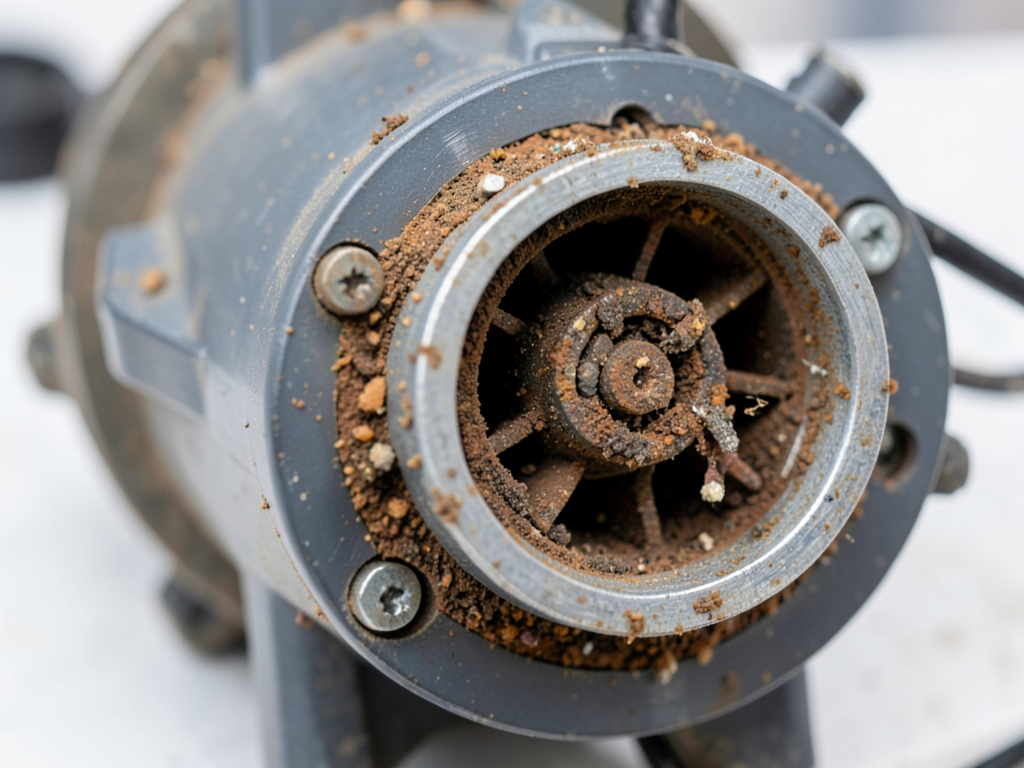
Most homeowners reach for a bottle of chemical drain cleaner when a sink backs up. The problem is those products contain sodium hydroxide or sulfuric acid, which generate heat exceeding 200 degrees inside your pipes. In Memphis homes built before 1980, that heat can crack older cast iron or corroded galvanized steel drains. The result is leaks behind walls, foundation damage, and repair bills that dwarf the cost of the original clog.

Memphis sits on clay soil that shifts with moisture changes. This movement already stresses underground sewer lines. When you pour caustic chemicals down drains connected to clay or Orangeburg pipe common in Midtown and Cooper-Young, you accelerate deterioration. The chemicals also kill beneficial bacteria in septic systems, which about 15 percent of Shelby County residents rely on in areas beyond municipal sewer lines.

Non-toxic drain openers work differently. Enzymatic drain cleaners use natural bacteria and enzymes to digest organic matter like hair, grease, and soap scum. These eco-friendly drain cleaners take longer to work, but they protect your pipes, your skin, and your groundwater. Natural drain unblockers made from citrus extracts or bacterial cultures are septic safe clog removers that maintain the biological balance your system needs to function.

If you have kids, pets, or older plumbing, switching to safe drain cleaning products eliminates the risk of chemical burns from splashback and the lung irritation from fumes that linger in Memphis's humid indoor air.

Why Chemical Drain Cleaners Are Dangerous for Memphis Homes
How Safe Drain Cleaners Work and When to Use Them

How Safe Drain Cleaners Work and When to Use Them

Enzymatic drain cleaners contain protein-digesting enzymes like protease, lipase, and amylase. When you pour these formulas into a drain, the enzymes break down organic buildup at a molecular level. Hair dissolves into amino acids. Grease converts to fatty acids and glycerol. Soap scum separates into water-soluble components. This biological process takes six to eight hours, so you typically apply the product before bed and flush with hot water in the morning.

Bacterial drain cleaners use live cultures similar to those in septic treatments. These bacteria colonize your drain lines and consume organic waste continuously. You pour the solution down slow drains once a week for maintenance. The bacteria reproduce and establish a biofilm that prevents future clogs from forming. This approach works well for kitchen sinks with grease buildup and bathroom drains collecting hair and toothpaste residue.

Citric acid-based products use the natural cleaning power of citrus extracts. These formulas work faster than enzymatic cleaners, clearing minor clogs in one to two hours. They dissolve soap scum and mineral deposits without generating heat or toxic fumes. Citric acid is safe for all pipe materials, including PVC, copper, and cast iron common in Memphis homes.

Safe drain cleaning products fail against certain clogs. They cannot dissolve plastic toys, jewelry, or other solid objects. They struggle with mineral deposits from Memphis's hard water, which contains high levels of calcium and magnesium. For those situations, you need mechanical removal with a cable auger or professional hydro jetting. Ace Plumbing Memphis stocks commercial-grade enzymatic treatments that work faster than retail products while remaining safe for your plumbing system.

Choosing the Right Product for Your Drain Problem

Safe Drain Cleaning Products in Memphis – Your Complete Guide to Non-Toxic, Septic-Safe Solutions That Actually Work
01

Identify Your Clog Type

Kitchen drains clogged with grease need lipase enzymes that break down fats. Bathroom sinks collecting hair require protease enzymes that digest proteins. Laundry drains with soap buildup respond to bacterial cleaners that consume detergent residue. Floor drains in basements benefit from citric acid formulas that dissolve mineral scale. Matching the product chemistry to the clog composition determines success. Pouring a hair-dissolving enzyme down a grease-clogged kitchen drain wastes time and money.
02

Apply the Correct Dosage

Most homeowners under-dose enzymatic cleaners, expecting instant results like chemical products deliver. Effective treatment requires the manufacturer's recommended amount, usually four to eight ounces for a single drain. You pour the solution directly into the drain opening, not a sink full of standing water. The product needs direct contact with the clog to work. For maintenance treatments, use half the clog-clearing dose once weekly. Consistency matters more than quantity when building beneficial bacterial colonies in your drain lines.
03

Allow Proper Dwell Time

Enzymes and bacteria need time to work. Apply the product before bed and avoid running water for six to eight hours. This contact time allows the biological agents to break down organic matter completely. Flush with hot water in the morning to wash away dissolved debris. For stubborn clogs, repeat the treatment for three consecutive nights. If water still drains slowly after three applications, the blockage contains non-organic material that requires mechanical removal from a professional plumber.

Why Memphis Homeowners Trust Ace Plumbing Memphis for Drain Solutions

Memphis plumbing systems face challenges that generic advice cannot address. Homes in Historic Midtown feature galvanized steel pipes installed in the 1920s and 1930s. These pipes corrode from the inside, creating rough surfaces where hair and grease catch easily. Chemical drain cleaners accelerate this corrosion, leading to pinhole leaks and pipe failures. We recommend enzymatic maintenance treatments that clean without damaging already compromised pipes.

Properties in East Memphis and Germantown often have 50-year-old cast iron sewer lines. Memphis's clay soil expands when wet and contracts during dry periods, shifting these underground pipes. Tree roots from the mature oaks and maples common in these neighborhoods infiltrate cracked joints. Safe drain cleaning products maintain clear flow between professional root removal services. We map your sewer line layout and recommend treatment schedules that prevent emergency backups.

Homes on septic systems in unincorporated Shelby County need septic safe clog removers that preserve bacterial balance in the tank. Chemical drain cleaners kill the anaerobic bacteria that digest solid waste. This leads to tank failures requiring thousand-dollar pump-outs and system repairs. Our bacterial drain treatments add beneficial cultures that improve septic system performance while clearing drain lines.

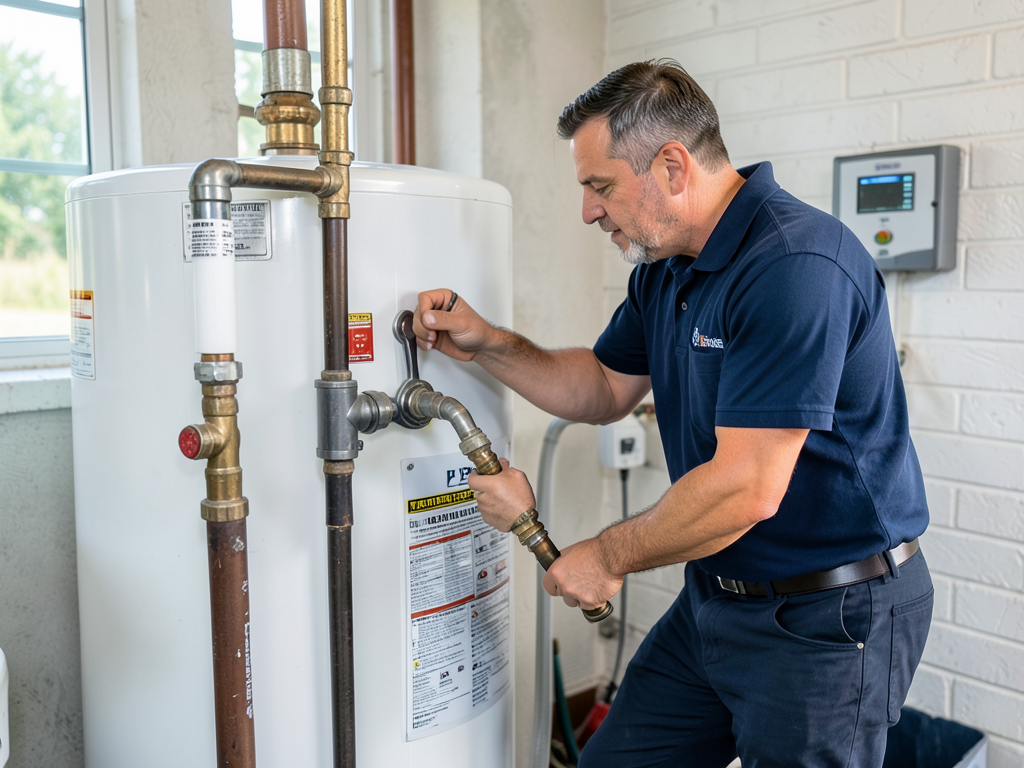
We stock professional-grade enzymatic drain cleaners with bacterial concentrations 10 times higher than retail products. These formulas clear clogs faster while remaining safe for all pipe materials. Our technicians identify your specific drain issue, recommend the correct product, and show you proper application techniques. We also recognize when a clog requires mechanical removal rather than chemical treatment, saving you time and frustration with products that cannot solve your problem.

What to Expect When You Switch to Safe Drain Cleaners

Slower Initial Results, Better Long-Term Performance

Chemical drain cleaners clear clogs in 15 to 30 minutes by generating intense heat and caustic reactions. Enzymatic products take six to eight hours because they work biologically rather than chemically. This slower process feels inconvenient at first. However, monthly maintenance treatments with bacterial cleaners prevent future clogs from forming. You stop dealing with recurring backups every few months. The enzymes also clean pipe walls, removing the buildup that narrows drain diameter over time. After three months of regular use, most homeowners notice faster drainage and fewer odors from their sinks.

Product Selection Based on Pipe Material and Age

Not all safe drain cleaners work equally well in every situation. Older homes with cast iron pipes benefit from citric acid formulas that dissolve rust scale without damaging metal. PVC drain lines in newer construction respond well to any enzymatic product. Homes with septic systems require products labeled as septic safe, which means they contain beneficial bacteria rather than harsh chemicals. During a service call, we inspect your drain configuration, identify pipe materials, and recommend products matched to your specific plumbing. We explain why certain formulas work better for your situation and demonstrate proper application techniques that maximize effectiveness.

Complementary Mechanical Cleaning for Severe Blockages

Safe drain cleaning products cannot dissolve everything. Solid objects like jewelry, children's toys, or construction debris require mechanical removal with a cable auger. Heavy mineral scale from hard water needs hydro jetting to blast deposits off pipe walls. Tree roots infiltrating sewer lines must be cut with a root saw attachment. When you call about a clog, we ask diagnostic questions to determine whether enzymatic cleaners will work or if you need immediate mechanical intervention. This saves you from wasting days on products that cannot solve your problem. After mechanical cleaning, we recommend maintenance treatments with bacterial cleaners to prevent rapid re-clogging.

Ongoing Maintenance Programs That Prevent Emergency Calls

Most drain clogs develop slowly over months as organic matter accumulates on pipe walls. Regular maintenance with enzymatic cleaners prevents this buildup from reaching blockage levels. We offer scheduled treatment programs where we apply professional-grade bacterial solutions to your drains quarterly. These treatments cost less than a single emergency service call. We document which drains in your home clog frequently and customize treatment schedules based on usage patterns. Kitchen drains get lipase-heavy formulas monthly. Bathroom drains receive protease treatments every six weeks. This proactive approach eliminates the panic of backed-up sinks during dinner parties or holiday gatherings.

Frequently Asked Questions

You Have Questions,
We Have Answers

What is the safest drain cleaner to use? +

The safest drain cleaner is an enzyme-based formula. These biological cleaners use bacteria to digest organic matter like hair, grease, and soap scum without harsh chemicals. They work slower than chemical cleaners but cause zero damage to pipes, septic systems, or the environment. In Memphis, where older homes with galvanized or cast iron pipes are common, enzyme cleaners prevent corrosion that acidic chemicals cause. Look for products labeled biodegradable and safe for all pipe types. For immediate clogs, skip store products entirely and call a licensed plumber who uses mechanical methods.

Why do plumbers say not to use drain cleaner? +

Plumbers warn against chemical drain cleaners because they corrode pipes from the inside out. The high heat generated by acidic or caustic formulas weakens joints, thins metal pipes, and cracks PVC over time. Memphis homes built before 1970 often have aging cast iron or galvanized steel pipes that react badly to these chemicals. Repeated use creates pinhole leaks and premature pipe failure. Chemical cleaners also leave residue that burns skin during repairs and creates toxic fumes. Most importantly, they rarely fix the root problem. They push clogs deeper into your system, turning a simple blockage into an expensive main line excavation.

What do plumbers recommend to keep drains clean? +

Plumbers recommend hot water flushing and mechanical cleaning to maintain drains. Run hot water for 30 seconds after each sink use to move grease through pipes before it cools and solidifies. Monthly, pour boiling water down drains to dissolve buildup. Use drain screens to catch hair and food particles before they enter pipes. For deeper cleaning, professional hydro jetting scours pipe walls without chemicals. Memphis homeowners should schedule annual camera inspections to catch tree root intrusion early, especially in Midtown and Cooper-Young where mature oaks and maples aggressively seek water sources in sewer lines.

Is there a non-toxic drano? +

Yes. Enzyme-based drain cleaners and bacterial formulas are non-toxic alternatives to Drano. Brands like Bio-Clean and Earth Enzymes use naturally occurring bacteria that consume organic waste without producing heat or fumes. These products take 6 to 8 hours to work, so they suit maintenance rather than emergencies. They are safe for septic systems, which matters for Memphis suburban homes in Bartlett or Collierville on septic rather than city sewer. Another non-toxic option is mechanical removal using a drain snake or plunger. For persistent clogs, a licensed plumber offers the safest, most effective solution without chemical exposure.

What do plumbers use instead of Draino? +

Plumbers use drain snakes, also called augers, to mechanically break up and extract clogs. A cable with a corkscrew tip feeds into the pipe, hooking hair, grease, and debris for removal. For tougher blockages or full pipe cleaning, professionals use hydro jetting equipment that blasts high-pressure water at 3,000 to 4,000 PSI to scour pipe walls clean. Camera inspection tools locate exact clog positions before treatment. These mechanical methods clear blockages completely without damaging pipes or leaving chemical residue. In Memphis, where clay soil shifts foundations and cracks sewer lines, cameras also detect structural problems chemicals cannot fix.

Can Dawn dish soap unclog drains? +

Dawn dish soap can help with minor grease clogs but does not unclog drains effectively. The method involves squirting dish soap down the drain followed by boiling water to emulsify grease buildup. This works only for fresh, minor grease accumulation near the drain opening. It fails completely against hair clogs, solid obstructions, or buildup deeper in your pipes. Memphis homes with older plumbing often have decades of accumulated scale and mineral deposits from hard water that dish soap cannot touch. For real clogs, use a plunger first. If that fails, call a licensed plumber before attempting DIY chemicals.

Why should you never use baking soda and vinegar to unclog a drain? +

Baking soda and vinegar create a fizzy reaction that looks impressive but generates minimal cleaning pressure. The carbon dioxide bubbles are too weak to dislodge actual clogs. Worse, the reaction neutralizes both ingredients into salt water, leaving no cleaning power. This method wastes time on serious blockages, allowing water damage to worsen while you experiment. In Memphis, where humidity accelerates mold growth, standing water from failed DIY attempts creates health hazards within 24 hours. The fizz also cannot address root intrusion, pipe collapses, or venting issues that cause recurring slow drains. Use a plunger or snake instead.

Is green gobbler safer than Drano? +

Green Gobbler is marginally safer than Drano but still poses risks. It uses a biodegradable formula with less caustic sodium hydroxide than traditional Drano, producing less heat during the chemical reaction. However, it still generates heat and can damage older pipes with repeated use. For Memphis homes with PVC systems installed after 1980, occasional use may not cause immediate harm, but it remains a temporary fix that masks underlying problems. Green Gobbler also fails against hair clogs and solid obstructions. Neither product compares to professional mechanical cleaning for safety and effectiveness. Enzyme cleaners remain the truly safe chemical option.

What are two things you should never flush down a toilet? +

Never flush wipes or feminine hygiene products down toilets. Flushable wipes do not break down like toilet paper and create massive clogs in sewer lines and treatment plants. They cling to any rough spot in pipes, collecting grease and hair into solid masses. Feminine products expand when wet, causing immediate blockages in older drain systems. Memphis uses combined sewer systems in some areas where these items overwhelm infrastructure during heavy rain. Stick to toilet paper only. Even small items like dental floss and cotton swabs accumulate over time. If it drops accidentally, fish it out rather than flush it down.

Why pour salt down the drain every night? +

Pouring salt down drains nightly is an old myth with no real benefit. Some claim salt prevents grease buildup or kills odor-causing bacteria, but salt dissolves too quickly in trace moisture to scrub pipes. It does not generate enough abrasion to remove existing buildup. Salt can accelerate corrosion in metal pipes when combined with water and oxygen. In Memphis, where water tables rise during spring storms, salt sitting in floor drains creates a corrosive brine. Instead, flush drains weekly with hot water to prevent grease solidification. For persistent odors, check your P-trap and vent system for actual problems.

Memphis Water Quality and Its Impact on Drain Cleaner Effectiveness

Memphis Light Gas and Water draws from the Memphis Sand Aquifer, one of the largest underground water sources in North America. This groundwater contains dissolved minerals, particularly calcium and magnesium, that create hard water conditions throughout Shelby County. When hard water mixes with soap in your drains, it forms insoluble soap scum that coats pipe walls. Chemical drain cleaners cannot dissolve this mineral buildup effectively. Citric acid-based natural drain unblockers work better because they chelate calcium ions, breaking down the soap scum into water-soluble components. Homes without water softeners need monthly treatments with citric acid formulas to prevent the mineral accumulation that narrows drain openings and slows water flow.

Memphis building codes require proper venting for all drain lines, but homes built before 1960 often have inadequate vent systems by modern standards. Poor venting creates negative pressure that slows drainage and allows organic matter to settle in horizontal pipe runs. This makes regular maintenance with enzymatic drain cleaners more important in older Memphis neighborhoods like Cooper-Young, Vollintine-Evergreen, and parts of Hickory Hill. Local plumbers who understand these vintage drainage systems recommend treatment schedules based on your home's age and plumbing configuration. We inspect vent pipes during service calls and explain how improving ventilation works together with safe drain cleaning products to maintain clear, fast-flowing drains throughout your home.
Plumbing Services in The Memphis Area

We are proud to serve the entire Memphis area and its surrounding communities. Our convenient location allows us to provide rapid response times for all your plumbing needs, whether you're in the heart of the city or in the neighboring suburbs. We invite you to explore our service area and see how close our expert team is to you. We are always ready to help!

Address:
Ace Plumbing Memphis, 4628 Summer Ave, Memphis, TN, 38122

Additional Services We Offer

Our news updates

Latest Articles & News from The Blogs

How many years should your Bartlett sump pump actually last before it fails? If you live in Bartlett you already…

How many years should your Bartlett sump pump actually last before it fails?

How many years should your Bartlett sump pump actually last before it fails? If you live in Bartlett you already…

Why your soap won't lather and your skin stays dry in Olive Branch

If you live in Olive Branch and notice your soap barely lathers while your skin feels tight and itchy after…

Why PEX piping is less likely to burst during a Memphis freeze than traditional copper

Why PEX piping is less likely to burst during a Memphis freeze than traditional copper When Memphis temperatures drop below…

Contact Us

Stop gambling with chemical drain cleaners that damage your pipes. Call Ace Plumbing Memphis at (901) 640-3313 for a professional assessment. We identify your specific drain problem, recommend the correct safe cleaning product, and show you how to prevent future clogs. Same-day service available throughout Shelby County.