




Menu

Wet Spots in Yard Memphis – Expert Diagnosis and Permanent Underground Leak Repair

Stop guessing about soggy patches in your lawn. Ace Plumbing Memphis uses specialized leak detection equipment to pinpoint underground water line failures fast, then fixes the problem right the first time.

Slider Image 1
Slider Image 2
Slider Image 3
Slider Image 4
Slider Image 5
Slider Image 7
Slider Image 8
Slider Image 9
Slider Image 10
Slider Image 11

Why Memphis Yards Stay Wet When They Shouldn't

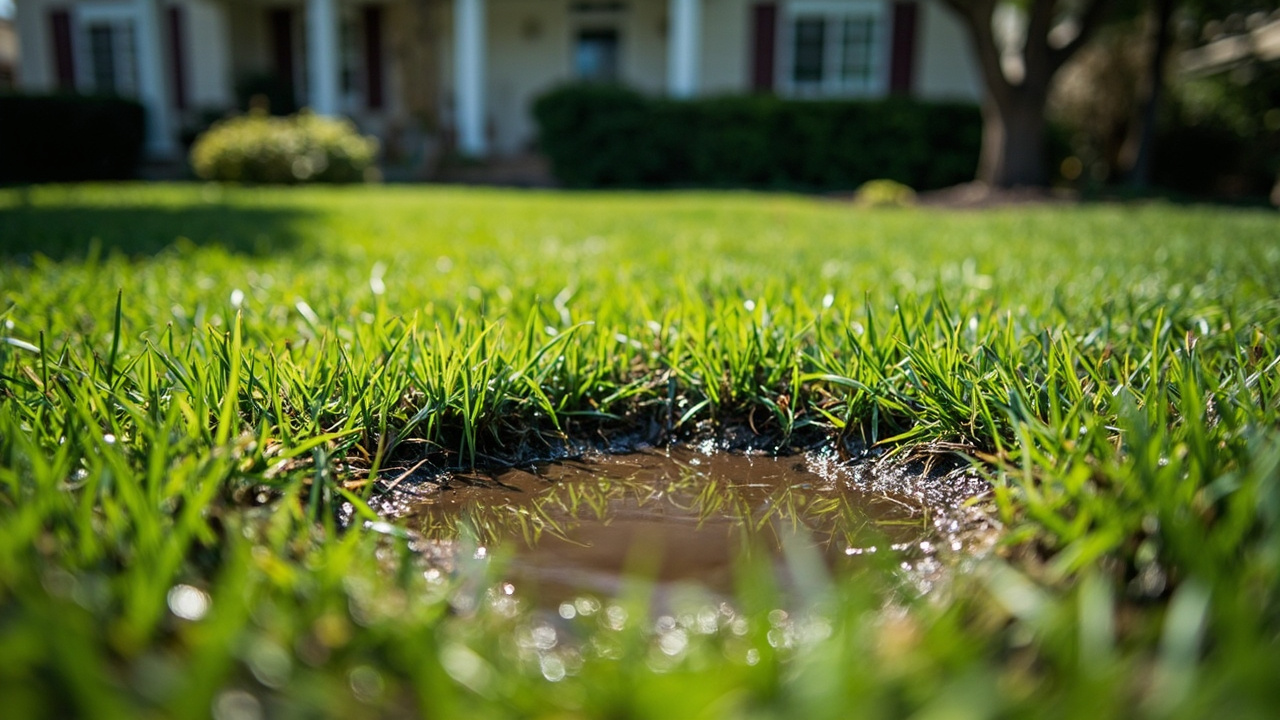
You notice damp spots in your lawn that never dry out. The grass stays dark green in one area while everything else turns brown. Unexplained standing water appears after you run the dishwasher or flush a toilet. These are not drainage problems. These are warning signs of a pressurized water line leak beneath your property.

Memphis sits on deep clay soil that shifts with seasonal moisture changes. When underground pipes move with that clay, joints separate and pipe walls crack. The Memphis area also deals with temperature swings that cause freeze-thaw cycles in winter, which stresses aging galvanized steel and copper lines. Add decades of sediment buildup from the Memphis Sand Aquifer, and you create the perfect conditions for pinhole leaks and joint failures.

Pooling water in your yard means you are paying for water that never reaches your home. You are also saturating the soil around your foundation, which invites settling, cracking, and pest infiltration. Soggy patches in your lawn can hide a leak that wastes hundreds of gallons per day. The longer it runs, the more soil erodes from under driveways, sidewalks, and slabs.

Most homeowners assume they have a sprinkler issue or poor yard grading. They spend money on French drains and regrading that do nothing because the real problem is a broken pipe six feet underground. Saturated areas in grass that persist through dry weeks point directly to a pressurized leak in your main water line or service lateral.

Why Memphis Yards Stay Wet When They Shouldn't
How We Locate and Repair Underground Water Line Leaks

How We Locate and Repair Underground Water Line Leaks

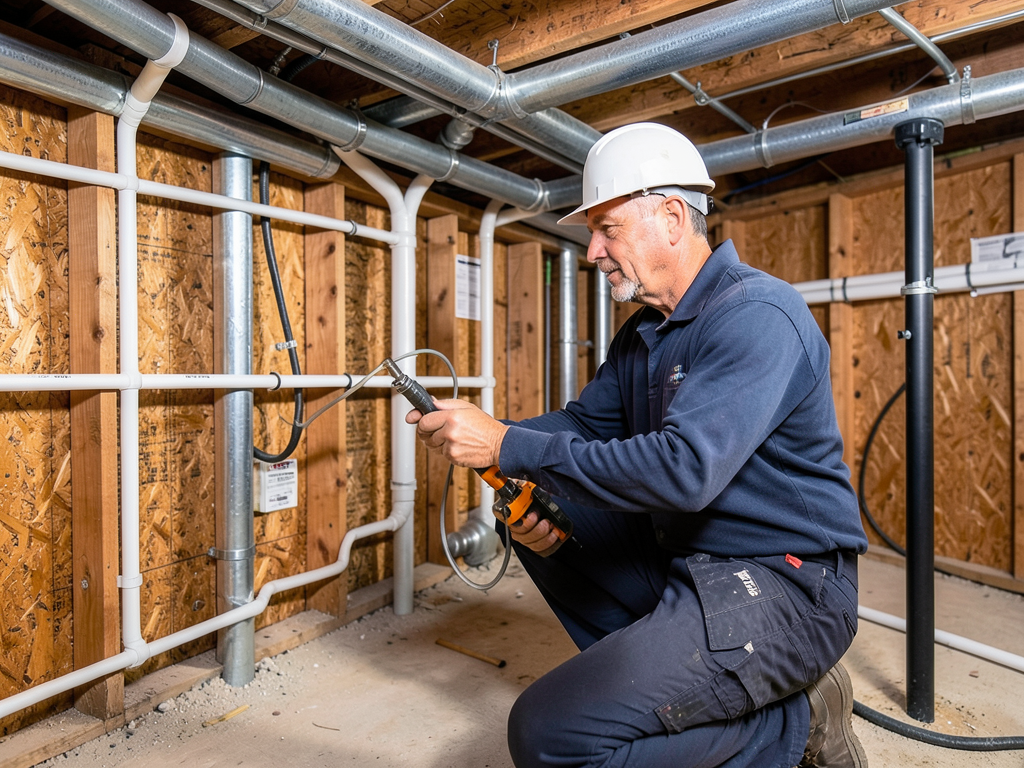
Most plumbing companies guess where to dig. We use acoustic leak detection and pressure testing to identify the exact location of the failure before we break ground. This saves you money, preserves your landscaping, and gets your water service restored in hours instead of days.

We start by isolating your water line and introducing compressed air or tracer gas into the system. Acoustic sensors pick up the sound signature of escaping water or gas, even through several feet of clay soil. Ground-penetrating radar confirms pipe depth and identifies voids where soil has washed away. This combination gives us a target zone within inches, not yards.

Once we locate the leak, we excavate only the affected section. If the pipe is old galvanized steel or thin-wall copper prone to multiple future failures, we recommend replacing the entire service line with PEX or HDPE piping. These materials flex with soil movement and resist corrosion from Memphis water chemistry. If the leak is isolated and the rest of the line is in good condition, we make a targeted repair using compression fittings or fusion joints that outlast the original installation.

We do not patch leaks with temporary clamps or epoxy. We make permanent repairs using code-compliant methods that restore full pressure and flow. After the repair, we pressure-test the line to 150 PSI to confirm integrity, then backfill with compacted soil to prevent future settling. You get documentation of the repair location for future reference if you ever need to dig in that area again.

What Happens When You Call About Wet Spots

Wet Spots in Yard Memphis – Expert Diagnosis and Permanent Underground Leak Repair
01

Leak Confirmation and Mapping

We verify that the wet area is caused by a pressurized water line leak, not surface drainage or a broken sprinkler zone. Our technician shuts off your water at the meter and monitors the meter dial. If it continues to spin, you have a leak. We then use acoustic sensors and tracer gas to map the underground pipe route and mark the failure point with survey paint.
02

Precision Excavation and Repair

We hand-dig or use a vacuum excavator to expose the damaged pipe without disturbing surrounding utilities or landscaping. Once the break or corroded section is visible, we cut out the damaged segment and install a new section using compression couplings, push-fit connections, or heat fusion joints depending on the pipe material. All work meets IRC and UPC standards for underground water service.
03

Pressure Testing and Restoration

After the repair, we pressure-test the line to confirm there are no additional leaks downstream. We backfill the trench with compacted soil in layers to prevent settling, then restore sod or seed the affected area. You get a detailed diagram showing the repair location and depth, which protects you from accidental damage during future landscaping or utility work. Your water service is fully restored the same day.

Why Memphis Homeowners Trust Ace Plumbing for Underground Leak Repair

Underground leaks require specialized equipment and experience. A company that only does drain cleaning or faucet repairs does not have the acoustic sensors, pipe locators, or excavation skills to handle this work efficiently. Ace Plumbing Memphis invests in professional-grade leak detection technology and trains our technicians to use it correctly.

We know Memphis soil conditions. We understand how the local clay expands and contracts with moisture, and how that movement stresses rigid pipe materials. We also understand the water chemistry from the Memphis Sand Aquifer and how it interacts with different pipe metals over decades. This knowledge shapes every recommendation we make about repair methods and replacement materials.

We do not sell you a full water line replacement if a targeted repair will solve the problem. We also do not patch a failing galvanized line that will develop three more leaks in the next six months. We give you an honest assessment based on the condition of the entire line, not just the visible failure. If replacement makes sense, we explain why and show you the corroded sections we remove so you can see the condition for yourself.

Our repair locations are documented and photographed. You get a written record showing the GPS coordinates, depth, and repair method used. This documentation is valuable if you ever sell your home or need to dig in that area for another project. You also get peace of mind knowing the repair was done correctly, not just covered up and forgotten.

We handle permit requirements for water line work in Memphis and Shelby County. We coordinate inspections and provide the documentation the city requires for underground utility repairs. You do not have to navigate the permitting process or worry about code compliance.

What to Expect When We Fix Your Wet Yard Problem

Response Time and Scheduling

We respond to underground leak calls within 24 hours. If your water meter is spinning and you are losing hundreds of gallons per day, we prioritize your call and dispatch a technician the same day. The leak detection process takes one to two hours. If we can locate the failure quickly and the repair is straightforward, we complete the work in a single visit. Complex repairs or full line replacements may require a return visit with excavation equipment, but we always provide a clear timeline before we start work.

Leak Detection and Assessment Process

Our technician starts by interviewing you about when the wet spots appeared, whether they correlate with water usage inside the home, and whether you have noticed changes in water pressure or higher utility bills. We then isolate your water line and use acoustic leak detection, tracer gas, or ground-penetrating radar to locate the failure. You receive a written assessment that explains what we found, what caused the failure, and what repair options are available. We never start digging until you approve the scope and cost.

Quality of Repair and Materials

We use materials rated for direct burial and long-term underground exposure. PEX pipe gets installed with compression fittings or expansion rings that create watertight seals stronger than the pipe itself. HDPE pipe is heat-fused, creating a joint with zero chance of separation. Copper repairs use flared joints or brazed connections, never solder that can fail under pressure. All backfill is compacted in layers to prevent settling and surface depressions. Your yard looks normal within weeks as grass regrows over the repair zone.

Documentation and Future Protection

You receive a detailed repair report with photos showing the damaged pipe, the repair method used, and the finished installation before backfill. We provide GPS coordinates and depth measurements so you can reference the exact location if you need to dig near that area in the future. If we replaced a section of pipe, we include the pipe material, diameter, and length in the documentation. This record stays with your property and protects you from accidental damage during future projects.

Frequently Asked Questions

You Have Questions,
We Have Answers

Why is there a sudden wet spot in my yard? +

Sudden wet spots usually signal a broken water line, leaking sprinkler pipe, or ruptured sewer lateral. Memphis clay soil hides leaks well until saturation creates visible pooling. Check your water meter with all fixtures off. If the dial spins, you have an active leak. Foundation settling common in Memphis can crack underground pipes. Heavy spring rains also expose poor yard drainage or runoff issues. Call a plumber immediately if the spot stays wet or grows. Ignoring underground leaks wastes water and damages your foundation.

What to do with wet spots in the yard? +

First, identify the source. Turn off all water inside and check if the meter still runs. If yes, you have a leak that needs immediate repair. If no, the issue is drainage related. Memphis clay soil drains poorly, trapping water after rain. For drainage problems, redirect downspouts away from the area and grade soil to slope away from structures. Install a French drain or dry well for persistent issues. For leaks, excavate the damaged pipe and replace the section. Do not ignore wet spots. Standing water attracts mosquitoes and erodes foundations.

How to fix a soggy spot in the yard? +

Soggy spots require drainage improvement. Memphis clay soil compacts easily and holds water like a sponge. Start by aerating the area to break up compaction. Add coarse sand or compost to improve soil structure. Regrade the area so water flows away from buildings. Install a French drain along the soggy zone, using perforated pipe surrounded by gravel and landscape fabric. For severe cases, consider a catch basin connected to a dry well. If regrading does not help and the spot stays wet year round, you likely have an underground leak requiring professional excavation.

How to fix water runoff from neighbor's yard? +

You cannot legally alter your neighbor's property, but you can protect yours. Install a shallow swale or berm along your property line to intercept runoff. Dig a French drain parallel to the boundary, sloping away from your yard. Memphis clay soil makes this tricky because water moves slowly through dense soil. Use a catch basin at the low point to collect diverted water, then route it to the street or a dry well. Document the runoff issue with photos. If their grading clearly violates local drainage codes, contact Memphis city code enforcement for assessment.

How to tell if a water line leak in a yard? +

Look for these signs. The wet spot stays saturated even during dry weeks. Grass grows lush and green in one area while surrounding turf stays brown. You hear hissing or running water when standing near the spot. Your water bill spikes without explanation. The wet zone grows daily or forms a sinkhole. Memphis water pressure runs high, so leaks often surface quickly. Check the meter with all fixtures off. A spinning dial confirms an active leak. Pressurized water lines create constant wetness, while sewer leaks may produce foul odors or sewage surfacing during heavy use.

What to put on the ground to absorb water? +

Coarse sand, pea gravel, or expanded shale work best for temporary water absorption in Memphis yards. Spread a two inch layer over the wet area to create airspace and improve drainage. Avoid fine materials like topsoil, which compact and worsen the problem. For long term solutions, mix compost or gypsum into clay soil to break up density. Install a rain garden with native plants that tolerate wet conditions. If water pools after every rain, surface amendments will not fix the root cause. You need proper grading or underground drainage to move water away permanently.

How to dry up a wet yard fast without drainage? +

Aerate the soil immediately to create drainage pathways through Memphis clay. Rent a core aerator and make multiple passes. Spread coarse sand or compost over aerated holes to keep them open. Use a landscape rake to create shallow channels directing water toward the street or a lower area. Remove standing water with a pump if possible. Avoid driving or walking on saturated soil, which increases compaction. Plant water hungry species like river birch or bald cypress if the area stays damp seasonally. If the yard stays wet year round despite these efforts, you have a drainage design flaw or hidden leak.

What is the rule of 3 in landscaping? +

The rule of threes is a design principle stating odd numbered groupings look more natural than even numbers. Plant shrubs or perennials in groups of three, five, or seven for visual appeal. Use three layers: ground cover, mid height plants, and tall specimens. This creates depth and balance. Apply three textures or three colors for cohesive design. While the rule of threes guides aesthetics, it does not address drainage problems. Memphis yards need proper grading and water management first. Beautiful landscaping fails quickly if water pools and drowns plants or erodes soil.

How much does it cost to improve drainage in your yard? +

Drainage improvements in Memphis range from a few hundred dollars for simple regrading to several thousand for comprehensive systems. Basic solutions like extending downspouts or adding a dry creek bed cost between two hundred and five hundred dollars. French drains with proper excavation and materials run higher depending on length and depth. Catch basins and underground pipe systems increase costs. Clay soil requires more extensive excavation and better materials than sandy soils. Get multiple quotes from contractors familiar with Memphis soil conditions. Proper drainage protects your foundation and prevents costly water damage long term.

How to fix a poorly draining yard? +

Fix poor drainage by addressing slope and soil structure. Memphis clay soil needs aggressive intervention. First, regrade your yard so water flows away from structures at a two percent slope minimum. Install French drains in low areas using perforated pipe, gravel, and landscape fabric. Amend clay soil with compost to improve permeability. Redirect downspouts at least ten feet from the foundation. Add a dry well or rain garden to capture runoff. For severe drainage failure, install a curtain drain around the property perimeter. If regrading is impossible due to lot constraints, consider a sump pump system with buried discharge lines.

How Memphis Clay Soil and Shifting Ground Create Hidden Water Line Failures

Memphis sits on Yazoo clay, a heavy soil that swells when wet and shrinks when dry. This cycle repeats every year, creating ground movement that stresses rigid underground pipes. Water lines installed in the 1960s through 1990s used galvanized steel or thin-wall copper that cannot flex with soil movement. Over decades, this stress creates pinhole leaks, split seams, and separated joints. The clay also holds moisture against metal pipes, accelerating corrosion. When you see unexplained standing water or soggy patches in your lawn during dry weather, the cause is almost always a pressurized leak in a line that has been shifting with the clay for years.

Memphis water comes from the Memphis Sand Aquifer, one of the cleanest water sources in the country. However, the mineral content still interacts with certain pipe materials over time, especially galvanized steel. Local plumbers who understand this water chemistry know which repair materials will last and which will fail prematurely. Ace Plumbing Memphis has repaired thousands of underground leaks across Shelby County. We know the common failure points in homes built in Cordova, Bartlett, Germantown, and East Memphis. We also know the permit requirements for water line work in the City of Memphis and unincorporated Shelby County, which saves you time and ensures code compliance.
Plumbing Services in The Memphis Area

We are proud to serve the entire Memphis area and its surrounding communities. Our convenient location allows us to provide rapid response times for all your plumbing needs, whether you're in the heart of the city or in the neighboring suburbs. We invite you to explore our service area and see how close our expert team is to you. We are always ready to help!

Address:
Ace Plumbing Memphis, 4628 Summer Ave, Memphis, TN, 38122

Additional Services We Offer

Our news updates

Latest Articles & News from The Blogs

How many years should your Bartlett sump pump actually last before it fails? If you live in Bartlett you already…

How many years should your Bartlett sump pump actually last before it fails?

How many years should your Bartlett sump pump actually last before it fails? If you live in Bartlett you already…

Why your soap won't lather and your skin stays dry in Olive Branch

If you live in Olive Branch and notice your soap barely lathers while your skin feels tight and itchy after…

Why PEX piping is less likely to burst during a Memphis freeze than traditional copper

Why PEX piping is less likely to burst during a Memphis freeze than traditional copper When Memphis temperatures drop below…

Contact Us

Every day you wait, you lose more water and risk more foundation damage. Call Ace Plumbing Memphis at (901) 640-3313 right now. We will locate the leak, explain your options, and make a permanent repair that stops the waste and protects your property.