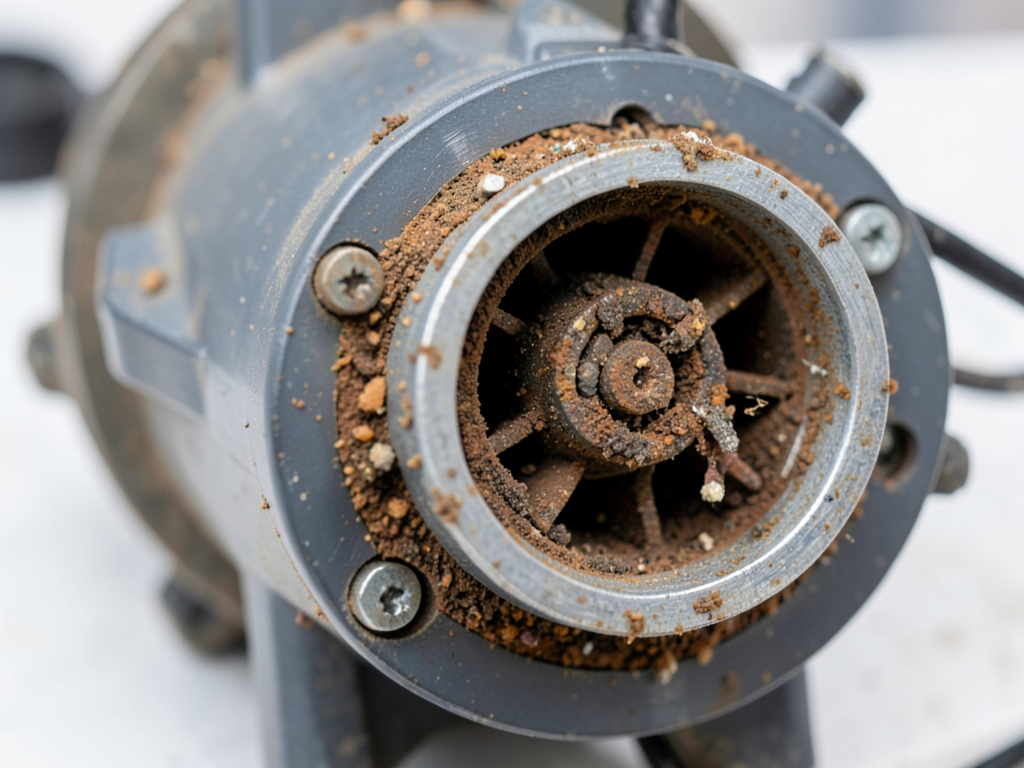







Memphis sits on Loring silt loam and Memphis silt loam soil that expands when wet and contracts when dry. That constant movement cracks rigid sewer laterals, especially cast iron and clay pipe installed before 1980. Once a crack forms, tree roots infiltrate aggressively. The city's mature oak, sweetgum, and willow trees send roots 50 feet or more searching for water. Combined with over 50 inches of annual rainfall and an aging municipal system where some mains date to the 1920s, Memphis homeowners face higher backup risk than drier climates with newer infrastructure. Immediate sewage spill mitigation matters here because contamination spreads fast in humid conditions.
Memphis building codes updated significantly after the 2011 flood events, but thousands of homes predate those changes. Rapid sewer backup restoration requires understanding which era of plumbing you are working with. Homes in historic districts like Victorian Village or along Central Avenue often have configurations that complicate modern cleanup equipment access. Local expertise means knowing where cleanouts are typically located in Craftsman bungalows versus ranch homes in Raleigh. It means understanding that properties near Nonconnah Creek or the Loosahatchie River need backflow preventers that homes on higher ground do not. You want a crew that has worked Memphis plumbing for years, not someone learning your neighborhood on your emergency.