





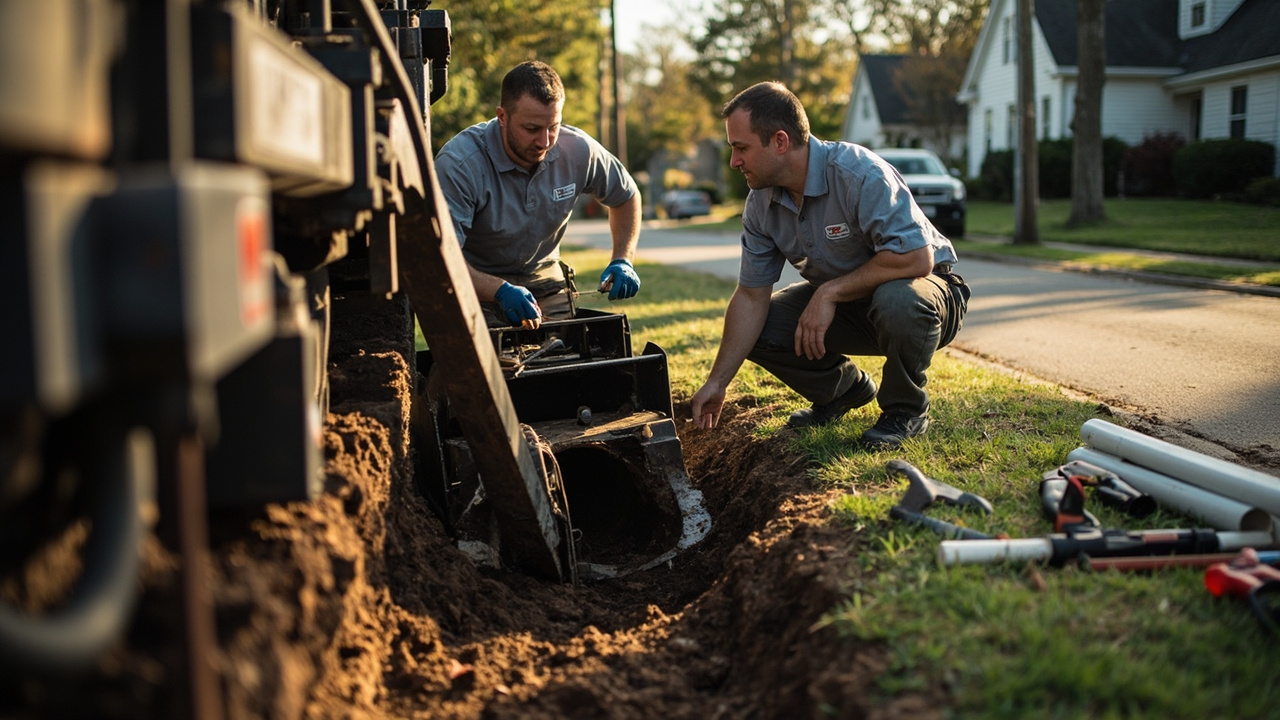
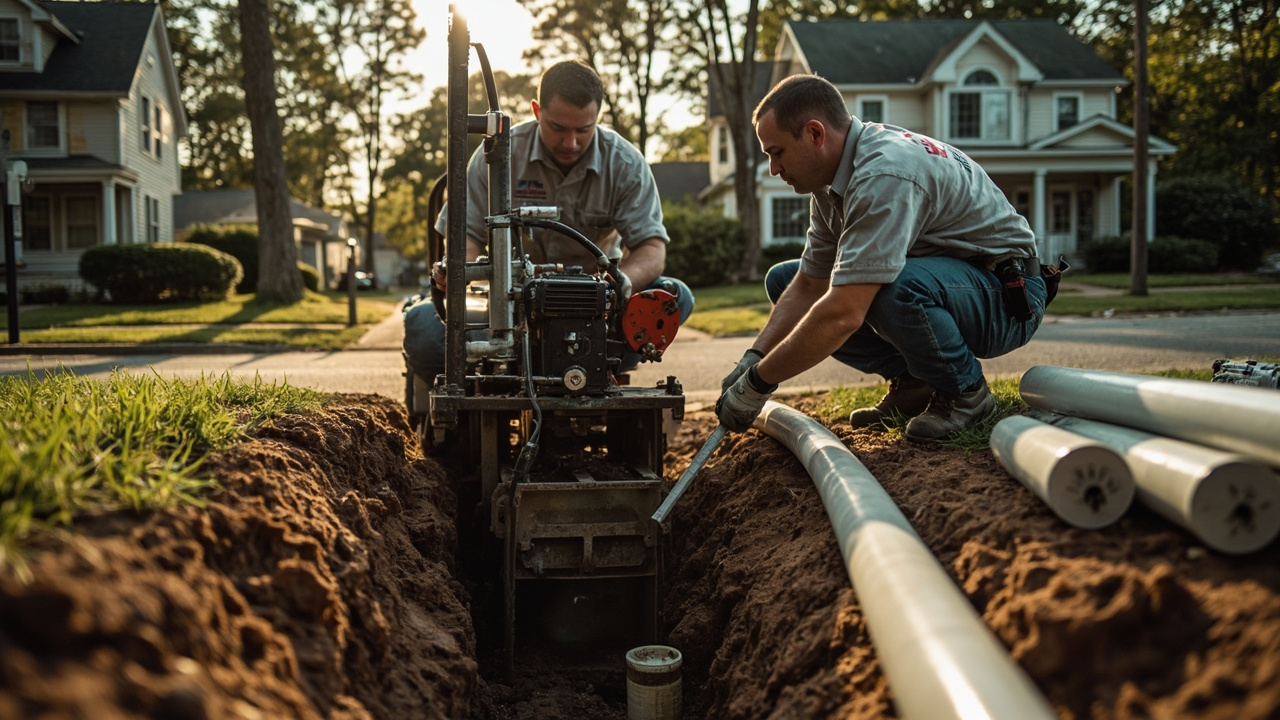
The Mississippi River floodplain deposited dense alluvial clay across Memphis, creating soil that swells up to 20 percent when saturated and shrinks during dry periods. This constant expansion and contraction exerts pressure on rigid sewer pipes, causing hairline cracks that widen over time. Older neighborhoods near Overton Park and the University of Memphis area contain clay tile pipes installed before 1960, which crack easily under this stress. Main sewer line repair becomes necessary when these seasonal shifts cause joint separation or complete pipe fractures. The high water table during spring storms adds external pressure that collapses weakened sections, leading to sudden sewage backups that flood basements and crawl spaces.
Memphis homeowners benefit from plumbers who understand local infrastructure history. Subdivisions built during different decades used different pipe materials, each with specific failure patterns. We maintain records of common problem areas and typical damage locations based on neighborhood age and soil conditions. This local knowledge speeds diagnosis and prevents guesswork. Memphis Light, Gas and Water requires specific permits for work near their connection points, and we handle all coordination with city inspectors. Choosing a local plumber means working with someone who knows which streets have shallow lines, where tree roots cause the most damage, and how to navigate city requirements without delays.