Your water heater should run quietly in the background. When you hear popping, rumbling, or knocking sounds coming from the tank, it means sediment has built up inside. This is a common issue in Memphis homes, especially in older neighborhoods like Parkway Village where water heaters often exceed 8-10 years of service. How to Tell if You Have a Slab Leak Under Your Memphis Home Foundation.
The popping sound you hear is steam bubbles bursting through a layer of mineral sediment at the bottom of the tank. As the burner heats the water, steam forms underneath the sediment layer. When these bubbles force their way through, they create that distinctive popping noise. Left untreated, this sediment acts like an insulating blanket, forcing your system to work harder and reducing efficiency by up to 25%.. Read more about Descaling Your Tankless Water Heater to Keep It Running Efficiently in East Memphis.
Memphis water comes from the Memphis Sands Aquifer, which contains high levels of dissolved calcium and magnesium. These minerals settle at the bottom of your tank over time, creating the perfect conditions for sediment-related noises. Homes in Parkway Village zip codes 38118 and 38117 often experience this issue earlier than newer constructions due to aging infrastructure and consistent mineral content in the local water supply.. Read more about Heat pump water heaters vs traditional electric models (Which is better for Memphis?).
How sediment buildup affects your water heater
Water heater sediment consists primarily of calcium carbonate and magnesium compounds that precipitate out of hard water as it’s heated. These minerals settle at the bottom of the tank, forming a layer that can become several inches thick over time.. Read more about Why your Memphis tap water looks brown after a nearby water main break.
The sediment layer creates several problems beyond just noise:
- Insulation effect forces the burner to run longer cycles
- Uneven heating creates hot spots that can damage the tank bottom
- Reduced available hot water capacity as sediment takes up space
- Increased risk of premature tank failure due to overheating
In Parkway Village homes built in the 1960s-1980s, sediment buildup often accelerates because older tanks may have degraded anode rods. The anode rod protects the tank from corrosion, but when it fails, sediment accumulation increases dramatically. This combination of age and mineral content makes regular maintenance critical for these specific homes.
Common causes of popping sounds in Memphis water heaters
The popping or rumbling sound you hear has a specific scientific cause called “kettling.” When steam bubbles form under the sediment layer, they become trapped. As pressure builds, these bubbles eventually burst through the sediment, creating the popping noise.
Several factors make this problem worse in Memphis:. Read more about Why your large East Memphis home takes forever to get hot water (and how to fix it).
| Factor | Memphis Impact | Effect on Water Heater |
|---|---|---|
| Water Hardness | High calcium/magnesium content | Faster sediment accumulation |
| Age of Homes | Many built 1960s-1980s | Older tanks more susceptible |
| Temperature Settings | Often set too high (140°F+) | Accelerates mineral precipitation |
The sound can also indicate problems with the heating elements in electric water heaters or the burner assembly in gas units. When sediment covers these components, they can overheat and create hissing or whistling sounds along with the popping.
Homes near Shelby Farms Park or along Getwell Road in Parkway Village may experience slightly different mineral profiles due to local water distribution patterns. The MLGW system delivers consistent water quality across Memphis, but older neighborhood infrastructure can affect how minerals settle in your specific home. MLGW water quality information.
Dangers of ignoring sediment-related noises
That popping sound isn’t just annoying—it signals developing problems that can lead to complete system failure. When sediment builds up unchecked, several dangerous situations can develop.
The most immediate risk is tank overheating. The sediment layer prevents efficient heat transfer from the burner or elements to the water. This forces the system to run longer cycles, creating hot spots on the tank bottom. Over time, these hot spots can weaken the steel tank, leading to pinhole leaks or catastrophic failure.
Another serious concern involves the pressure relief valve. When sediment clogs the drain valve or builds up around the pressure relief valve, it can prevent proper operation. According to the International Plumbing Code Section 504.7, all water heaters must have properly functioning temperature and pressure relief valves. A clogged valve creates a dangerous situation where excess pressure cannot escape. Professional Drain Cleaning Services in Bartlett to Stop Recurring Clogs for Good.
Energy waste represents another hidden cost. A water heater with significant sediment buildup can use 25-30% more energy than a clean unit. For a typical Memphis home, this translates to an extra $15-25 per month on utility bills. Over a year, that’s $180-300 wasted on heating sediment instead of water.
The Memphis Sands Aquifer water contains approximately 150-200 parts per million of dissolved minerals. This level of hardness means sediment buildup occurs faster than in areas with softer water. Parkway Village homes often see noticeable sediment accumulation within 3-5 years without proper maintenance.
Professional water heater flushing in Parkway Village
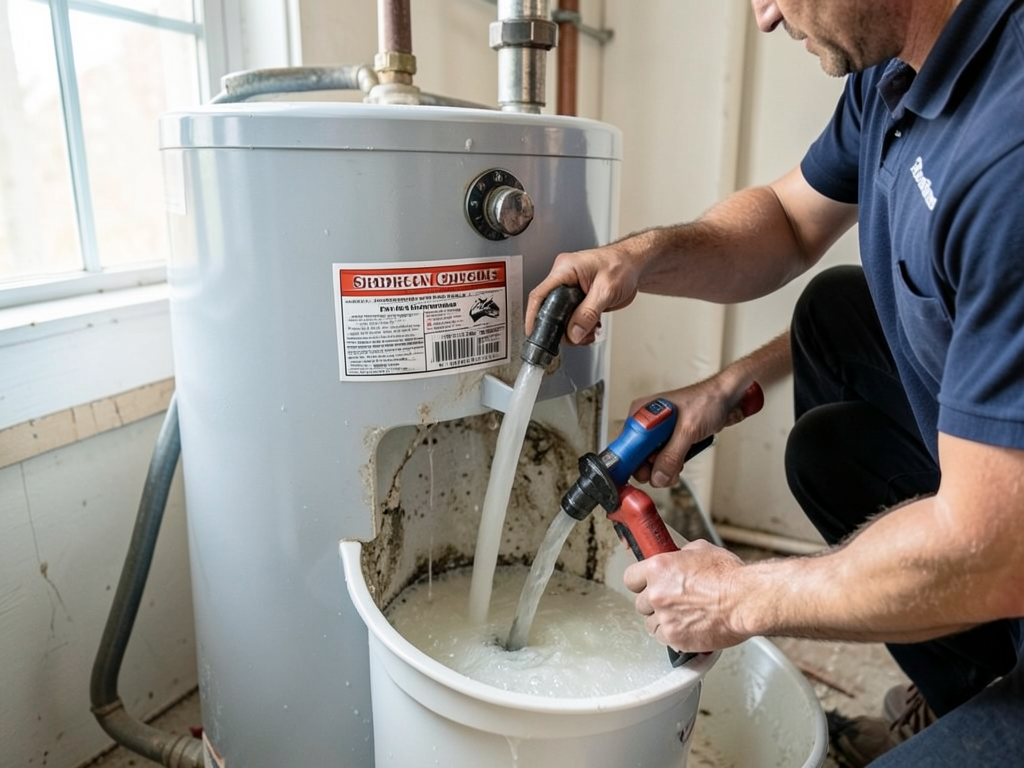
While DIY flushing is possible, professional service ensures the job is done correctly and safely. A proper flush involves more than just draining the tank—it requires specific tools and knowledge of your water heater’s components.
Professional flushing service includes:
- Safety Preparation
Turning off power or gas supply, allowing the unit to cool completely. This prevents burns and ensures safe operation.
- Complete Drain and Flush
Opening the drain valve and using specialized equipment to flush sediment from the tank bottom. This removes buildup that DIY methods often miss.
- Anode Rod Inspection
Checking the sacrificial anode rod for corrosion. If depleted, replacement prevents future rapid sediment buildup.
- Pressure Relief Valve Testing
Verifying the T&P valve operates correctly. A stuck valve poses serious safety risks.
- System Inspection
Checking for signs of corrosion, leaks, or component wear that could indicate developing problems.
The entire process typically takes 60-90 minutes for a standard 40-50 gallon unit. For tankless water heaters, which are becoming more common in newer Parkway Village developments, the procedure involves different techniques to remove scale from the heat exchanger. Switching to a Tankless Water Heater in East Memphis (Is It Worth the Investment?).
Cost for professional flushing in Memphis ranges from $150-250, depending on unit size and accessibility. This investment often pays for itself within 6-12 months through energy savings alone. For homes over 10 years old, annual flushing becomes essential maintenance rather than optional service.
DIY flushing: When to attempt it yourself
Homeowners comfortable with basic maintenance can perform a basic flush, but success depends on several factors. First, you need access to the water heater and basic plumbing tools. Second, you must understand the safety procedures for your specific unit type. Plumbing Somerville.
DIY flushing steps:
- Turn off the cold water supply valve at the top of the tank
- Turn off power (electric) or set gas valve to “pilot” (gas)
- Connect a garden hose to the drain valve
- Open a hot water faucet somewhere in the house to allow air in
- Open the drain valve and let the tank empty completely
- briefly turn the cold water supply on and off several times to stir up sediment
- Continue draining until water runs clear
- Close the drain valve, remove the hose, and refill the tank
- Restore power or gas and check for proper operation
The “screwdriver test” helps determine if your DIY flush was successful. After refilling, open the drain valve briefly. If water runs clear immediately, you’ve removed most sediment. If it runs cloudy or sandy, more flushing is needed.
However, DIY flushing has limitations. Most homeowners lack the equipment to perform a thorough flush. Standard garden hose connections often can’t generate enough pressure to remove hardened sediment. Additionally, DIY attempts risk damaging the drain valve or pressure relief valve if not done correctly.
For Parkway Village homes with units over 8 years old or those showing signs of corrosion around the tank base, professional service is strongly recommended. The risk of causing a leak or damaging an already-weakened tank outweighs the cost savings of DIY maintenance.
Preventing future sediment buildup
Once you’ve addressed the current sediment issue, prevention becomes the key to avoiding future problems. Several strategies can significantly reduce sediment accumulation in your Memphis water heater.
Installing a water softener represents the most effective long-term solution. Softened water contains minimal calcium and magnesium, preventing sediment from forming in the first place. However, water softeners require regular maintenance and add initial installation costs of $1,200-2,500.
Annual professional flushing provides reliable prevention for most homeowners. This service removes sediment before it becomes problematic, extending your water heater’s life by 3-5 years. For Parkway Village’s hard water conditions, annual service is particularly important.
Temperature management also plays a crucial role. Setting your water heater to 120°F instead of the common 140°F reduces mineral precipitation by approximately 30%. This simple adjustment saves energy while slowing sediment formation.
Installing a sediment filter on the cold water line entering your water heater can capture minerals before they enter the tank. These filters require replacement every 6-12 months but provide an additional layer of protection against sediment buildup.
Monitoring your water heater’s performance helps catch problems early. Watch for these warning signs between professional services:
- Reduced hot water capacity
- Longer recovery times after heavy use
- Visible corrosion around the tank base
- Unusual noises beyond the initial popping sounds
Memphis’s specific water chemistry means sediment issues will always be a concern for local homeowners. The combination of the Memphis Sands Aquifer’s mineral content and the region’s hot water usage patterns creates ideal conditions for sediment formation.
Water heater replacement considerations
Sometimes sediment problems indicate it’s time for replacement rather than repair. Several factors determine whether flushing will provide lasting benefits or if replacement makes more sense. EPA WaterSense program.
Age represents the primary consideration. Water heaters typically last 8-12 years in Memphis’s hard water conditions. Units approaching or exceeding this age often have internal corrosion that flushing cannot address. If your Parkway Village home’s water heater is over 10 years old and making popping sounds, replacement may be the most cost-effective option.
Tank condition provides another crucial indicator. Visible corrosion around the tank base, rust-colored water from hot taps, or moisture around connections suggests the tank’s structural integrity is compromised. These signs indicate replacement is necessary regardless of the sediment issue.
Energy efficiency improvements make replacement attractive for older units. Modern water heaters achieve 20-30% better efficiency than models from 10+ years ago. This efficiency gain can offset replacement costs through utility savings within 3-5 years.
Replacement options include traditional tank models, tankless units, and heat pump water heaters. Tankless models eliminate sediment issues entirely since they heat water on demand without storing it. However, they require different maintenance focused on scale prevention in the heat exchanger.
For Parkway Village homes, local building codes require permits for water heater replacement. The Shelby County Health Department oversees these permits, ensuring proper installation and safety compliance. Professional installation includes permit handling and code compliance verification.
Emergency situations: When popping sounds signal immediate danger
While most sediment-related noises develop gradually, certain situations require immediate attention. Understanding these emergency scenarios can prevent property damage or injury. Finding an Emergency Plumber in Germantown Who Actually Shows Up After Hours.
A sudden increase in popping intensity, especially if accompanied by visible steam or water around the tank base, indicates dangerous pressure buildup. This situation requires immediate shutdown of the unit and professional service.
Whistling or shrieking sounds from the pressure relief valve suggest it’s struggling to release excess pressure. This condition can escalate rapidly, potentially causing tank rupture. If you hear these sounds, turn off the water heater immediately and call for emergency service.
Water leaking from the tank bottom combined with popping sounds often indicates the tank has developed a leak due to sediment-induced corrosion. This situation typically requires immediate replacement to prevent flooding and water damage.
Gas odor near a gas water heater requires immediate evacuation and emergency service. While not directly related to sediment, gas leaks can occur simultaneously with water heater problems and create life-threatening situations.
For Parkway Village residents, emergency service availability is crucial. Local plumbing companies familiar with the area’s specific water conditions can respond faster and bring appropriate equipment for Memphis-specific water heater issues.
Cost factors for water heater services in Memphis
Understanding service costs helps homeowners budget for maintenance and repairs. Several factors influence pricing for water heater services in the Memphis area.
Professional flushing costs typically range from $150-250 for standard tank units. Factors affecting price include unit size, accessibility, and the extent of sediment buildup. Severe cases requiring additional flushing cycles may cost up to $350.
Emergency service calls carry premium pricing, often 1.5-2 times standard rates. For after-hours service in Parkway Village, expect to pay $250-400 for emergency diagnostics and initial repairs.
Water heater replacement costs vary significantly based on unit type and installation complexity. Standard 40-50 gallon replacements cost $1,200-1,800 including installation. Tankless units range from $2,500-4,500 installed. Heat pump water heaters, which offer superior efficiency, cost $2,800-4,200 installed.
Permit fees for replacement typically add $50-100 to the total cost. These fees cover inspection and compliance verification by Shelby County authorities.
Energy efficiency rebates from MLGW can offset some replacement costs. Current programs offer $200-400 rebates for high-efficiency units, reducing net replacement costs by 10-15%.
Preventative maintenance agreements often provide the best value. Annual service agreements typically cost $200-300 per year and include priority scheduling, discounted repair rates, and annual inspections.
Frequently Asked Questions
How often should I flush my water heater in Memphis?
For Memphis’s hard water conditions, annual flushing is recommended. Parkway Village homes with older units or high hot water usage may benefit from twice-yearly service. Homes with water softeners can extend to 18-24 months between flushes.
Can sediment damage my water heater beyond repair?
Yes. Severe sediment buildup can cause tank failure through corrosion, overheating, and pressure issues. Once the tank bottom corrodes through, replacement becomes necessary. Early intervention through regular maintenance prevents this costly outcome.
Are tankless water heaters immune to sediment problems?
Tankless units don’t store water, eliminating tank sediment issues. However, they can develop scale buildup in the heat exchanger, which requires different maintenance. Scale prevention is still important but manifests differently than tank sediment.
How do I know if the popping sound is dangerous?
Gradual popping that remains consistent typically indicates sediment buildup, which is manageable through maintenance. Sudden increases in noise intensity, whistling sounds, or visible steam suggest dangerous pressure conditions requiring immediate shutdown and professional service.
Does hard water affect all Memphis neighborhoods equally?
The Memphis Sands Aquifer provides consistent water quality across the city. However, older neighborhood infrastructure in areas like Parkway Village can affect how minerals settle in individual homes. Age of plumbing and water heater units also influences sediment accumulation rates.
Call Ace Plumbing Memphis today
Don’t let sediment buildup damage your water heater or waste energy. The popping sounds you hear are your system crying for help. Parkway Village homeowners trust Ace Plumbing Memphis for professional water heater service because we understand local water conditions and provide lasting solutions.
Our licensed technicians arrive with the right equipment to diagnose and resolve sediment issues quickly. We’ll inspect your entire system, not just address the immediate noise problem. This comprehensive approach prevents future emergencies and extends your water heater’s life.
Call (901) 640-3313 today to schedule your water heater inspection. We offer same-day service for Parkway Village residents and provide upfront pricing with no hidden fees. Stop the popping sounds and start saving energy today.
Pick up the phone and call (901) 640-3313 before the next storm hits. Don’t wait until sediment causes a flood in your home. Our team is ready to restore your water heater’s quiet, efficient operation.
You may also find this helpful. Finding a Southaven Plumber Who Works Weekends Without Charging a Fortune.
{
“@context”: “https://schema.org”,
“@type”: “BlogPosting”,
“headline”: “Why your water heater is making a popping or rumbling sound in Parkway Village”,
“description”: “Hearing popping or rumbling from your water heater in Parkway Village? Learn why sediment buildup causes these noises and how Memphis hard water accelerates the problem.”,
“wordCount”: 2579,
“datePublished”: “2026-04-11T07:45:00.000Z”,
“dateModified”: “2026-04-11T07:45:00.000Z”,
“inLanguage”: “en-US”,
“mainEntityOfPage”: {
“@type”: “WebPage”,
“@id”: “https://aceplumbingmemphis.com”
},
“publisher”: {
“@type”: “LocalBusiness”,
“name”: “Ace Plumbing Memphis”,
“url”: “https://aceplumbingmemphis.com”
},
“author”: {
“@type”: “Organization”,
“name”: “Ace Plumbing Memphis”,
“url”: “https://aceplumbingmemphis.com”
},
“image”: {
“@type”: “ImageObject”,
“url”: “https://aceplumbingmemphis.com/wp-content/uploads/2026/03/why-your-water-heater-is-making-a-popping-or-rumbl-1.png”
}
}
{
“@context”: “https://schema.org”,
“@type”: “Plumber”,
“name”: “Ace Plumbing Memphis”,
“url”: “https://aceplumbingmemphis.com”,
“address”: {
“@type”: “PostalAddress”,
“addressLocality”: “Memphis”
},
“areaServed”: {
“@type”: “City”,
“name”: “Memphis”
}
}
{
“@context”: “https://schema.org”,
“@type”: “FAQPage”,
“mainEntity”: [
{
“@type”: “Question”,
“name”: “How often should I flush my water heater in Memphis?”,
“acceptedAnswer”: {
“@type”: “Answer”,
“text”: “For Memphis’s hard water conditions, annual flushing is recommended. Parkway Village homes with older units or high hot water usage may benefit from twice-yearly service. Homes with water softeners can extend to 18-24 months between flushes.”
}
},
{
“@type”: “Question”,
“name”: “Can sediment damage my water heater beyond repair?”,
“acceptedAnswer”: {
“@type”: “Answer”,
“text”: “Yes. Severe sediment buildup can cause tank failure through corrosion, overheating, and pressure issues. Once the tank bottom corrodes through, replacement becomes necessary. Early intervention through regular maintenance prevents this costly outcome.”
}
},
{
“@type”: “Question”,
“name”: “Are tankless water heaters immune to sediment problems?”,
“acceptedAnswer”: {
“@type”: “Answer”,
“text”: “Tankless units don’t store water, eliminating tank sediment issues. However, they can develop scale buildup in the heat exchanger, which requires different maintenance. Scale prevention is still important but manifests differently than tank sediment.”
}
},
{
“@type”: “Question”,
“name”: “How do I know if the popping sound is dangerous?”,
“acceptedAnswer”: {
“@type”: “Answer”,
“text”: “Gradual popping that remains consistent typically indicates sediment buildup, which is manageable through maintenance. Sudden increases in noise intensity, whistling sounds, or visible steam suggest dangerous pressure conditions requiring immediate shutdown and professional service.”
}
},
{
“@type”: “Question”,
“name”: “Does hard water affect all Memphis neighborhoods equally?”,
“acceptedAnswer”: {
“@type”: “Answer”,
“text”: “The Memphis Sands Aquifer provides consistent water quality across the city. However, older neighborhood infrastructure in areas like Parkway Village can affect how minerals settle in individual homes. Age of plumbing and water heater units also influences sediment accumulation rates.”
}
}
]
}
{
“@context”: “https://schema.org”,
“@type”: “HowTo”,
“name”: “Professional Water Heater Flush Process”,
“step”: [
{
“@type”: “HowToStep”,
“position”: 1,
“name”: “Safety Preparation”,
“text”: “Turning off power or gas supply, allowing the unit to cool completely. This prevents burns and ensures safe operation.”
},
{
“@type”: “HowToStep”,
“position”: 2,
“name”: “Complete Drain and Flush”,
“text”: “Opening the drain valve and using specialized equipment to flush sediment from the tank bottom. This removes buildup that DIY methods often miss.”
},
{
“@type”: “HowToStep”,
“position”: 3,
“name”: “Anode Rod Inspection”,
“text”: “Checking the sacrificial anode rod for corrosion. If depleted, replacement prevents future rapid sediment buildup.”
},
{
“@type”: “HowToStep”,
“position”: 4,
“name”: “Pressure Relief Valve Testing”,
“text”: “Verifying the T&P valve operates correctly. A stuck valve poses serious safety risks.”
},
{
“@type”: “HowToStep”,
“position”: 5,
“name”: “System Inspection”,
“text”: “Checking for signs of corrosion, leaks, or component wear that could indicate developing problems.”
}
],
“image”: “https://aceplumbingmemphis.com/wp-content/uploads/2026/03/why-your-water-heater-is-making-a-popping-or-rumbl-1.png”
}
{
“@context”: “https://schema.org”,
“@type”: “BreadcrumbList”,
“itemListElement”: [
{
“@type”: “ListItem”,
“position”: 1,
“name”: “Home”,
“item”: “https://aceplumbingmemphis.com”
},
{
“@type”: “ListItem”,
“position”: 2,
“name”: “Blog”,
“item”: “https://aceplumbingmemphis.com/blog”
},
{
“@type”: “ListItem”,
“position”: 3,
“name”: “Why your water heater is making a popping or rumbling sound in Parkway Village”
}
]
}
{
“@context”: “https://schema.org”,
“@type”: “Service”,
“serviceType”: “Plumbing”,
“provider”: {
“@type”: “LocalBusiness”,
“name”: “Ace Plumbing Memphis”,
“url”: “https://aceplumbingmemphis.com”
},
“areaServed”: {
“@type”: “City”,
“name”: “Memphis”
},
“description”: “Hearing popping or rumbling from your water heater in Parkway Village? Learn why sediment buildup causes these noises and how Memphis hard water accelerates the problem.”
}