Understanding why your water heater needs an expansion tank to meet Shelby County codes
Your water heater is a silent workhorse that provides hot water for showers, dishes, and laundry every day. But there’s a hidden danger that many Memphis homeowners don’t know about: thermal expansion. When water heats up inside your tank, it expands by about 2% in volume. In older homes with open plumbing systems, this extra water simply pushed back into the city supply. However, modern Memphis homes have closed-loop systems with check valves and pressure reducing valves that trap this expanded water inside your pipes. How to Tell if You Have a Slab Leak Under Your Memphis Home Foundation.
This trapped expansion creates dangerous pressure spikes that can damage your water heater, burst pipes, and even cause your temperature and pressure relief valve to leak. Shelby County building codes now require expansion tanks on all new water heater installations because of this very risk. Without one, you’re gambling with potential flooding, property damage, and expensive emergency repairs. Finding an Emergency Plumber in Germantown Who Actually Shows Up After Hours.
The good news is that expansion tank installation is a straightforward process that protects your entire plumbing system. A properly sized tank absorbs the extra pressure, preventing damage to your water heater and extending its lifespan by years. Let’s explore why this small device is actually one of the most important safety features in your Memphis home. Plumbing Somerville.
Understanding thermal expansion in Memphis plumbing systems
Thermal expansion happens every time your water heater turns on. Cold water enters the tank at around 50-60 degrees Fahrenheit and gets heated to 120-140 degrees. This temperature increase causes the water molecules to move faster and spread apart, increasing the total volume. In a closed plumbing system, this expanded water has nowhere to go.. Read more about Common plumbing code hurdles when restoring a historic Victorian Village estate.
Memphis homes face unique challenges with thermal expansion. Our water comes from the Memphis Sands Aquifer, which is naturally hard and contains dissolved minerals. When heated, these minerals can precipitate out and form scale inside your tank and pipes. This scale buildup reduces efficiency and creates hot spots that can lead to premature tank failure.
Many Memphis neighborhoods also experience water pressure fluctuations. Areas near the city center or in newer developments might see pressure ranging from 60 to 100 PSI. When combined with thermal expansion, these pressure swings put tremendous stress on your plumbing components. The expansion tank acts like a shock absorber, taking the hit so your pipes and fixtures don’t have to.
Without an expansion tank, the pressure builds until something gives way. Often, it’s your temperature and pressure relief valve that starts dripping as it tries to release the excess pressure. While this protects your home from catastrophic failure, it wastes water and indicates a serious problem in your system.
Tennessee Plumbing Code: Is an expansion tank mandatory in Shelby County?
Yes. The Tennessee State Plumbing Board has adopted the International Plumbing Code with specific amendments for local conditions. Shelby County building inspectors now require expansion tanks on all new water heater installations and replacements. This requirement applies to both gas and electric water heaters in residential and commercial buildings. Tennessee State Board for Licensing Contractors.
The code specifically addresses closed-loop systems, which are now standard in most Memphis homes. When a home has a pressure reducing valve (PRV), backflow preventer, or check valve installed on the main water line, it creates a closed system. The 2021 International Plumbing Code Section 607.3 mandates thermal expansion control devices in these situations. International Plumbing Code Section 607.3.
MLGW (Memphis Light, Gas and Water) also recommends expansion tanks as part of their water heater installation guidelines. Their technicians often identify homes without expansion tanks during routine maintenance calls. While MLGW doesn’t enforce the code directly, they work closely with Shelby County inspectors to ensure compliance.
The penalty for non-compliance isn’t just a failed inspection. Without an expansion tank, you risk voiding your water heater warranty, as most manufacturers now require these devices for coverage. Additionally, the constant pressure cycling can cause premature failure of your water heater’s internal components, leading to leaks and potential flooding.
During home sales, many buyers now request proof of code compliance for major systems. A missing expansion tank could become a negotiating point or require costly retrofits before closing. It’s much easier and cheaper to install one during your next water heater service than to deal with emergency repairs later.
Signs your current expansion tank has failed
Expansion tanks don’t last forever. The internal bladder that separates the air chamber from the water can rupture, or the tank can become waterlogged over time. Here’s how to check if yours needs replacement.
The tap test is the simplest diagnostic method. Tap the side of the tank with a screwdriver handle. A healthy tank will sound hollow and hollow because the top half contains air. If it sounds solid all the way through, the bladder has likely failed and the tank is full of water.
Check the pressure relief valve on your water heater. If it’s constantly dripping or releasing small amounts of water, your expansion tank may not be absorbing pressure properly. This is often the first sign homeowners notice before discovering they don’t have a tank at all.
Look for water stains around the expansion tank connections. Corrosion or mineral deposits indicate slow leaks that can worsen over time. The tank should be mounted vertically with the air valve on top, and there shouldn’t be any visible moisture on the tank body or mounting brackets.
If your water pressure fluctuates dramatically when using multiple fixtures, your expansion tank might be failing. You might notice the pressure dropping when you turn on a faucet, then surging back when you turn it off. This cycling puts extra wear on your plumbing system.
Most expansion tanks need replacement every 5-10 years depending on water quality and usage. Memphis’s hard water can shorten this lifespan due to mineral buildup on the internal components. If your tank is over 7 years old and showing any of these symptoms, it’s time for replacement.
The installation process: What to expect from a licensed Memphis plumber
Professional expansion tank installation follows a specific process to ensure code compliance and proper function. A licensed Memphis plumber will start by assessing your current system pressure using a gauge on an outdoor spigot or laundry hookup. Professional Drain Cleaning Services in Bartlett to Stop Recurring Clogs for Good.
Ideal water pressure for Memphis homes ranges from 50-70 PSI. If your pressure exceeds 80 PSI, the plumber will recommend installing a pressure reducing valve along with the expansion tank. High pressure accelerates wear on all plumbing components and increases the risk of leaks.
The plumber will then determine the correct tank size based on your water heater capacity. A typical 40-50 gallon water heater needs a 2-gallon expansion tank, while larger 75-100 gallon units require 5-gallon tanks. The sizing ensures adequate air volume to absorb the thermal expansion without frequent pressure cycling.
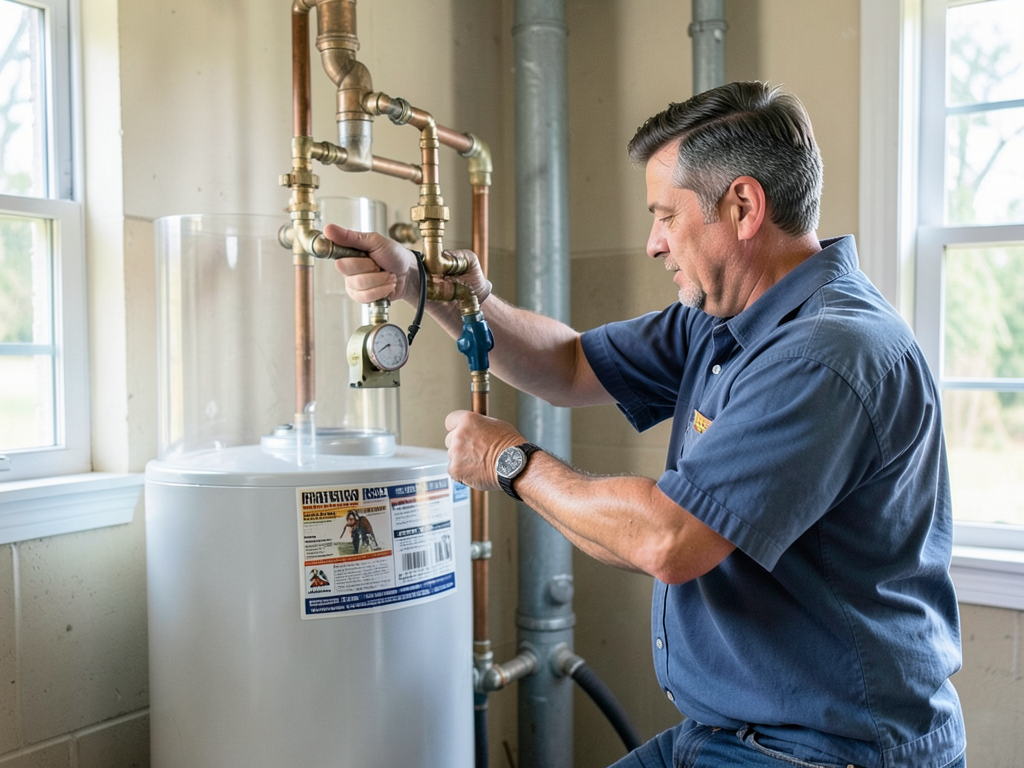
Installation involves mounting the tank vertically on the cold water line near the water heater. The plumber will use proper fittings and supports to prevent stress on the pipes. They’ll pre-charge the tank with compressed air to match your home’s water pressure, usually between 40-60 PSI.
After installation, the plumber will test the system by heating the water and monitoring pressure with a gauge. They’ll check for leaks at all connections and verify that the tank is properly absorbing pressure fluctuations. This testing ensures everything works correctly before considering the job complete.
Permits are required for expansion tank installation in Shelby County. Your plumber should handle the permitting process, which includes scheduling an inspection after installation. This inspection verifies code compliance and protects you from potential liability issues down the road.
How much does expansion tank installation cost in Memphis?
Expansion tank installation costs in Memphis typically range from $350 to $650, depending on several factors. The tank itself costs between $50 and $150, with larger capacity tanks commanding higher prices. Professional installation labor accounts for the majority of the total cost.
If your home needs a pressure reducing valve, expect to add $300 to $500 to the total. PRVs are often necessary in areas with high water pressure or when replacing older, failing units. This combined installation ensures your entire system operates within safe pressure ranges.
Permit fees in Shelby County run approximately $75 to $125, depending on the scope of work. Your plumber should include these fees in their quote and handle the permit process. Trying to skip permits might save money upfront but can lead to costly fines and failed inspections later.
Factors that increase installation costs include difficult access to plumbing lines, the need for additional piping or supports, and emergency service calls. Installing during regular business hours is always cheaper than after-hours emergency service.
While it might seem expensive, consider the alternative costs. A burst pipe from thermal expansion can cause thousands of dollars in water damage. Water heater replacement due to pressure damage costs $1,000 to $2,500. The expansion tank is insurance against these much larger expenses.
Many plumbing companies offer package deals when installing expansion tanks during routine water heater maintenance or replacement. Ask about these bundled services, as they can provide significant savings compared to individual service calls.
Frequently Asked Questions
Can I install an expansion tank myself?
DIY installation is not recommended and may violate Shelby County codes. Expansion tank installation requires proper pressure testing, permit acquisition, and knowledge of local plumbing codes. Improper installation can lead to leaks, code violations, and potential water damage. Professional installation ensures warranty protection and code compliance.
How long does installation take?
A typical expansion tank installation takes 1-2 hours for a straightforward job. This includes pressure testing, tank mounting, connection of plumbing lines, and system testing. If additional work like PRV installation is needed, the total time may extend to 3-4 hours. Your plumber should provide a time estimate before starting work.
Will an expansion tank affect my water pressure?
No. A properly sized and installed expansion tank maintains your existing water pressure while absorbing pressure spikes from thermal expansion. The tank acts as a buffer, preventing pressure from rising too high when your water heater is heating. You shouldn’t notice any change in your normal water pressure after installation.
Do I need an expansion tank if I have a tankless water heater?
Most tankless water heaters don’t require expansion tanks because they heat water on demand rather than storing it. However, if your tankless system includes a small buffer tank or if you have a closed-loop system with high pressure, an expansion tank might still be beneficial. Consult with a licensed plumber for your specific situation. Switching to a Tankless Water Heater in East Memphis (Is It Worth the Investment?).
How can I tell if my home has a closed-loop system?
Check for a pressure reducing valve, backflow preventer, or check valve on your main water line. These devices create closed-loop systems by preventing water from flowing backward into the city supply. If you have a water meter with a built-in check valve, you likely have a closed system that needs an expansion tank.
What happens if I ignore the code requirement?
Ignoring expansion tank requirements risks water damage from burst pipes, voided water heater warranties, and potential code violations during home inspections or sales. The constant pressure cycling can also shorten the lifespan of your water heater and other plumbing fixtures. Installation is much cheaper than emergency repairs.
Can an expansion tank be installed outdoors?
Expansion tanks should be installed indoors in a temperature-controlled environment to prevent freezing and UV damage. The ideal location is on the cold water line near the water heater, where it can easily absorb pressure from the entire system. Outdoor installation voids most manufacturer warranties and risks premature failure.
How often should I have my expansion tank checked?
Have your expansion tank inspected annually during routine plumbing maintenance. The plumber should check the air pressure, test for waterlogging, and inspect all connections for leaks. If you notice any pressure fluctuations or dripping relief valves between inspections, call for service immediately.
Will my insurance cover damage from thermal expansion?
Most homeowners insurance policies don’t cover damage caused by code violations or lack of proper maintenance. If thermal expansion damage occurs and you don’t have the required expansion tank, your claim might be denied. Installing the tank protects both your home and your insurance coverage.
What size expansion tank do I need?
The tank size depends on your water heater capacity and incoming water pressure. A 40-50 gallon water heater typically needs a 2-gallon expansion tank, while larger units require 5-gallon tanks. Your plumber will calculate the exact size needed based on your specific system pressure and water heater volume.
You may also find this helpful. Comparing gas and electric tankless water heaters for your Collierville residence.
{
“@context”: “https://schema.org”,
“@type”: “BlogPosting”,
“headline”: “Understanding why your water heater needs an expansion tank to meet Shelby County codes”,
“description”: “Learn why expansion tanks are required for water heaters in Memphis and Shelby County homes. Protect your plumbing from thermal expansion damage with code-compliant installation.”,
“wordCount”: 2148,
“datePublished”: “2026-04-26T09:11:00.000Z”,
“dateModified”: “2026-04-26T09:11:00.000Z”,
“inLanguage”: “en-US”,
“mainEntityOfPage”: {
“@type”: “WebPage”,
“@id”: “https://aceplumbingmemphis.com”
},
“publisher”: {
“@type”: “LocalBusiness”,
“name”: “Ace Plumbing Memphis”,
“url”: “https://aceplumbingmemphis.com”
},
“author”: {
“@type”: “Organization”,
“name”: “Ace Plumbing Memphis”,
“url”: “https://aceplumbingmemphis.com”
},
“image”: {
“@type”: “ImageObject”,
“url”: “https://aceplumbingmemphis.com/wp-content/uploads/2026/03/understanding-why-your-water-heater-needs-an-expan-1.png”
}
}
{
“@context”: “https://schema.org”,
“@type”: “Plumber”,
“name”: “Ace Plumbing Memphis”,
“url”: “https://aceplumbingmemphis.com”,
“address”: {
“@type”: “PostalAddress”,
“addressLocality”: “Memphis”
},
“areaServed”: {
“@type”: “City”,
“name”: “Memphis”
}
}
{
“@context”: “https://schema.org”,
“@type”: “FAQPage”,
“mainEntity”: [
{
“@type”: “Question”,
“name”: “Tennessee Plumbing Code: Is an expansion tank mandatory in Shelby County?”,
“acceptedAnswer”: {
“@type”: “Answer”,
“text”: “Yes. The Tennessee State Plumbing Board has adopted the International Plumbing Code with specific amendments for local conditions. Shelby County building inspectors now require expansion tanks on all new water heater installations and replacements. This requirement applies to both gas and electric water heaters in residential and commercial buildings. Tennessee State Board for Licensing Contractors.”
}
},
{
“@type”: “Question”,
“name”: “How much does expansion tank installation cost in Memphis?”,
“acceptedAnswer”: {
“@type”: “Answer”,
“text”: “Expansion tank installation costs in Memphis typically range from $350 to $650, depending on several factors. The tank itself costs between $50 and $150, with larger capacity tanks commanding higher prices. Professional installation labor accounts for the majority of the total cost.”
}
},
{
“@type”: “Question”,
“name”: “Can I install an expansion tank myself?”,
“acceptedAnswer”: {
“@type”: “Answer”,
“text”: “DIY installation is not recommended and may violate Shelby County codes. Expansion tank installation requires proper pressure testing, permit acquisition, and knowledge of local plumbing codes. Improper installation can lead to leaks, code violations, and potential water damage. Professional installation ensures warranty protection and code compliance.”
}
},
{
“@type”: “Question”,
“name”: “How long does installation take?”,
“acceptedAnswer”: {
“@type”: “Answer”,
“text”: “A typical expansion tank installation takes 1-2 hours for a straightforward job. This includes pressure testing, tank mounting, connection of plumbing lines, and system testing. If additional work like PRV installation is needed, the total time may extend to 3-4 hours. Your plumber should provide a time estimate before starting work.”
}
},
{
“@type”: “Question”,
“name”: “Will an expansion tank affect my water pressure?”,
“acceptedAnswer”: {
“@type”: “Answer”,
“text”: “No. A properly sized and installed expansion tank maintains your existing water pressure while absorbing pressure spikes from thermal expansion. The tank acts as a buffer, preventing pressure from rising too high when your water heater is heating. You shouldn’t notice any change in your normal water pressure after installation.”
}
},
{
“@type”: “Question”,
“name”: “Do I need an expansion tank if I have a tankless water heater?”,
“acceptedAnswer”: {
“@type”: “Answer”,
“text”: “Most tankless water heaters don’t require expansion tanks because they heat water on demand rather than storing it. However, if your tankless system includes a small buffer tank or if you have a closed-loop system with high pressure, an expansion tank might still be beneficial. Consult with a licensed plumber for your specific situation. Switching to a Tankless Water Heater in East Memphis (Is It Worth the Investment?).”
}
},
{
“@type”: “Question”,
“name”: “How can I tell if my home has a closed-loop system?”,
“acceptedAnswer”: {
“@type”: “Answer”,
“text”: “Check for a pressure reducing valve, backflow preventer, or check valve on your main water line. These devices create closed-loop systems by preventing water from flowing backward into the city supply. If you have a water meter with a built-in check valve, you likely have a closed system that needs an expansion tank.”
}
},
{
“@type”: “Question”,
“name”: “What happens if I ignore the code requirement?”,
“acceptedAnswer”: {
“@type”: “Answer”,
“text”: “Ignoring expansion tank requirements risks water damage from burst pipes, voided water heater warranties, and potential code violations during home inspections or sales. The constant pressure cycling can also shorten the lifespan of your water heater and other plumbing fixtures. Installation is much cheaper than emergency repairs.”
}
},
{
“@type”: “Question”,
“name”: “Can an expansion tank be installed outdoors?”,
“acceptedAnswer”: {
“@type”: “Answer”,
“text”: “Expansion tanks should be installed indoors in a temperature-controlled environment to prevent freezing and UV damage. The ideal location is on the cold water line near the water heater, where it can easily absorb pressure from the entire system. Outdoor installation voids most manufacturer warranties and risks premature failure.”
}
},
{
“@type”: “Question”,
“name”: “How often should I have my expansion tank checked?”,
“acceptedAnswer”: {
“@type”: “Answer”,
“text”: “Have your expansion tank inspected annually during routine plumbing maintenance. The plumber should check the air pressure, test for waterlogging, and inspect all connections for leaks. If you notice any pressure fluctuations or dripping relief valves between inspections, call for service immediately.”
}
},
{
“@type”: “Question”,
“name”: “Will my insurance cover damage from thermal expansion?”,
“acceptedAnswer”: {
“@type”: “Answer”,
“text”: “Most homeowners insurance policies don’t cover damage caused by code violations or lack of proper maintenance. If thermal expansion damage occurs and you don’t have the required expansion tank, your claim might be denied. Installing the tank protects both your home and your insurance coverage.”
}
},
{
“@type”: “Question”,
“name”: “What size expansion tank do I need?”,
“acceptedAnswer”: {
“@type”: “Answer”,
“text”: “The tank size depends on your water heater capacity and incoming water pressure. A 40-50 gallon water heater typically needs a 2-gallon expansion tank, while larger units require 5-gallon tanks. Your plumber will calculate the exact size needed based on your specific system pressure and water heater volume.”
}
}
]
}
{
“@context”: “https://schema.org”,
“@type”: “BreadcrumbList”,
“itemListElement”: [
{
“@type”: “ListItem”,
“position”: 1,
“name”: “Home”,
“item”: “https://aceplumbingmemphis.com”
},
{
“@type”: “ListItem”,
“position”: 2,
“name”: “Blog”,
“item”: “https://aceplumbingmemphis.com/blog”
},
{
“@type”: “ListItem”,
“position”: 3,
“name”: “Understanding why your water heater needs an expansion tank to meet Shelby County codes”
}
]
}
{
“@context”: “https://schema.org”,
“@type”: “Service”,
“serviceType”: “Plumbing”,
“provider”: {
“@type”: “LocalBusiness”,
“name”: “Ace Plumbing Memphis”,
“url”: “https://aceplumbingmemphis.com”
},
“areaServed”: {
“@type”: “City”,
“name”: “Memphis”
},
“description”: “Learn why expansion tanks are required for water heaters in Memphis and Shelby County homes. Protect your plumbing from thermal expansion damage with code-compliant installation.”
}