Why your modern low-flow toilet keeps clogging in your River Oaks home
Your River Oaks home deserves reliable plumbing. Yet many Memphis homeowners find their eco-friendly low-flow toilets constantly backing up. The frustration is real. You flush and wait. Nothing happens. Or worse, water rises toward the rim. This isn’t just annoying. It’s a sign of deeper plumbing issues specific to our Memphis area. How to Tell if You Have a Slab Leak Under Your Memphis Home Foundation.
Low-flow toilets save water but often struggle in older River Oaks homes. The combination of Memphis’s mineral-rich water, aging sewer lines, and specific home construction creates a perfect storm for toilet problems. Before you blame the toilet brand or consider a costly replacement, understanding the real causes can save you time and money. Midtown Sewer Line Repair Without Digging Up Your Entire Yard.
Memphis water quality affects your toilet performance
Memphis water contains high mineral content. The Memphis Sands Aquifer provides our drinking water but also delivers dissolved calcium and magnesium. These minerals coat toilet components over time. You might notice white scale buildup around the rim jets or inside the tank. This scale restricts water flow during flushing.. Read more about Finding a Same Day Plumber in Memphis Who Can Actually Fix a Main Line Backup.
The MLGW (Memphis Light, Gas and Water) reports average water hardness between 100-150 parts per million. This level creates mineral deposits faster than in softer water regions. Scale buildup reduces the siphon jet’s effectiveness. The toilet cannot generate enough force to clear waste in a single flush. MLGW water quality information.
River Oaks homes built between 1970 and 1995 face the worst scale problems. These homes often have original plumbing that has accumulated decades of mineral deposits. The combination of hard water and older pipes creates chronic low-flow toilet failures. Plumbing Somerville.
Older sewer lines cannot handle modern toilet demands
River Oaks neighborhoods contain homes with original cast iron or clay sewer pipes. These pipes were designed for older toilets that used 3.5 to 5 gallons per flush. Modern low-flow models use only 1.28 gallons. The reduced water volume cannot push waste through partially blocked older pipes.
Cast iron pipes corrode from the inside. The corrosion creates rough surfaces that catch toilet paper and waste. Over decades, the pipe diameter reduces. What started as a 4-inch pipe might now function like a 2-inch pipe. Low-flow toilets cannot overcome this restriction.
Clay pipes in River Oaks homes often have misaligned joints. Tree roots penetrate these joints seeking moisture. The roots catch waste and create partial blockages. When you flush a low-flow toilet, the reduced water volume cannot clear these blockages. Waste accumulates until complete clogs form.
Venting issues common in River Oaks architecture
Many River Oaks homes built in the 1970s and 1980s have inadequate plumbing vents. These vents allow air to enter the drain system. Without proper venting, toilets struggle to flush completely. You might hear gurgling sounds from other drains when flushing. This indicates negative pressure in the system. Professional Drain Cleaning Services in Bartlett to Stop Recurring Clogs for Good.
Roof vent pipes can become blocked by leaves, bird nests, or debris. Memphis storms blow material into open vent stacks. The blockage prevents proper air circulation. Low-flow toilets need adequate air pressure to create the siphon effect. Blocked vents eliminate this pressure.
Some River Oaks homes have combined waste and vent lines. This older plumbing method reduces the system’s effectiveness. When multiple fixtures drain simultaneously, the toilet loses its air supply. The flush becomes weak and incomplete. Modern plumbing codes require separate vent lines for each fixture.
Flapper valve problems specific to Memphis toilets
Flapper valves control water release during flushing. Memphis’s hard water causes flappers to deteriorate faster than in other regions. You might notice your toilet running between flushes or not releasing enough water. The flapper may close too quickly, preventing a complete flush.
Chlorine in Memphis water accelerates rubber component degradation. Standard flappers last 3-5 years in most areas but often fail in 1-2 years here. The degraded flapper cannot maintain the seal needed for proper flushing. Small leaks develop that reduce flush volume.
River Oaks homes with high water pressure face additional flapper problems. MLGW pressure varies by neighborhood. Some River Oaks areas experience pressure above 60 psi. High pressure forces water past the flapper seal. The toilet loses gallons daily through these small leaks.
DIY troubleshooting steps for River Oaks homeowners
Before calling a plumber check these common issues yourself. Remove the toilet tank lid and inspect the flapper. If it looks warped or deteriorated replace it. This simple fix costs under $15 and often solves flushing problems.
Check the rim jets under the toilet bowl. These small holes can clog with mineral deposits. Use a small mirror to inspect them. If they appear blocked clean them with vinegar and a small brush. This restores proper bowl rinsing.
Test your home’s water pressure using a gauge from any hardware store. Pressure above 60 psi strains all plumbing components. If your pressure reads high consider installing a pressure-reducing valve. This protects your entire plumbing system.
Listen for gurgling sounds from other drains when flushing. This indicates venting problems. Check your roof vent pipes for visible blockages. Never climb on your roof without proper safety equipment.
When to call a Memphis plumbing professional
Some toilet problems require professional diagnosis. If you’ve tried basic fixes and still experience clogs call a licensed plumber. Multiple fixture problems indicate main line issues. If your tub or sink backs up when flushing the problem extends beyond the toilet.
Recurring clogs every few days suggest partial blockages in your sewer line. Tree roots commonly cause these blockages in River Oaks. Professional rooter service can clear these blockages and inspect pipe condition with cameras.
Water backing into basement floor drains indicates serious main line problems. This requires immediate professional attention. Sewage backups create health hazards and property damage.
Older River Oaks homes benefit from whole-house plumbing inspections. A professional can identify potential problems before they cause emergencies. This proactive approach often saves money long-term.
Professional solutions for River Oaks toilet problems
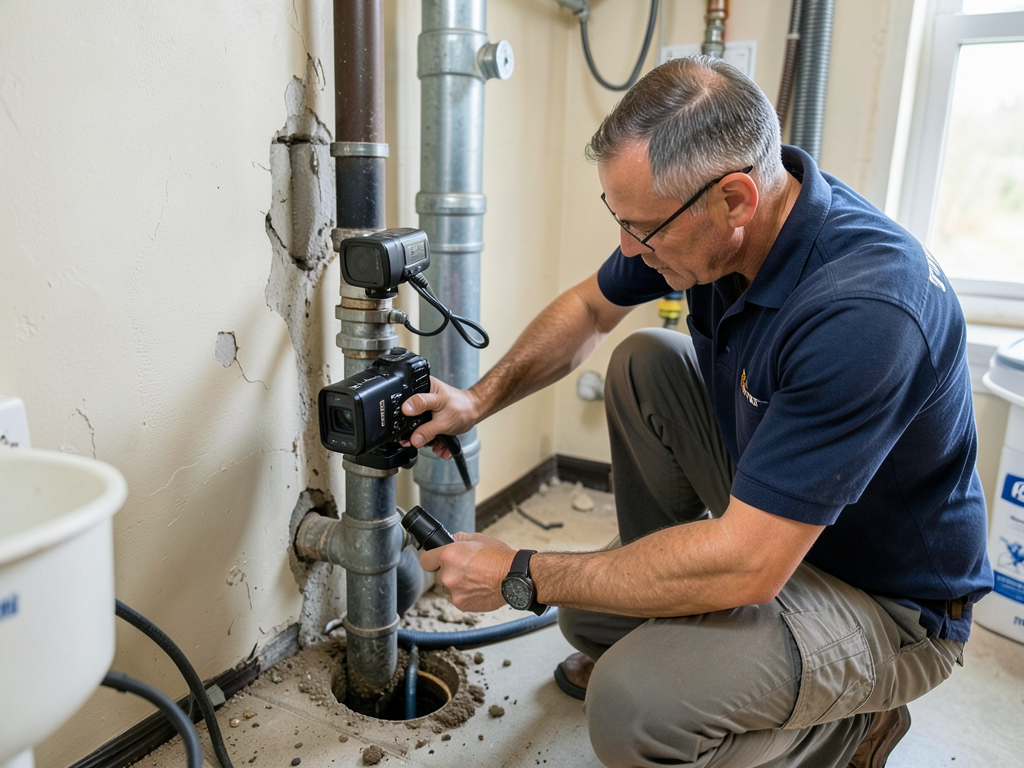
Professional plumbers use specialized tools to diagnose toilet issues. Video camera inspection reveals pipe conditions without excavation. The camera identifies root intrusions, corrosion, and blockages. This targeted approach prevents unnecessary repairs.
Hydro jetting clears mineral deposits and waste buildup from pipes. This high-pressure cleaning restores pipe diameter and flow. Unlike chemical cleaners hydro jetting does not damage pipes. It provides lasting results for chronic clog problems.
Pipe lining offers a trenchless solution for damaged sewer lines. A flexible liner coats the inside of existing pipes. This eliminates corrosion and joint problems. The process takes hours not days and costs less than full replacement.
Pressure-assisted toilets provide reliable flushing for problematic installations. These toilets use compressed air to generate flushing force. They overcome pipe restrictions that defeat standard low-flow models. The water savings remain while reliability improves.. Read more about Bidet and Washlet Installation Services for Modern Condos in Harbor Town.
River Oaks specific plumbing considerations
River Oaks homes sit on expansive clay soil. This soil expands when wet and contracts when dry. The movement stresses underground pipes. Clay pipes crack under this stress. Cast iron pipes separate at joints. These separations create perfect spots for waste accumulation.
Many River Oaks homes have finished basements. These basements contain plumbing fixtures that share drain lines with toilets. When main lines clog basement fixtures often back up first. This creates a distinct problem pattern for River Oaks homeowners.
The neighborhood’s mature trees contribute to plumbing problems. Oak and maple roots seek water in sewer lines. These roots grow through pipe joints and cracks. Once inside they catch waste and expand. The blockage grows until complete clogs form.
River Oaks experiences freeze-thaw cycles that stress plumbing. Winter freezes can crack exposed pipes. Spring thaws cause ground movement that shifts underground lines. These cycles accelerate pipe deterioration in older homes.
Comparing toilet replacement options for River Oaks
Standard low-flow toilets work well in new construction but struggle in older River Oaks homes. If your home has original plumbing consider pressure-assisted models. These toilets generate 8-10 times the flushing force of standard models.
Toto Drake toilets offer reliable performance for Memphis conditions. Their larger trapway and powerful siphon jet handle waste effectively. The model resists clogging even with reduced water volume.
Kohler Highline toilets provide another good option. Their Class Five flushing technology moves 1000 grams of waste in independent tests. This exceeds most competitors and handles River Oaks plumbing challenges.
Gravity-fed toilets with larger trapways work in homes with adequate pipe slope. Look for models with 2-3/8 inch trapways instead of standard 2-inch sizes. The larger opening reduces clog potential.
Consider dual-flush models for water conservation. These toilets offer different flush volumes for liquid and solid waste. The larger flush volume handles typical River Oaks waste loads while saving water on lighter flushes.
Maintaining your River Oaks toilet system
Regular maintenance prevents most toilet problems. Clean rim jets monthly to prevent mineral buildup. Pour a cup of white vinegar in the overflow tube monthly to dissolve internal scale.
Inspect the toilet tank annually. Check the flapper chain length and adjust if needed. A chain that’s too short prevents complete flapper lift. A chain that’s too long can catch under the flapper.
Monitor your water bill for unexplained increases. Small toilet leaks waste hundreds of gallons monthly. The constant running sound often indicates flapper problems that also affect flushing performance.
Consider annual plumbing inspections for homes over 20 years old. Professional plumbers can identify developing problems before they cause emergencies. This costs less than emergency service calls. Finding an Emergency Plumber in Germantown Who Actually Shows Up After Hours.
Install water softeners if your home has extremely hard water. Softer water reduces mineral buildup on all plumbing fixtures. This extends the life of toilets, faucets, and water heaters.
Memphis building codes and toilet installations
Shelby County plumbing codes require minimum 3-inch drain lines for toilet installations. Older River Oaks homes may not meet this standard. Code violations can affect home insurance and resale value. Shelby County plumbing codes.
The International Plumbing Code adopted by Shelby County mandates proper venting for all fixtures. Each toilet must have either an individual vent or connection to a common vent system. Inadequate venting causes chronic flushing problems.
Water conservation mandates affect toilet choices. Federal law requires toilets sold after 1994 to use 1.6 gallons per flush or less. High-efficiency toilets use 1.28 gallons. These requirements create the low-flow problems many River Oaks homeowners experience.
Backflow prevention devices protect municipal water supplies. While not required for single-family homes they may be necessary for homes with irrigation systems or pools. Check local requirements before major plumbing work.
Cost considerations for River Oaks homeowners
DIY toilet repairs cost $15-50 for parts. Flapper replacements, fill valve adjustments, and rim jet cleaning fall in this range. These repairs solve many common problems without professional help.
Professional toilet repairs range from $150-400 depending on the problem. Simple repairs like flapper replacement cost less than major repairs like fill valve replacement or tank resealing.
Sewer line cleaning costs $300-500 for typical residential lines. Hydro jetting adds $200-300 to this cost but provides more thorough cleaning. Camera inspection adds $150-250 but identifies exact problems.
Complete toilet replacement costs $400-800 including installation. High-end models with special features cost more. Pressure-assisted toilets add $100-200 to standard replacement costs.
Whole-house repiping represents the highest cost option at $4000-15000 depending on home size and pipe material. This becomes necessary when pipes are too corroded for effective cleaning.
Preventing future toilet problems
Install a water pressure gauge on your main line. Pressure between 40-60 psi protects all plumbing fixtures. Pressure above 80 psi requires a pressure-reducing valve to prevent damage.
Use toilet paper designed for low-flow systems. These products break down faster than standard toilet paper. They reduce clog potential in restricted pipes.
Never flush wipes even if labeled flushable. These products do not break down like toilet paper. They catch on pipe restrictions and create blockages that low-flow toilets cannot clear.
Schedule regular drain cleaning for homes with chronic problems. Annual cleaning prevents waste accumulation that leads to complete blockages. This costs less than emergency service for major clogs.
Monitor tree growth near sewer lines. Large trees within 10 feet of pipes can cause problems. Consider root barriers or pipe replacement in severe cases.
Test your toilet’s flush performance annually. If it requires multiple flushes or shows weak performance address the problem early. Early intervention prevents emergency situations.
River Oaks neighborhood specific resources
River Oaks residents can access MLGW customer service for water pressure questions. Call 901-544-6500 for pressure readings and water quality information specific to your area.
The Shelby County Health Department regulates plumbing installations. Their office at 814 Jefferson provides code information and permit requirements for major plumbing work.
Local plumbing supply stores offer products selected for Memphis conditions. Allen’s Plumbing Supply on Perkins serves River Oaks and stocks parts that resist our hard water conditions.
Neighborhood associations often maintain vendor lists of trusted service providers. These recommendations come from fellow River Oaks homeowners with similar plumbing challenges.
Online neighborhood forums provide real-time problem reporting. If multiple homes experience similar issues the problem may be municipal rather than individual.
Environmental considerations for River Oaks
Low-flow toilets reduce water consumption by 20-60 percent compared to older models. This conservation matters in Memphis where water resources face increasing demand from population growth.
Proper toilet function prevents sewage overflows that contaminate local waterways. The Wolf River and Nonconnah Creek receive runoff from our neighborhoods. Functional plumbing protects these natural resources.
Water conservation reduces energy consumption for water treatment and pumping. Memphis treats and pumps millions of gallons daily. Efficient plumbing reduces this energy demand.
Modern toilets use less water but require proper installation and maintenance. The environmental benefits disappear if toilets require multiple flushes or cause sewage backups.
Choosing durable fixtures reduces landfill waste. Quality toilets last 15-30 years with proper maintenance. This longevity reduces manufacturing impact and waste generation.
Making the right choice for your River Oaks home
Evaluate your specific situation before deciding on repairs or replacement. Consider your home’s age, plumbing condition, and budget. A 30-year-old home with original plumbing may need more than toilet repairs.
Watch for patterns in your toilet problems. Do clogs occur after heavy rain? This suggests main line issues. Do problems happen consistently? This indicates fixture or pipe problems.
Consider your long-term plans for the home. If you plan to stay 5+ years invest in lasting solutions. If selling soon focus on basic functionality and code compliance.
Get multiple opinions for major repairs. Plumbing problems often have several solutions at different price points. Understanding all options helps you make informed decisions.
Trust your instincts about service providers. If someone recommends expensive repairs without clear diagnosis get a second opinion. Reputable plumbers explain problems clearly and offer choices.
Frequently Asked Questions
Why does my low-flow toilet clog more than my old toilet did?
Low-flow toilets use less water which provides less force to push waste through pipes. If your pipes have mineral buildup or partial blockages the reduced water volume cannot clear them. The problem often lies in your plumbing system not the toilet itself.
How can I tell if my River Oaks home has hard water?
Look for white scale buildup on faucets and showerheads. Check for spots on dishes after washing. If soap does not lather well you likely have hard water. MLGW reports Memphis water hardness between 100-150 parts per million which qualifies as hard.
Should I replace my toilet or fix my plumbing?
Test with a new flapper and clean rim jets first. If problems continue have a plumber inspect your main line. Often pipe cleaning solves problems that seem like toilet issues. Replacement becomes necessary only if pipes are too deteriorated for effective cleaning.
How often should River Oaks homes have sewer lines cleaned?
Homes over 20 years old with original plumbing benefit from cleaning every 2-3 years. Homes with mature trees near lines may need annual cleaning. Watch for warning signs like slow drains or gurgling sounds between scheduled cleanings.
Can I increase my toilet’s flush power without replacing it?
Adjust the fill valve to increase tank water level within manufacturer limits. Clean rim jets thoroughly. Check that the flapper opens completely during flush. These adjustments often improve performance without replacement costs.
Take action today
Don’t let toilet problems disrupt your River Oaks home life. Whether you need simple repairs or complete system evaluation professional help is available. Call (901) 640-3313 today to schedule your inspection. Our experienced plumbers understand River Oaks specific challenges and provide lasting solutions.
Pick up the phone and call (901) 640-3313 before the next storm hits. Memphis weather can stress already vulnerable plumbing systems. Don’t wait for a basement backup or emergency situation. Professional diagnosis now prevents costly damage later.
Visit our website to learn more about our River Oaks plumbing services. We offer same-day service for urgent problems and scheduled maintenance for long-term reliability. Your home deserves plumbing that works as hard as you do.
You may also find this helpful. Modernizing the Public Restrooms in Your Downtown Memphis Office Building.
{
“@context”: “https://schema.org”,
“@type”: “BlogPosting”,
“headline”: “Why your modern low-flow toilet keeps clogging in your River Oaks home”,
“description”: “Discover why River Oaks homes struggle with modern low-flow toilets. Learn Memphis-specific plumbing issues, sediment problems, and solutions from local experts.”,
“wordCount”: 2841,
“datePublished”: “2026-04-05T11:10:00.000Z”,
“dateModified”: “2026-04-05T11:10:00.000Z”,
“inLanguage”: “en-US”,
“mainEntityOfPage”: {
“@type”: “WebPage”,
“@id”: “https://aceplumbingmemphis.com”
},
“publisher”: {
“@type”: “LocalBusiness”,
“name”: “Ace Plumbing Memphis”,
“url”: “https://aceplumbingmemphis.com”
},
“author”: {
“@type”: “Organization”,
“name”: “Ace Plumbing Memphis”,
“url”: “https://aceplumbingmemphis.com”
},
“image”: {
“@type”: “ImageObject”,
“url”: “https://aceplumbingmemphis.com/wp-content/uploads/2026/03/why-your-modern-low-flow-toilet-keeps-clogging-in-1.png”
}
}
{
“@context”: “https://schema.org”,
“@type”: “Plumber”,
“name”: “Ace Plumbing Memphis”,
“url”: “https://aceplumbingmemphis.com”,
“address”: {
“@type”: “PostalAddress”,
“addressLocality”: “Memphis”
},
“areaServed”: {
“@type”: “City”,
“name”: “Memphis”
}
}
{
“@context”: “https://schema.org”,
“@type”: “FAQPage”,
“mainEntity”: [
{
“@type”: “Question”,
“name”: “Why does my low-flow toilet clog more than my old toilet did?”,
“acceptedAnswer”: {
“@type”: “Answer”,
“text”: “Low-flow toilets use less water which provides less force to push waste through pipes. If your pipes have mineral buildup or partial blockages the reduced water volume cannot clear them. The problem often lies in your plumbing system not the toilet itself.”
}
},
{
“@type”: “Question”,
“name”: “How can I tell if my River Oaks home has hard water?”,
“acceptedAnswer”: {
“@type”: “Answer”,
“text”: “Look for white scale buildup on faucets and showerheads. Check for spots on dishes after washing. If soap does not lather well you likely have hard water. MLGW reports Memphis water hardness between 100-150 parts per million which qualifies as hard.”
}
},
{
“@type”: “Question”,
“name”: “Should I replace my toilet or fix my plumbing?”,
“acceptedAnswer”: {
“@type”: “Answer”,
“text”: “Test with a new flapper and clean rim jets first. If problems continue have a plumber inspect your main line. Often pipe cleaning solves problems that seem like toilet issues. Replacement becomes necessary only if pipes are too deteriorated for effective cleaning.”
}
},
{
“@type”: “Question”,
“name”: “How often should River Oaks homes have sewer lines cleaned?”,
“acceptedAnswer”: {
“@type”: “Answer”,
“text”: “Homes over 20 years old with original plumbing benefit from cleaning every 2-3 years. Homes with mature trees near lines may need annual cleaning. Watch for warning signs like slow drains or gurgling sounds between scheduled cleanings.”
}
},
{
“@type”: “Question”,
“name”: “Can I increase my toilet’s flush power without replacing it?”,
“acceptedAnswer”: {
“@type”: “Answer”,
“text”: “Adjust the fill valve to increase tank water level within manufacturer limits. Clean rim jets thoroughly. Check that the flapper opens completely during flush. These adjustments often improve performance without replacement costs.”
}
}
]
}
{
“@context”: “https://schema.org”,
“@type”: “BreadcrumbList”,
“itemListElement”: [
{
“@type”: “ListItem”,
“position”: 1,
“name”: “Home”,
“item”: “https://aceplumbingmemphis.com”
},
{
“@type”: “ListItem”,
“position”: 2,
“name”: “Blog”,
“item”: “https://aceplumbingmemphis.com/blog”
},
{
“@type”: “ListItem”,
“position”: 3,
“name”: “Why your modern low-flow toilet keeps clogging in your River Oaks home”
}
]
}
{
“@context”: “https://schema.org”,
“@type”: “Service”,
“serviceType”: “Plumbing”,
“provider”: {
“@type”: “LocalBusiness”,
“name”: “Ace Plumbing Memphis”,
“url”: “https://aceplumbingmemphis.com”
},
“areaServed”: {
“@type”: “City”,
“name”: “Memphis”
},
“description”: “Discover why River Oaks homes struggle with modern low-flow toilets. Learn Memphis-specific plumbing issues, sediment problems, and solutions from local experts.”
}