How to tell if that musty smell in your basement is mold or a sewer leak
The musty odor in your basement could signal two very different problems: toxic mold growth or dangerous sewer gas leaking into your home. In Memphis’s humid climate, both issues are common, but they require completely different solutions. Mold typically produces an earthy, damp smell and poses respiratory risks, while sewer gas has a rotten egg odor and contains hydrogen sulfide that can cause headaches, nausea, and even explosions in severe cases. Midtown Sewer Line Repair Without Digging Up Your Entire Yard.
Before you call anyone, you need to identify which problem you’re dealing with. A quick diagnostic test can save you from unnecessary expenses and ensure you get the right professional help. The smell’s location, intensity, and accompanying symptoms all provide crucial clues about whether you’re facing a plumbing emergency or a mold remediation situation. Professional Drain Cleaning Services in Bartlett to Stop Recurring Clogs for Good.
Key differences between mold smell and sewer gas odor
Understanding the distinct characteristics of each odor helps you make the right call. Mold produces volatile organic compounds as it grows, creating that characteristic musty smell. Sewer gas, on the other hand, contains hydrogen sulfide, methane, and ammonia from decomposing waste in your plumbing system. How to Tell if You Have a Slab Leak Under Your Memphis Home Foundation.
| Characteristic | Mold Smell | Sewer Gas Smell |
|---|---|---|
| Primary Odor | Earthy, musty, damp | Rotten eggs, sulfur |
| Common Locations | Basements, crawl spaces, bathrooms | Floor drains, unused sinks, near toilets |
| Health Effects | Respiratory irritation, allergies | Headaches, nausea, dizziness |
| Visual Signs | Black/green spots, fuzzy growth | None visible, may see water backup |
Memphis-specific factors affecting basement odors
Memphis’s climate creates perfect conditions for both mold growth and plumbing issues. The city’s average relative humidity exceeds 70% for much of the year, providing moisture that mold needs to thrive. Additionally, many older homes in Midtown and Central Gardens have aging clay sewer pipes that crack and allow gas to escape. Plumbing Somerville.
The Mississippi River’s proximity affects local groundwater levels, which can cause hydrostatic pressure on basement walls and create moisture problems. Homes built on expansive clay soil, common throughout Shelby County, are particularly susceptible to foundation shifting that can damage plumbing connections and create gaps where sewer gas escapes.
How to perform a basement odor diagnostic test
Before calling any professional, conduct a simple diagnostic test to determine whether you’re dealing with mold or sewer gas. This test takes about 15 minutes and helps you provide accurate information to the right specialist.. Read more about Things to consider before adding a second kitchen to your basement or walk-out in Lakeland.
- Check floor drains
Pour a cup of water down any floor drains in your basement. If the smell intensifies or changes, you likely have a dry P-trap allowing sewer gas to enter.
- Test the peppermint oil method
Add a few drops of peppermint extract to a cup of water and pour it down a drain. If you smell peppermint elsewhere in the house within 30 minutes, you have a cracked vent stack or broken sewer line.
- Inspect for visible mold
Look for black, green, or white fuzzy patches on walls, ceilings, or stored items. Mold often grows in corners and behind furniture where air circulation is poor.
- Check humidity levels
Use a hygrometer to measure basement humidity. Levels above 60% indicate conditions favorable for mold growth, while sudden humidity spikes might suggest plumbing leaks.
Health risks of mold vs. sewer gas exposure
Both mold and sewer gas pose serious health risks, but they affect your body differently. Mold exposure primarily impacts your respiratory system through airborne spores and mycotoxins. Common symptoms include persistent coughing, wheezing, throat irritation, and worsening asthma or allergy symptoms.
Sewer gas exposure can cause more immediate and severe reactions. Hydrogen sulfide, the primary component of sewer gas, affects your nervous system at low concentrations. Symptoms include headaches, dizziness, nausea, and eye irritation. At higher concentrations, it can cause unconsciousness or even death. Methane, another component, creates explosion risks when trapped in enclosed spaces.
The Environmental Protection Agency (EPA) classifies mold as a potential allergen and respiratory irritant, while hydrogen sulfide is regulated as a toxic air contaminant. Both require prompt professional attention, but sewer gas situations are generally considered more immediately dangerous. EPA mold guidelines.
Common causes of sewer gas leaks in Memphis homes
Sewer gas leaks typically result from plumbing system failures that allow gases to escape into living spaces. Understanding these causes helps you identify whether you need a plumber or if the problem might be mold-related.
Dry P-traps are the most common cause of sewer gas smells in basements. These U-shaped pipe sections hold water that creates a seal blocking gas from entering your home. When a sink, shower, or floor drain goes unused for weeks, the water evaporates and breaks this seal. This frequently occurs in guest bathrooms, utility sinks, and basement floor drains.. Read more about Why the guest bathroom in your Germantown home smells like a sewer when it’s not being used.
Cracked or damaged vent stacks allow sewer gases to escape before they reach the roof. These vertical pipes equalize pressure in your plumbing system and safely vent gases outside. Tree root intrusion, foundation settling, or simple age can crack these pipes, especially in older Memphis neighborhoods with established tree canopies.
Broken wax rings around toilets create direct pathways for sewer gas to enter bathrooms and basements. Each flush creates pressure that forces gas through even tiny gaps. This is particularly common in homes with pedestal or wall-mounted toilets where the wax seal is more vulnerable to damage.
Mold growth patterns in Memphis basements
Mold requires moisture, organic material, and appropriate temperatures to grow. Memphis basements provide all three conditions, especially during humid summer months. Understanding mold growth patterns helps you identify whether your smell is mold-related.
Black mold (Stachybotrys chartarum) thrives in consistently damp areas with cellulose materials like drywall, wood, or paper. It appears as dark green or black patches with a slimy texture. This mold produces mycotoxins that can cause severe respiratory issues, particularly in children, elderly individuals, and those with compromised immune systems.
White or green mold species often grow on concrete surfaces in basements. While less toxic than black mold, these species still produce allergens and can damage building materials. They typically appear as powdery or fuzzy growths on walls, floors, and stored items.
Hidden mold behind walls or under flooring often produces the strongest odors since the gases accumulate in enclosed spaces. This occurs when plumbing leaks or foundation cracks allow moisture to penetrate building materials, creating ideal growing conditions out of sight.
When to call a Memphis plumber vs. mold remediation specialist
Determining which professional to call depends on your diagnostic test results and the specific symptoms you’re experiencing. Here’s a decision guide to help you make the right choice.
| Symptom | Call Plumber | Call Mold Specialist |
|---|---|---|
| Rotten egg smell | ✅ | ❌ |
| Musty, earthy smell | ❌ | ✅ |
| Visible water backup | ✅ | ❌ |
| Visible mold growth | ❌ | ✅ |
| Smell from drains | ✅ | ❌ |
| Smell from walls/ceilings | ❌ | ✅ |
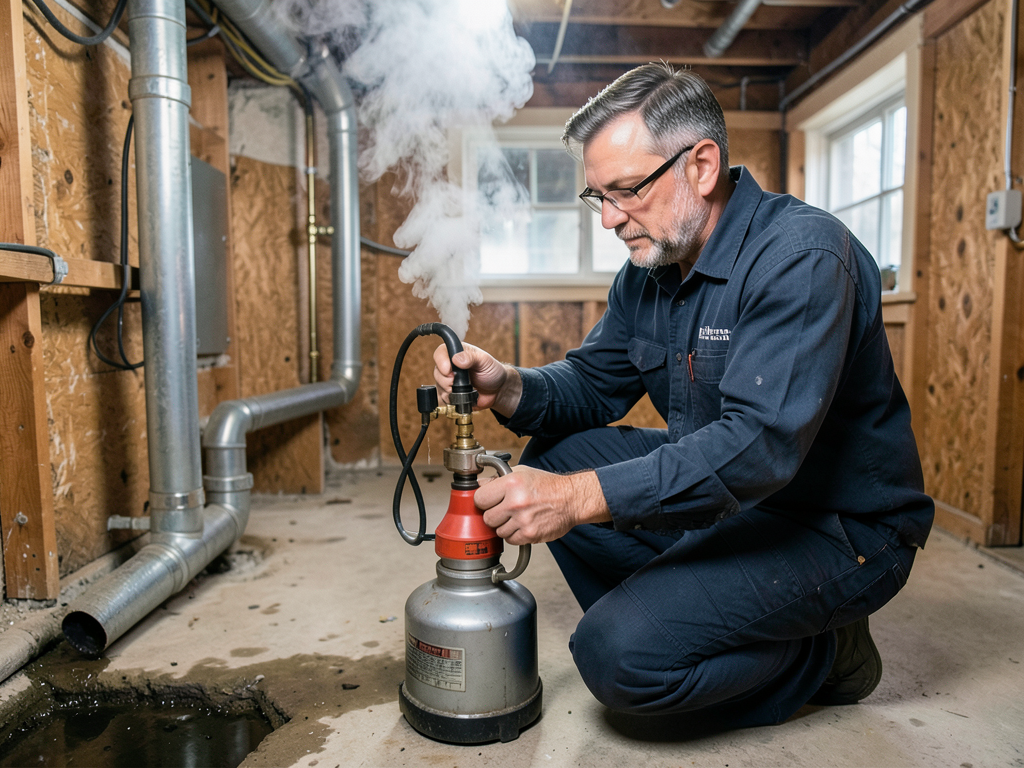
Plumbers use specialized equipment like smoke testing and video camera inspection to locate sewer gas leaks. Smoke testing involves pumping non-toxic smoke through your plumbing system to identify where gases escape. Video inspection uses waterproof cameras to examine sewer lines for cracks, root intrusion, or blockages.
Mold remediation specialists use moisture meters, thermal imaging, and air quality testing to locate mold sources. They can identify hidden growth behind walls and determine the extent of contamination. Professional remediation includes containment, removal, and prevention strategies to stop future growth.
Prevention strategies for Memphis homeowners
Preventing both mold growth and sewer gas leaks requires different approaches, but both focus on moisture control and regular maintenance. Here are specific strategies for Memphis’s unique climate challenges.
For mold prevention, maintain basement humidity below 50% using dehumidifiers during humid months. Install proper ventilation in bathrooms and laundry areas. Fix any plumbing leaks promptly, as even small drips create conditions for mold growth. Use mold-resistant products when finishing basement spaces, including moisture-resistant drywall and treated lumber.
For sewer gas prevention, run water through all drains weekly to maintain P-trap seals. Check toilet wax rings annually for signs of wear or damage. Install backflow preventers if your home is in a flood-prone area. Consider having your plumbing system inspected every few years, especially if you live in an older Memphis home with clay sewer lines.
Regular HVAC maintenance also helps prevent both problems. Clean air filters trap mold spores, while properly functioning systems maintain consistent humidity levels. Annual duct cleaning removes accumulated dust and debris that can harbor mold growth.
Local building codes and safety standards
Memphis and Shelby County follow the International Plumbing Code with local amendments. The code requires P-traps on all drains, proper vent stack installation, and specific pipe materials for different applications. Understanding these requirements helps you recognize whether your home meets current safety standards.
The Tennessee State Building Code mandates that all plumbing fixtures have proper venting to prevent trap siphonage and sewer gas entry. This includes requirements for vent pipe sizing, termination height above the roof, and distance from windows and air intakes. Violations of these codes can create the exact conditions that allow sewer gas to enter your home. Tennessee State Plumbing Code.
For mold, the EPA provides guidelines for moisture control and remediation practices. While there are no specific building codes for mold prevention, proper construction techniques including vapor barriers, adequate ventilation, and moisture-resistant materials significantly reduce mold risks.
Emergency situations requiring immediate action
Some situations require immediate evacuation and emergency service calls. If you experience multiple people feeling ill simultaneously, especially with symptoms like dizziness, nausea, or difficulty breathing, leave the house immediately and call for help from outside. Finding an Emergency Plumber in Germantown Who Actually Shows Up After Hours.
Strong, sudden sewer gas odors that weren’t present before could indicate a major plumbing failure or gas line issue. If you hear hissing sounds or see bubbling in drains accompanied by strong odors, this could signal a dangerous situation requiring immediate professional attention.
Visible mold covering more than 10 square feet, especially if it’s black or produces a strong musty odor, should be treated as an emergency. Large mold infestations can release dangerous levels of spores and mycotoxins into your home’s air supply.
For any suspected sewer gas emergency in Memphis, call (901) 640-3313 immediately. Our licensed plumbers are available 24/7 to diagnose and resolve dangerous gas leaks before they cause serious health problems or property damage.
Frequently Asked Questions
Can I test for mold or sewer gas myself?
Basic diagnostic tests like the P-trap water check and visual inspection can be done safely by homeowners. However, professional testing for mold spores or hydrogen sulfide levels requires specialized equipment and should be handled by certified professionals to ensure accurate results and proper safety protocols.
How much does professional testing cost in Memphis?
Mold inspection typically costs $300-$600 for a standard home, while sewer gas testing ranges from $200-$400. These prices vary based on home size and the complexity of the investigation. Many companies offer free initial consultations to determine which type of testing you need.
Will my homeowner’s insurance cover these issues?
Coverage depends on the cause of the problem. Sudden plumbing failures are often covered, while gradual mold growth due to maintenance issues typically isn’t. Sewer line repairs may be covered if the damage results from covered perils like tree root invasion or ground shifting.
How long does remediation take?
Mold remediation usually takes 1-5 days depending on the extent of contamination. Sewer line repairs can often be completed in a single day using modern trenchless technology, though extensive damage might require several days of work.
Take action before the problem worsens
Whether you’re dealing with mold or sewer gas, the problem will only get worse if left untreated. Mold continues to spread and release spores, while plumbing leaks can cause structural damage and increase utility costs. The longer you wait, the more expensive and extensive the repairs become.
Don’t risk your family’s health or your home’s safety. If you’ve identified signs of either problem through our diagnostic guide, it’s time to call in the professionals. For sewer gas issues, you need a licensed plumber who can locate and repair the source of the leak. For mold problems, you need certified remediation specialists who can safely remove contamination and prevent recurrence.
Call (901) 640-3313 today to schedule your inspection. Our experienced team can quickly determine whether you need plumbing repairs or mold remediation, and we’ll provide a clear plan to resolve the issue and prevent it from returning. Don’t let that musty smell become a serious health hazard or expensive repair project.
Memphis homes face unique challenges from our climate and soil conditions, but with proper diagnosis and professional treatment, you can eliminate these odors and protect your family’s health. Take the first step today by calling (901) 640-3313 for your comprehensive basement odor inspection.
{
“@context”: “https://schema.org”,
“@type”: “BlogPosting”,
“headline”: “How to tell if that musty smell in your basement is mold or a sewer leak”,
“description”: “Can’t tell if that musty basement smell is mold or a sewer leak? Learn the diagnostic signs, health risks, and when to call a Memphis plumber vs. mold specialist.”,
“wordCount”: 2146,
“datePublished”: “2026-06-07T07:12:00.000Z”,
“dateModified”: “2026-06-07T07:12:00.000Z”,
“inLanguage”: “en-US”,
“mainEntityOfPage”: {
“@type”: “WebPage”,
“@id”: “https://aceplumbingmemphis.com”
},
“publisher”: {
“@type”: “LocalBusiness”,
“name”: “Ace Plumbing Memphis”,
“url”: “https://aceplumbingmemphis.com”
},
“author”: {
“@type”: “Organization”,
“name”: “Ace Plumbing Memphis”,
“url”: “https://aceplumbingmemphis.com”
},
“image”: {
“@type”: “ImageObject”,
“url”: “https://aceplumbingmemphis.com/wp-content/uploads/2026/03/how-to-tell-if-that-musty-smell-in-your-basement-i-1.png”
}
}
{
“@context”: “https://schema.org”,
“@type”: “Plumber”,
“name”: “Ace Plumbing Memphis”,
“url”: “https://aceplumbingmemphis.com”,
“address”: {
“@type”: “PostalAddress”,
“addressLocality”: “Memphis”
},
“areaServed”: {
“@type”: “City”,
“name”: “Memphis”
}
}
{
“@context”: “https://schema.org”,
“@type”: “FAQPage”,
“mainEntity”: [
{
“@type”: “Question”,
“name”: “Can I test for mold or sewer gas myself?”,
“acceptedAnswer”: {
“@type”: “Answer”,
“text”: “Basic diagnostic tests like the P-trap water check and visual inspection can be done safely by homeowners. However, professional testing for mold spores or hydrogen sulfide levels requires specialized equipment and should be handled by certified professionals to ensure accurate results and proper safety protocols.”
}
},
{
“@type”: “Question”,
“name”: “How much does professional testing cost in Memphis?”,
“acceptedAnswer”: {
“@type”: “Answer”,
“text”: “Mold inspection typically costs $300-$600 for a standard home, while sewer gas testing ranges from $200-$400. These prices vary based on home size and the complexity of the investigation. Many companies offer free initial consultations to determine which type of testing you need.”
}
},
{
“@type”: “Question”,
“name”: “Will my homeowner’s insurance cover these issues?”,
“acceptedAnswer”: {
“@type”: “Answer”,
“text”: “Coverage depends on the cause of the problem. Sudden plumbing failures are often covered, while gradual mold growth due to maintenance issues typically isn’t. Sewer line repairs may be covered if the damage results from covered perils like tree root invasion or ground shifting.”
}
},
{
“@type”: “Question”,
“name”: “How long does remediation take?”,
“acceptedAnswer”: {
“@type”: “Answer”,
“text”: “Mold remediation usually takes 1-5 days depending on the extent of contamination. Sewer line repairs can often be completed in a single day using modern trenchless technology, though extensive damage might require several days of work.”
}
}
]
}
{
“@context”: “https://schema.org”,
“@type”: “HowTo”,
“name”: “Basement Odor Diagnostic Test”,
“step”: [
{
“@type”: “HowToStep”,
“position”: 1,
“name”: “Check floor drains”,
“text”: “Pour a cup of water down any floor drains in your basement. If the smell intensifies or changes, you likely have a dry P-trap allowing sewer gas to enter.”
},
{
“@type”: “HowToStep”,
“position”: 2,
“name”: “Test the peppermint oil method”,
“text”: “Add a few drops of peppermint extract to a cup of water and pour it down a drain. If you smell peppermint elsewhere in the house within 30 minutes, you have a cracked vent stack or broken sewer line.”
},
{
“@type”: “HowToStep”,
“position”: 3,
“name”: “Inspect for visible mold”,
“text”: “Look for black, green, or white fuzzy patches on walls, ceilings, or stored items. Mold often grows in corners and behind furniture where air circulation is poor.”
},
{
“@type”: “HowToStep”,
“position”: 4,
“name”: “Check humidity levels”,
“text”: “Use a hygrometer to measure basement humidity. Levels above 60% indicate conditions favorable for mold growth, while sudden humidity spikes might suggest plumbing leaks.”
}
],
“image”: “https://aceplumbingmemphis.com/wp-content/uploads/2026/03/how-to-tell-if-that-musty-smell-in-your-basement-i-1.png”
}
{
“@context”: “https://schema.org”,
“@type”: “BreadcrumbList”,
“itemListElement”: [
{
“@type”: “ListItem”,
“position”: 1,
“name”: “Home”,
“item”: “https://aceplumbingmemphis.com”
},
{
“@type”: “ListItem”,
“position”: 2,
“name”: “Blog”,
“item”: “https://aceplumbingmemphis.com/blog”
},
{
“@type”: “ListItem”,
“position”: 3,
“name”: “How to tell if that musty smell in your basement is mold or a sewer leak”
}
]
}
{
“@context”: “https://schema.org”,
“@type”: “Service”,
“serviceType”: “Plumbing”,
“provider”: {
“@type”: “LocalBusiness”,
“name”: “Ace Plumbing Memphis”,
“url”: “https://aceplumbingmemphis.com”
},
“areaServed”: {
“@type”: “City”,
“name”: “Memphis”
},
“description”: “Can’t tell if that musty basement smell is mold or a sewer leak? Learn the diagnostic signs, health risks, and when to call a Memphis plumber vs. mold specialist.”
}