How the hard water in Southaven is quietly killing your high-end dishwasher
Your dishwasher should be cleaning your dishes, not slowly destroying itself from the inside out. If you live in Southaven, Mississippi, you’re dealing with water that’s loaded with dissolved minerals—primarily calcium and magnesium—that form a stubborn white scale inside your appliance. This isn’t just a cosmetic issue. That chalky buildup is quietly sabotaging your dishwasher’s performance, shortening its lifespan, and costing you money on repairs and replacements. EPA WaterSense program.
Southaven’s water hardness typically measures between 12-15 grains per gallon (GPG), which falls into the “very hard” category according to EPA water quality standards. Over time, these minerals coat heating elements, clog spray arms, and create a perfect environment for bacteria growth. Your dishes come out cloudy, your energy bills creep up, and one day you’re staring at a repair bill that could have been prevented.
The good news is that hard water damage is predictable and preventable. Understanding what’s happening inside your dishwasher is the first step to protecting your investment and getting those sparkling clean dishes you expect. How to Tell if You Have a Slab Leak Under Your Memphis Home Foundation.
How hard water destroys your dishwasher from the inside
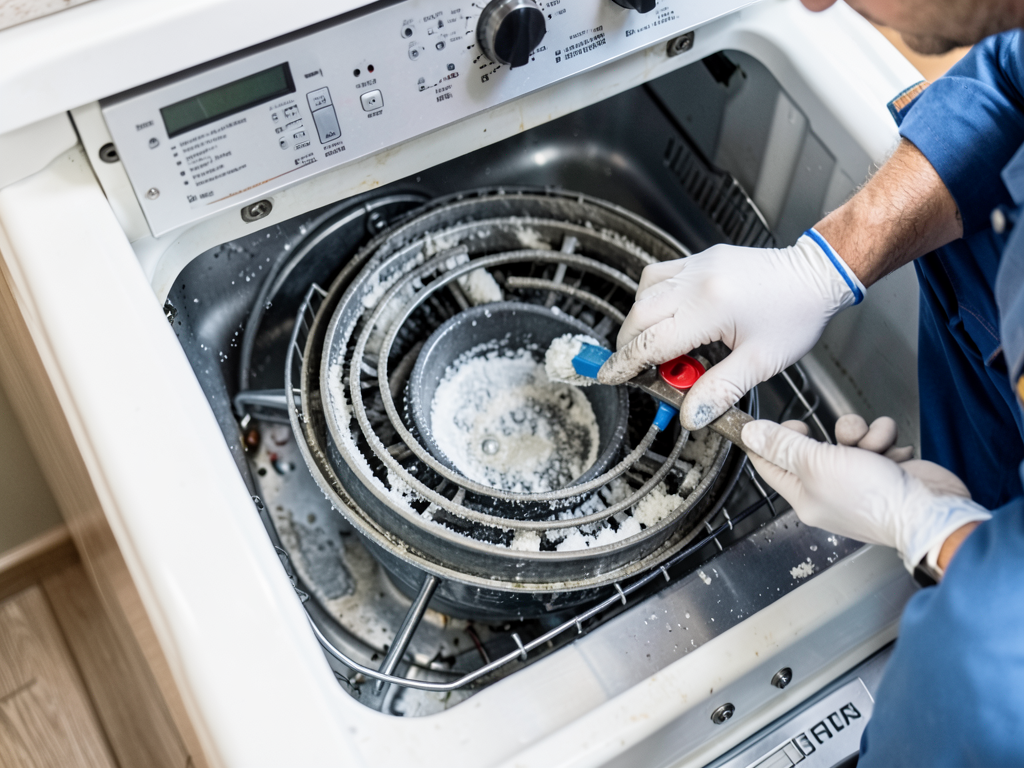
Hard water damage happens through a simple chemical process. When water heats up, dissolved calcium carbonate and magnesium carbonate precipitate out of solution and form solid deposits. Your dishwasher creates the perfect storm: hot water, constant moisture, and mineral-rich supply water.
The heating element is usually the first casualty. Scale buildup acts like insulation, forcing the element to work harder and longer to heat water. What used to take 20 minutes now takes 30, and your energy consumption jumps 15-20%. The element eventually overheats and fails, leaving you with cold wash cycles and standing water. Sediment Buildup in Pipes.
Spray arms suffer next. Tiny mineral deposits clog the precision holes that direct water to your dishes. Pressure drops, coverage becomes spotty, and you start seeing food particles baked onto plates from inadequate rinsing. A $30 spray arm replacement becomes a $200 service call when you factor in labor.
The pump and motor face increased strain from scale accumulation in the water pathways. Bearings wear prematurely, seals fail, and you get the classic humming sound of a motor struggling against mineral blockage. At this point, you’re looking at a $400-600 repair or a new dishwasher purchase.
Even the racks aren’t safe. Hard water leaves mineral deposits on the protective coating, allowing rust to form underneath. Those rusty spots snag your dishes and create sharp edges that can cut your hands.
Signs your dishwasher is suffering from hard water damage
You don’t need a water testing kit to know you have a problem. Your dishwasher will tell you through several obvious symptoms that appear gradually but accelerate over time.
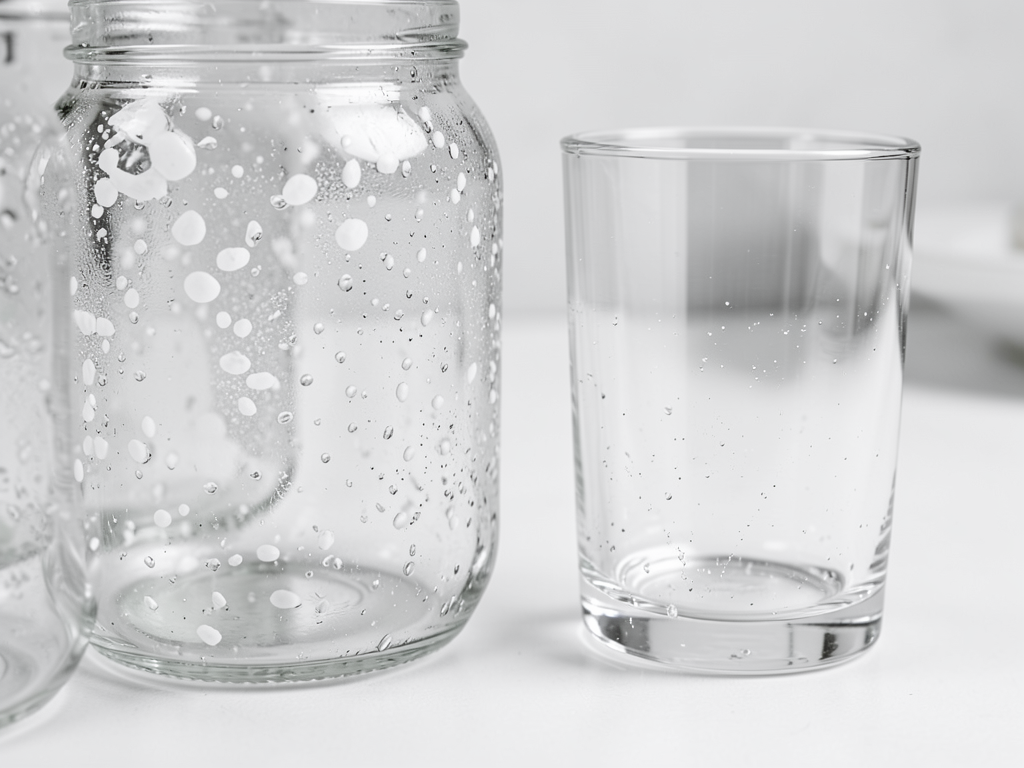
Cloudy glassware is the most common complaint. That white film isn’t soap scum—it’s mineral deposits permanently etching your glasses. Run a clean glass under the faucet. If the cloudiness disappears with water but returns when dry, you’re seeing hard water damage in action.
White crusty buildup around the door seal and detergent dispenser screams mineral problems. This scale traps moisture and creates perfect conditions for mold and mildew growth. The smell when you open the door should be clean and fresh, not musty or sour.
Dishes coming out with spots, streaks, or food residue indicate spray arm blockage. Each hole in a spray arm is engineered to precise specifications. Even a 10% reduction in hole diameter from mineral buildup cuts cleaning performance dramatically.
Unusual noises during the wash cycle often indicate scale on the pump impeller or motor bearings. You might hear grinding, humming, or clicking sounds that weren’t there when the dishwasher was new. These are warning signs that mechanical failure is imminent.
Longer cycle times without any setting changes suggest the heating element is struggling through scale buildup. Your dishwasher’s control board senses water temperature and extends cycles to compensate, but this just accelerates the damage cycle.
The real cost of ignoring hard water damage
Hard water damage isn’t just an inconvenience—it’s a financial drain that compounds over time. A quality dishwasher should last 10-12 years. In hard water areas, that lifespan drops to 6-8 years, meaning you’re replacing your appliance 30-40% sooner than necessary. Professional Drain Cleaning Services in Bartlett to Stop Recurring Clogs for Good.
Energy costs climb as your dishwasher works harder. Scale on heating elements can reduce efficiency by 20-30%, adding $25-40 to your annual utility bills. Over the shortened lifespan of your appliance, that’s $150-300 in wasted energy.
Repair costs escalate quickly once scale damage begins. A heating element replacement runs $150-200. Spray arm cleaning or replacement costs $75-150. Pump repairs start at $200 and can exceed $400. Multiple repairs in a single year often exceed the cost of a water softener system.
The environmental impact matters too. Premature appliance replacement means more manufacturing, more transportation, and more landfill waste. A single dishwasher contains metals, plastics, and electronic components that require significant resources to produce and recycle.. Read more about Why changing this one small metal rod can double the life of your Collierville water heater.
Your time has value as well. Scheduling repairs, waiting for service calls, and dealing with the frustration of poorly cleaned dishes adds up. Most homeowners spend 4-6 hours annually managing dishwasher problems that hard water causes.
Why Southaven’s water is particularly problematic
Southaven’s water comes from the Memphis Sand Aquifer, a massive underground reservoir that supplies much of DeSoto County. While this aquifer provides excellent, naturally filtered water, it also contains significant dissolved minerals from the sandstone and limestone formations it travels through.
The aquifer’s journey through mineral-rich geological layers means Southaven’s water typically measures 12-15 GPG, compared to the national average of 7-10 GPG. This puts your home squarely in the “very hard” water category, where scale formation happens rapidly and damage accumulates quickly.
Southaven’s water treatment process focuses on safety and basic filtration, not mineral removal. The city adds chlorine for disinfection and adjusts pH for pipe protection, but the dissolved calcium and magnesium remain untouched. This is standard practice—removing hardness would require expensive ion exchange systems at the municipal level.
Seasonal variations affect hardness levels. Spring rains can temporarily dilute mineral concentrations, while summer drought conditions concentrate them. Your dishwasher might work better in April than in August, but the underlying problem persists year-round.
Local plumbing infrastructure also plays a role. Older homes in Southaven may have galvanized steel pipes that are corroding from the inside. These corroded pipes can release additional minerals into your water supply, compounding the hardness problem before it even reaches your dishwasher. Plumbing Somerville.
Prevention strategies that actually work
Stopping hard water damage requires addressing the source, not just treating the symptoms. Here are proven strategies that protect your dishwasher and extend its life.
Water softening is the gold standard solution. These systems use ion exchange to replace calcium and magnesium ions with sodium or potassium ions before water enters your home. A properly sized softener can reduce water hardness to near-zero levels, eliminating scale formation entirely.
Installation requires professional plumbing work to connect the softener to your main water line. The system needs a brine tank for salt or potassium pellets and regular maintenance to clean the resin bed. Initial costs range from $1,200-2,500 installed, but most homeowners recoup this through appliance longevity and energy savings within 3-5 years.
Citric acid-based dishwasher cleaners provide temporary relief. These products dissolve light scale buildup and prevent new deposits from forming. Use them monthly in an empty dishwasher on the hottest cycle. While helpful, they’re not a substitute for water softening—they treat symptoms, not the underlying cause.
Specialized detergents formulated for hard water contain water softeners and rinse aids that help prevent spotting and filming. Look for products specifically labeled for hard water use. These detergents cost more but improve cleaning performance and reduce the visual impact of mineral deposits.
Adjusting your dishwasher’s settings can minimize damage. Use the hottest water setting available, as higher temperatures help dissolve mineral deposits. Skip the heated dry cycle, which accelerates scale formation on heating elements. Consider using a rinse aid, which helps water sheet off dishes rather than forming droplets that leave mineral spots.
Regular maintenance catches problems early. Remove and clean spray arms every six months, checking for clogged holes. Inspect the door seal for scale buildup and clean it with vinegar solution. Listen for unusual noises that might indicate pump or motor problems.
When to call a professional plumber
Some hard water problems require professional diagnosis and repair. Here’s when to pick up the phone rather than attempting DIY fixes.
Complete loss of cleaning performance often indicates severe spray arm blockage or pump failure. If dishes come out with visible food residue after a full cycle, the water isn’t circulating properly. This requires disassembly and professional cleaning or part replacement.
Water not draining from the dishwasher suggests a clogged drain pump or blocked drain line. Hard water scale can create a concrete-like buildup that household cleaners can’t dissolve. A plumber has the tools and chemicals to clear these blockages safely.
Unusual noises during operation—grinding, humming, or clicking—indicate mechanical problems that worsen with continued use. The longer you wait, the more extensive (and expensive) the damage becomes. A failing motor can destroy other components if it seizes completely.
Visible scale on heating elements or other internal components requires professional assessment. What looks like a simple cleaning job might reveal more extensive damage to wiring, insulation, or control boards. A qualified technician can determine whether repair or replacement makes more financial sense.
If you’re considering a water softener system, professional installation ensures proper sizing, correct plumbing connections, and compliance with local building codes. Improper installation can cause leaks, water damage, or system failure.
Professional water testing and analysis
Before investing in any solution, you need to know exactly what you’re dealing with. Professional water testing provides accurate data about your specific water chemistry, allowing for targeted solutions rather than guesswork.
A comprehensive water test measures total hardness in grains per gallon, pH levels, iron content, chlorine levels, and other parameters that affect appliance performance. This data helps determine the appropriate size and type of water softener, if needed.
Testing also reveals other issues that might be compounding your hard water problems. High iron content can cause staining and create conditions where bacteria thrive. Low pH can corrode pipes and release additional minerals into your water supply.
Professional plumbers use calibrated testing equipment that provides more accurate results than home test kits. They can also assess your home’s plumbing system, checking for corrosion, leaks, or other issues that hard water might be causing beyond your dishwasher.
The test results guide your investment decisions. If your hardness is borderline, you might opt for targeted solutions like specialized detergents and regular cleaning rather than a full water softening system. If hardness is severe, the data helps justify the upfront cost of prevention.
Cost comparison: prevention vs. replacement
Understanding the financial implications helps you make informed decisions about protecting your dishwasher and other appliances.
| Solution | Initial Cost | Annual Maintenance | Expected Lifespan Impact | 5-Year Cost |
|---|---|---|---|---|
| Water Softener System | $1,500-2,500 | $100-200 (salt) | +40-50% appliance life | $2,000-2,800 |
| Specialized Detergents Only | $50 | $150-200/year | Minimal improvement | $800-1,050 |
| Monthly Cleaning Products | $30 | $60-80/year | Temporary relief only | $190-270 |
| No Treatment (Replacement) | $0 | $0 | -30-40% appliance life | $1,500-2,000 (1 replacement) |
These numbers assume a $600 dishwasher and typical energy cost increases from scale buildup. The water softener option shows the best long-term value, especially when you factor in the protection it provides to your water heater, washing machine, and other appliances.
Even if you don’t install a whole-house system, combining specialized detergents with regular professional cleaning extends your dishwasher’s life significantly compared to doing nothing.
Protecting your entire home from hard water damage
Your dishwasher is just one victim of hard water. Other appliances face similar threats, and the cumulative damage can cost thousands in premature replacements and repairs.
Water heaters are particularly vulnerable. Scale buildup on heating elements reduces efficiency by up to 30% and can cause complete failure. Tankless water heaters, despite their modern design, are extremely sensitive to hardness—warranty may be voided if installed without proper pretreatment. Switching to a Tankless Water Heater in East Memphis (Is It Worth the Investment?).
Washing machines suffer from scale-clogged inlet valves, reduced water flow, and mineral buildup on clothing. Your clothes feel stiff, colors fade faster, and the machine works harder to achieve the same cleaning results.
Ice makers and refrigerator water dispensers develop scale that clogs tiny orifices and reduces water flow. You might notice smaller ice cubes, hollow cubes, or complete failure of the ice-making function.
Shower heads and faucets develop scale that reduces water pressure and creates unsightly buildup. Cleaning these fixtures becomes a constant battle, and replacement is often easier than restoration.
Even your plumbing pipes face long-term damage. Scale narrows pipe diameters, reducing water pressure throughout your home. In extreme cases, scale can completely block pipes, requiring costly replacement of entire plumbing runs.
Frequently Asked Questions
How do I know if my water is hard without testing?
Common signs include white spots on dishes, soap that doesn’t lather well, scale buildup around faucets, and dry skin after showering. If you notice several of these symptoms, your water is likely hard.. Read more about Why your soap won’t lather and your skin stays dry in Olive Branch.
Can I use vinegar to clean my dishwasher?
Yes, white vinegar can help dissolve light scale buildup. Place a cup of vinegar in a dishwasher-safe container on the top rack and run a hot cycle monthly. However, vinegar won’t remove heavy scale or prevent new buildup.
Will a water softener make my water taste salty?
No, properly functioning water softeners don’t add noticeable salt to your water. The ion exchange process replaces calcium and magnesium with sodium ions, but the amount is minimal—less than what’s in a slice of bread.
How often should I replace my dishwasher if I have hard water?
With proper maintenance and treatment, a dishwasher should last 10-12 years regardless of water hardness. Without any treatment, you might need replacement in 6-8 years due to scale damage.
Is hard water bad for my health?
Hard water isn’t considered a health risk and may even provide beneficial minerals. The main concerns are aesthetic issues and damage to plumbing and appliances, not health effects.
What’s the difference between a water softener and a water conditioner?
Water softeners use ion exchange to remove hardness minerals completely. Water conditioners alter the structure of minerals to prevent scale but don’t remove them. Softeners are more effective but require salt and maintenance.
Take action before your dishwasher fails
Hard water damage is progressive—it gets worse over time, never better. The longer you wait to address the problem, the more expensive the solution becomes. A simple spray arm cleaning now prevents a $400 pump replacement later.
Start with a professional water test to understand your specific situation. Then choose prevention strategies that fit your budget and protect your investment. Whether it’s a whole-house water softener or targeted maintenance for your dishwasher, taking action now saves money and frustration later.
Don’t let hard water silently destroy your appliances and waste your money. Call (901) 640-3313 today to schedule your water quality test and get expert recommendations for protecting your home. Our licensed plumbers have been helping Southaven homeowners solve hard water problems for years, and we can help you too.
Your dishwasher should be making your life easier, not creating more work and expense. Take control of your water quality and enjoy the clean, spot-free dishes you deserve.
Pick up the phone and call (901) 640-3313 before the next storm hits. Hard water waits for no one, but we’re here to help you fight back. For more information, visit CDC water quality guidelines.
{
“@context”: “https://schema.org”,
“@type”: “BlogPosting”,
“headline”: “How the hard water in Southaven is quietly killing your high-end dishwasher”,
“description”: “Discover how Southaven’s hard water is damaging your dishwasher and what you can do about it. Learn the warning signs, prevention tips, and when to call a local plumber.”,
“wordCount”: 2628,
“datePublished”: “2026-05-26T11:41:00.000Z”,
“dateModified”: “2026-05-26T11:41:00.000Z”,
“inLanguage”: “en-US”,
“mainEntityOfPage”: {
“@type”: “WebPage”,
“@id”: “https://aceplumbingmemphis.com”
},
“publisher”: {
“@type”: “LocalBusiness”,
“name”: “Ace Plumbing Memphis”,
“url”: “https://aceplumbingmemphis.com”
},
“author”: {
“@type”: “Organization”,
“name”: “Ace Plumbing Memphis”,
“url”: “https://aceplumbingmemphis.com”
},
“image”: {
“@type”: “ImageObject”,
“url”: “https://aceplumbingmemphis.com/wp-content/uploads/2026/03/how-the-hard-water-in-southaven-is-quietly-killing-1.png”
}
}
{
“@context”: “https://schema.org”,
“@type”: “Plumber”,
“name”: “Ace Plumbing Memphis”,
“url”: “https://aceplumbingmemphis.com”,
“address”: {
“@type”: “PostalAddress”,
“addressLocality”: “Memphis”
},
“areaServed”: {
“@type”: “City”,
“name”: “Memphis”
}
}
{
“@context”: “https://schema.org”,
“@type”: “FAQPage”,
“mainEntity”: [
{
“@type”: “Question”,
“name”: “How do I know if my water is hard without testing?”,
“acceptedAnswer”: {
“@type”: “Answer”,
“text”: “Common signs include white spots on dishes, soap that doesn’t lather well, scale buildup around faucets, and dry skin after showering. If you notice several of these symptoms, your water is likely hard.”
}
},
{
“@type”: “Question”,
“name”: “Can I use vinegar to clean my dishwasher?”,
“acceptedAnswer”: {
“@type”: “Answer”,
“text”: “Yes, white vinegar can help dissolve light scale buildup. Place a cup of vinegar in a dishwasher-safe container on the top rack and run a hot cycle monthly. However, vinegar won’t remove heavy scale or prevent new buildup.”
}
},
{
“@type”: “Question”,
“name”: “Will a water softener make my water taste salty?”,
“acceptedAnswer”: {
“@type”: “Answer”,
“text”: “No, properly functioning water softeners don’t add noticeable salt to your water. The ion exchange process replaces calcium and magnesium with sodium ions, but the amount is minimal—less than what’s in a slice of bread.”
}
},
{
“@type”: “Question”,
“name”: “How often should I replace my dishwasher if I have hard water?”,
“acceptedAnswer”: {
“@type”: “Answer”,
“text”: “With proper maintenance and treatment, a dishwasher should last 10-12 years regardless of water hardness. Without any treatment, you might need replacement in 6-8 years due to scale damage.”
}
},
{
“@type”: “Question”,
“name”: “Is hard water bad for my health?”,
“acceptedAnswer”: {
“@type”: “Answer”,
“text”: “Hard water isn’t considered a health risk and may even provide beneficial minerals. The main concerns are aesthetic issues and damage to plumbing and appliances, not health effects.”
}
},
{
“@type”: “Question”,
“name”: “What’s the difference between a water softener and a water conditioner?”,
“acceptedAnswer”: {
“@type”: “Answer”,
“text”: “Water softeners use ion exchange to remove hardness minerals completely. Water conditioners alter the structure of minerals to prevent scale but don’t remove them. Softeners are more effective but require salt and maintenance.”
}
}
]
}
{
“@context”: “https://schema.org”,
“@type”: “BreadcrumbList”,
“itemListElement”: [
{
“@type”: “ListItem”,
“position”: 1,
“name”: “Home”,
“item”: “https://aceplumbingmemphis.com”
},
{
“@type”: “ListItem”,
“position”: 2,
“name”: “Blog”,
“item”: “https://aceplumbingmemphis.com/blog”
},
{
“@type”: “ListItem”,
“position”: 3,
“name”: “How the hard water in Southaven is quietly killing your high-end dishwasher”
}
]
}
{
“@context”: “https://schema.org”,
“@type”: “Service”,
“serviceType”: “Plumbing”,
“provider”: {
“@type”: “LocalBusiness”,
“name”: “Ace Plumbing Memphis”,
“url”: “https://aceplumbingmemphis.com”
},
“areaServed”: {
“@type”: “City”,
“name”: “Memphis”
},
“description”: “Discover how Southaven’s hard water is damaging your dishwasher and what you can do about it. Learn the warning signs, prevention tips, and when to call a local plumber.”
}