How a five dollar part is adding twenty dollars to your monthly Memphis water bill
That constant trickling sound from your bathroom isn’t just annoying—it’s costing you real money every month. A worn toilet flapper can waste up to 200 gallons of water per day through a silent leak that most homeowners never notice. At Memphis Light, Gas and Water rates, that single five dollar rubber part could be adding twenty dollars or more to your monthly utility bill without you ever flushing the toilet. How to Tell if You Have a Slab Leak Under Your Memphis Home Foundation.
The flapper is the rubber seal that sits at the bottom of your toilet tank. When you press the handle, it lifts to let water flow into the bowl. When it fails, water slowly leaks from the tank into the bowl 24 hours a day. The sound of your toilet running between flushes or the need to jiggle the handle are classic signs of a bad flapper. These symptoms waste water continuously and create unnecessary wear on your plumbing system. Plumbing Somerville.
Memphis homeowners face unique challenges with toilet flappers due to our local water conditions. The Memphis Sands Aquifer provides hard water with mineral content that accelerates rubber degradation. Chlorine levels in treated water break down the rubber material faster than in other regions. Most flappers last only three to five years in Memphis homes, compared to six to seven years in areas with softer water.
Before you call a plumber, you can confirm the leak yourself using the food coloring test. This simple diagnostic takes just fifteen minutes and costs nothing. The test works by adding dye to the tank water and watching if it seeps into the bowl without flushing. If you see colored water in the bowl after fifteen minutes, your flapper is leaking and needs replacement.. Read more about Why your new Cordova home needs a pressure reducing valve to protect your pipes.
Replacing a flapper yourself is straightforward for most Memphis homeowners. You can buy a universal replacement at local hardware stores like Lowe’s on Perkins or Home Depot on Truse Parkway for about ten dollars. The process takes less than ten minutes and requires only a screwdriver. However, if your toilet has a cracked flush valve seat or mineral buildup on the valve surface, you’ll need professional help to avoid bigger problems. Professional Drain Cleaning Services in Bartlett to Stop Recurring Clogs for Good.
Call (901) 640-3313 today to schedule your inspection if you’re unsure about DIY repairs or if your toilet shows multiple leak symptoms. Our Memphis plumbers can diagnose the exact cause and recommend the most cost-effective solution for your specific situation. EPA WaterSense program.
The Dye Test: How to Confirm the Leak in 15 Minutes
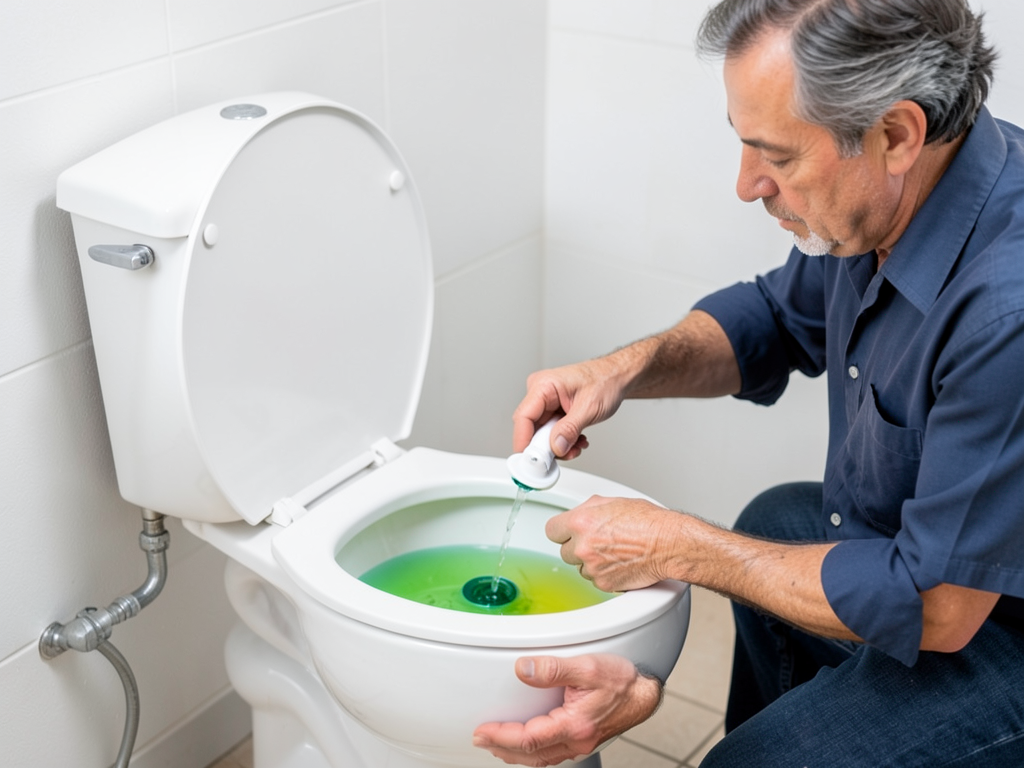
Before spending money on parts or service calls, you need to confirm that a leaky flapper is actually causing your high water bill. The food coloring test provides clear evidence of a silent leak in your toilet tank. This diagnostic method works because it uses a visible tracer that moves only through actual water pathways.
Start by removing the toilet tank lid and setting it aside carefully. Add ten to fifteen drops of dark food coloring to the tank water. Red or blue food coloring works best because you can see it clearly in the bowl. Do not flush the toilet during the test period.
Wait fifteen to twenty minutes without using the toilet. During this time, observe the bowl water through the front opening. If the flapper is leaking, you will see colored water gradually appearing in the bowl. The color may start as a faint tint and become more pronounced over time.
If no color appears in the bowl after twenty minutes, your flapper is likely not the problem. However, you should still check for other leak sources like a faulty fill valve or a cracked overflow tube. Memphis homes with older plumbing may have multiple issues contributing to water waste.
Document your test results with photos if you plan to contact a plumber. Showing the colored water in your bowl provides clear evidence of the leak and helps the technician prepare the right tools and parts for your repair visit.
Why Flappers Fail in Memphis Homes
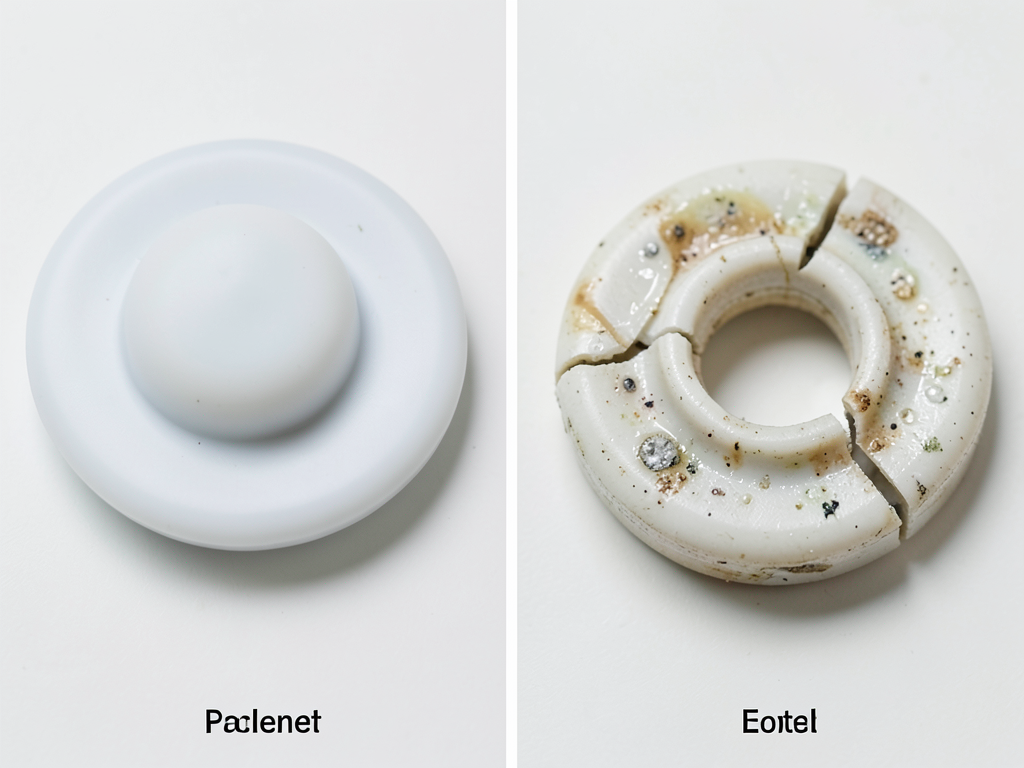
Memphis water contains specific characteristics that accelerate toilet flapper deterioration compared to other regions. The Memphis Sands Aquifer provides artesian water that picks up minerals as it travels through underground sand layers. These minerals, primarily calcium and magnesium, create hard water that affects rubber components differently than soft water.
Chlorine levels in Memphis municipal water typically range from 0.5 to 1.5 parts per million for disinfection purposes. While this keeps our water safe to drink, chlorine acts as a rubber oxidizer that breaks down the polymer chains in flapper materials. This chemical reaction causes the rubber to become brittle, cracked, and warped over time.
Temperature fluctuations in Memphis homes also contribute to flapper failure. Summer humidity causes condensation on toilet tanks, while winter temperatures can drop near freezing in unheated bathrooms. These temperature cycles cause rubber to expand and contract, creating microscopic cracks that grow larger with each cycle.
Water pressure variations in Memphis neighborhoods affect flapper longevity. Areas near pumping stations or at the bottom of hills experience higher pressure that stresses the rubber seal more than areas with consistent pressure. High pressure forces the flapper against the valve seat harder, accelerating wear patterns.
Most Memphis homeowners replace toilet flappers every three to five years as preventive maintenance. Waiting until you hear the toilet running wastes water and money. Setting a calendar reminder to inspect your toilet components annually can prevent surprise leaks and high utility bills.
DIY vs. Professional Repair: When to Call a Plumber
Replacing a toilet flapper yourself saves money if you have basic tools and follow instructions carefully. The process requires removing the old flapper, installing the new one, and adjusting the chain length for proper operation. Most Memphis hardware stores stock universal flappers that fit standard toilets.
However, some situations require professional plumbing expertise. If your toilet has a cracked flush valve seat, a warped tank, or mineral buildup that prevents a good seal, a simple flapper replacement won’t solve the problem. These issues require specialized tools and experience to repair correctly.
Older Memphis homes, particularly those built before 1980, may have toilets with non-standard parts or unusual configurations. Professional plumbers carry a wider selection of parts and can identify compatibility issues that DIYers might miss. They also understand local building codes and can ensure repairs meet Memphis Light, Gas and Water standards.
Water quality problems in Memphis can complicate DIY repairs. High mineral content creates scale buildup that prevents new flappers from sealing properly. A plumber can clean the valve seat thoroughly and apply special sealants that extend the life of your replacement parts.
Time is another factor to consider. While a DIY flapper replacement takes ten to fifteen minutes for an experienced person, a homeowner might spend an hour figuring out the process. If your time is valuable or you need the repair done quickly, professional service makes more sense.
Call (901) 640-3313 if you notice multiple toilet problems, have an older home, or want guaranteed results. Our Memphis plumbers can complete most flapper replacements in under thirty minutes and provide warranties on both parts and labor.
Cost Analysis: What That Leak Really Costs You
Understanding the true cost of a leaky toilet helps you make informed decisions about repairs. At Memphis Light, Gas and Water rates of approximately $4.50 per 1,000 gallons for water and sewer combined, a leaking toilet can cost significantly more than the price of replacement parts. Midtown Sewer Line Repair Without Digging Up Your Entire Yard.
A toilet leaking 200 gallons per day wastes about 6,000 gallons per month. At current MLGW rates, that equals approximately $27 in wasted water and sewer charges monthly. Over a year, the leak costs you $324 in utility bills alone, not counting the environmental impact of wasted water. MLGW website.
The five dollar flapper represents less than two percent of the annual cost of ignoring the leak. Even if you hire a plumber for a $150 repair, you recover the cost in less than six months through utility savings. Most Memphis homeowners find that prompt repairs pay for themselves within one billing cycle.
Beyond direct costs, leaking toilets create secondary expenses. The constant water movement can cause mineral buildup in your plumbing system, potentially leading to clogged pipes or damaged fixtures. Hard water in Memphis accelerates this process, making timely repairs even more important.
Insurance companies may view chronic water waste as negligence if it leads to water damage claims. Some Memphis homeowners have reported higher premiums or denied claims due to unresolved plumbing issues. Preventive maintenance protects both your wallet and your coverage.
Consider the opportunity cost as well. The money spent on wasted water could fund other home improvements or be saved for emergencies. Many Memphis families find that fixing small leaks provides immediate budget relief and peace of mind.
Preventing Future Toilet Leaks in Your Memphis Home
Regular maintenance prevents most toilet leaks before they start. Schedule annual inspections of all bathroom fixtures to catch wear patterns early. Check the flapper by lifting it gently—if it feels brittle or shows cracks, replace it immediately rather than waiting for symptoms to appear.
Water quality affects all rubber plumbing components, not just toilet flappers. Consider installing a whole-house water softener if you experience frequent fixture failures. While this requires an initial investment, it can extend the life of all rubber seals, gaskets, and hoses in your home.
Memphis homeowners should monitor their water bills monthly for unexpected increases. A sudden jump in usage often indicates a hidden leak somewhere in your plumbing system. Compare your current bill to the same month last year to account for seasonal variations in water use.
Teach all household members to report unusual toilet sounds or performance issues. Children often notice problems adults overlook, and early reporting can prevent small issues from becoming expensive repairs. Create a simple reporting system that makes it easy for everyone to communicate concerns.
Consider upgrading to modern toilet components designed for hard water conditions. Silicone flappers resist chlorine degradation better than standard rubber and can last up to twice as long in Memphis water conditions. The additional cost is often offset by longer replacement intervals.
Keep spare parts on hand for quick repairs. A universal flapper kit, basic tools, and plumber’s tape cost less than one service call and allow you to address minor issues immediately. Many Memphis hardware stores offer same-day delivery if you need parts quickly.
Call (901) 640-3313 for preventive maintenance inspections that can identify potential problems before they cause damage. Our plumbers can recommend specific products and maintenance schedules based on your home’s age, water quality, and usage patterns.
Local Resources for Memphis Homeowners
Memphis offers several resources for homeowners dealing with plumbing issues. The Memphis Light, Gas and Water website provides information about water quality, rates, and conservation programs. They offer free water audits for customers with unusually high bills to help identify leak sources.
Local hardware stores employ staff who understand Memphis water conditions and can recommend appropriate replacement parts. Stores like Lowe’s on Perkins and Home Depot on Truse Parkway stock products specifically designed for hard water areas and can provide installation advice.
The Shelby County Health Department oversees water quality standards and can provide information about local water characteristics. Their reports detail mineral content, chlorine levels, and other factors that affect plumbing components in Memphis homes.
Memphis plumbing supply houses cater to both professionals and serious DIYers. These businesses often carry higher-quality parts than big-box stores and can special-order unusual components for older toilets. Many offer will-call service for quick pickup of needed items.
Community colleges and adult education programs in Memphis occasionally offer basic plumbing workshops. These classes teach fundamental repair skills and can help homeowners understand when DIY is appropriate versus when to call professionals.
Online Memphis homeowner groups and neighborhood associations share local experiences and recommendations. Members often discuss which plumbers provide reliable service and which products work best in our specific climate and water conditions.
Local real estate agents frequently maintain lists of trusted service providers for their clients. If you’re new to Memphis or recently purchased a home, your agent might recommend plumbers who understand the specific challenges of your neighborhood’s plumbing systems.
Frequently Asked Questions
How do I know if my toilet flapper is leaking?
Common signs include hearing your toilet run between flushes, needing to jiggle the handle to stop water flow, seeing ripples in the bowl water when the toilet hasn’t been flushed, or experiencing unexplained increases in your water bill. The food coloring test provides definitive confirmation of a leak.
How long does a toilet flapper last in Memphis?
Most toilet flappers in Memphis homes last three to five years due to our hard water and chlorine content. Some high-quality silicone flappers can last up to seven years. Regular inspection and replacement as preventive maintenance can prevent unexpected leaks and water waste.
Can I replace a toilet flapper myself?
Yes, most homeowners can replace a toilet flapper themselves with basic tools. The process involves turning off the water supply, removing the old flapper, installing the new one, and adjusting the chain length. However, if you have an older toilet or notice mineral buildup, professional help might be needed.
How much water does a leaking toilet waste?
A leaking toilet can waste anywhere from 30 to 200 gallons of water per day depending on the severity of the leak. At 200 gallons daily, that’s 6,000 gallons monthly, which can add $20 to $30 to your MLGW bill. Even small leaks waste significant amounts over time.
What causes toilet flappers to fail prematurely?
Chlorine in treated water breaks down rubber over time, while mineral deposits from hard water create scale buildup that prevents proper sealing. Temperature fluctuations cause rubber to expand and contract, creating cracks. High water pressure and chemical exposure from cleaning products can also accelerate deterioration.
Should I call a plumber or fix it myself?
DIY repair makes sense for simple flapper replacement in standard toilets. Call a plumber if you have an older home, notice multiple plumbing issues, see mineral buildup on valve seats, or want guaranteed results. Professional repair is also wise if you’re unsure about the diagnosis or lack basic tools.
How can I prevent my toilet from leaking in the future?
Schedule annual inspections of all bathroom fixtures, replace flappers every three to five years as preventive maintenance, monitor your water bill for unexpected increases, and consider installing water softeners if you experience frequent fixture failures. Teaching household members to report unusual sounds also helps catch problems early.
What’s the best flapper material for Memphis water?
Silicone flappers resist chlorine degradation better than standard rubber and can last up to twice as long in Memphis water conditions. They cost slightly more but often pay for themselves through longer replacement intervals. Look for flappers specifically labeled for hard water or chlorine resistance.
How do I perform the food coloring test?
Add ten to fifteen drops of dark food coloring to your toilet tank water, wait fifteen to twenty minutes without flushing, then check the bowl. If colored water appears in the bowl during this time, your flapper is leaking and needs replacement. Red or blue coloring works best for visibility.
Where can I buy toilet repair parts in Memphis?
Local hardware stores like Lowe’s on Perkins and Home Depot on Truse Parkway stock universal flappers and repair kits. Plumbing supply houses offer higher-quality parts and expert advice. Many stores provide same-day delivery if you need parts quickly for emergency repairs. Finding an Emergency Plumber in Germantown Who Actually Shows Up After Hours.
Will a leaking toilet affect my water pressure?
A leaking toilet doesn’t typically affect overall home water pressure, but it does waste water continuously. The leak occurs after the water passes through your meter, so you pay for all the wasted water even though it doesn’t affect pressure at your fixtures.
How much does professional toilet repair cost in Memphis?
Professional toilet repair in Memphis typically costs between $100 and $250 depending on the specific problem and your location. Simple flapper replacement might cost $100 to $150, while repairs involving valve seat replacement or mineral buildup removal can cost more. Call (901) 640-3313 for specific pricing for your situation.
Call (901) 640-3313 today to schedule your inspection before that five dollar part costs you another twenty dollars on your next MLGW bill. Our Memphis plumbers can diagnose and fix toilet leaks quickly, saving you money and preventing water waste.
{
“@context”: “https://schema.org”,
“@type”: “BlogPosting”,
“headline”: “How a five dollar part is adding twenty dollars to your monthly Memphis water bill”,
“description”: “Discover how a leaky toilet flapper wastes hundreds of gallons monthly and spikes your MLGW bill. Learn to diagnose and fix this common Memphis plumbing issue today.”,
“wordCount”: 2785,
“datePublished”: “2026-06-02T10:38:00.000Z”,
“dateModified”: “2026-06-02T10:38:00.000Z”,
“inLanguage”: “en-US”,
“mainEntityOfPage”: {
“@type”: “WebPage”,
“@id”: “https://aceplumbingmemphis.com”
},
“publisher”: {
“@type”: “LocalBusiness”,
“name”: “Ace Plumbing Memphis”,
“url”: “https://aceplumbingmemphis.com”
},
“author”: {
“@type”: “Organization”,
“name”: “Ace Plumbing Memphis”,
“url”: “https://aceplumbingmemphis.com”
},
“image”: {
“@type”: “ImageObject”,
“url”: “https://aceplumbingmemphis.com/wp-content/uploads/2026/03/how-a-five-dollar-part-is-adding-twenty-dollars-to-1.png”
}
}
{
“@context”: “https://schema.org”,
“@type”: “Plumber”,
“name”: “Ace Plumbing Memphis”,
“url”: “https://aceplumbingmemphis.com”,
“address”: {
“@type”: “PostalAddress”,
“addressLocality”: “Memphis”
},
“areaServed”: {
“@type”: “City”,
“name”: “Memphis”
}
}
{
“@context”: “https://schema.org”,
“@type”: “FAQPage”,
“mainEntity”: [
{
“@type”: “Question”,
“name”: “How do I know if my toilet flapper is leaking?”,
“acceptedAnswer”: {
“@type”: “Answer”,
“text”: “Common signs include hearing your toilet run between flushes, needing to jiggle the handle to stop water flow, seeing ripples in the bowl water when the toilet hasn’t been flushed, or experiencing unexplained increases in your water bill. The food coloring test provides definitive confirmation of a leak.”
}
},
{
“@type”: “Question”,
“name”: “How long does a toilet flapper last in Memphis?”,
“acceptedAnswer”: {
“@type”: “Answer”,
“text”: “Most toilet flappers in Memphis homes last three to five years due to our hard water and chlorine content. Some high-quality silicone flappers can last up to seven years. Regular inspection and replacement as preventive maintenance can prevent unexpected leaks and water waste.”
}
},
{
“@type”: “Question”,
“name”: “Can I replace a toilet flapper myself?”,
“acceptedAnswer”: {
“@type”: “Answer”,
“text”: “Yes, most homeowners can replace a toilet flapper themselves with basic tools. The process involves turning off the water supply, removing the old flapper, installing the new one, and adjusting the chain length. However, if you have an older toilet or notice mineral buildup, professional help might be needed.”
}
},
{
“@type”: “Question”,
“name”: “How much water does a leaking toilet waste?”,
“acceptedAnswer”: {
“@type”: “Answer”,
“text”: “A leaking toilet can waste anywhere from 30 to 200 gallons of water per day depending on the severity of the leak. At 200 gallons daily, that’s 6,000 gallons monthly, which can add $20 to $30 to your MLGW bill. Even small leaks waste significant amounts over time.”
}
},
{
“@type”: “Question”,
“name”: “What causes toilet flappers to fail prematurely?”,
“acceptedAnswer”: {
“@type”: “Answer”,
“text”: “Chlorine in treated water breaks down rubber over time, while mineral deposits from hard water create scale buildup that prevents proper sealing. Temperature fluctuations cause rubber to expand and contract, creating cracks. High water pressure and chemical exposure from cleaning products can also accelerate deterioration.”
}
},
{
“@type”: “Question”,
“name”: “Should I call a plumber or fix it myself?”,
“acceptedAnswer”: {
“@type”: “Answer”,
“text”: “DIY repair makes sense for simple flapper replacement in standard toilets. Call a plumber if you have an older home, notice multiple plumbing issues, see mineral buildup on valve seats, or want guaranteed results. Professional repair is also wise if you’re unsure about the diagnosis or lack basic tools.”
}
},
{
“@type”: “Question”,
“name”: “How can I prevent my toilet from leaking in the future?”,
“acceptedAnswer”: {
“@type”: “Answer”,
“text”: “Schedule annual inspections of all bathroom fixtures, replace flappers every three to five years as preventive maintenance, monitor your water bill for unexpected increases, and consider installing water softeners if you experience frequent fixture failures. Teaching household members to report unusual sounds also helps catch problems early.”
}
},
{
“@type”: “Question”,
“name”: “What’s the best flapper material for Memphis water?”,
“acceptedAnswer”: {
“@type”: “Answer”,
“text”: “Silicone flappers resist chlorine degradation better than standard rubber and can last up to twice as long in Memphis water conditions. They cost slightly more but often pay for themselves through longer replacement intervals. Look for flappers specifically labeled for hard water or chlorine resistance.”
}
},
{
“@type”: “Question”,
“name”: “How do I perform the food coloring test?”,
“acceptedAnswer”: {
“@type”: “Answer”,
“text”: “Add ten to fifteen drops of dark food coloring to your toilet tank water, wait fifteen to twenty minutes without flushing, then check the bowl. If colored water appears in the bowl during this time, your flapper is leaking and needs replacement. Red or blue coloring works best for visibility.”
}
},
{
“@type”: “Question”,
“name”: “Where can I buy toilet repair parts in Memphis?”,
“acceptedAnswer”: {
“@type”: “Answer”,
“text”: “Local hardware stores like Lowe’s on Perkins and Home Depot on Truse Parkway stock universal flappers and repair kits. Plumbing supply houses offer higher-quality parts and expert advice. Many stores provide same-day delivery if you need parts quickly for emergency repairs. Finding an Emergency Plumber in Germantown Who Actually Shows Up After Hours.”
}
},
{
“@type”: “Question”,
“name”: “Will a leaking toilet affect my water pressure?”,
“acceptedAnswer”: {
“@type”: “Answer”,
“text”: “A leaking toilet doesn’t typically affect overall home water pressure, but it does waste water continuously. The leak occurs after the water passes through your meter, so you pay for all the wasted water even though it doesn’t affect pressure at your fixtures.”
}
},
{
“@type”: “Question”,
“name”: “How much does professional toilet repair cost in Memphis?”,
“acceptedAnswer”: {
“@type”: “Answer”,
“text”: “Professional toilet repair in Memphis typically costs between $100 and $250 depending on the specific problem and your location. Simple flapper replacement might cost $100 to $150, while repairs involving valve seat replacement or mineral buildup removal can cost more. Call (901) 640-3313 for specific pricing for your situation.”
}
}
]
}
{
“@context”: “https://schema.org”,
“@type”: “BreadcrumbList”,
“itemListElement”: [
{
“@type”: “ListItem”,
“position”: 1,
“name”: “Home”,
“item”: “https://aceplumbingmemphis.com”
},
{
“@type”: “ListItem”,
“position”: 2,
“name”: “Blog”,
“item”: “https://aceplumbingmemphis.com/blog”
},
{
“@type”: “ListItem”,
“position”: 3,
“name”: “How a five dollar part is adding twenty dollars to your monthly Memphis water bill”
}
]
}
{
“@context”: “https://schema.org”,
“@type”: “Service”,
“serviceType”: “Plumbing”,
“provider”: {
“@type”: “LocalBusiness”,
“name”: “Ace Plumbing Memphis”,
“url”: “https://aceplumbingmemphis.com”
},
“areaServed”: {
“@type”: “City”,
“name”: “Memphis”
},
“description”: “Discover how a leaky toilet flapper wastes hundreds of gallons monthly and spikes your MLGW bill. Learn to diagnose and fix this common Memphis plumbing issue today.”
}