Fixing Weak Shower Pressure in a Historic Central Gardens Bathroom
Living in Central Gardens means enjoying historic charm but dealing with plumbing challenges that newer neighborhoods simply don’t face. If your shower pressure has dropped to a frustrating trickle, you’re experiencing one of the most common complaints from homeowners in this established Memphis neighborhood. The good news? Most pressure problems have identifiable causes and solutions that don’t require a complete bathroom remodel. How to Tell if You Have a Slab Leak Under Your Memphis Home Foundation.
Weak shower pressure in Central Gardens homes typically stems from aging galvanized pipes that have accumulated mineral scale over decades, pressure-reducing valve malfunctions, or municipal supply issues specific to the area’s infrastructure. Before calling a plumber, understanding these common causes can help you determine whether you’re facing a simple fix or a more complex system problem.
The first step is isolating whether the problem affects your entire home or just the shower. Turn on multiple faucets simultaneously and observe the pressure. If all fixtures show reduced flow, the issue likely originates from your main water line or the municipal supply. If only the shower suffers, the problem is localized to that fixture or its supply line.
Common Causes of Low Shower Pressure in Memphis Homes
Central Gardens residents face unique plumbing challenges due to the neighborhood’s age and the Memphis area’s water characteristics. Understanding these local factors helps diagnose the real problem. Plumbing Somerville.
Mineral Scale Buildup in Aging Pipes
Most Central Gardens homes built before 1960 contain galvanized steel pipes. These pipes develop internal corrosion over time, creating scale buildup that restricts water flow. The Memphis Sands Aquifer provides hard water rich in calcium and magnesium, which accelerates mineral deposition inside pipes. A 50-year-old galvanized pipe might have lost 50% of its internal diameter to scale buildup.
Galvanized pipes typically last 40-50 years in Memphis soil conditions before severe corrosion occurs. Since Central Gardens homes average 70-100 years old, many properties have original plumbing reaching the end of its service life. The scale doesn’t just reduce flow—it creates perfect conditions for bacterial growth and can lead to discolored water.
Pressure Reducing Valve (PRV) Failure
Memphis Light, Gas and Water maintains water pressure between 40-80 PSI for most residential areas. However, Central Gardens homes often have pressure-reducing valves installed to protect older plumbing systems. These brass valves contain internal diaphragms that can fail after 10-15 years, causing pressure drops or complete flow restriction.. Read more about Why your skin feels itchy after showering in Walls (and how a water softener helps).
A failing PRV typically shows symptoms like fluctuating pressure, sudden drops when multiple fixtures run, or complete loss of flow. The valve is usually located where the main water line enters your home, often in a basement or crawl space. Memphis building codes require PRVs for homes with incoming pressure above 80 PSI, which affects many Central Gardens properties.
Showerhead Flow Restrictors and Mineral Clogs
Modern showerheads include flow restrictors to meet federal water conservation standards, limiting flow to 2.5 gallons per minute. In Memphis’s hard water conditions, these small openings clog quickly with mineral deposits. The restrictors themselves can fail or become stuck in the closed position.
Central Gardens’ older homes often have showerheads that haven’t been cleaned in years. The combination of restricted flow design and mineral buildup can reduce actual flow to under 1 gallon per minute—barely enough for a comfortable shower. Hard water deposits also affect shower valves and mixing cartridges, causing pressure imbalances between hot and cold supplies.
Water Heater Sediment Issues
Memphis’s artesian water carries significant sediment that settles in water heaters over time. A typical 40-gallon tank can accumulate 2-4 inches of sediment at the bottom after 5-7 years. This sediment can break loose and travel through your plumbing, clogging aerators and showerheads.
Water heaters in Central Gardens homes often go longer between maintenance due to the area’s older housing stock. The sediment not only reduces efficiency but can cause pressure drops when it dislodges and moves through supply lines. Homes with well water or those near construction sites may experience worse sediment problems.
Quick DIY Troubleshooting Steps
Before calling a plumber, several simple checks can identify or even resolve your shower pressure problem. These steps take under 30 minutes and require basic tools.
Clean Your Showerhead
Remove the showerhead by turning it counterclockwise. If it’s stuck, use an adjustable wrench with a cloth to protect the finish. Soak the showerhead in white vinegar for 2-4 hours to dissolve mineral deposits. For stubborn buildup, use a toothbrush to scrub the spray holes.
After cleaning, check the flow restrictor inside the showerhead. Some models allow removal of this plastic disk to improve flow. Reinstall the showerhead and test pressure. This simple fix resolves 30-40% of low-pressure complaints in Memphis homes.
Check the Main Shut-off Valve
Locate your home’s main water shut-off valve, typically where the water line enters the house. Ensure the valve is fully open by turning it counterclockwise until it stops. Partially closed valves reduce pressure throughout the home. In Central Gardens’ older homes, these valves can become stiff or corroded over decades.
If the valve won’t turn easily, don’t force it—this could cause a leak. Instead, note its position and test other fixtures. A valve that’s been bumped closed during maintenance or renovation is a common culprit in pressure problems.
Test Other Fixtures
Turn on bathroom sink faucets, kitchen sink, and outdoor spigots. If pressure is low everywhere, the problem is likely in your main supply line or the municipal system. If only the shower is affected, focus on that fixture and its supply lines.
Pay attention to whether hot water pressure differs from cold. If hot water pressure is significantly lower, your water heater may have sediment buildup or a failing dip tube. This temperature-specific issue helps narrow down the cause.
Inspect for Visible Leaks
Check under sinks, around toilets, and in basements or crawl spaces for signs of water damage or active leaks. Even small leaks can reduce pressure throughout your home. Look for water stains on ceilings below bathrooms, which indicate hidden plumbing problems.
In Central Gardens’ older homes, slab leaks can develop in copper or galvanized pipes running through concrete foundations. These leaks often go unnoticed until they cause significant damage or pressure drops. If you suspect a slab leak, professional detection equipment is necessary. Professional Drain Cleaning Services in Bartlett to Stop Recurring Clogs for Good.
When to Call a Professional Memphis Plumber
While DIY troubleshooting helps with simple issues, certain symptoms indicate problems requiring professional tools and expertise. Knowing when to call can prevent water damage and save money long-term.
Hidden Leaks and Pipe Corrosion
If your water meter continues running when all fixtures are off, you have a hidden leak somewhere in your system. Professional plumbers use acoustic leak detection equipment and thermal imaging to locate leaks without destructive testing. In Central Gardens homes, leaks often occur in walls, under floors, or in the main supply line.
Galvanized pipes showing signs of corrosion—brown water, metallic taste, or visible rust spots—require replacement rather than repair. A professional can assess your entire plumbing system’s condition and recommend whether partial or complete repiping makes economic sense. EPA WaterSense program.
Pressure Reducing Valve Replacement
PRV replacement requires shutting off your home’s water supply and working with pressurized lines. The process involves cutting pipes, installing new valves with proper fittings, and ensuring correct pressure settings. Memphis plumbing codes require permits for this work and specify pressure limitations for different pipe materials.
Professional plumbers test incoming pressure from MLGW lines and adjust PRVs to maintain optimal pressure—typically 50-60 PSI for older homes. Incorrect pressure can damage fixtures or fail to provide adequate flow for modern appliances. MLGW website.
Main Line Repairs
Problems with the main water line between your home and the street require excavation and specialized tools. Signs include multiple fixture pressure drops, water pooling in your yard, or complete loss of water. These issues often involve MLGW coordination since the line may extend beyond your property line.
Central Gardens homes built before 1970 may have lead service lines, which pose health risks and violate current plumbing codes. Professional replacement with copper or PEX piping improves both pressure and water quality.
Our Local Process: How We Fix Water Pressure Issues
When you call for water pressure problems in Central Gardens, our process addresses both immediate symptoms and underlying causes specific to your home’s age and construction.
Comprehensive Diagnostic Testing
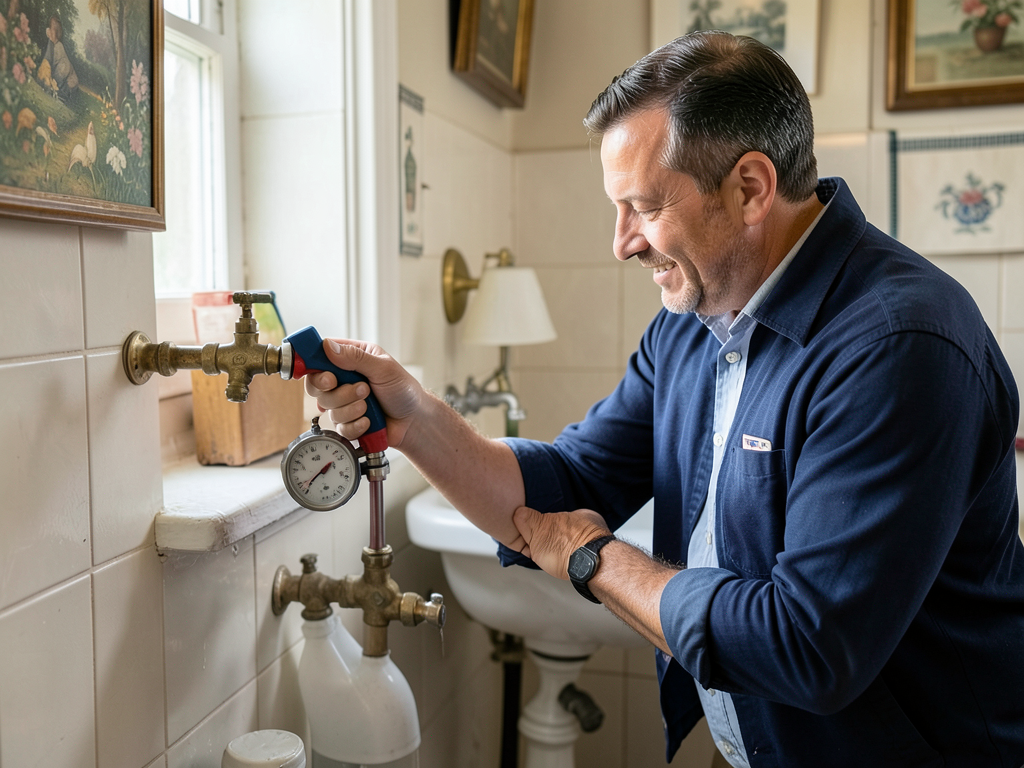
We start with pressure testing at multiple points in your plumbing system to identify where pressure drops occur. Our technicians use digital pressure gauges to measure static and dynamic pressure, checking for fluctuations when fixtures operate. This diagnostic process typically takes 30-45 minutes.
We also test water quality, checking for sediment, pH levels, and mineral content. Memphis water’s specific characteristics affect plumbing longevity and performance. Our testing reveals whether your pressure issues stem from municipal supply, internal plumbing, or fixture problems.
Camera Inspection of Supply Lines
For homes with persistent pressure problems, we use video inspection equipment to examine supply lines without demolition. The camera identifies scale buildup, corrosion, joint failures, and pipe deterioration. This technology is especially valuable in Central Gardens where walls and floors may contain original plaster or hardwood that’s expensive to repair.
The inspection reveals the true condition of your plumbing system, helping you make informed decisions about repairs versus replacement. Many homeowners are surprised to learn their pipes have only 20-30% of original flow capacity remaining.
Targeted Repair vs. System Replacement
Based on diagnostics, we recommend solutions ranging from simple fixture repairs to complete system repiping. For Central Gardens homes, we often suggest phased approaches that address the most critical issues first while planning for future upgrades.
Our recommendations consider your home’s historical value, your budget, and long-term reliability. We explain the expected lifespan of different solutions and provide clear pricing with no hidden costs. All work complies with Shelby County plumbing codes and preserves your home’s structural integrity.
Memphis Neighborhoods We Serve
We specialize in the unique plumbing challenges of Memphis’s historic and established neighborhoods. Our technicians understand the specific issues affecting homes in different areas of the city.
In Central Gardens, we frequently address galvanized pipe deterioration, PRV failures, and pressure issues related to the neighborhood’s aging infrastructure. The area’s mature trees can also cause root intrusion in sewer lines, which sometimes affects water pressure through partial blockages. Midtown Sewer Line Repair Without Digging Up Your Entire Yard.
Similar issues affect homes in Evergreen, Hein Park, and the Vollintine-Evergreen area, where construction dates and water quality create comparable plumbing challenges. We also serve newer developments where modern materials face different but equally frustrating pressure problems.
Whether you live in a century-old Central Gardens bungalow or a 1970s ranch in East Memphis, we bring the diagnostic expertise and local knowledge to restore your water pressure efficiently.
Frequently Asked Questions
Why is my shower pressure suddenly low when it was fine yesterday?
Sudden pressure drops often indicate a failing pressure-reducing valve, a partially closed main shut-off valve, or a municipal supply issue. Check if your neighbors have similar problems, which would suggest an MLGW main break or pressure adjustment. If the problem is isolated to your home, inspect the main valve and test other fixtures to isolate the issue.
Can hard water really cause that much pressure loss?
Yes. Memphis’s hard water, containing high levels of calcium and magnesium, creates mineral scale that builds up inside pipes over time. This scale reduces pipe diameter and increases friction, significantly reducing flow. A pipe that’s 50% blocked by scale can lose 70% of its flow capacity due to the relationship between pipe diameter and pressure loss.
How long does it take to replace old galvanized pipes?
Complete repiping typically takes 2-4 days for an average home, depending on size and accessibility. We work room by room to minimize disruption, often completing bathrooms and kitchens first. For Central Gardens homes, we use techniques that preserve historic features like plaster walls and hardwood floors while updating the plumbing infrastructure.
Will improving my water pressure increase my water bill?
Higher pressure can increase water usage slightly, but the difference is usually minimal compared to the improved quality of life. Modern low-flow fixtures maintain efficiency even with better pressure. The real savings come from preventing leaks and pipe failures that waste water and cause expensive damage.
Should I be concerned about lead pipes in my Central Gardens home?
Homes built before 1950 may have lead service lines or lead-based solder in copper pipes. Lead exposure poses health risks, especially for children. Professional testing can determine if lead is present in your water. Replacement with modern materials is recommended for both health and pressure improvement reasons.
What’s the average water pressure I should expect in Memphis?
MLGW maintains pressure between 40-80 PSI in most areas, with 50-60 PSI being ideal for residential use. Central Gardens homes often benefit from slightly lower pressure (45-55 PSI) to protect aging pipes. Pressure that’s too high can cause leaks and fixture damage, while pressure below 40 PSI results in poor performance.
Understanding Memphis Water Quality and Its Impact on Plumbing
Memphis’s artesian water system provides some of the cleanest municipal water in the country, but its mineral content creates unique plumbing challenges. Understanding these local factors helps explain why pressure problems develop in specific neighborhoods.
The Memphis Sands Aquifer naturally filters water through layers of clay and sand, removing many contaminants but leaving dissolved minerals. This water is slightly alkaline with a pH around 7.8, which affects how minerals interact with different pipe materials. The water’s hardness typically ranges from 120-180 mg/L as calcium carbonate.
These mineral levels are higher than national averages but still within safe drinking water standards. However, they accelerate scale formation in pipes, especially in the warm, humid conditions common to Memphis homes. The combination of hard water and temperature fluctuations causes minerals to precipitate more quickly than in cooler climates.
MLGW’s water treatment process adds minimal chemicals, preserving the water’s natural characteristics. While this results in excellent taste and safety, it means homeowners must manage mineral buildup through regular maintenance rather than relying on chemical treatments that would alter the water’s natural composition.
Preventive Maintenance for Better Water Pressure
Regular maintenance can extend the life of your plumbing system and maintain good water pressure. These simple steps prevent many common pressure problems before they start.
Annual Water Heater Maintenance
Draining and flushing your water heater annually removes sediment that can clog fixtures and reduce efficiency. This process involves shutting off power or gas, connecting a hose to the drain valve, and flushing until water runs clear. For Memphis’s sediment-heavy water, this maintenance is especially important.
Checking the anode rod every 2-3 years prevents tank corrosion that can release particles into your plumbing system. A failing anode rod allows the tank to corrode from the inside out, eventually releasing rust and scale into your water supply.
Fixture Aerator Cleaning
Clean faucet aerators every 6 months to prevent mineral buildup. Remove the aerator by unscrewing it from the faucet tip, disassemble the parts, and soak them in vinegar. This simple maintenance restores flow and prevents pressure drops at individual fixtures.
Replace aerators that show signs of corrosion or damage. Modern aerators are inexpensive and improve water efficiency while maintaining good pressure. For homes with very hard water, consider installing whole-house water softeners to reduce mineral buildup throughout the plumbing system.
Pressure Monitoring
Install a water pressure gauge on an outdoor spigot to monitor your home’s pressure periodically. Pressure that’s too high indicates a failing PRV or municipal supply issues. Pressure that’s too low could signal leaks or supply line problems. Regular monitoring helps catch problems before they cause damage.
Memphis experiences seasonal pressure variations due to changing demand and maintenance schedules. Understanding your normal pressure range helps identify when problems develop rather than when pressure naturally fluctuates.
Modern Solutions for Historic Home Plumbing
Central Gardens homeowners don’t have to choose between preserving their home’s character and enjoying modern plumbing performance. Several solutions address pressure problems while respecting historic architecture.
Strategic Repiping
Instead of replacing all pipes at once, strategic repiping targets the most problematic areas first. This phased approach addresses critical pressure issues while spreading costs over time. We use techniques that minimize wall damage, often working through existing access points or creating minimal openings.
For historic homes, we recommend PEX piping for its flexibility and resistance to mineral buildup. PEX can be snaked through walls with minimal demolition, and its smooth interior resists scale formation better than copper or galvanized steel.
Pressure Boosting Systems
Whole-house pressure boosting systems can improve flow without replacing pipes. These systems use variable-speed pumps to maintain consistent pressure throughout the home. They’re particularly effective for homes with adequate supply pressure but poor distribution due to pipe restrictions.
Modern boosting systems are energy-efficient and include features like automatic shutoff if they detect leaks. They can be installed in mechanical rooms or basements without affecting the home’s exterior appearance.
Point-of-Use Solutions
For homes where whole-system upgrades aren’t immediately feasible, point-of-use solutions can improve pressure at specific fixtures. Shower pump systems, for example, can boost pressure at individual showers without affecting the entire plumbing system. These solutions are less expensive than whole-house upgrades while still providing noticeable improvement.
Modern low-flow showerheads with pressure compensation technology provide good performance even with marginal supply pressure. These fixtures mix air with water to maintain spray force while using less water overall.
Call (901) 640-3313 Today to Schedule Your Inspection
Don’t let weak shower pressure ruin your morning routine or indicate bigger plumbing problems developing in your Central Gardens home. Our licensed plumbers understand the specific challenges facing historic Memphis neighborhoods and provide solutions that work with your home’s character and your budget.
We offer same-day service for urgent pressure problems and comprehensive inspections that identify both immediate fixes and long-term solutions. Our diagnostic process pinpoints the exact cause of your pressure issues, whether it’s mineral buildup, failing valves, or supply line problems.
Pick up the phone and call (901) 640-3313 before the next storm hits or the problem worsens. Weak pressure today can become no water tomorrow if underlying issues aren’t addressed. Our team serves Central Gardens and all of Memphis with the expertise that comes from years of solving local plumbing challenges.
Don’t wait until a small pressure problem becomes a major plumbing emergency. Call (901) 640-3313 now to schedule your inspection and take the first step toward reliable water pressure in your historic Memphis home. Finding an Emergency Plumber in Germantown Who Actually Shows Up After Hours.
Understanding Your Water Rights and Responsibilities
As a Memphis homeowner, understanding where your responsibility ends and MLGW’s begins can save confusion and expense when pressure problems occur. The main water line typically splits ownership at your property line, though specific arrangements vary by neighborhood and home age.
MLGW maintains water mains and service lines up to your water meter. From the meter to your home, including all internal plumbing, you’re responsible for maintenance and repairs. This means pressure problems between your meter and fixtures are your responsibility, while issues with the main line or meter are MLGW’s concern.
If you experience a sudden pressure drop affecting your entire home, check with neighbors first. If they have the same problem, it’s likely a municipal issue requiring MLGW attention. If you’re the only one affected, the problem is in your plumbing system.
MLGW offers water quality testing and pressure diagnostics for customers experiencing supply issues. However, their testing won’t identify problems within your home’s plumbing system. For internal issues, professional plumbing service is necessary.
Understanding this division of responsibility helps you know when to call MLGW versus when to call a plumber, potentially saving time and ensuring the right professional addresses your specific problem.
Water Pressure and Home Value in Central Gardens
Water pressure issues can affect your home’s market value and appeal to potential buyers. In Central Gardens, where historic charm meets modern expectations, plumbing reliability is increasingly important to buyers evaluating older homes.
Buyers often view plumbing problems as red flags indicating broader maintenance issues. A home inspection that reveals galvanized pipes or pressure problems can reduce your negotiating position or require price concessions. Addressing these issues before listing can improve your home’s marketability and value.
Modern buyers expect consistent water pressure for multiple fixtures running simultaneously—something many older Central Gardens homes struggle to provide. Upgrading plumbing infrastructure can make your home more competitive in the market while improving your daily living experience.
The investment in plumbing upgrades often returns more than its cost through increased home value and faster sales. In Central Gardens’ competitive market, homes with updated plumbing systems stand out to buyers who want historic character without historic maintenance headaches.
Whether you plan to stay in your home for decades or sell in the near future, addressing water pressure issues protects your investment and ensures your Central Gardens home meets modern living standards while preserving its historic appeal.
Emergency Water Pressure Situations
Some water pressure problems require immediate attention to prevent damage or health hazards. Recognizing these emergency situations helps you know when to call for urgent service rather than waiting for regular business hours.
Complete loss of water pressure affecting your entire home indicates a major system failure. This could mean a broken main line, a failed pressure regulator, or a problem with your home’s main shut-off valve. Without water, you lose the ability to fight fires, flush toilets, or maintain basic sanitation.
Pressure that drops to near zero when using hot water suggests a failing water heater or a broken dip tube. While not immediately dangerous, this problem can lead to complete water heater failure and potential flooding if the tank develops leaks under pressure.
Brown or rusty water accompanied by pressure drops indicates pipe corrosion that could lead to leaks or bursts. The discolored water may contain harmful bacteria or particles, making it unsafe for consumption or bathing until the problem is resolved.
If you experience any of these emergency situations, shut off your main water valve immediately and call for emergency service. Quick response can prevent water damage, protect your family’s health, and restore essential services to your home.
Water Conservation and Pressure Management
Managing water pressure isn’t just about comfort—it’s also about conservation and efficiency. Proper pressure management can reduce water waste while maintaining performance, benefiting both your utility bills and the environment.
Water pressure that’s too high wastes water through increased flow from fixtures and faster wear on appliances. A home with 80 PSI pressure uses significantly more water than one with optimal 50-60 PSI pressure. Installing pressure-reducing valves or adjusting existing ones can reduce consumption without sacrificing performance.
Modern plumbing fixtures are designed to work efficiently at specific pressure ranges. Maintaining proper pressure ensures these fixtures operate as intended, maximizing water savings while providing adequate performance. This is especially important in Memphis, where water rates continue to rise with infrastructure maintenance costs.
Water conservation also helps maintain municipal system pressure for your neighbors. Excessive pressure use in one home can create low-pressure conditions for others, particularly during peak demand periods. Responsible pressure management benefits your entire community while reducing your utility costs.
By maintaining optimal water pressure, you balance comfort, efficiency, and conservation—creating a sustainable solution that works for your home and your neighborhood.
Technology and Water Pressure Monitoring
Smart home technology now offers solutions for monitoring and managing water pressure that weren’t available even a few years ago. These tools can alert you to problems before they cause damage and help optimize your home’s water usage.
Smart water monitors install on your main line and track pressure, flow, and usage patterns. They can detect leaks as small as one drop per minute and alert you through smartphone apps when problems develop. Some systems can automatically shut off water if they detect catastrophic failures.
Pressure sensors can be installed at individual fixtures to monitor performance and identify developing problems. These sensors help track the effectiveness of maintenance activities like showerhead cleaning or aerator replacement, showing you measurable improvements in pressure and flow.
For Central Gardens homeowners concerned about historic home maintenance, these monitoring systems provide peace of mind by catching problems early. They’re particularly valuable for second homes or properties that may not be checked regularly, preventing damage from slow leaks or pressure problems that develop over time.
While these technologies involve upfront costs, they can prevent expensive damage and reduce water waste, often paying for themselves through avoided repairs and lower utility bills.
The Future of Water Pressure in Memphis
Memphis’s growing population and aging infrastructure present challenges for maintaining consistent water pressure across the city. Understanding these trends helps homeowners prepare for future changes that may affect their plumbing systems.
MLGW continues investing in infrastructure upgrades to improve reliability and pressure consistency. However, these improvements often take years to reach established neighborhoods like Central Gardens. Meanwhile, increased demand from new development can create temporary pressure fluctuations as the system adjusts to changing usage patterns.
Climate change may also affect water systems in ways that impact pressure. More frequent droughts could lead to conservation measures that affect pressure, while extreme weather events might damage infrastructure, causing temporary pressure losses. Preparing your home’s plumbing for these possibilities makes sense as weather patterns become less predictable.
Technological advances in plumbing materials and pressure management systems offer solutions that weren’t available when many Central Gardens homes were built. Upgrading to modern materials and systems can future-proof your home against these challenges while improving current performance.
Staying informed about city planning and infrastructure projects in your area helps you anticipate changes that might affect your home’s water pressure. MLGW provides information about scheduled maintenance and improvement projects that could temporarily impact service.
Building a Relationship with Your Memphis Plumber
Developing a relationship with a reliable local plumber provides benefits beyond solving immediate problems. A plumber familiar with your home’s history and plumbing system can provide better service and help you plan for future maintenance and upgrades.
Local plumbers understand the specific challenges facing Memphis homes, from the effects of our water quality to the quirks of different neighborhoods’ infrastructure. They can recommend solutions that work for our climate and water conditions rather than generic fixes that might not address local factors.
Regular maintenance by the same plumber creates a maintenance history that helps diagnose problems more quickly. When issues arise, your plumber already understands your system’s normal operation and can identify abnormalities more easily than someone unfamiliar with your home.
Many local plumbers offer maintenance plans that include annual inspections, priority service, and discounts on repairs. These plans can save money over time while ensuring your plumbing system receives regular attention before problems develop into emergencies.
Building this relationship means you have a trusted professional to call when problems arise, rather than searching for help during a crisis. This preparation can mean the difference between a quick fix and an expensive emergency repair.
Take Action Today
Weak shower pressure isn’t just an inconvenience—it’s often a symptom of underlying plumbing problems that can worsen over time. Whether you’re dealing with mineral buildup, failing valves, or aging pipes, professional diagnosis and repair can restore your water pressure and protect your home from future damage.
Don’t let another day begin with a frustrating trickle when you could be enjoying strong, reliable water pressure. Our team understands the unique challenges facing Central Gardens homes and provides solutions that respect your home’s character while delivering modern performance.
Call (901) 640-3313 now to schedule your water pressure inspection. We’ll diagnose the problem, explain your options, and provide upfront pricing with no hidden costs. Our licensed plumbers serve Central Gardens and all of Memphis with the expertise and local knowledge that comes from years of solving our community’s plumbing challenges.
Strong water pressure isn’t a luxury—it’s essential for comfortable living in your Memphis home. Make the call today and take the first step toward reliable, consistent water pressure that makes every shower and every faucet work the way it should.
Pick up the phone and call (901) 640-3313. Your satisfaction is guaranteed, and your home deserves the best plumbing service Memphis has to offer.
You may also find this helpful. Is it finally time to ditch your traditional water heater in Rossville?.
{
“@context”: “https://schema.org”,
“@type”: “BlogPosting”,
“headline”: “Fixing weak shower pressure in a historic Central Gardens bathroom”,
“description”: “Struggling with weak shower pressure in your Central Gardens home? Learn Memphis-specific causes and solutions from licensed plumbers who understand historic plumbing systems.”,
“wordCount”: 4706,
“datePublished”: “2026-03-15T12:23:00.000Z”,
“dateModified”: “2026-03-15T12:23:00.000Z”,
“inLanguage”: “en-US”,
“mainEntityOfPage”: {
“@type”: “WebPage”,
“@id”: “https://aceplumbingmemphis.com”
},
“publisher”: {
“@type”: “LocalBusiness”,
“name”: “Ace Plumbing Memphis”,
“url”: “https://aceplumbingmemphis.com”
},
“author”: {
“@type”: “Organization”,
“name”: “Ace Plumbing Memphis”,
“url”: “https://aceplumbingmemphis.com”
},
“image”: {
“@type”: “ImageObject”,
“url”: “https://aceplumbingmemphis.com/wp-content/uploads/2026/03/fixing-weak-shower-pressure-in-a-historic-central-1.png”
}
}
{
“@context”: “https://schema.org”,
“@type”: “Plumber”,
“name”: “Ace Plumbing Memphis”,
“url”: “https://aceplumbingmemphis.com”,
“address”: {
“@type”: “PostalAddress”,
“addressLocality”: “Memphis”
},
“areaServed”: {
“@type”: “City”,
“name”: “Memphis”
}
}
{
“@context”: “https://schema.org”,
“@type”: “FAQPage”,
“mainEntity”: [
{
“@type”: “Question”,
“name”: “Why is my shower pressure suddenly low when it was fine yesterday?”,
“acceptedAnswer”: {
“@type”: “Answer”,
“text”: “Sudden pressure drops often indicate a failing pressure-reducing valve, a partially closed main shut-off valve, or a municipal supply issue. Check if your neighbors have similar problems, which would suggest an MLGW main break or pressure adjustment. If the problem is isolated to your home, inspect the main valve and test other fixtures to isolate the issue.”
}
},
{
“@type”: “Question”,
“name”: “Can hard water really cause that much pressure loss?”,
“acceptedAnswer”: {
“@type”: “Answer”,
“text”: “Yes. Memphis’s hard water, containing high levels of calcium and magnesium, creates mineral scale that builds up inside pipes over time. This scale reduces pipe diameter and increases friction, significantly reducing flow. A pipe that’s 50% blocked by scale can lose 70% of its flow capacity due to the relationship between pipe diameter and pressure loss.”
}
},
{
“@type”: “Question”,
“name”: “How long does it take to replace old galvanized pipes?”,
“acceptedAnswer”: {
“@type”: “Answer”,
“text”: “Complete repiping typically takes 2-4 days for an average home, depending on size and accessibility. We work room by room to minimize disruption, often completing bathrooms and kitchens first. For Central Gardens homes, we use techniques that preserve historic features like plaster walls and hardwood floors while updating the plumbing infrastructure.”
}
},
{
“@type”: “Question”,
“name”: “Will improving my water pressure increase my water bill?”,
“acceptedAnswer”: {
“@type”: “Answer”,
“text”: “Higher pressure can increase water usage slightly, but the difference is usually minimal compared to the improved quality of life. Modern low-flow fixtures maintain efficiency even with better pressure. The real savings come from preventing leaks and pipe failures that waste water and cause expensive damage.”
}
},
{
“@type”: “Question”,
“name”: “Should I be concerned about lead pipes in my Central Gardens home?”,
“acceptedAnswer”: {
“@type”: “Answer”,
“text”: “Homes built before 1950 may have lead service lines or lead-based solder in copper pipes. Lead exposure poses health risks, especially for children. Professional testing can determine if lead is present in your water. Replacement with modern materials is recommended for both health and pressure improvement reasons.”
}
},
{
“@type”: “Question”,
“name”: “What’s the average water pressure I should expect in Memphis?”,
“acceptedAnswer”: {
“@type”: “Answer”,
“text”: “MLGW maintains pressure between 40-80 PSI in most areas, with 50-60 PSI being ideal for residential use. Central Gardens homes often benefit from slightly lower pressure (45-55 PSI) to protect aging pipes. Pressure that’s too high can cause leaks and fixture damage, while pressure below 40 PSI results in poor performance.”
}
}
]
}
{
“@context”: “https://schema.org”,
“@type”: “BreadcrumbList”,
“itemListElement”: [
{
“@type”: “ListItem”,
“position”: 1,
“name”: “Home”,
“item”: “https://aceplumbingmemphis.com”
},
{
“@type”: “ListItem”,
“position”: 2,
“name”: “Blog”,
“item”: “https://aceplumbingmemphis.com/blog”
},
{
“@type”: “ListItem”,
“position”: 3,
“name”: “Fixing weak shower pressure in a historic Central Gardens bathroom”
}
]
}
{
“@context”: “https://schema.org”,
“@type”: “Service”,
“serviceType”: “Plumbing”,
“provider”: {
“@type”: “LocalBusiness”,
“name”: “Ace Plumbing Memphis”,
“url”: “https://aceplumbingmemphis.com”
},
“areaServed”: {
“@type”: “City”,
“name”: “Memphis”
},
“description”: “Struggling with weak shower pressure in your Central Gardens home? Learn Memphis-specific causes and solutions from licensed plumbers who understand historic plumbing systems.”
}