Common plumbing code hurdles when restoring a historic Victorian Village estate
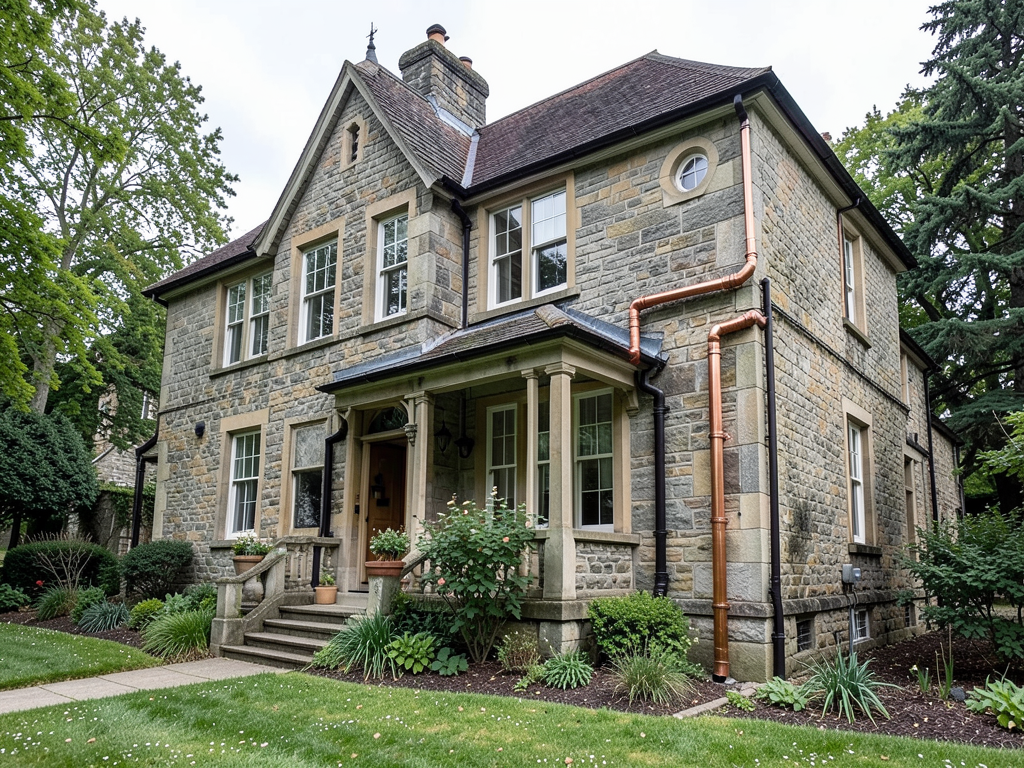
Restoring a historic Victorian Village estate in Memphis requires balancing modern plumbing codes with preserving architectural integrity. These homes built before 1930 feature original lead service lines, cast iron stacks, and galvanized steel supply pipes that no longer meet current safety standards. Understanding Shelby County code requirements and Memphis Landmarks Commission guidelines is essential before starting any restoration project. Memphis Landmarks Commission guidelines.
The first challenge involves lead service line replacement. Shelby County Environmental Code Section 15-4-301 mandates removal of all lead water service lines within 180 days of discovery. Many Victorian Village homes still contain these hazardous pipes connecting the municipal main to the home. Testing for lead typically requires a licensed plumber to take water samples before and after disturbing the line. The replacement process must use approved materials like Type K copper or PEX while maintaining the historic appearance above ground.
Cast iron drain stacks present another major hurdle. Homes built before 1960 often have original cast iron stacks that have deteriorated from the inside out. The Memphis Plumbing Code requires these to meet minimum slope requirements of 1/4 inch per foot and maintain structural integrity. When replacement becomes necessary, trenchless pipe lining offers a solution that preserves historic walls and foundations. This process involves inserting an epoxy-saturated liner that hardens to form a new pipe within the old one. Professional Drain Cleaning Services in Bartlett to Stop Recurring Clogs for Good.
Galvanized steel supply lines corrode internally over decades, reducing water pressure and introducing rust into drinking water. While not explicitly banned by code, these pipes fail to meet modern pressure and flow requirements. The challenge lies in replacing them without damaging original plaster walls or hardwood flooring. Many Victorian Village contractors use PEX piping for its flexibility and ability to run through existing wall cavities with minimal demolition.
The Memphis Landmarks Commission enforces strict guidelines for exterior modifications in Victorian Village. Any visible plumbing work must maintain the historic character of the home. This includes concealing modern water heaters, ensuring vent stacks remain hidden, and using period-appropriate fixtures where visible. The commission requires approval before any exterior plumbing modifications can begin. How to Tell if You Have a Slab Leak Under Your Memphis Home Foundation.
Water heater installations in historic homes face unique challenges. The National Plumbing Code requires pressure relief valves and proper venting, but Victorian homes often lack space for modern units. Tankless water heaters offer a space-saving solution, but installation must comply with both building codes and historic preservation guidelines. Gas-fired units require proper venting to prevent carbon monoxide buildup, while electric units need adequate electrical service. Switching to a Tankless Water Heater in East Memphis (Is It Worth the Investment?).
Sewer line issues plague many Victorian Village properties due to settling foundations and tree root intrusion. The Memphis Sewer Code requires proper slope and material specifications for replacement lines. Clay sewer pipes, common in homes built before 1970, crack and separate over time. Trenchless sewer repair using cured-in-place pipe lining preserves mature trees and historic landscaping while meeting code requirements. EPA information on lead in drinking water.
Backflow prevention devices protect the municipal water supply from contamination. Shelby County Code Section 15-4-303 requires these devices on all new installations and major renovations. Victorian homes often lack the space for modern backflow preventers, requiring creative solutions to meet code while preserving historic features. Some installations require remote mounting in basements or utility areas.
Fixture selection becomes a preservation challenge. Modern low-flow toilets and showerheads improve water efficiency but may not fit historic rough-in dimensions. The challenge involves finding fixtures that meet current water conservation standards while maintaining the home’s original character. Many homeowners opt for reproduction fixtures that combine modern internals with period-appropriate exteriors. Finding an Emergency Plumber in Germantown Who Actually Shows Up After Hours.
Foundation settling creates misalignment in plumbing systems. The expansive clay soils common in Memphis cause foundations to shift over decades, stressing pipes and creating leaks. Repiping often requires addressing these underlying structural issues first. Foundation repair contractors must coordinate with plumbers to ensure new systems can accommodate minor movement without failure. Plumbing Somerville.
Permit requirements for historic properties differ from standard renovations. The Shelby County Health Department and Memphis Landmarks Commission both review plumbing permits for historic properties. This dual review process can extend approval times from days to weeks. Contractors must submit detailed plans showing how work preserves historic elements while meeting modern codes.
Emergency repairs in historic homes require special consideration. Shutting off water to replace a valve might require weeks of planning to minimize disruption. Many Victorian Village homes lack proper shut-off valves, requiring entire system shutdowns for simple repairs. Emergency plumbing services must balance rapid response with preservation concerns.
Insurance considerations affect restoration decisions. Many historic homeowners insurance policies have specific requirements for plumbing updates. Some insurers offer premium discounts for replacing lead service lines or installing modern leak detection systems. Understanding these requirements before starting work prevents coverage issues later.
Water quality testing becomes essential in older homes. Lead testing, though required for service line replacement, also identifies other contaminants. Galvanized pipes can leach iron and other metals into drinking water. Testing results guide replacement priorities and identify filtration needs.
Modern technology integration presents both opportunities and challenges. Smart water monitors, leak detection systems, and remote shut-off valves improve safety but require careful installation to avoid damaging historic materials. Wireless systems often provide the best solution, eliminating the need for new wiring through historic walls.
Cost considerations extend beyond simple replacement. Historic restoration typically costs 30-50% more than standard plumbing work due to specialized materials, permit requirements, and preservation concerns. However, these investments protect the home’s value and ensure compliance with all applicable codes and regulations.
Documentation requirements for historic properties exceed standard renovations. Contractors must photograph existing conditions, document all materials removed, and maintain records of code compliance. This documentation proves invaluable for future renovations and helps maintain the home’s historical significance.
Coordination between trades becomes critical in historic restorations. Plumbers must work closely with electricians, HVAC contractors, and preservation specialists to ensure all systems integrate properly without compromising historic elements. This coordination often extends project timelines but ensures better outcomes.
Victorian Village’s specific location near the Wolf River creates additional challenges. High water tables can affect basement plumbing and require special considerations for sump pump installations. The area’s history as former swampland means many homes sit on unstable soil that shifts over time.
Modern energy efficiency requirements conflict with historic preservation in some cases. Tankless water heaters, while efficient, may not fit within historic wall cavities. Finding solutions that meet both energy codes and preservation guidelines requires creative thinking and specialized knowledge.
Community resources exist for historic homeowners. The Victorian Village Community Association provides guidance on preservation standards and can recommend contractors experienced with historic properties. Local preservation societies often maintain lists of approved materials and methods for historic renovations.
Future-proofing historic plumbing systems requires balancing current needs with anticipated changes. Installing larger diameter pipes than currently required allows for future upgrades without major demolition. Planning for eventual fixture replacements ensures new installations won’t conflict with future code changes.
Restoration success depends on finding contractors with specific experience in historic properties. Not all plumbers understand the nuances of working with original materials or navigating historic district requirements. Experience with Victorian Village specifically proves invaluable for avoiding common pitfalls.
The restoration process typically follows a predictable pattern. Initial assessment identifies code violations and preservation concerns. Planning addresses both while developing a phased approach to minimize disruption. Execution requires careful coordination between trades and constant communication with preservation authorities.
Understanding these common plumbing code hurdles helps Victorian Village homeowners prepare for successful restorations. The key lies in finding experienced contractors who understand both modern codes and historic preservation requirements. With proper planning and execution, these beautiful homes can maintain their historic character while meeting all current safety and efficiency standards.
Call (901) 640-3313 today to schedule your Victorian Village estate plumbing assessment. Our team understands the unique challenges of historic Memphis properties and can help you navigate the complex requirements of modern plumbing restoration while preserving your home’s architectural integrity.
Frequently Asked Questions
Do I need special permits for plumbing work in Victorian Village?
Yes. Victorian Village properties require permits from both the Shelby County Health Department and Memphis Landmarks Commission. The dual review process ensures work meets modern codes while preserving historic character.
How much does it cost to replace lead service lines in a historic home?
Lead service line replacement typically costs $3,000-$8,000 depending on the line length and accessibility. Historic properties may cost more due to preservation requirements and specialized materials.
Can I install a tankless water heater in my Victorian Village home?
Yes, tankless water heaters work well in historic homes. They save space and improve efficiency, but installation must comply with both building codes and historic preservation guidelines for exterior modifications.
You may also find this helpful. Selecting the best low profile toilet for a tiny powder room in a historic Central Gardens home.
{
“@context”: “https://schema.org”,
“@type”: “BlogPosting”,
“headline”: “Common plumbing code hurdles when restoring a historic Victorian Village estate”,
“description”: “Restoring a historic Victorian Village estate in Memphis requires navigating strict building codes, lead pipe replacements, and preserving original fixtures. Learn expert solutions.”,
“wordCount”: 1503,
“datePublished”: “2026-05-11T08:56:00.000Z”,
“dateModified”: “2026-05-11T08:56:00.000Z”,
“inLanguage”: “en-US”,
“mainEntityOfPage”: {
“@type”: “WebPage”,
“@id”: “https://aceplumbingmemphis.com”
},
“publisher”: {
“@type”: “LocalBusiness”,
“name”: “Ace Plumbing Memphis”,
“url”: “https://aceplumbingmemphis.com”
},
“author”: {
“@type”: “Organization”,
“name”: “Ace Plumbing Memphis”,
“url”: “https://aceplumbingmemphis.com”
},
“image”: {
“@type”: “ImageObject”,
“url”: “https://aceplumbingmemphis.com/wp-content/uploads/2026/03/common-plumbing-code-hurdles-when-restoring-a-hist-1.png”
}
}
{
“@context”: “https://schema.org”,
“@type”: “Plumber”,
“name”: “Ace Plumbing Memphis”,
“url”: “https://aceplumbingmemphis.com”,
“address”: {
“@type”: “PostalAddress”,
“addressLocality”: “Memphis”
},
“areaServed”: {
“@type”: “City”,
“name”: “Memphis”
}
}
{
“@context”: “https://schema.org”,
“@type”: “FAQPage”,
“mainEntity”: [
{
“@type”: “Question”,
“name”: “Do I need special permits for plumbing work in Victorian Village?”,
“acceptedAnswer”: {
“@type”: “Answer”,
“text”: “Yes. Victorian Village properties require permits from both the Shelby County Health Department and Memphis Landmarks Commission. The dual review process ensures work meets modern codes while preserving historic character.”
}
},
{
“@type”: “Question”,
“name”: “How much does it cost to replace lead service lines in a historic home?”,
“acceptedAnswer”: {
“@type”: “Answer”,
“text”: “Lead service line replacement typically costs $3,000-$8,000 depending on the line length and accessibility. Historic properties may cost more due to preservation requirements and specialized materials.”
}
},
{
“@type”: “Question”,
“name”: “Can I install a tankless water heater in my Victorian Village home?”,
“acceptedAnswer”: {
“@type”: “Answer”,
“text”: “Yes, tankless water heaters work well in historic homes. They save space and improve efficiency, but installation must comply with both building codes and historic preservation guidelines for exterior modifications.”
}
}
]
}
{
“@context”: “https://schema.org”,
“@type”: “BreadcrumbList”,
“itemListElement”: [
{
“@type”: “ListItem”,
“position”: 1,
“name”: “Home”,
“item”: “https://aceplumbingmemphis.com”
},
{
“@type”: “ListItem”,
“position”: 2,
“name”: “Blog”,
“item”: “https://aceplumbingmemphis.com/blog”
},
{
“@type”: “ListItem”,
“position”: 3,
“name”: “Common plumbing code hurdles when restoring a historic Victorian Village estate”
}
]
}
{
“@context”: “https://schema.org”,
“@type”: “Service”,
“serviceType”: “Plumbing”,
“provider”: {
“@type”: “LocalBusiness”,
“name”: “Ace Plumbing Memphis”,
“url”: “https://aceplumbingmemphis.com”
},
“areaServed”: {
“@type”: “City”,
“name”: “Memphis”
},
“description”: “Restoring a historic Victorian Village estate in Memphis requires navigating strict building codes, lead pipe replacements, and preserving original fixtures. Learn expert solutions.”
}