What every Downtown Memphis condo owner needs to know about HOA plumbing rules
Living in a Downtown Memphis condo means enjoying urban convenience, but it also means navigating a maze of plumbing responsibilities. When a pipe bursts or a toilet backs up, the first question isn’t how to fix it—it’s who pays for it. Tennessee condominium law and most HOA declarations follow a simple principle: anything serving only your unit is your responsibility, while anything serving multiple units belongs to the HOA. But the devil is in the details, and understanding where your unit boundary ends can save you thousands in unexpected repair costs. Tennessee Department of Commerce and Insurance condo insurance guide.
Memphis’s humid climate, aging infrastructure in historic buildings, and unique soil conditions make plumbing failures more common than you might expect. Whether you’re in Harbor Town’s riverfront towers or a converted warehouse in South Main, knowing your rights and responsibilities before an emergency strikes is essential. This guide breaks down the rules, the gray areas, and the steps to take when water starts where it shouldn’t. How to Tell if You Have a Slab Leak Under Your Memphis Home Foundation.
The Golden Rule: Separate vs. Common Elements
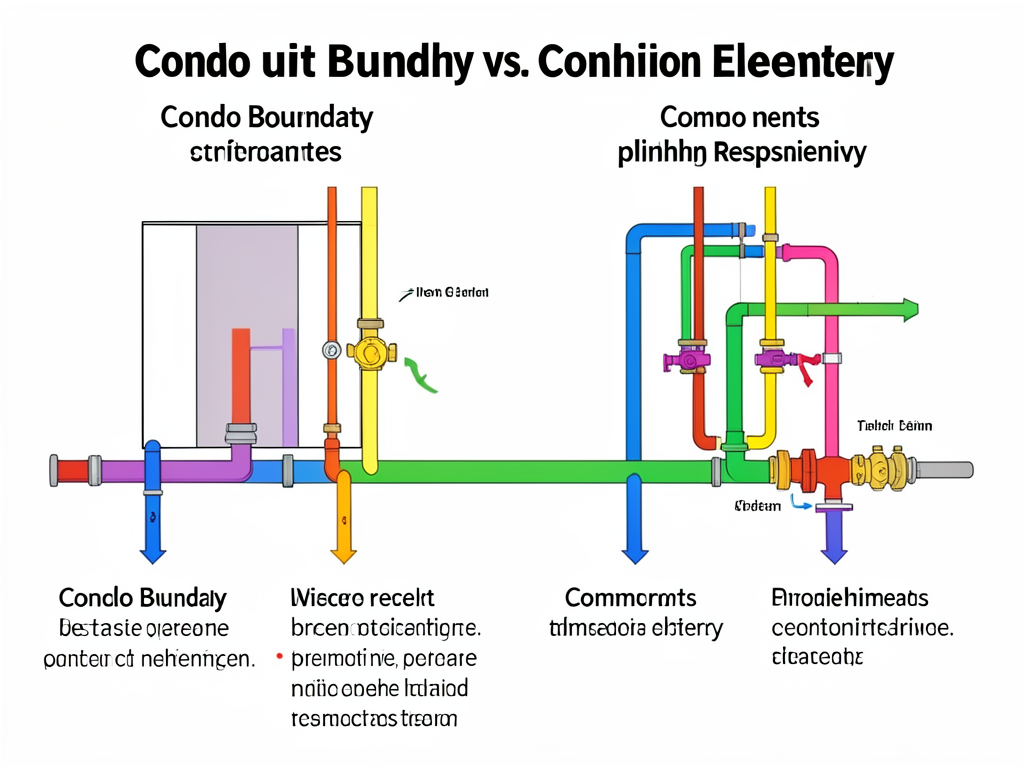
The starting point for any plumbing dispute is your HOA’s Declaration of Covenants, Conditions, and Restrictions (CC&Rs). These documents define the “unit boundary”—the line between what you own and what the association maintains. In most Memphis condos, the boundary follows the walls, floors, and ceilings of your unit. Pipes, drains, and fixtures exclusively serving your space fall under your ownership. However, anything in shared walls, vertical stacks, or mains that serve multiple units is a common element, and the HOA is responsible. Professional Drain Cleaning Services in Bartlett to Stop Recurring Clogs for Good.
Think of it like this: if a pipe only feeds your kitchen sink, it’s yours. If that same pipe connects to a stack that serves your neighbor’s bathroom, it’s the HOA’s. This distinction matters because repair costs can range from a few hundred dollars for a simple clog to thousands for a main stack replacement.
Common Plumbing Scenarios and Who Pays
Understanding who covers what in specific situations can prevent disputes and unexpected expenses. Here’s a breakdown of the most common scenarios:
| Plumbing Issue | Typically Owner’s Responsibility | Typically HOA’s Responsibility |
|---|---|---|
| Clogged sink or toilet | ✓ | |
| Leaking faucet | ✓ | |
| Water heater failure | ✓ (unless common) | |
| Main stack blockage | ✓ | |
| Burst pipe in shared wall | Depends on declaration | ✓ |
| Sewer line backup | ✓ |
Clogged Sinks and Toilets (Individual)
When your kitchen sink drains slowly or your toilet won’t flush, the problem is almost always within your unit’s plumbing. These are your responsibility to fix, whether it’s a simple plunger job or a call to a plumber. Most HOAs won’t cover these unless the blockage is in a common line affecting multiple units. Plumbing Somerville.
Main Stack Blockages (HOA)
The main stack is the vertical pipe that carries waste from all units down to the sewer. If this gets blocked, every unit on that stack is affected. Because it’s a shared system, the HOA is responsible for clearing it. In Memphis high-rises, especially older buildings in the Medical District, tree roots invading sewer lines are a common cause of stack blockages. Midtown Sewer Line Repair Without Digging Up Your Entire Yard.
Burst Pipes Inside Walls (The Gray Area)
Burst pipes inside walls are where disputes often arise. If the pipe only serves your unit, you’re responsible. But if it’s part of a shared system, the HOA may be liable. The key is determining whether the pipe is a “limited common element”—a part of the common system dedicated to your unit. Your CC&Rs and building plans should clarify this. When in doubt, document the damage and notify the HOA immediately.
Water Heater Failures
Water heaters can be either individual or common elements, depending on your building’s setup. In many Memphis condos, especially newer developments, each unit has its own water heater, making it the owner’s responsibility. However, some buildings have centralized systems where the HOA maintains all water heaters. Check your HOA documents to be sure.
Memphis-Specific Considerations
Memphis’s climate and geology create unique plumbing challenges. The city’s humid subtropical climate means pipes are constantly exposed to moisture, accelerating corrosion. In older buildings, especially those converted from industrial spaces in the South Main Arts District, galvanized steel pipes are common. These corrode from the inside out, leading to sudden failures.
Memphis’s expansive clay soils also play a role. When the ground shifts due to moisture changes, it can stress underground pipes, causing leaks or misalignment. This is particularly problematic in areas near the Wolf River, where soil saturation fluctuates seasonally. Winter freezes, though rare, can still cause burst pipes in uninsulated units, especially in buildings with poor thermal barriers.
Another local factor is the age of Memphis’s condo stock. Many Downtown buildings were constructed in the 1960s and 70s, and their plumbing systems are nearing the end of their lifespan. Cast iron drain lines, common in that era, corrode and crack over time. If your building is over 40 years old, a plumbing inspection is a wise investment.
Steps to Take When You Spot a Leak
Quick action can minimize damage and clarify responsibility. Here’s what to do if you discover a plumbing problem:
- Shut off the water. Locate your unit’s main shut-off valve. In most condos, this is near the water heater or under the kitchen sink. Turning it off stops further damage.
- Document everything. Take photos and videos of the leak, the damage, and the surrounding area. Note the time and date. This documentation is crucial for insurance claims and HOA disputes.
- Notify the HOA immediately. Most CC&Rs require prompt reporting of damage. Send an email or written notice so there’s a record. If the leak is in a common area or affecting multiple units, the HOA is obligated to respond.
- Mitigate further damage. If it’s safe, move belongings away from the leak and place buckets or towels to catch water. Your insurance may require you to take reasonable steps to prevent additional harm.
- Review your insurance policy. Standard condo insurance (HO-6) covers your personal property and the interior of your unit, but not the building’s structure. The HOA’s master policy covers common elements. If the leak’s source is unclear, both policies might come into play.
In Tennessee, the “efficient proximate cause” rule often determines coverage. If a common element failure (like a burst main stack) causes damage to your unit, the HOA’s insurance may be primary. But if your own neglected plumbing fails, your HO-6 policy is likely responsible.
Understanding Tennessee Condominium Law
Tennessee’s Condominium Act (Tennessee Code Annotated Title 66-27) provides the legal framework for condo ownership and HOA governance. Under this law, the HOA must maintain, repair, and replace common elements. However, the act also allows HOAs to shift certain responsibilities to owners through the CC&Rs.
One key provision is the requirement for HOAs to maintain adequate insurance for common elements. This typically includes the building’s structure, plumbing systems, and mechanical equipment. However, the policy usually excludes improvements made by individual owners, such as upgraded fixtures or custom plumbing.
Another important concept is “exclusive use common elements.” These are parts of the common system dedicated to a single unit, like a balcony or a dedicated water line. The HOA maintains them, but the owner has exclusive rights to use them. Plumbing lines can fall into this category, depending on the building’s design and the CC&Rs.
Preventing Plumbing Problems in Your Condo
Prevention is always cheaper than repair. Here are steps you can take to protect your unit:
- Know your shut-off valves. Locate the main valve for your unit and any individual fixture valves. In an emergency, shutting off water quickly can prevent thousands in damage.
- Inspect your plumbing annually. Look for signs of corrosion, leaks, or slow drains. Early detection can prevent major failures.
- Avoid chemical drain cleaners. These can damage pipes, especially older ones. Use a plunger or call a plumber for stubborn clogs.
- Insulate exposed pipes. In winter, even a brief freeze can burst pipes. Foam insulation is cheap and effective.
- Install a water alarm. These inexpensive devices alert you to leaks under sinks or near water heaters.
For buildings over 30 years old, consider a professional plumbing assessment. A licensed plumber can identify aging pipes, weak joints, or corrosion that might fail soon. In Memphis, where many condos are reaching that age, this proactive step can save you from a sudden, costly emergency. Finding an Emergency Plumber in Germantown Who Actually Shows Up After Hours.
Common HOA Plumbing Disputes and How to Resolve Them
Disputes often arise when the source of a problem isn’t clear. Here are common scenarios and how to handle them:
Water Damage from Above
If water leaks from your upstairs neighbor’s unit into yours, the immediate question is: who’s responsible? If the leak is from a common pipe, the HOA is liable. If it’s from your neighbor’s neglected plumbing, they are. The key is determining the source. A plumber can trace the leak’s origin, and your documentation will support your case.
Sewer Odors
Sewer smells in your unit could indicate a dry trap, a cracked vent pipe, or a blockage in the main line. If the odor is isolated to your unit, it’s likely your responsibility. If multiple units report it, the HOA must investigate. In Memphis’s older buildings, cracked cast iron vents are a common culprit.
Low Water Pressure
Low pressure can stem from a failing pressure regulator, clogged pipes, or issues with the building’s main supply. If only your unit is affected, the problem is likely within your plumbing. If the entire building has low pressure, it’s the HOA’s responsibility to address it.
When disputes arise, refer to your CC&Rs and Tennessee law. If the HOA refuses to act, you may need to involve the Tennessee Department of Commerce and Insurance or seek legal counsel. Most disputes, however, are resolved through communication and documentation.
Insurance Considerations for Condo Owners
Understanding your insurance coverage is crucial. The HOA’s master policy typically covers the building’s structure, common elements, and sometimes fixtures. However, it rarely covers your personal belongings or interior improvements.
Your HO-6 policy fills these gaps. It covers:
- Personal property (furniture, electronics, clothing)
- Improvements and betterments (upgraded flooring, custom cabinets)
- Liability protection if someone is injured in your unit
- Loss of use if your unit is uninhabitable due to a covered peril
Some policies also include water backup coverage, which is valuable in Memphis where sewer backups can occur during heavy rains. Review your policy annually and ask your insurer about any exclusions or limits.
If a plumbing failure damages your unit, file a claim with both your insurer and the HOA. The two companies will determine liability based on the cause and the building’s documents. Keep all correspondence and be prepared to provide the plumber’s report.
The Bottom Line: Know Before You Own
Buying a condo in Downtown Memphis is an investment, but it comes with shared responsibilities. Before you purchase, review the HOA’s financial statements, insurance policies, and CC&Rs. Look for signs of deferred maintenance, especially in plumbing. Ask about the age of the building’s pipes and whether any major repairs are planned.
If you’re already a condo owner, take time to understand your rights and responsibilities. Keep a copy of your CC&Rs handy, and don’t hesitate to ask the HOA board questions. When plumbing problems arise, quick, informed action can prevent minor issues from becoming major headaches.
Memphis’s condo market is growing, with new developments in the Pinch District and conversions of historic buildings in Uptown. As the city evolves, so do the challenges of shared living. Staying informed and proactive is the best way to protect your investment and your peace of mind.
Frequently Asked Questions
Who pays for water damage if a pipe bursts in my condo?
It depends on the pipe’s location and purpose. If it serves only your unit, you’re responsible. If it’s a common element or serves multiple units, the HOA is liable. Your insurance may cover damage regardless of fault, depending on your policy.
Does my HOA cover slab leaks?
Slab leaks under the building’s foundation are typically the HOA’s responsibility if they’re in common plumbing. However, if the leak is in a line exclusively serving your unit, you may be liable. Check your CC&Rs for specifics.
What should I do if my HOA refuses to fix a plumbing issue?
First, review your CC&Rs to confirm the HOA’s responsibility. If they’re obligated to act but won’t, send a written demand. If that fails, contact the Tennessee Department of Commerce and Insurance or consult an attorney specializing in condo law.
How can I prevent plumbing emergencies in my condo?
Regular maintenance is key. Know your shut-off valves, inspect for leaks annually, avoid chemical drain cleaners, and insulate pipes in winter. For older buildings, consider a professional plumbing assessment to identify aging components before they fail.
Is the HOA responsible for mold caused by a plumbing leak?
If the leak is from a common element and the HOA was aware (or should have been aware) of the issue, they may be liable for mold damage. However, if the leak is from your own plumbing, you’re responsible. Mold remediation is often covered by insurance, but policies vary.

Need Help with Your Condo Plumbing?
Plumbing problems don’t wait for a convenient time. If you’re dealing with a leak, backup, or any other plumbing emergency in your Downtown Memphis condo, don’t guess about responsibility—get it fixed fast. Our licensed plumbers know Memphis buildings inside and out, from historic lofts to modern high-rises. We’ll diagnose the problem, clarify who’s responsible, and get your water flowing again.
Call (901) 640-3313 today to schedule your inspection or emergency service. Don’t let a small drip turn into a big disaster.
Pick up the phone and call (901) 640-3313 before the next storm hits. Your condo—and your peace of mind—are worth it. For more information, visit 2021 Uniform Plumbing Code.
{
“@context”: “https://schema.org”,
“@type”: “BlogPosting”,
“headline”: “What every Downtown Memphis condo owner needs to know about HOA plumbing rules”,
“description”: “Learn who’s responsible for plumbing repairs in your Downtown Memphis condo. Understand HOA vs. unit owner liability, Tennessee codes, and emergency steps to take.”,
“wordCount”: 2349,
“datePublished”: “2026-06-06T08:18:00.000Z”,
“dateModified”: “2026-06-06T08:18:00.000Z”,
“inLanguage”: “en-US”,
“mainEntityOfPage”: {
“@type”: “WebPage”,
“@id”: “https://aceplumbingmemphis.com”
},
“publisher”: {
“@type”: “LocalBusiness”,
“name”: “Ace Plumbing Memphis”,
“url”: “https://aceplumbingmemphis.com”
},
“author”: {
“@type”: “Organization”,
“name”: “Ace Plumbing Memphis”,
“url”: “https://aceplumbingmemphis.com”
},
“image”: {
“@type”: “ImageObject”,
“url”: “https://aceplumbingmemphis.com/wp-content/uploads/2026/03/what-every-downtown-memphis-condo-owner-needs-to-k-1.png”
}
}
{
“@context”: “https://schema.org”,
“@type”: “Plumber”,
“name”: “Ace Plumbing Memphis”,
“url”: “https://aceplumbingmemphis.com”,
“address”: {
“@type”: “PostalAddress”,
“addressLocality”: “Memphis”
},
“areaServed”: {
“@type”: “City”,
“name”: “Memphis”
}
}
{
“@context”: “https://schema.org”,
“@type”: “FAQPage”,
“mainEntity”: [
{
“@type”: “Question”,
“name”: “Who pays for water damage if a pipe bursts in my condo?”,
“acceptedAnswer”: {
“@type”: “Answer”,
“text”: “It depends on the pipe’s location and purpose. If it serves only your unit, you’re responsible. If it’s a common element or serves multiple units, the HOA is liable. Your insurance may cover damage regardless of fault, depending on your policy.”
}
},
{
“@type”: “Question”,
“name”: “Does my HOA cover slab leaks?”,
“acceptedAnswer”: {
“@type”: “Answer”,
“text”: “Slab leaks under the building’s foundation are typically the HOA’s responsibility if they’re in common plumbing. However, if the leak is in a line exclusively serving your unit, you may be liable. Check your CC&Rs for specifics.”
}
},
{
“@type”: “Question”,
“name”: “What should I do if my HOA refuses to fix a plumbing issue?”,
“acceptedAnswer”: {
“@type”: “Answer”,
“text”: “First, review your CC&Rs to confirm the HOA’s responsibility. If they’re obligated to act but won’t, send a written demand. If that fails, contact the Tennessee Department of Commerce and Insurance or consult an attorney specializing in condo law.”
}
},
{
“@type”: “Question”,
“name”: “How can I prevent plumbing emergencies in my condo?”,
“acceptedAnswer”: {
“@type”: “Answer”,
“text”: “Regular maintenance is key. Know your shut-off valves, inspect for leaks annually, avoid chemical drain cleaners, and insulate pipes in winter. For older buildings, consider a professional plumbing assessment to identify aging components before they fail.”
}
},
{
“@type”: “Question”,
“name”: “Is the HOA responsible for mold caused by a plumbing leak?”,
“acceptedAnswer”: {
“@type”: “Answer”,
“text”: “If the leak is from a common element and the HOA was aware (or should have been aware) of the issue, they may be liable for mold damage. However, if the leak is from your own plumbing, you’re responsible. Mold remediation is often covered by insurance, but policies vary.”
}
},
{
“@type”: “Question”,
“name”: “Need Help with Your Condo Plumbing?”,
“acceptedAnswer”: {
“@type”: “Answer”,
“text”: “Plumbing problems don’t wait for a convenient time. If you’re dealing with a leak, backup, or any other plumbing emergency in your Downtown Memphis condo, don’t guess about responsibility—get it fixed fast. Our licensed plumbers know Memphis buildings inside and out, from historic lofts to modern high-rises. We’ll diagnose the problem, clarify who’s responsible, and get your water flowing again.”
}
}
]
}
{
“@context”: “https://schema.org”,
“@type”: “BreadcrumbList”,
“itemListElement”: [
{
“@type”: “ListItem”,
“position”: 1,
“name”: “Home”,
“item”: “https://aceplumbingmemphis.com”
},
{
“@type”: “ListItem”,
“position”: 2,
“name”: “Blog”,
“item”: “https://aceplumbingmemphis.com/blog”
},
{
“@type”: “ListItem”,
“position”: 3,
“name”: “What every Downtown Memphis condo owner needs to know about HOA plumbing rules”
}
]
}
{
“@context”: “https://schema.org”,
“@type”: “Service”,
“serviceType”: “Plumbing”,
“provider”: {
“@type”: “LocalBusiness”,
“name”: “Ace Plumbing Memphis”,
“url”: “https://aceplumbingmemphis.com”
},
“areaServed”: {
“@type”: “City”,
“name”: “Memphis”
},
“description”: “Learn who’s responsible for plumbing repairs in your Downtown Memphis condo. Understand HOA vs. unit owner liability, Tennessee codes, and emergency steps to take.”
}