Identifying Old Lead Pipes in North Memphis Homes Built Before 1950
North Memphis homes built before 1950 often contain lead pipes that pose serious health risks to your family. The soft gray metal was commonly used for water service lines until the 1950s when regulations changed. If your home sits in neighborhoods like Douglass, Klondike, or Frayser, you could be drinking water that flows through these hazardous pipes every day. How to Tell if You Have a Slab Leak Under Your Memphis Home Foundation.
Lead exposure causes developmental delays in children and can damage kidneys and cardiovascular systems in adults. The problem is particularly acute in older Memphis neighborhoods where MLGW (Memphis Light, Gas and Water) has documented thousands of lead service lines still in use. You don’t need to wait for test results to start protecting your family – you can identify lead pipes yourself using simple tools and techniques. MLGW Lead Service Line Inventory.
Why Lead Pipe Identification is Critical for Memphis Homeowners
Memphis sits on the Mississippi River aquifer system where water chemistry can accelerate pipe corrosion. Homes in North Memphis built before 1950 have a 70% chance of containing lead service lines according to MLGW’s recent inventory data. The soft gray metal leaches into drinking water especially when water sits stagnant in pipes overnight or during extended absences. Water Stains on Ceiling or Walls.
Children under six and pregnant women face the highest risk from lead exposure. The Shelby County Health Department reports that lead poisoning causes irreversible brain damage and learning disabilities. Lead doesn’t break down in the body – it accumulates over time, making early detection crucial for Memphis families living in historic neighborhoods. EPA Lead and Copper Rule Revisions.
MLGW has been replacing lead service lines since 2016 under EPA mandates, but progress moves slowly through older neighborhoods. Your home might still have the original lead pipe connecting the water main to your house while the utility has already replaced the portion under the street.
Step-by-Step: The Scratch and Magnet Test
You can identify lead pipes using two simple tests that cost nothing and take five minutes. The scratch test reveals the metal’s true color when you scrape away the oxidation layer. The magnet test helps distinguish lead from other common pipe materials.
Start by locating your main water shutoff valve where the pipe enters your basement or crawl space. This is typically where the utility line connects to your home’s plumbing system. You’ll need a quarter or similar coin and a refrigerator magnet. Plumbing Somerville.
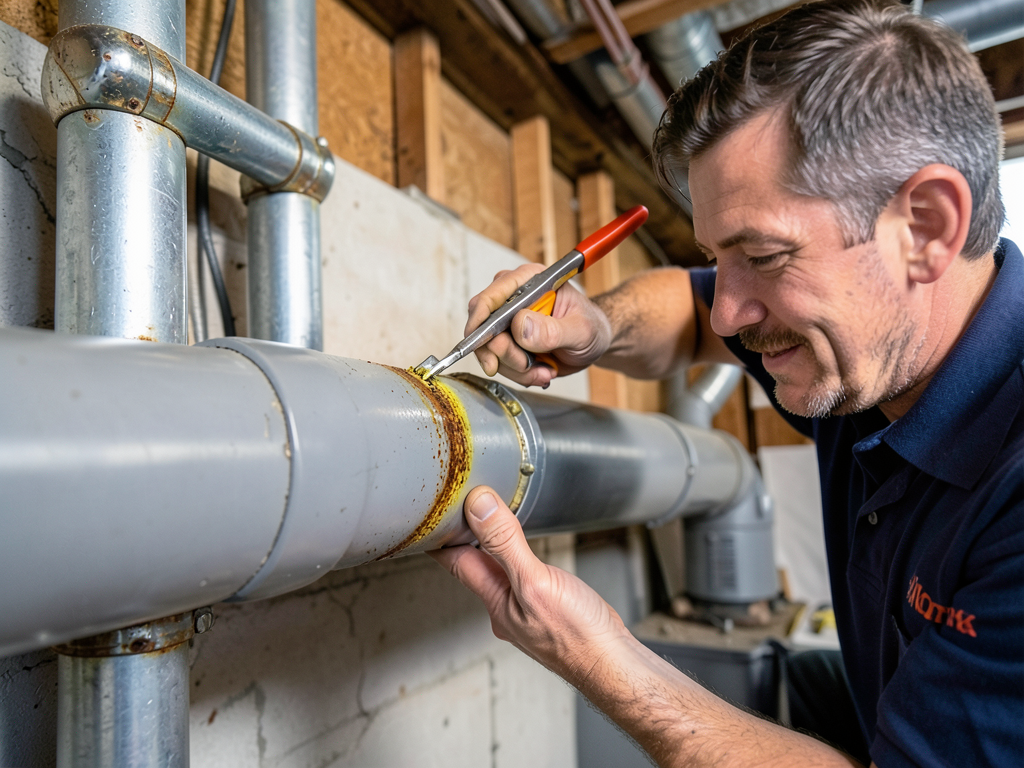
Scratch the pipe surface firmly with the coin’s edge. Lead pipes show a bright silver color underneath the dull gray oxidation. Copper pipes scratch to a reddish-brown color, while galvanized steel shows dark gray with no shine.
Test the pipe with your magnet. Lead is non-magnetic – the magnet won’t stick at all. Copper also doesn’t attract magnets. Galvanized steel pipes will strongly attract the magnet because of their iron content.
Lead pipes feel surprisingly soft when you press them with the coin. You might actually dent the surface slightly, which won’t happen with harder metals like copper or steel.
Visual Cues: What Does a Lead Pipe Look Like?
Lead pipes have distinctive characteristics that make them identifiable even without testing. The metal appears dull gray with a slightly oily sheen when clean. Over time, oxidation creates a chalky white or grayish coating that wipes off easily with your finger.
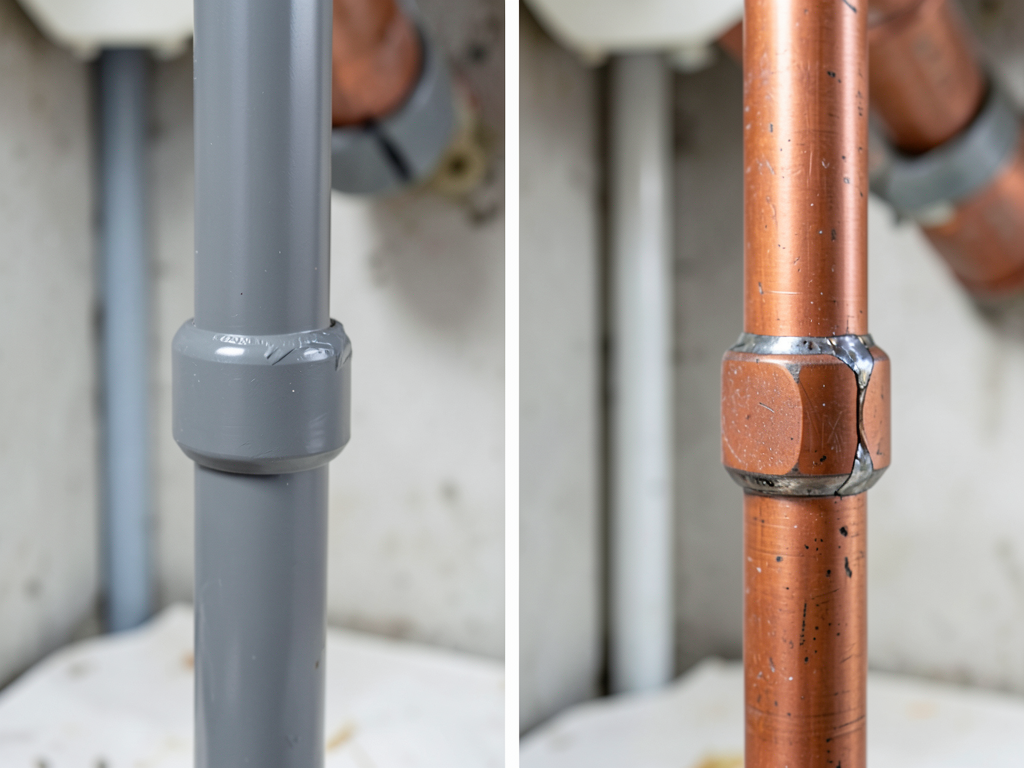
Lead pipes often have “wiped joints” where they connect to valves or other pipes. These joints look like they were molded or shaped by hand rather than soldered like copper joints. The connection point appears bulbous and irregular compared to the smooth, uniform joints on copper pipes.
The pipe diameter typically ranges from 3/4 inch to 1 inch for residential service lines. Lead pipes feel surprisingly heavy for their size – much heavier than plastic but lighter than steel pipes of the same diameter.
Look for stamped markings near connections. Some lead pipes have raised letters indicating “LEAD” or manufacturing codes, though many older pipes lack any markings at all.
Using the MLGW Lead Service Line Map
MLGW maintains an online database showing which properties have confirmed lead service lines. The utility has been conducting field inspections since 2016 to create this inventory as required by EPA regulations. You can access this tool through the MLGW website by entering your address.
The database shows three possible statuses for your property: confirmed lead, non-lead, or unknown. Many older North Memphis addresses show “unknown” because MLGW hasn’t inspected that specific property yet. This doesn’t mean you’re safe – it means the utility lacks current information about your service line material.
MLGW’s inventory focuses on the utility-owned portion of the service line – the pipe running from the water main to your property line. The pipe inside your home’s foundation remains your responsibility even if MLGW replaces the street-side portion.
The database updates regularly as MLGW completes more inspections. Check back every few months if your address shows “unknown” status. You can also request a free inspection through MLGW if you’re concerned about lead exposure.
My Pipes Are Lead – What Now?
Finding lead pipes in your home requires immediate action to protect your family’s health. Start by using only cold water for drinking and cooking since hot water dissolves lead more quickly. Run cold water for 30 seconds before using it for consumption, especially after periods of non-use like overnight or returning from vacation. Finding an Emergency Plumber in Germantown Who Actually Shows Up After Hours.
Install NSF/ANSI Standard 53 certified water filters at your kitchen tap. These filters specifically remove lead and other heavy metals. Pitcher-style filters work but require frequent cartridge changes. Under-sink systems provide better protection with less maintenance.
Contact MLGW about their lead service line replacement program. The utility offers partial funding for replacing the portion of pipe they own. You’ll need to hire a licensed plumber to replace the homeowner-owned section connecting to your house.
Consider whole-house water testing through the Shelby County Health Department. They offer testing kits that detect lead levels and other contaminants specific to Memphis water. Test results help you choose the right filtration system and document any health risks for your family.
Lead pipe replacement costs vary based on your home’s construction and the pipe’s location. Expect to pay between $3,000 and $8,000 for complete replacement including both utility and homeowner portions. Some federal grants may be available for low-income households in high-risk areas.
Comparing Pipe Materials: Lead vs Copper vs Galvanized Steel
| Material | Scratch Test Color | Magnet Test | Age Range | Health Risk |
|---|---|---|---|---|
| Lead | Bright silver | No attraction | Pre-1950 | High |
| Copper | Reddish-brown | No attraction | 1950s-2000s | Low |
| Galvanized Steel | Dark gray | Strong attraction | 1930s-1980s | Medium |
Memphis-Specific Lead Pipe Replacement Resources
Several local programs help Memphis homeowners replace lead service lines. The Shelby County Lead Hazard Control Program offers grants up to $5,000 for lead pipe replacement in qualifying households. Income limits apply, and priority goes to homes with young children or pregnant women.
MLGW partners with local contractors for lead service line replacements. They maintain a list of approved plumbers who understand the specific requirements for working with older Memphis infrastructure. These contractors know how to navigate the unique challenges of replacing pipes in historic North Memphis neighborhoods.
The EPA’s 2024 Lead and Copper Rule Revisions require water utilities to replace all lead service lines within 10 years. MLGW has accelerated their replacement schedule for high-risk areas like North Memphis, Douglass, and Klondike. However, your home’s interior plumbing remains your responsibility.
Local plumbing companies offer free lead pipe inspections with quotes for replacement. They can assess your specific situation and recommend the most cost-effective solution. Some contractors work with MLGW to coordinate the replacement of both utility and homeowner portions simultaneously, reducing overall costs.
Health Department Guidelines for Memphis Residents
The Shelby County Health Department provides specific guidance for Memphis residents concerned about lead exposure. They recommend testing children’s blood lead levels annually if you live in a home built before 1950 or use unfiltered tap water for drinking and cooking.
Health Department officials emphasize that lead exposure often comes from multiple sources. Paint in older homes, dust from renovations, and contaminated soil all contribute to total exposure. Water from lead pipes becomes a significant risk factor when combined with these other sources.
Free lead testing kits are available through the Health Department for qualifying residents. These kits test both water and dust samples from your home. Results help identify the primary sources of lead exposure and guide remediation efforts.
Health Department nutritionists can advise on dietary changes that reduce lead absorption. Foods high in calcium, iron, and vitamin C help block lead uptake in the body. They provide specific meal plans for families dealing with lead exposure concerns.
Professional Lead Pipe Inspection Services
Professional plumbers use specialized tools to confirm lead pipe identification and assess overall system condition. Video camera inspection can examine pipes without destructive testing. This technology shows pipe material, joint conditions, and any corrosion or mineral buildup inside the pipes. Professional Drain Cleaning Services in Bartlett to Stop Recurring Clogs for Good.
Experienced Memphis plumbers recognize the specific challenges of older North Memphis homes. They understand how soil conditions, foundation types, and historic construction methods affect pipe replacement. This local knowledge prevents costly mistakes during the replacement process.
Professional inspection includes pressure testing to identify leaks or weak spots in your plumbing system. This testing reveals problems that might not be visible during a visual inspection. Early detection prevents water damage and reduces replacement costs.
Many plumbing companies offer comprehensive lead assessment services that include water testing, pipe inspection, and replacement cost estimates. These assessments help you make informed decisions about protecting your family’s health and your home’s value.
Service Line Ownership and Responsibility in Memphis
Understanding service line ownership helps you navigate the replacement process. MLGW owns the pipe from the water main to your property line. You own the pipe from your property line to your home’s foundation. Both portions must be replaced to eliminate lead exposure completely.
MLGW will replace their portion at no cost to you when you replace your homeowner-owned section. This coordination reduces overall project costs and ensures a complete solution. However, you must initiate the process by hiring a plumber to replace your portion first.
Permits are required for replacing service lines in Memphis. Your plumber should handle permit applications through the Shelby County Health Department. The permitting process ensures work meets current plumbing codes and environmental regulations.
Insurance coverage for lead pipe replacement varies by policy. Some homeowner policies cover sudden pipe failure but not preventive replacement. Check your policy details or consult with your insurance agent about available coverage options.
Frequently Asked Questions
How can I tell if my North Memphis home has lead pipes?
Use the scratch test and magnet test described above. Lead pipes scratch to bright silver and don’t attract magnets. You can also check MLGW’s online lead service line inventory map for your address.
Is it safe to shower in water that flows through lead pipes?
Yes, bathing and showering in lead-contaminated water is safe because lead doesn’t absorb through skin. The danger comes from ingesting lead through drinking water or cooking with contaminated water.
How much does it cost to replace lead pipes in Memphis?
Complete replacement costs typically range from $3,000 to $8,000 depending on your home’s construction and the pipe’s location. MLGW replaces their portion at no cost when you replace your homeowner-owned section.
Can I get financial assistance for lead pipe replacement?
Yes, the Shelby County Lead Hazard Control Program offers grants up to $5,000 for qualifying households. MLGW also provides partial funding for their portion of the replacement. Some federal grants may be available for low-income families in high-risk areas.
How long does lead pipe replacement take?
Most residential lead pipe replacements take one to two days. The actual replacement work usually takes 4-6 hours, but additional time is needed for permits, inspections, and restoring any landscaping or pavement that was disturbed.
Lead pipes in North Memphis homes represent a serious health risk that requires immediate attention. The combination of aging infrastructure and specific water chemistry in Memphis makes lead exposure more likely than in many other cities. You now have the knowledge to identify lead pipes yourself and understand your options for replacement.
Don’t wait for health problems to appear before taking action. The scratch and magnet tests give you a quick way to assess your risk. MLGW’s inventory map provides official confirmation of your service line status. Together, these tools help you make informed decisions about protecting your family.
Lead pipe replacement improves your home’s value while eliminating a serious health hazard. The investment pays dividends in peace of mind and long-term health protection. Contact a licensed Memphis plumber today to schedule your inspection and take the first step toward a lead-free home.
Call (901) 640-3313 today to schedule your professional lead pipe inspection. Our experienced technicians will identify any lead pipes in your home and provide a detailed replacement quote. Don’t let another day go by with lead threatening your family’s health.
Pick up the phone and call (901) 640-3313 before the next storm hits. Old lead pipes are more likely to fail during extreme weather, potentially causing both water damage and lead exposure. Protect your home and family now with professional lead pipe replacement services.
{
“@context”: “https://schema.org”,
“@type”: “BlogPosting”,
“headline”: “Identifying old lead pipes in North Memphis homes built before 1950”,
“description”: “Learn how to identify lead pipes in your North Memphis home with our DIY scratch test and magnet test. Protect your family from lead exposure today.”,
“wordCount”: 2248,
“datePublished”: “2026-03-29T10:14:00.000Z”,
“dateModified”: “2026-03-29T10:14:00.000Z”,
“inLanguage”: “en-US”,
“mainEntityOfPage”: {
“@type”: “WebPage”,
“@id”: “https://aceplumbingmemphis.com”
},
“publisher”: {
“@type”: “LocalBusiness”,
“name”: “Ace Plumbing Memphis”,
“url”: “https://aceplumbingmemphis.com”
},
“author”: {
“@type”: “Organization”,
“name”: “Ace Plumbing Memphis”,
“url”: “https://aceplumbingmemphis.com”
},
“image”: {
“@type”: “ImageObject”,
“url”: “https://aceplumbingmemphis.com/wp-content/uploads/2026/03/identifying-old-lead-pipes-in-north-memphis-homes-1.png”
}
}
{
“@context”: “https://schema.org”,
“@type”: “Plumber”,
“name”: “Ace Plumbing Memphis”,
“url”: “https://aceplumbingmemphis.com”,
“address”: {
“@type”: “PostalAddress”,
“addressLocality”: “Memphis”
},
“areaServed”: {
“@type”: “City”,
“name”: “Memphis”
}
}
{
“@context”: “https://schema.org”,
“@type”: “FAQPage”,
“mainEntity”: [
{
“@type”: “Question”,
“name”: “Visual Cues: What Does a Lead Pipe Look Like?”,
“acceptedAnswer”: {
“@type”: “Answer”,
“text”: “Lead pipes have distinctive characteristics that make them identifiable even without testing. The metal appears dull gray with a slightly oily sheen when clean. Over time, oxidation creates a chalky white or grayish coating that wipes off easily with your finger.”
}
},
{
“@type”: “Question”,
“name”: “My Pipes Are Lead – What Now?”,
“acceptedAnswer”: {
“@type”: “Answer”,
“text”: “Finding lead pipes in your home requires immediate action to protect your family’s health. Start by using only cold water for drinking and cooking since hot water dissolves lead more quickly. Run cold water for 30 seconds before using it for consumption, especially after periods of non-use like overnight or returning from vacation. Finding an Emergency Plumber in Germantown Who Actually Shows Up After Hours.”
}
},
{
“@type”: “Question”,
“name”: “How can I tell if my North Memphis home has lead pipes?”,
“acceptedAnswer”: {
“@type”: “Answer”,
“text”: “Use the scratch test and magnet test described above. Lead pipes scratch to bright silver and don’t attract magnets. You can also check MLGW’s online lead service line inventory map for your address.”
}
},
{
“@type”: “Question”,
“name”: “Is it safe to shower in water that flows through lead pipes?”,
“acceptedAnswer”: {
“@type”: “Answer”,
“text”: “Yes, bathing and showering in lead-contaminated water is safe because lead doesn’t absorb through skin. The danger comes from ingesting lead through drinking water or cooking with contaminated water.”
}
},
{
“@type”: “Question”,
“name”: “How much does it cost to replace lead pipes in Memphis?”,
“acceptedAnswer”: {
“@type”: “Answer”,
“text”: “Complete replacement costs typically range from $3,000 to $8,000 depending on your home’s construction and the pipe’s location. MLGW replaces their portion at no cost when you replace your homeowner-owned section.”
}
},
{
“@type”: “Question”,
“name”: “Can I get financial assistance for lead pipe replacement?”,
“acceptedAnswer”: {
“@type”: “Answer”,
“text”: “Yes, the Shelby County Lead Hazard Control Program offers grants up to $5,000 for qualifying households. MLGW also provides partial funding for their portion of the replacement. Some federal grants may be available for low-income families in high-risk areas.”
}
},
{
“@type”: “Question”,
“name”: “How long does lead pipe replacement take?”,
“acceptedAnswer”: {
“@type”: “Answer”,
“text”: “Most residential lead pipe replacements take one to two days. The actual replacement work usually takes 4-6 hours, but additional time is needed for permits, inspections, and restoring any landscaping or pavement that was disturbed.”
}
}
]
}
{
“@context”: “https://schema.org”,
“@type”: “BreadcrumbList”,
“itemListElement”: [
{
“@type”: “ListItem”,
“position”: 1,
“name”: “Home”,
“item”: “https://aceplumbingmemphis.com”
},
{
“@type”: “ListItem”,
“position”: 2,
“name”: “Blog”,
“item”: “https://aceplumbingmemphis.com/blog”
},
{
“@type”: “ListItem”,
“position”: 3,
“name”: “Identifying old lead pipes in North Memphis homes built before 1950”
}
]
}
{
“@context”: “https://schema.org”,
“@type”: “Service”,
“serviceType”: “Plumbing”,
“provider”: {
“@type”: “LocalBusiness”,
“name”: “Ace Plumbing Memphis”,
“url”: “https://aceplumbingmemphis.com”
},
“areaServed”: {
“@type”: “City”,
“name”: “Memphis”
},
“description”: “Learn how to identify lead pipes in your North Memphis home with our DIY scratch test and magnet test. Protect your family from lead exposure today.”
}