French Drain vs Sump Pump for Atoka Yards: Which Solves Your Drainage Problem?
Standing water after Memphis storms is more than a nuisance. It threatens your foundation, attracts mosquitoes, and can flood your basement. Atoka homeowners face unique challenges from heavy clay soils and the area’s flat terrain. Before you invest in yard drainage, you need to understand the difference between a French drain and a sump pump system. Professional Drain Cleaning Services in Bartlett to Stop Recurring Clogs for Good.
A French drain collects and redirects surface water away from your property using a gravel-filled trench with a perforated pipe. A sump pump removes groundwater that accumulates in a pit below your basement floor. Both systems work, but they solve different problems. The right choice depends on your yard’s slope, soil type, and where water collects.. Read more about Keeping the floor drains clear in your Whitehaven basement or garage.
Atoka’s location near the Loosahatchie River means many homes sit in areas with high water tables. The clay-heavy Memphis soil drains slowly, creating hydrostatic pressure against foundation walls. This combination makes proper drainage critical for protecting your home’s structure and preventing costly water damage. How to Tell if You Have a Slab Leak Under Your Memphis Home Foundation.
How Memphis Soil Affects Your Drainage Options
Memphis sits on expansive clay soil that swells when wet and shrinks when dry. This movement creates foundation cracks and disrupts underground pipes. The soil’s low permeability means water sits on the surface longer than in sandy areas, increasing the risk of basement flooding.
French drains work best in areas where surface water needs redirecting. The perforated pipe collects water from saturated soil and channels it to a safe discharge point. However, in Atoka’s clay conditions, French drains require deeper installation and larger aggregate to handle the slow percolation rate.
Sump pumps excel at removing groundwater that rises through the foundation. They activate automatically when water reaches a certain level in the pit. For homes with basements or crawl spaces in high water table areas, sump pumps provide active protection that French drains cannot match.
Diagnosing Your Specific Water Problem
Before choosing a system, you need to identify where water enters your property. Does it pool on the surface after rain? Does your basement stay damp year-round? The answer determines which solution works best.
Surface water issues show as standing puddles that last more than 24 hours after rainfall. These problems respond well to French drains, surface grading, and downspout extensions. The water follows gravity to the lowest point, so proper slope is essential.
Groundwater problems manifest as persistent basement dampness, efflorescence on foundation walls, or water seeping through floor cracks. These conditions require sump pumps or interior drainage systems to relieve hydrostatic pressure from below.
During a professional inspection, technicians use moisture meters to measure soil saturation at different depths. They also check your yard’s elevation using laser levels to map water flow patterns. This diagnostic process reveals whether you need surface collection or subsurface removal.
French Drain Installation Process
Installing a French drain requires excavating a trench 18-24 inches deep and 12 inches wide. The bottom slopes at least 1% toward the discharge point. Technicians line the trench with filter fabric to prevent soil from clogging the system.. Read more about Why Germantown requires annual backflow testing for your lawn irrigation system.
Next, they place a perforated pipe with holes facing downward. This orientation prevents soil from entering through the holes while allowing water to flow freely. The pipe connects to solid drain pipe that carries water to daylight or a storm drain.
Finally, workers fill the trench with washed gravel, leaving 2-3 inches below grade for topsoil and grass. The gravel creates a path of least resistance for water, drawing it away from problem areas. Proper installation prevents the system from silting up over time.
Sump Pump System Components
A complete sump pump system includes more than just the pump. The pit, or basin, collects groundwater before it reaches your living space. It must be deep enough to handle seasonal water table fluctuations without overflowing.
The primary pump sits inside the pit on a pedestal or flat bottom. When water rises to a set level, a float switch activates the pump. The pump pushes water through discharge pipes to the exterior, where it exits safely away from your foundation.
Battery backup systems provide protection during power outages. Memphis thunderstorms often knock out electricity when you need drainage most. A backup pump runs on deep-cycle marine batteries and activates automatically if the primary pump fails or cannot keep up with inflow.
Water alarm systems alert you to pump failures or high water levels. These simple devices sound an alarm when water reaches dangerous levels, giving you time to address problems before flooding occurs.
Comparing French Drains and Sump Pumps
| Feature | French Drain | Sump Pump |
|---|---|---|
| Water Source | Surface runoff | Groundwater |
| Installation Depth | 18-24 inches | 24-36 inches in pit |
| Maintenance Needs | Occasional cleaning | Pump testing, battery checks |
| Power Requirements | None | Electricity (backup optional) |
| Best For | Yard flooding | Basement seepage |
| Lifespan | 20-30 years | 5-10 years (pump only) |
When You Need Both Systems
Many Atoka homes benefit from combining both drainage methods. French drains handle surface water around the foundation while sump pumps manage groundwater pressure from below. This dual approach provides comprehensive protection.
Properties with basements in low-lying areas often need both systems. The French drain prevents surface water from saturating the soil around foundation walls. The sump pump removes water that penetrates through the foundation or rises from below.
During heavy rainfall events, water enters your property from multiple sources. Surface runoff flows downhill while groundwater levels rise. Having both systems ensures you’re protected regardless of where water originates.
Memphis Drainage Regulations and Permits
Shelby County requires permits for most drainage modifications that alter water flow across property lines. The Unified Development Code Section 11-4-1410 mandates that property owners prevent concentrated runoff from damaging adjacent properties.. Read more about Why your backyard near Shelby Farms smells like a sewer after a heavy rain.
French drain installations affecting more than 500 square feet of drainage area require engineering plans. These plans must demonstrate that the system will not create new flooding problems for neighbors or overload municipal storm drains.
Sump pump discharge must comply with Memphis plumbing codes. Direct connections to sanitary sewers are prohibited under EPA regulations to prevent system overloading during storms. All sump pump discharge must exit to the exterior through proper piping. EPA National Pollutant Discharge Elimination System.
Cost Factors for Atoka Drainage Projects
French drain costs vary based on trench length, depth, and soil conditions. Clay soil excavation takes longer than sandy soil, increasing labor costs. Access limitations, such as fencing or landscaping, can also affect pricing.
Sump pump system costs depend on pit depth, pump quality, and whether you need battery backup. Basic systems start around $1,500 while comprehensive setups with alarms and backup power can exceed $3,500.
Both systems may require landscape restoration after installation. Grass replacement, mulch installation, or hardscape repair adds to the total investment. However, preventing water damage typically saves thousands in potential foundation repairs.
Maintenance Requirements for Long-Term Performance
French drains need annual cleaning to prevent sediment buildup. Technicians use high-pressure water jetting to clear debris from the pipe and restore flow capacity. Without maintenance, the system can clog completely within 5-7 years. Sediment Buildup in Pipes.
Sump pumps require quarterly testing. Pour water into the pit to verify the float switch activates properly. Check the discharge pipe for clogs and listen for unusual noises that might indicate bearing wear.
Battery backup systems need annual battery replacement. Even maintenance-free batteries lose capacity over time. Testing the backup system monthly ensures it will function when needed most.
Gravel in French drains can settle over time, creating low spots where water pools. Adding fresh gravel every 5-7 years maintains proper flow characteristics and prevents system failure.
Seasonal Considerations for Memphis Drainage
Memphis experiences heavy spring rains that test drainage systems. French drains must handle increased flow volumes, while sump pumps face longer run times. Testing systems before the rainy season prevents failures during critical periods.
Summer humidity creates condensation issues around basement walls. Even with proper drainage, high humidity can cause musty odors and mold growth. Dehumidifiers complement drainage systems by removing moisture from the air.
Fall leaf debris can clog surface drains and downspout extensions. Regular cleaning prevents blockages that force water back toward your foundation. Winter freezes rarely affect drainage in Memphis, but ice can block discharge pipes if not properly sloped.
Professional Assessment Process
A thorough drainage assessment starts with a visual inspection of your property during or immediately after rainfall. Technicians observe where water collects, how long it remains, and which areas stay saturated longest.
Next, they measure soil moisture at multiple depths using specialized probes. This data reveals whether water penetrates deeply or remains near the surface. Deep saturation indicates groundwater problems requiring sump pumps.
Elevation surveys using laser levels map your property’s topography. Even slight slopes affect water flow patterns. These surveys identify natural drainage paths and potential problem areas where water might collect.
Finally, technicians inspect your foundation for existing water damage. Efflorescence, mold growth, or foundation cracks indicate chronic moisture problems that require immediate attention.
Choosing the Right Contractor
Drainage work requires specific expertise different from general plumbing or landscaping. Look for contractors with experience in foundation waterproofing and local soil conditions. They should understand how Memphis clay affects drainage performance. Plumbing Somerville.
Verify licensing through the Tennessee Department of Commerce and Insurance. Proper licensing ensures the contractor understands local building codes and permit requirements. Insurance protects you from liability if damage occurs during installation. Tennessee Contractor Licensing Guide.
Ask for references from similar projects in your area. Drainage solutions that work in sandy soils may fail in Memphis clay. Local experience matters more than national brand recognition.
Request detailed proposals that explain the proposed solution, materials to be used, and warranty terms. Vague proposals often lead to unexpected costs and subpar results.
Investment Protection and Warranty Considerations
Quality drainage systems include warranties on both materials and workmanship. French drain pipes typically carry 10-25 year warranties, while sump pumps often have 3-5 year warranties. Labor warranties protect against installation defects.
Maintenance agreements ensure your system receives regular professional service. These agreements often include priority service during heavy rainfall events and discounted repair rates.
Document your drainage improvements for insurance purposes. Some carriers offer premium discounts for flood prevention measures. Keep all permits, inspection reports, and warranty documents in a safe location.
Consider the long-term value of preventing water damage. A $5,000 drainage system can prevent $20,000 in foundation repairs and protect your home’s resale value.
Environmental Impact and Water Conservation
Proper drainage protects your home while managing stormwater responsibly. French drains can incorporate rain gardens or dry wells that allow water to percolate naturally rather than overwhelming municipal systems.
Sump pump discharge can be directed to irrigation systems during dry periods. This water recycling reduces your utility bills while putting groundwater to beneficial use.
Permeable pavers and rain barrels complement drainage systems by reducing runoff volume. These green infrastructure elements help manage stormwater while enhancing your landscape’s appearance.
Native plants with deep root systems improve soil structure and water absorption. Strategic landscaping can reduce the burden on mechanical drainage systems while creating attractive outdoor spaces.. Read more about Troubleshooting a leaky outdoor spigot before it floods your Piperton garden.
Emergency Response Planning
Even with proper drainage, extreme weather can overwhelm systems. Know how to respond when water levels rise unexpectedly. Keep contact information for emergency plumbing services readily available. Finding an Emergency Plumber in Germantown Who Actually Shows Up After Hours.
Install water sensors in basements and crawl spaces. These devices detect moisture before visible damage occurs, giving you time to respond before flooding becomes severe.
Maintain a basic emergency kit including a wet/dry vacuum, mops, and absorbent materials. Quick response to small leaks prevents them from becoming major problems.
Know how to shut off your home’s main water valve. While drainage systems handle external water, internal plumbing failures can cause similar damage. Quick shutoff minimizes water damage.
Frequently Asked Questions
How long does French drain installation take?
Most residential French drain installations complete in 1-3 days depending on trench length and soil conditions. Clay soil excavation typically adds 25-50% more time than sandy soil.
Can I install a sump pump myself?
While possible, professional installation ensures proper pit depth, pump sizing, and code compliance. DIY installations often fail to account for local soil conditions and may void insurance coverage.
How often should I test my sump pump?
Test your sump pump quarterly by pouring water into the pit until the float activates. Test the battery backup monthly during storm season to ensure it functions when needed.
Will a French drain solve all my drainage problems?
French drains solve surface water issues but cannot address groundwater pressure or basement seepage. Many properties need combined systems for complete protection.
What permits are required for drainage work in Atoka?
Most drainage modifications affecting water flow across property lines require Shelby County permits. French drains over 500 square feet and all sump pump installations need engineering approval.
How do I know if my yard needs drainage improvements?
Signs include standing water 24+ hours after rain, basement dampness, foundation cracks, or mosquito breeding areas. Professional assessment provides definitive answers and solution recommendations.
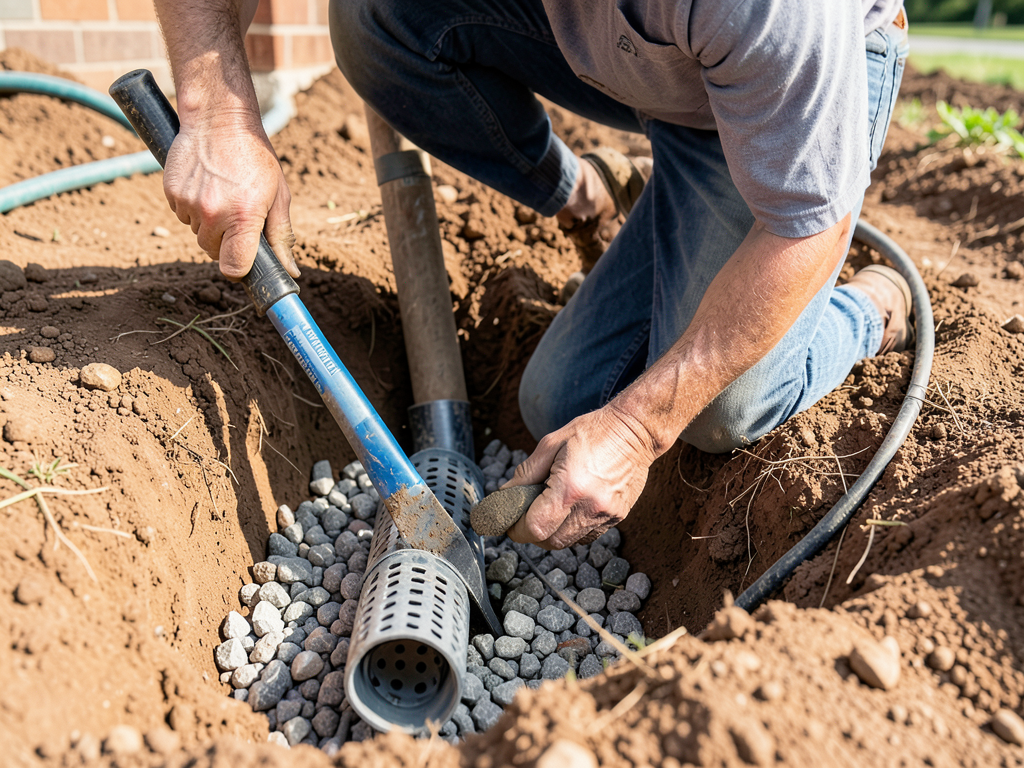
– Diagram showing French drain trench construction with proper slope, filter fabric, perforated pipe, and gravel backfill
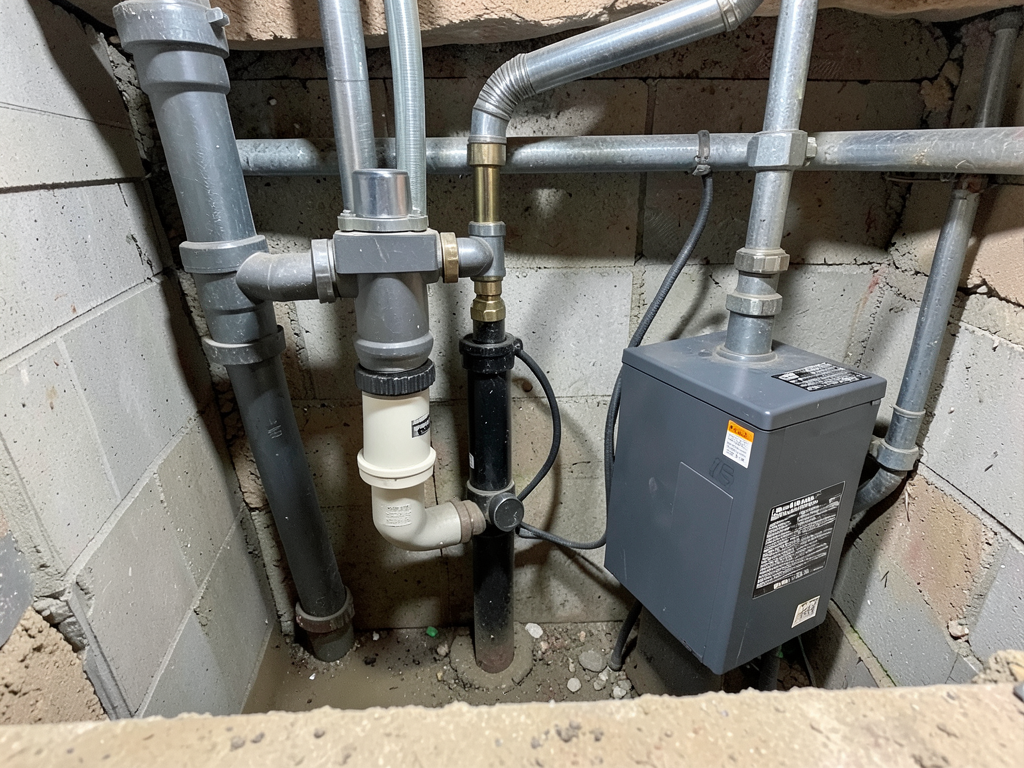
– Cross-section of sump pump pit installation with primary pump, battery backup, and discharge piping
– Before and after photos of a completed French drain installation showing water pooling and final graded surface
Water problems won’t fix themselves. Every day you wait increases the risk of foundation damage and costly repairs. Call (901) 640-3313 today to schedule your professional drainage assessment. Our experienced technicians understand Atoka’s unique soil and weather challenges. We’ll diagnose your specific problem and recommend the right solution – whether that’s a French drain, sump pump, or combined system. Don’t let the next storm catch you unprepared. Pick up the phone and call (901) 640-3313 before water damage becomes your next emergency.
Don’t wait for water damage to cost you thousands. Call (901) 640-3313 now for your free drainage consultation and protect your Atoka home from costly water damage.
{
“@context”: “https://schema.org”,
“@type”: “BlogPosting”,
“headline”: “Deciding between a French drain and a sump pump for your wet yard in Atoka”,
“description”: “Learn how Memphis soil and heavy rains affect yard drainage. Compare French drains vs sump pumps for Atoka homes with expert local guidance from Ace Plumbing.”,
“wordCount”: 2347,
“datePublished”: “2026-03-13T15:48:00.000Z”,
“dateModified”: “2026-03-13T15:48:00.000Z”,
“inLanguage”: “en-US”,
“mainEntityOfPage”: {
“@type”: “WebPage”,
“@id”: “https://aceplumbingmemphis.com”
},
“publisher”: {
“@type”: “LocalBusiness”,
“name”: “Ace Plumbing Memphis”,
“url”: “https://aceplumbingmemphis.com”
},
“author”: {
“@type”: “Organization”,
“name”: “Ace Plumbing Memphis”,
“url”: “https://aceplumbingmemphis.com”
},
“image”: {
“@type”: “ImageObject”,
“url”: “https://aceplumbingmemphis.com/wp-content/uploads/2026/03/deciding-between-a-french-drain-and-a-sump-pump-fo-1.png”
}
}
{
“@context”: “https://schema.org”,
“@type”: “Plumber”,
“name”: “Ace Plumbing Memphis”,
“url”: “https://aceplumbingmemphis.com”,
“address”: {
“@type”: “PostalAddress”,
“addressLocality”: “Memphis”
},
“areaServed”: {
“@type”: “City”,
“name”: “Memphis”
}
}
{
“@context”: “https://schema.org”,
“@type”: “FAQPage”,
“mainEntity”: [
{
“@type”: “Question”,
“name”: “How long does French drain installation take?”,
“acceptedAnswer”: {
“@type”: “Answer”,
“text”: “Most residential French drain installations complete in 1-3 days depending on trench length and soil conditions. Clay soil excavation typically adds 25-50% more time than sandy soil.”
}
},
{
“@type”: “Question”,
“name”: “Can I install a sump pump myself?”,
“acceptedAnswer”: {
“@type”: “Answer”,
“text”: “While possible, professional installation ensures proper pit depth, pump sizing, and code compliance. DIY installations often fail to account for local soil conditions and may void insurance coverage.”
}
},
{
“@type”: “Question”,
“name”: “How often should I test my sump pump?”,
“acceptedAnswer”: {
“@type”: “Answer”,
“text”: “Test your sump pump quarterly by pouring water into the pit until the float activates. Test the battery backup monthly during storm season to ensure it functions when needed.”
}
},
{
“@type”: “Question”,
“name”: “Will a French drain solve all my drainage problems?”,
“acceptedAnswer”: {
“@type”: “Answer”,
“text”: “French drains solve surface water issues but cannot address groundwater pressure or basement seepage. Many properties need combined systems for complete protection.”
}
},
{
“@type”: “Question”,
“name”: “What permits are required for drainage work in Atoka?”,
“acceptedAnswer”: {
“@type”: “Answer”,
“text”: “Most drainage modifications affecting water flow across property lines require Shelby County permits. French drains over 500 square feet and all sump pump installations need engineering approval.”
}
},
{
“@type”: “Question”,
“name”: “How do I know if my yard needs drainage improvements?”,
“acceptedAnswer”: {
“@type”: “Answer”,
“text”: “Signs include standing water 24+ hours after rain, basement dampness, foundation cracks, or mosquito breeding areas. Professional assessment provides definitive answers and solution recommendations.”
}
}
]
}
{
“@context”: “https://schema.org”,
“@type”: “BreadcrumbList”,
“itemListElement”: [
{
“@type”: “ListItem”,
“position”: 1,
“name”: “Home”,
“item”: “https://aceplumbingmemphis.com”
},
{
“@type”: “ListItem”,
“position”: 2,
“name”: “Blog”,
“item”: “https://aceplumbingmemphis.com/blog”
},
{
“@type”: “ListItem”,
“position”: 3,
“name”: “Deciding between a French drain and a sump pump for your wet yard in Atoka”
}
]
}
{
“@context”: “https://schema.org”,
“@type”: “Service”,
“serviceType”: “Plumbing”,
“provider”: {
“@type”: “LocalBusiness”,
“name”: “Ace Plumbing Memphis”,
“url”: “https://aceplumbingmemphis.com”
},
“areaServed”: {
“@type”: “City”,
“name”: “Memphis”
},
“description”: “Learn how Memphis soil and heavy rains affect yard drainage. Compare French drains vs sump pumps for Atoka homes with expert local guidance from Ace Plumbing.”
}